Pedagogue Blog

How the American Dirt Controversy Made Me Rethink My Curriculum

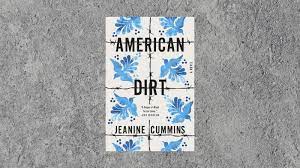
The newfound controversy surrounding Jeanine Cummins’ novel, American Dirt, has been a whirlwind of opinions and emotions for readers and educators alike. As a teacher, I have taken this moment as an opportunity to pause and reconsider my curriculum choices to ensure that I am providing a broad range of perspectives for my students. Here is how the American Dirt debate has made me rethink my curriculum.

Understanding the Controversy

If you have somehow managed to miss the buzz surrounding American Dirt, let me catch you up. The novel tells the story of a Mexican mother and her son who face unimaginable hardships as they flee their home country and make their way to the United States in search of a better life. Initially praised by critics and popular authors alike, it soon became apparent that many in the Latinx community had concerns.

Critics argue that Cummins’ work is fraught with stereotypes, cultural appropriation, and problematic depictions of Mexican people and culture. Many were disturbed by the fact that Cummins, a white woman, had profited off of telling a story that was not her own. The ensuing backlash has sparked important conversations about representation in literature, authorship, and diversity in publishing.

Rethinking My Curriculum

As an educator, it is my responsibility to curate reading lists for my students that provide diverse experiences and insights from different backgrounds. While examining the American Dirt controversy, I realized there were some key areas where I could improve my own curriculum.

1. Prioritizing Authentic Voices: One significant argument against American Dirt is that Cummins may not have had the necessary personal experience to tell this particular story authentically. In response, I sought out texts written by Latinx authors that provide an accurate representation of their own experiences to integrate into our class discussions.

2. Encouraging Critical Thinking: I began discussing controversies like American Dirt with my students to equip them with the ability to analyze and question the stories they read. By comparing and contrasting multiple perspectives, students can develop a more comprehensive understanding of the subject matter.

3. Broadening Our Reading List: The American Dirt debate made me realize how essential it is to expose students to a broad range of literary experiences. I expanded my curriculum to include works from diverse authors, including but not limited to, marginalized voices.

4. Fostering Awareness About Cultural Appropriation: As an educator, it is important for me to address the issue of cultural appropriation in literature directly. By talking about such issues in class, I hope to foster sensitivity towards other cultures and inspire students to be more respectful.

Moving Forward

Few controversies offer the chance for such reflection and growth as that which surrounds American Dirt. This debate has provided a much-needed wake-up call for me as an educator, pushing me to reconsider my curriculum choices and seek out authentic voices from diverse backgrounds. By using this controversy as a learning opportunity, I am striving to create a more inclusive education experience for my students.


How To Upgrade Your Google Classroom With BookWidgets

Introduction:

Google Classroom has revolutionized the way teachers and students interact, making it easier than ever to manage assignments, share resources, and communicate effectively. But what if you could enhance your Google Classroom experience even further, by integrating a powerful, interactive tool like BookWidgets? In this article, we’ll guide you through the process of upgrading your Google Classroom with BookWidgets, so you can make the most of this remarkable educational platform.

Step 1: Get Familiar with BookWidgets

Before you start integrating BookWidgets into your Google Classroom, it’s crucial to understand its features and benefits. BookWidgets allows teachers to create engaging, interactive lessons and activities for students. This includes quizzes, flashcards, puzzles, games, worksheets, and more. The best part is that all these widgets can be customized according to the curriculum and shared with students through popular learning management systems (LMS) like Google Classroom.

Step 2: Setting Up a BookWidgets Account

To get started with BookWidgets, you’ll need to create an account. Visit the BookWidgets website (https://www.bookwidgets.com/) and sign up for a free trial or one of their paid plans. Once you’ve created an account, explore their library of widgets and templates to discover the different resources available for use in your Google Classroom.

Step 3: Integrating BookWidgets with Google Classroom

Linking your BookWidgets account to your Google Classroom is simple. Follow these steps:

1. Log in to your BookWidgets account.

2. Click on “My Account” in the top right-hand corner.

3. Choose “Integrations” from the menu.

4. Find the Google Classroom integration option and click on “Connect.”

5. Follow the on-screen instructions to authorize access between your BookWidgets and Google accounts.

Now that you’ve successfully integrated both platforms, it’s time to start creating and sharing widgets.

Step 4: Creating Your First Widget

To create a widget, follow these steps:

1. Click the “+Create Widget” button on your BookWidgets dashboard.

2. Choose a widget template. You can view examples and demos for each type of activity before selecting one.

3. Customize your widget by editing content, images, colors, and other elements according to your lesson plan or topic.

4. Save your creation and preview it to ensure that it meets your teaching objectives.

Step 5: Sharing Widgets in Google Classroom

Once you’ve created a widget, you can easily share it with students through Google Classroom:

1. Open the finished widget in the BookWidgets editor.

2. Click on “Share” located in the top right-hand corner.

3. Choose “Share with Google Classroom.”

4. Select the class and action (“Create assignment,” “Ask question,” “Make announcement,” or “Material”).

5. Customize details like due date, point allocation, or any additional instructions.

6. Click on “Assign” or “Post” depending on the chosen action.

Your BookWidgets assignment will now be available to students in Google Classroom! As they complete activities, you will receive feedback and analytics to help track student progress.

Conclusion:

Upgrading your Google Classroom with BookWidgets opens up endless possibilities for interactive learning experiences. Give your students engaging activities that cater to diverse learning styles and watch their motivation soar. Integrate BookWidgets with Google Classroom today and revolutionize your teaching approach!

10 Ways to Clean Scribbled-On, Germ-Ridden, Chewed-Gum Desks

A clean and organized workspace is essential for productivity and a healthy environment. However, desks can quickly become a breeding ground for germs, cluttered with scribbles, and sticky with old gum. Fear not! Here are ten ways to clean and maintain your scribbled-on, germ-ridden, chewed-gum desk.

1. Remove Gum: To remove old gum, freeze it using ice or a commercial freezing spray. Once it hardens, use a scraper or a blunt knife to gently pry it off your desk’s surface.

2. Use Baking Soda: Make a paste using water and baking soda to clean stains and scribbles on your desk. Gently rub the mixture over the stains with a cloth and wipe away with a damp cloth.

3. Magic Eraser: Invest in a magic eraser to scrub away porous ink stains and other marks that regular cleaning solutions cannot tackle.

4. Disinfecting Wipes: Regularly use disinfecting wipes to clean and sanitize your desk’s surface, keyboard, and other frequently touched items.

5. Vinegar Cleanser: To remove stubborn grime and buildup, mix equal parts white vinegar and water in a spray bottle. Spray the solution onto your desk surface and wipe with a soft cloth.

6. Microfiber Cloths: Opt for microfiber cloths over paper towels when cleaning your desk as they are gentle on surfaces and more effective at trapping dust particles.

7. Declutter Your Workspace: Clear your desk surface by organizing papers into folders, designating drawers for specific items, and utilizing organizational tools like pen holders, paper trays, and filing cabinets.

8. Regular Maintenance: Create a routine that includes daily tidying up of your workspace and periodic deep cleansing to uphold cleanliness standards.

9. Eliminate Odors: Use air fresheners or essential oil diffusers to eliminate unpleasant odors and keep your workspace smelling fresh.

10. Encourage Coworker Responsibility: Maintain a clean and healthy office environment by fostering a culture of responsibility and respect among coworkers. Encourage everyone to maintain their workspaces, dispose of trash responsibly, and use shared resources carefully.

Implementing these ten steps will help you say goodbye to your germ-ridden, scribbled-on, chewed-gum desks, and hello to a tidy, organized, and inviting workspace that encourages productivity and healthy habits.

Read These School Leadership Books to Level Up

Introduction

School leadership plays a crucial role in promoting the success of students, teachers, and the academic institution as a whole. To be an effective leader in education, one must continually enhance their skills and acquire new knowledge. This can be achieved by reading books specifically designed to assist school leaders in their quest for professional growth. The following list comprises some of the best school leadership books available to help you level up.

1. “The Principal: Three Keys to Maximizing Impact” by Michael Fullan

In this book, Fullan emphasizes the importance of principals in revolutionizing educational institutions. He offers insights into three principal-oriented keys that help maximize impact: leading learning, being a system player, and becoming a change agent. Fullan combines research with practical examples to empower school leaders on their journey towards success.

2. “Leadership for Teacher Learning” by Dylan Wiliam

Wiliam focuses on building capacity for better teaching within schools to ensure student achievement. The book discusses instructional leadership, teacher learning communities, and formative assessment practices to help school leaders make data-driven decisions.

3. “Culturize: Every Student. Every Day. Whatever It Takes.” by Jimmy Casas

Jimmy Casas offers strategies for creating a positive school culture where all students feel welcomed and valued. He emphasizes the need for strong relationships between the staff, students, and community members while addressing issues such as equity and inclusion.

4. “Leading With Focus” by Mike Schmoker

Schmoker highlights how school leaders can sharpen their focus on what truly matters – high-quality instruction and student performance improvement. This book cuts through distractions and provides clear guidelines on making informed decisions for effective school leadership.

5. “School Climate 2.0: Preventing Cyberbullying One Classroom at a Time” by Sameer Hinduja and Justin Patchin

This book dives into the contemporary issue of cyberbullying and how it impacts the academic environment. It provides school leaders with practical strategies to maintain a safe and healthy school climate while addressing online harassment.

6. “Schools Cannot Do It Alone” by Jamie Vollmer

Vollmer emphasizes the importance of fostering strong relationships between schools, parents, and community members to create a solid foundation for student success. He offers stories, examples, and practical advice to help school leaders connect with their community.

7. “Start.With.Why” by Simon Sinek

In this popular book, Sinek dives into the concept of starting with your “why” when it comes to leadership. His innovative approach can be applied to school leadership as well, helping principals and administrators find their purpose and use it to inspire change within their institutions.

Conclusion

The books mentioned above are just a few examples of the immense wealth of literature available for those seeking professional growth in the field of education. By investing time in reading these texts, school leaders can acquire new knowledge and skills that will empower them to level up and positively impact their schools. So delve into these pages, embark on a journey of self-improvement, and watch your school thrive under your capable leadership.

This Parody Secretary of Education Account is Everything

In the ever-changing landscape of social media, Twitter has become a hub for humorists, commentators, and critics alike to share their thoughts and opinions. One account that has recently captured the attention of many is a parody account of the Secretary of Education. The satirical take on the role has gained quite a following and has left users both amused and enlightened.

The parody account in question cleverly addresses pressing educational issues while infusing humor throughout its posts. By doing so, it manages to engage its audience in meaningful conversations while also offering them comic relief amidst serious matters. The account holder has successfully crafted a unique and engaging voice that has resonated with people from all walks of life.

One predominant theme on this parody account revolves around educational inequality and the need for reform. With witty quips and jabs at the current state of our education system, this account sheds light on pressing issues in an approachable manner. Using humor as a tool, it effectively breaks down complex ideas, making them easily digestible for people who might not have closely followed developments in education policy.

By bringing attention to challenges faced by the education system in an entertaining way, this parody Secretary of Education account serves as a reminder of the importance of staying informed about social issues. It sparks interest in topics that may have been otherwise overlooked and encourages users to delve deeper into subjects they might not have previously considered.

Another reason why this account is resonating with audiences is that it manages to remain relatable. Posts touch on experiences that many individuals can identify with – outdated textbooks, parental involvement in remote learning or ineffective standardized testing methods – hinting at common ground despite differences in opinions on educational policy.

Moreover, this parody account provides a cathartic release for followers who may feel frustrated by bureaucratic processes and policy changes that seem out of their control. Offering a space for wit and comic relief allows users to defuse tension and maintain hope that small, persistent voices can bring about meaningful change in the long run.

In conclusion, the parody Secretary of Education Twitter account has captured the hearts and minds of its growing audience. By employing humor as a means to address significant educational issues, this account strikes a balance between serious discussion and lighthearted satire. Not only does it entertain and inform, but it also serves as a call to action for individuals to stay informed and engaged with the world around them. The success of this particular parody account highlights the power of humor as an influential tool for social commentary and change.

15 Great Anchor Charts for Teaching Adjectives

Introduction:

Adjectives can transform dull, lackluster sentences into lively and engaging ones. Introducing adjectives into a language learning journey can make all the difference. Here are 15 incredible anchor charts to use when teaching adjectives to your students.

1. Adjectives List:

Create an anchor chart listing a variety of adjectives grouped by categories such as size, shape, color, and feelings, making it easy for students to refer to when they need some ideas.

2. The Five Senses:

Design an anchor chart depicting the five senses and associate each sense with corresponding adjectives. This will help students create vivid descriptions based on sensory details.

3. Adjective Degrees:

Develop an anchor chart illustrating the three degrees of adjectives – positive, comparative, and superlative forms – along with examples, rules and common exceptions.

4. Order of Adjectives:

Craft an anchor chart showing the correct order of adjectives in a sentence (quantity, quality, size, age, shape, color, origin, material, purpose) to clarify proper sentence structure.

5. Synonyms & Antonyms:

Create a chart displaying common adjectives with their synonyms and antonyms to build students’ vocabulary and improve their writing skills.

6. Describing Characters:

Design an anchor chart focusing on character traits and emotions with corresponding adjectives to help students develop rich character descriptions in their writing.

7. Opposites Attract:

Develop an interactive chart containing pairs of opposite adjectives for students to practice using antonyms effectively.

8. Shades of Meaning:

Illustrate subtle differences between similar adjectives using a color gradient chart that links closely related words along the spectrum from mild to intense.

9. Adjective Word Bank:

Compile a comprehensive word bank of descriptive terms categorized by topic to provide a helpful resource for student writing assignments.

10. Adjective Detectives:

Incorporate a detective-themed chart which encourages students to “solve the case” by finding adjectives in books, articles, or their own writings.

11. Adjective Mad Libs:

Design a fun, interactive mad libs anchor chart using blanks for adjectives, allowing students to practice using a variety of descriptive words in unique and entertaining ways.

12. How Does It Feel?:

Create an emoji-themed chart featuring differing emotions and associated adjectives to enhance students’ understanding of feelings-based descriptive words.

13. Describing Settings:

Craft a visually appealing anchor chart with images of various settings, each accompanied by fitting adjectives to inspire students when describing environments in their writing.

14. Adjective Collage:

Encourage students to create a colorful collage of adjectives cut from magazines or printed materials that demonstrate an understanding of diverse descriptive terms.

15. Adjective Pictionary:

Develop an engaging activity where students draw pictures using assigned adjectives, and classmates guess the descriptors based on the illustrations.

Conclusion:

These 15 great anchor charts can effectively support your lessons on adjectives and help students build a solid foundation in grammar, vocabulary, and creative writing. Diversify your teaching approach with these visual aids to create an engaging learning environment that fosters improved language proficiency.

Could More Half Days Prevent Teachers From Pandemic Burnout?

As the world continues to adapt and navigate through the uncharted waters of the pandemic, educators find themselves on the frontlines of this new educational landscape. The pressure to keep students engaged and learning has never been greater, and teachers are feeling the burden. One potential solution to address teacher burnout during these challenging times is to implement more half days in the school schedule. It’s time to explore if this could be an effective way to prevent teacher burnout while still maintaining educational efficiency.

Burnout among teachers has long been a cause for concern, even before the pandemic struck. The long hours, high-pressure environments, and emotionally draining tasks that come with teaching have only been exacerbated by the challenges posed by remote learning and COVID-19 protocols. Consequently, teacher burnout rates have risen, gravely impacting both educators and students alike.

Half days in a school setting can offer various benefits in combating burnout. By granting teachers shorter working hours periodically, it provides them with an opportunity to recharge both mentally and physically. This can result in increased productivity during work hours while also giving teachers a chance to tend to their personal lives effectively.

Half days can also reduce stress levels associated with lesson planning. Since less time needs to be filled with content on half days, it allows teachers to focus on quality over quantity for the lessons taught on these days. This could result in better learning outcomes for students while simultaneously reducing pressure on teachers.

Moreover, introducing more half days can lead to enhanced collaboration among educators at school. Part of the extra time off could be put towards professional development or collaborating with colleagues on best practices, lesson plans or assessments which will foster a supportive environment and benefit students’ education overall.

However, one possible drawback is that half days may lead some people to think that teachers are getting more free time than they may have earned or be entitled to. A proper implementation would need to balance both the needs of educators and the perception of their workload by the general population.

Also, there could be concerns about reduced instruction time for students, which might impact academic progress, particularly in cases where students need additional support. To address this challenge, schools could strategically schedule half days to ensure that the learning goals are still being met while minimizing potential negative effects.

In conclusion, incorporating more half days into the school calendar might play a significant role in preventing teacher burnout during the pandemic. By offering reprieve from the intense demands of their profession, these half days could result in improved mental well-being and productivity among teachers, benefiting both educators and students alike. These proposed changes should be carefully considered, weighed against any potential drawbacks, and tailored to each school’s unique needs to achieve successful implementation.

This Teacher Started a Care Closet to Meet Student Needs

In a world where acts of kindness and charity are always treasured, one teacher’s initiative to start a Care Closet for her students has drawn much praise and admiration. The Care Closet project not only highlights this teacher’s commitment to her students’ welfare but also showcases an innovative solution to address the basic needs of underprivileged children.

The idea for the Care Closet came about when the concerned teacher, Jane Smith, noticed some students at her school lacking essential items such as adequate clothing, hygiene products, and school supplies. Determined to make a difference, she sought the help of fellow teachers and community members to start a small support system that would provide these necessities discreetly.

What began as a mere idea quickly snowballed into reality as word spread about the proposed Care Closet. Donations from local businesses, PTA members, and even anonymous donors poured in. Fast forward several months, and the once-empty room transformed into a well-organized space filled with clothes, shoes, toiletries, school supplies, and non-perishable food items.

“The goal was never to shame or embarrass the students who needed help,” says Jane Smith. “It was about providing them with their most basic needs so they could focus on their education without worrying about distractions or feeling self-conscious.”

The way the Care Closet works is simple. Teachers throughout the school can discreetly refer students who they believe require assistance. These students are then provided with access to what they need in an environment that prioritizes privacy and respect.

The impact has been nothing short of tremendous. Since its inception earlier this year, hundreds of students have been able to obtain essential items at no cost thanks to Jane Smith’s remarkable initiative. Furthermore, by fulfilling these needs for underprivileged kids—the program works towards ensuring equal opportunities for educational success across socioeconomic boundaries.

Ultimately, when teachers like Jane Smith take it upon themselves to find solutions addressing the challenges faced by their students, it transforms the educational landscape. Jane Smith’s Care Closet initiative has inspired other schools across the country to set up similar programs, bridging the gap towards a more equal educational environment and simply proving that a single act of kindness can create ripples of change.

50 Science Bell Ringers to Kickstart Your Class

A captivating introduction is crucial for any science lesson. Starting your class with a ‘bell ringer’ activity is an excellent way to engage students and kick off your lecture on a high note. Here are 50 science bell ringers suitable for a variety of grade levels and covering various fields of science.

1. Brain teasers

2. Relevant trivia questions

3. Question of the day

4. Picture analysis

5. Science quotes discussion

6. Problem-solving challenges

7. Graph interpretation

8. Debate on a topic in science (Nature vs Nurture)

9. Mini Kahoot quiz or other educational game app quizzes

10. Guess the scientist or scientific term in charades

11. Video clip analysis (Myth Busters, TED Talks, etc.)

12. Real-world scenarios (connect the scientific concept to daily life)

13. KWL chart (Know, Want to know, Learned)

14. Mind maps – explore how concepts fit together

15. Memory games – recalling facts and figures

16. Virtual lab tours

17. Data collection activities – actively observe nature in real time

18. Observations and predictions

19. Weather report interpretation

20. Explore the history of a scientific discovery or invention

21. Current events – discuss recent scientific discoveries or breakthroughs

22. Compare and contrast scientific theories

23-30: Create unique bell ringers for teaching specific branches of science:

23. Biology: Trace the flow of energy through ecosystems

24. Physics: Speed calculations based on videos of moving objects

25. Astronomy: Identify constellations visible from your location

26. Chemistry: Balancing chemical equations practice

27. Marine Biology: Analyze ocean conservation initiatives

28 Earth Science: Earthquake data interpretation and predictions

29.  Meteorology: Investigate weather patterns and influence on climate

30.  Geology: Mineral identification exercise

31. STEM-related career exploration through guest speakers, virtual interviews, or research

32. Cross-disciplinary science/art projects (ex. designing an infographic)

33. Design an experiment to solve a scientific inquiry

34. Dunk Tank of Science – Students guess if an object will float or sink, then explain their reason

35. Online simulations exploring scientific concepts

36. Science joke or riddle discussion

37. Exit ticket – one big idea learned in class

38. Vocabulary word inference based on context clues

39. Scavenger hunt – searching for classroom objects relating to the topic

40.  Primary resource analysis from scientists’ journals or documents

41-50: Use these activities to engage students with current events and public opinions on science.

41. Investigate the impacts of climate change

42. Investigate what sustainable living looks like

43. Analyze the impact of vaccinations on public health

44. Delve into alternative energy sources and their pros/cons

45. Food security and local sourcing – how does it work?

46-47. Discuss popular science books or documentaries:

– Hidden Figures

– An Inconvenient Truth

48-50. Evaluate media sources for credibility when reporting scientific findings.

Integrate these 50 bell ringers into your science curriculum to engage students right from the start of class, harnessing their curiosity and promoting an enthusiastic learning environment.

What to Do When Your Friends Don’t Understand Your Teaching Job

Teaching, as a profession, is often rewarding yet demanding at the same time. As a teacher, you play a vital role in shaping the lives of your students. However, it’s common for friends or family members who aren’t in the education field to misunderstand the challenges and responsibilities associated with being a teacher. If you find yourself in this position, here are some helpful suggestions for addressing the situation.

1. Share your experiences:

The best way to help your friends understand your teaching job is by talking about it. Share anecdotes and aspects of your daily routine that illustrate what goes on in your classroom. By sharing specific examples of your experiences, such as dealing with different learning styles or managing classroom behavior, you can provide insight into what teaching entails.

2. Discuss the reality of teaching:

Many people have misconceptions about teachers having ample free time or summers off without any work. Make it clear that teaching doesn’t just involve standing in front of a classroom – it involves lesson planning, grading assignments, attending meetings and professional development, communicating with parents, and so on. Help dispel these assumptions by sharing how much time and effort goes into preparing lessons and fulfilling other responsibilities outside the classroom.

3. Highlight the emotional side of teaching:

Teaching is not only intellectually challenging but emotionally taxing as well. Help your friends understand the emotional aspects of the job by discussing how rewarding it is to see students succeed or grow because of your efforts, as well as the toll it can take when they struggle or when they face problems outside school.

4. Organize a visit:

Invite your friends to visit your workplace or attend an open house event at your school. This way, they’ll get a firsthand look at what you do and gain a better appreciation for your role as an educator.

5. Broaden perspectives through social media:

Share articles, blogs or videos related to teaching and education on social media platforms. By doing so, you can educate your friends about current issues in education and provide a platform for healthy discussions.

6. Build connections:

Find common ground and draw connections between your experiences as a teacher and the experiences your friends have in their respective jobs. This will help them empathize with your situation and appreciate the challenges you face.

7. Be patient:

Remember that understanding takes time. Some people may change their views more quickly than others, so be patient and continue fostering an environment where they can learn about your profession.

In conclusion, when faced with friends who don’t understand your teaching job, emphasize the importance of open communication and be proactive in sharing your experiences, challenges, and achievements. By doing this, you’ll help build understanding and foster a support system that appreciates the wonderful work you do as an educator.

20 Terrific Guided Meditations for Teachers

Introduction:

Teaching is a demanding profession, and the stresses can sometimes take a toll on teachers’ mental and emotional well-being. To help combat stress and maintain a healthy mind, more and more educators are turning to guided meditations. In this article, we present 20 fantastic guided meditations specifically tailored for teachers.

1. Mindful Morning Welcome:

Start your day right with this 5-minute meditation to set a positive intention for the day ahead, fostering a sense of calm and preparedness.

2. Grounding Breath Meditation:

This brief meditation helps teachers tune into their breath, aiding in relaxation and grounding on a busy day.

3. Loving-Kindness Meditation for Teachers:

A powerful practice that helps educators develop compassion for themselves, their students, and colleagues.

4. Teacher Stress Relief:

A 10-minute meditation that guides you through releasing tension in both the body and mind, relieving the stresses from daily teaching challenges.

5. Mindfulness Bell Pause:

A simple but effective pause in the middle of the day that uses the sound of the bell to bring your awareness back to the present moment.

6. Reflective Gratitude Meditation:

Take time to reflect on the small victories each day and give thanks for a job well done with this inspiring meditation.

7. Body Scan Relaxation:

A great way to release tension stored in different parts of the body while practicing mindfulness.

8. After-School Wind Down:

This guided meditation helps transition from work mode to home mode by releasing negative energy accumulated throughout the day.

9. Classroom Calm Visualization:

Imagine a peaceful and harmonious classroom through visualization techniques that promote tranquility among both teachers and students.

10. Ten Breaths Technique:

An easy-to-remember technique used during challenging moments or when feeling overwhelmed in the middle of a busy school day.

11. Serenity Garden Meditation:

Escape into a beautiful, serene garden where you can find peace and restore balance to your emotional well-being.

12. Progressive Muscle Relaxation for Teachers:

Release physical stress in your body with this simple relaxation technique that guides you to tense and then release various muscle groups.

13. Teacher’s Meditation Break:

This short meditation helps take a break during the day to refocus on the present moment while relaxing the body and mind.

14. Mindful Listening for Educators:

A guided meditation that promotes active and non-judgmental listening, encouraging empathy and understanding between teachers, students, and colleagues.

15. Guided Imagery For Teacher Self-Care:

A soothing session designed to encourage self-compassion, self-care, and wellbeing among teachers.

16. Compassionate Classroom:

Invite a compassionate environment in your classroom by guiding your own thoughts towards gratitude, kindness, and understanding.

17. Meditation for Difficult Conversations:

Prepare yourself mentally for challenging conversations with students or parents through this focused meditation practice.

18. Cultivating Patience as an Educator:

Improve patience by releasing impatience-causing thoughts, allowing you to stay calm during stressful moments in the classroom.

19. Mindful Movement for Teachers:

A gentle stretching routine guided by mindfulness to help teachers incorporate mindful movement into their day for increased energy and relaxation.

20. Sleep Meditation for Teachers:

End your day with this soothing meditation that releases tension from the body and mind, setting you up for a peaceful night’s sleep.

Conclusion:

These 20 guided meditations can offer incredible benefits to educators, helping them manage stress levels, promote self-care, and maintain a balanced mindset needed to excel in their profession. Taking just a few moments each day to engage in these practices will lead to a more positive teaching experience and greater overall well-being.

How Much Do You Know About the Science of Teaching Reading?

Introduction

Reading is a core skill that plays a significant role in our daily lives, from navigating road signs to digesting news articles and enjoying literature. The science of teaching reading lies at the heart of the education system, yet many people are unaware of its intricacies. This article delves into the science behind teaching reading and highlights essential aspects that every teacher, parent, and learner should know.

Phonics: A Foundational Skill

One key component of teaching reading is phonics. Phonics is a method for teaching how to read and write by correlating sounds with symbols (letters). Children are taught to recognize individual sounds within spoken words, blending these sounds together to form whole words. Research has repeatedly shown that phonics instruction significantly improves reading acquisition, particularly for young children or struggling readers.

Reading Comprehension: Making Sense of Texts

Another essential aspect of learning to read is reading comprehension. This means understanding what is being read and making connections between text passages and prior knowledge. Comprehension strategies include making predictions, asking questions about the text, visualizing scenes, drawing inferences, and summarizing information. Teachers can incorporate these strategies into lessons to help students become successful in understanding various types of texts.

Fluency: Reading with Precision

Fluency refers to the ability to read smoothly, accurately, and with expression. This skill allows for better cognitive processing as the reader focuses less on decoding words but more on meaning. To help students develop fluency, repeated readings, choral reading, echo reading, and reader’s theater are some teaching methods that educators can use.

Differentiated Instruction: Meeting Individual Needs

It’s vital for educators to recognize that each student learns differently; hence differentiated instruction is necessary when teaching reading. This includes assessing each student’s individual needs and providing appropriate accommodations or interventions tailored to their specific areas of strength or struggle.

The Role of Vocabulary

Vocabulary is another crucial element in the reading process. By expanding a student’s vocabulary, they can more easily decode and comprehend texts. Teachers can encourage vocabulary development through various techniques, including direct instruction, teaching root words and affixes, contextual cues, and encouraging reading across diverse topics.

Text Selection: Offering Variety for Diverse Learners

Selecting age-appropriate and engaging texts is an essential aspect of teaching reading. A wide range of text types – including fiction, non-fiction, poetry, and multimedia – should be included in the classroom to cater to different reading levels, interests, and cultural backgrounds.

Inclusion of Socio-Emotional Learning

Effective reading instruction does not only focus on cognitive skills but also considers how socio-emotional learning (SEL) impacts a student’s ability to learn. By creating a positive classroom environment that encourages self-expression, trust, risk-taking, empathy, and reflection, students are more likely to engage in their learning and experience success.

Conclusion

Understanding the science behind teaching reading is critical for both educators and parents as it helps ensure better outcomes for students. By providing effective phonetic instruction, comprehensible strategies, fluency development techniques with differentiated input and encouraging vocabulary growth are vital steps toward fostering competent readers who enjoy the lifelong benefits of this essential skill.

Latest Posts