Pedagogue Blog

12 Engaging Activities for Teaching Charlotte’s Web

Introduction:

Charlotte’s Web is a beloved children’s book written by E.B. White that tells the story of a young pig named Wilbur and his friendship with a barn spider named Charlotte. This heartwarming tale teaches children important lessons about friendship, determination, and the cycle of life. Here are 12 engaging activities to use while teaching Charlotte’s Web in your classroom.

1. Character Word Webs:

Have your students create word webs for the main characters in the story. Use words from the text or brainstorm adjectives to describe each character, and then connect these words using lines to form a web-like structure.

2. Vocabulary Building:

Introduce vocabulary words from the book, such as “humble,” “radiant,” and “salutations.” Have students practice using these words in context by creating flashcards or completing fill-in-the-blank activities.

3. Plot Retelling:

Have students work in pairs or small groups to retell the story in their own words, focusing on major plot points and character developments.

4. Compare and Contrast:

Discuss the similarities and differences between farm life during the time period of the novel (1950s) and today. Assign a research project or have students create a Venn diagram comparing farm life then and now.

5. Journal Writing:

Encourage daily journal writing, with prompts such as “Describe how you would feel if you were Wilbur” or “How would you handle Templeton’s selfishness?” Encourage students to think about events from their own lives that relate to those in the story.

6. Barnyard Scavenger Hunt:

Plan a scavenger hunt for items mentioned within the book, such as straw, corn husks, hay, or feathers. This can either be done outside or inside with pictures of these items hidden around your classroom.

7. Classroom Read-Alouds:

Have students practice their reading aloud skills by taking turns reading chapters from the book. Encourage expression and proper pacing to ensure comprehension and engagement.

8. Act It Out:

Create a simple script with dialogue from the story, and have your students perform a play of certain scenes from Charlotte’s Web. Assign roles and provide props, such as a spider web made from yarn or string.

9. Creative Writing Prompts:

Challenge students’ writing skills by giving them imaginative prompts like “Write an alternate ending for the story” or “Imagine you are Charlotte, create a plan to save Wilbur.”

10. Spelling Contests:

Hold weekly spelling bees using vocabulary words from the book, creating a fun and competitive environment for students to learn new words.

11. Art Projects:

Incorporate art into your lessons by having students create illustrations of their favorite scenes or characters, or designing book covers for their own versions of Charlotte’s Web.

12. Life Cycle Studies:

Explore the life cycle of spiders in science class, discussing how spiders lay eggs, molt, and grow into adults. Use visuals and diagrams to help students understand the different stages in a spider’s life.

Conclusion:

Charlotte’s Web is a timeless classic filled with valuable lessons that children can learn through creative and engaging activities. By incorporating these 12 activities into your curriculum, you’ll provide your students with memorable ways to connect with the text while building important language arts skills.

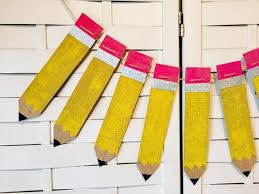
How to Make These Crafty Burlap Pencil Classroom Decorations

A creative classroom environment is engaging and inspires students to thrive. One simple yet eye-catching way to transform your ordinary classroom is with these crafty burlap pencil decorations. They’re perfect for back-to-school, teacher appreciation, or simply adding a touch of whimsy to your learning space.

In this article, we’ll outline all the steps you need to make these cute burlap pencils yourself. Let’s get started!

Materials Required:

– Burlap fabric (various colors for pencil, eraser, and metal band)

– Scissors

– Fabric glue or hot glue gun

– Ruler or measuring tape

– Pencil or pen for tracing

– Cardboard or heavy cardstock paper

– Twine (optional)

Step 1: Create the Pencil Template

First, draw a pencil template on the cardboard or cardstock paper. The size of your decoration will determine the size of your template. For example, if you want your pencil to be 12 inches long, ensure that you create a template that matches that size.

The shape should consist of three parts: the pencil body (rectangular), eraser (rounded), and metal ring (small rectangle overlapping the eraser). Cut out the template.

Step 2: Trace and Cut the Burlap

Trace your pencil template onto the burlap fabric using a pencil or pen. You will need to trace three pieces for each decoration: one for the main pencil body, one for the eraser, and one for the metal ring.

Cut out each piece of burlap carefully along the lines you’ve drawn. Feel free to cut out multiple pieces at once if you’re making several decorations.

Step 3: Assemble Your Pencil Decoration

Now, it’s time to assemble your crafty burlap pencil. Start by gluing the eraser piece directly onto the top of the pencil body, aligning the edges neatly. Press firmly to ensure the glue adheres.

Next, glue the metal ring piece onto the area where the eraser meets the pencil body. This will create a seamless connection between the two parts.

Step 4: Add Finishing Touches

For added flair, you can use fabric glue to create colored stripes within the burlap pencil body. Simply squeeze the glue onto the fabric, forming straight lines or zigzags to mimic a real wooden pencil. Allow it to dry completely before touching it.

Alternatively, wrap twine around the metal ring section for a rustic look. Secure it with a dab of glue on both ends.

Step 5: Display Your Burlap Pencil Decorations

Hang your finished burlap pencils on your classroom walls or bulletin boards for an attractive and warm aesthetic. They also make fantastic gifts for other teachers or students’ parents as a token of appreciation.

In conclusion, these crafty burlap pencil classroom decorations are a fun and simple way to brighten up any learning environment. With just a few materials and some creativity, you can have these charming decorations ready in no time. Happy crafting!

Resources for Talking To Students About the Attack on the Capitol

Introduction

The attack on the United States Capitol on January 6, 2021, was an unprecedented event that left the nation in disbelief. Educators around the country are faced with the challenge of discussing and processing these events with their students. In order to assist educators in addressing this difficult topic, we have compiled a list of resources that can help stimulate healthy and informative conversations about the Capitol attack.

1. PBS NewsHour Extra

PBS NewsHour Extra provides classroom resources on current events, including lesson plans, videos, and articles. Their coverage of the Capitol attack includes discussion questions, video clips, and accompanying articles designed to help teachers facilitate constructive discourse among students. Explore their resources at:

https://www.pbs.org/newshour/extra/

2. Facing History and Ourselves

Facing History and Ourselves is a nonprofit organization that provides educational materials on historical events and social issues to promote moral reflection among students. Their resources on the Capitol attacks include articles with guiding questions for discussion on topics such as democracy, protest, and political violence.

https://www.facinghistory.org/resource-library?search_api_fulltext=Attack%20on%20the%20Capitol

3. Smithsonian Magazine

Smithsonian Magazine’s article “How to Talk About the Attack on the Capitol With Children” offers expert advice from educators and psychologists about how to address this topic with young learners. This resource aims to help teachers have age-appropriate conversations with students.

https://www.smithsonianmag.com/smithsonian-institution/how-to-talk-about-attack-on-capitol-with-children/

4. Common Sense Media

Common Sense Media’s guide titled “Explaining the News to Our Kids” provides age-specific tips for discussing news events with children and helps educators answer difficult questions students may have regarding current events like the attack on the Capitol.

https://www.commonsensemedia.org/blog/explaining-the-news-to-our-kids

5. Share My Lesson

Share My Lesson is a platform that offers free teaching resources, created by teachers, for teachers. They offer lesson plans and webinars on the Capitol attack aimed at helping educators engage students in conversations about democracy, protest, and the consequences of violence.

https://sharemylesson.com/collection/capitol-protests

Conclusion

The attack on the Capitol was a shocking and complex event that educators across the nation are working to explain and discuss with their students. These resources can help facilitate valuable conversations in the classroom, providing context and understanding to an unprecedented moment in America’s history.

Kids Are Never Too Young to Talk About Race

Introduction:

In today’s diverse and multicultural society, it is essential to educate children about race and ethnicity from an early age. Parents and educators might shy away from addressing these sensitive topics, fearing that it might lead to confusion or misunderstanding. However, research suggests that kids are never too young to talk about race. Engaging in open and honest conversations about race can help children develop an inclusive mindset, understand the beauty of diversity, and foster empathy in their relationships with others.

Teaching Children About Race:

Children start noticing physical differences such as skin color at a very young age. This natural curiosity provides a perfect opportunity to teach them the importance of embracing diversity. Here are a few ways to talk about race with young children:

1. Start Early: Don’t wait for kids to bring up the topic; instead, actively engage them in conversations about race from an early age. Regularly discuss racial diversity within your family, community, school, or in the media.

2. Use Age-appropriate Language: Keep the conversation simple and straight-forward for younger kids. For example, you can explain that people have different shades of skin color due to melanin – a pigment that protects our skin from the sun.

3. Expose them to Diverse Media: Watch TV shows and movies that include diverse characters, read multicultural books, and attend various cultural events. This will help children understand and appreciate different cultures and lifestyles.

4. Emphasize Similarities: While celebrating uniqueness and differences is important, also focus on human similarities that go beyond race. Help your child recognize shared values like kindness, respect, love, and friendship.

5. Display Cultural Pride: Encourage your child to take pride in their own culture while also appreciating the beauty of other cultures.

6. Address Stereotypes and Prejudices: Explain to your child that not everyone acts or thinks the same way just because they belong to a certain racial or ethnic group. Encourage them to challenge biases and stand against stereotypes.

7. Teach Empathy: Help children understand feelings and perspectives of others regardless of their race or ethnicity. Empathizing can reduce prejudice, break stereotypes, and promote understanding.

Benefits of Discussing Race with Children:

Talking about race from an early age has numerous benefits for kids:

1. Develops an Inclusive Mindset: Children become more open-minded and less likely to develop biases or prejudices.

2. Fosters Multicultural Understanding: Teaching kids about various cultures will help them appreciate the richness of human diversity.

3. Reduces Racial Stereotyping: Engaging conversations about race can help challenge stereotypes and differentiate between cultural traits and individual choices.

4. Encourages Empathy: Discussing race helps develop empathy for others’ experiences, resulting in better interpersonal relationships.

Conclusion:

Kids are never too young to talk about race. By addressing the topic openly, parents and educators can help create a more harmonious and inclusive society where respect, understanding, and empathy are valued above all else. Start the conversation today; it’s never too late to make a difference in your child’s life.

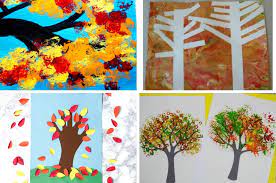
The Best Fun Autumn Art Projects for Teachers

As the seasons change and the leaves begin to turn, it’s the perfect time for teachers to bring some autumn-inspired art projects into their classrooms. These creative and engaging activities can help students explore the beauty of the fall season while developing their artistic skills. Here are some of the best fun autumn art projects for teachers to inspire creativity in their students.

1. Leaf Rubbings

One of the most classic autumn art activities, leaf rubbings allows students to capture the intricate patterns and shapes of fallen leaves. To get started, have students collect various leaves from around the school or their homes. Place a leaf under a sheet of thin paper, and let them gently rub over it using the side of a crayon or colored pencil. The resulting image will reveal the unique texture and veins of the leaf.

2. Paper Mosaic Fall Trees

For this activity, students will create beautiful silhouette trees against an autumnal mosaic sky using colored paper or magazine pages. Begin by having each student cut out a tree silhouette from black construction paper and glue it to a piece of white cardstock. Next, let them choose warm-colored paper or magazine pages to rip into small pieces and create a mosaic background representing the vibrant fall foliage.

3. Watercolor Pumpkins

Using watercolors, students can create whimsical pumpkin paintings that capture the essence of fall harvests. Have them sketch a simple pumpkin shape onto watercolor paper and then encourage them to experiment with different colors, techniques, and brush strokes to create a unique pumpkin painting.

4. Autumn Handprints Wreath

A perfect project for smaller children, this autumn handprint wreath is both fun and easy to make! Trace each student’s hand on various colors of construction paper (think reds, oranges, yellows) several times and have them cut out their handprints. Next, arrange these handprints in a wreath formation, overlapping them to create an eye-catching display. Add a bow made of ribbon to complete the festive look.

5. Thankful Tree

The Thankful Tree project encourages students to think about what they’re grateful for while creating beautiful artwork. On a large poster board or butcher paper, draw a tree trunk with many branches spreading out. Have your students write down things they’re thankful for on colorful leaves cut from construction paper. Finally, have them attach their leaves to the tree branches to create a full and abundant visual representation of gratitude.

By incorporating these fun and engaging autumn art projects into your lesson plans, you’ll help your students connect with the natural world around them while sparking their creativity and artistic expression. Happy crafting!

6 Ways Teachers Can Welcome Immigrant Students and Their Families

Introduction:

Immigrant students and families bring a wealth of diverse experiences, languages, and culture to the classroom. As a teacher, it is essential to create an inclusive and supportive environment for all learners. A warm welcome goes a long way in ensuring that immigrant students thrive academically, emotionally, and socially. Here are six ways teachers can welcome immigrant students and their families:

1. Learn about their culture and language:

Take time to educate yourself about the cultural norms, traditions, and languages of your immigrant students. Display cultural artifacts, pictures, or maps that represent their heritage in your classroom. Encourage students to share their own experiences and embrace the rich diversity in your classroom.2

2. Use inclusive language:

Make sure to address immigrant families in the appropriate way and respect their naming conventions. Avoid making assumptions about their background or capabilities based on stereotypes or misconceptions. Provide support for English language learners by incorporating bilingual materials or resources in your lessons.

3. Provide clear communication:

Ensure that important school information is available in multiple languages to reach as many families as possible. Regularly send home translated newsletters, schedules, notifications, or updates to keep everyone informed of school events.

4. Encourage parent involvement:

Create opportunities for immigrant parents to be active participants in school functions or events, such as parent-teacher conferences or open houses, even if they have limited English proficiency. Offer translated materials and access to interpreters if needed. Strengthen community ties by connecting them with local organizations that provide additional support for immigrants.

5. Build positive relationships:

Establish a strong connection with your immigrant students by getting to know them personally and understanding their backgrounds. Be sensitive and empathetic to any challenges they may face due to language barriers or cultural differences.

6. Foster a sense of belonging:

Encourage a climate of acceptance amongst all Classroom peers. Cultivate an inclusive and safe space for all students, regardless of their cultural or linguistic background, by promoting understanding, empathy, and respect for diversity.

Conclusion:

Welcoming immigrant students and their families is a wonderful opportunity to enrich the learning environment for everyone. As a teacher, taking these simple steps can help create a nurturing and supportive atmosphere that empowers immigrant learners and fosters successful integration into their new community.

Assistive Technology in the Classroom

Introduction

Today’s classrooms are becoming more inclusive and diverse, welcoming students with various learning needs and abilities. Assistive technology (AT) plays a crucial role in ensuring that every student has an equal opportunity for success. This article will explore the significance of assistive technology in the classroom, the different types of AT available, and how educators can effectively integrate these tools to promote learning and independence among students with disabilities.

The Importance of Assistive Technology in Education

Assistive technology is any tool or device that helps students with disabilities engage in learning, communication, and daily living tasks. AT devices can range from low-tech solutions like pencil grips and slant boards to high-tech options like specialized software and communication devices. Implementing assistive technology in the classroom allows students with disabilities to:

1. Access curriculum materials: AT can enable students with disabilities to participate in learning activities alongside their typically developing peers by providing alternative ways to access information or complete assignments.

2. Improve communication: Students who struggle with verbal communication can use AT devices like speech-generating tools to express themselves more effectively.

3. Enhance mobility: Mobility aids like wheelchairs or walkers can help students with physical disabilities navigate their environment independently.

4. Develop independence: AT can empower students to accomplish tasks without relying on constant support from educators or peers.

Types of Assistive Technology for Different Needs

There is a wide range of assistive technology options designed to cater to diverse needs in the classroom:

1. Learning and literacy support: Tools such as text-to-speech software, electronic spell checkers, and graphic organizers can benefit students with dyslexia, ADHD, or other learning challenges.

2. Vision support: Screen readers, magnification software, and tactile graphics support students who have visual impairments.

3. Hearing support: Hearing aids, FM systems, and closed-captioning services can assist students who are hard of hearing or have auditory processing disorders.

4. Communication support: Students with speech and language disorders may find success using Augmentative and Alternative Communication (AAC) devices like picture boards and speech-generating devices.

Integrating Assistive Technology into the Classroom

To effectively incorporate assistive technology into the learning environment, educators should:

1. Collaborate with a multidisciplinary team: Work closely with therapists, specialists, and special education teachers to identify the appropriate AT tools for individual students.

2. Provide training: Educators and students should receive training on how to use AT devices effectively to ensure optimal outcomes.

3. Adapt the curriculum: Modify lesson plans or assignments to accommodate the use of assistive technology, ensuring all students can participate fully in the learning process.

4. Foster a supportive classroom culture: Encourage peers to accept and respect the use of assistive technology by modeling positive attitudes and promoting an inclusive environment.

Conclusion

Assistive technology in the classroom has the potential to transform the educational landscape for students with disabilities. By providing access to curriculum materials, enhancing communication skills, and promoting independence, AT empowers all learners to reach their full potential. It is crucial for educators to embrace these tools, collaborate with experts in the field, and create inclusive learning environments where every student can thrive.

5 Ways to Use STEM Bins to Encourage Creative Thinking

Introduction

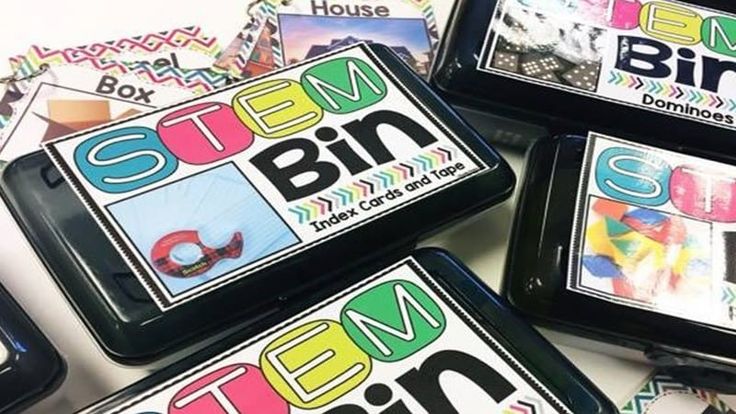
STEM bins are a fantastic tool for encouraging creative thinking and problem-solving skills in children. By providing them with a variety of materials and challenges, you can help them develop important 21st-century skills while having fun at the same time. In this article, we will discuss five ways you can use STEM bins to promote creativity and innovation in your kids or students.

1. Create Challenges

Design challenges that encourage children to think critically and innovatively. For example, challenge them to build a structure that can support a specific weight or create a device that can transport an object across a specific distance. Providing guidelines such as time limits and constraints on the materials they can use will encourage children to come up with creative solutions.

2. Encourage Collaboration

Group work is an excellent way to foster creativity, as each individual brings their unique perspective and strengths to the team. Divide your kids or students into small groups and assign them a group challenge using the STEM bins. Encourage them to discuss ideas, share experiences, and build on each other’s creativity as they work towards a common goal.

3. Make It Personal

Customize your STEM bin contents according to what resonates with your child or student’s interests. If they love animals, include items associated with different habitats or ecosystems. For kids interested in music, add materials that allow them to create their own instruments or explore sound waves. By personalizing the bin, you give them more opportunities for creative exploration.

4. Provide Reflection Opportunities

Encourage children to reflect on their experiences during the building process. Provide a selection of open-ended questions such as “What part of your structure or device do you find most interesting?” or “How did working together help you come up with new ideas?” This will allow them to analyze their thought processes, lessons learned, and how they overcame challenges.

5. Document the Learning Process

Finally, facilitate creative thinking by documenting the learning process. Create a space where kids can record their ideas, designs, and progress using photographs, drawings, or text. This documentation will serve as a roadmap for their growth and development, allowing them to trace their steps and see how they’ve evolved as creative problem-solvers.

Conclusion

Despite being simple materials at their core, STEM bins hold great potential for promoting creativity in children. By designing engaging challenges, encouraging collaboration, personalizing the content, providing reflection opportunities, and documenting the learning process, you can stimulate your child or student’s creative thinking and prepare them for real-world problem-solving situations.

Thanksgiving Science: 6 Experiments You Can Do With Food

Introduction:

Thanksgiving is not only a time to gather with loved ones and enjoy a delicious feast but also an opportunity to explore the wonders of science. With all the food on the table, it becomes an excellent platform for conducting simple yet fascinating experiments. Let’s dive into six amazing Thanksgiving-inspired science experiments you can conduct using readily available food items.

Experiment 1: Dance of the Raisins

– Items needed: Raisins, a clear glass, soda (i.e., Sprite or club soda)

– Procedure: Fill the glass halfway with soda, drop in a handful of raisins and watch them bob up and down. This happens because carbon dioxide bubbles attach to the rough surface of the raisins, causing them to float to the surface. Once they reach the surface, the gas is released, and they sink back down.

Experiment 2: Cranberry Color Changes

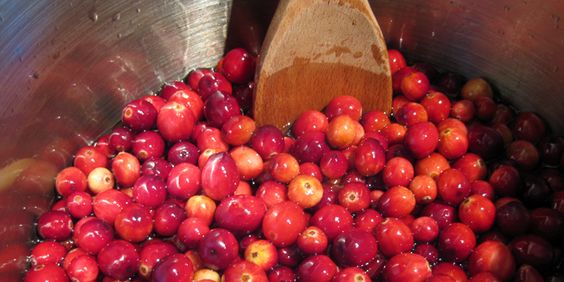
– Items needed: Fresh cranberries, baking soda, vinegar, three clear glasses

– Procedure: Fill one glass with water, another with a mixture of water and baking soda (1 teaspoon per cup), and the last one with a mixture of water and vinegar (1 teaspoon per cup). Drop some fresh cranberries into each glass and observe how their colors change based on acidity levels.

Experiment 3: Making Butter

– Items needed: Heavy cream, a jar with a lid

– Procedure: Pour heavy cream into the jar until it is half full. Tightly close the jar and shake vigorously for approximately 10 minutes or until butter forms. The agitation separates butterfat from the liquid, eventually forming solid butter.

Experiment 4: Pineapple Enzyme Magic

– Items needed: Fresh pineapple, gelatin powder, water

– Procedure: Prepare gelatin according to package instructions but add crushed fresh pineapple before letting it set in the fridge. Observe that the gelatin doesn’t set as it typically would. This is due to an enzyme called bromelain present in fresh pineapple that breaks down gelatin.

Experiment 5: Sweet Potato Propagation

– Items needed: Sweet potato, toothpicks, a jar with water

– Procedure: Suspend the sweet potato in the jar of water with toothpicks, pointed end down. Over time, watch out for roots and shoots emerging from the potato. This demonstrates how new plants can grow from vegetative propagation.

Experiment 6: Disappearing Marshmallow Experiment

– Items needed: Marshmallows, microwave-safe plate, microwave

– Procedure: Arrange several marshmallows on a microwave-safe plate, leaving space between them. Microwave on high for approximately 30 seconds and observe how they expand due to the air inside the marshmallows heating up and causing them to puff up.

Conclusion:

Thanksgiving provides a unique opportunity to turn your dining table into a makeshift science lab. These six fun and easy experiments help demonstrate various scientific principles while simultaneously fostering curiosity and learning. So go ahead, gather your family around and enjoy a Thanksgiving feast that feeds both your stomachs and your minds!

Kindergarten Teacher Gifts

As the school year comes to a close, many parents start thinking about how they can show their appreciation for their child’s kindergarten teacher. There’s no denying that teaching has been even more challenging in recent years, so it’s especially important to find meaningful and practical gifts that will truly make an impact. To help you out, we compiled this list of what kindergarten teachers really want as thank-you gifts.

1. Gift Cards

A gift card might seem impersonal, but it allows teachers to choose something they really need or want. Some popular options are Amazon, Target, or local teacher supply stores. Teachers also appreciate gift cards for coffee shops or restaurants so they can treat themselves during their limited downtime.

2. Classroom Supplies

Kindergarten classrooms go through supplies quickly, and replenishing those supplies can get expensive for teachers. Consider donating items such as markers, crayons, glue sticks, construction paper, or age-appropriate books – these are all extremely helpful to the teacher and their students.

3. Personalized Items

Teachers love receiving personalized gifts that remind them of their students. This could be a class collage made up of student artwork, a monogrammed tote bag, an engraved nameplate for their desk, or a custom photo album with pictures of the school year.

4. Relaxation Treats

Teaching is undoubtedly a stressful job, so give your child’s teacher something to help them unwind during their breaks or when they’re off-duty. Scented candles, essential oils, bath bombs, cozy blankets – any item that says “you deserve some relaxation” will be greatly appreciated.

5. Handwritten Notes

One of the most heartfelt and meaningful gifts you can give your child’s teacher is a handwritten card or note expressing your appreciation for the hard work and dedication they’ve shown throughout the year. Encourage your child to write their own message as well – teachers love to see the progress their students have made.

6. Professional Development Contributions

Continuing education is essential for teachers to stay well-informed and up-to-date in their field. A donation towards professional development courses, workshops, or conferences is a gift that keeps giving back to the teacher and their future students.

7. A Thoughtful Surprise

Sometimes, surprising your child’s teacher with a spontaneous treat can make all the difference. Bring in breakfast or a special lunch for them one day, or present them with fresh flowers to brighten up their desk – these thoughtful gestures won’t go unnoticed.

Remember, it’s the thought that counts. Whether you choose one of these suggestions or come up with your own unique idea, showing appreciation for your child’s kindergarten teacher is important and rewarding for both you and the educator who has helped shape your child’s educational journey.

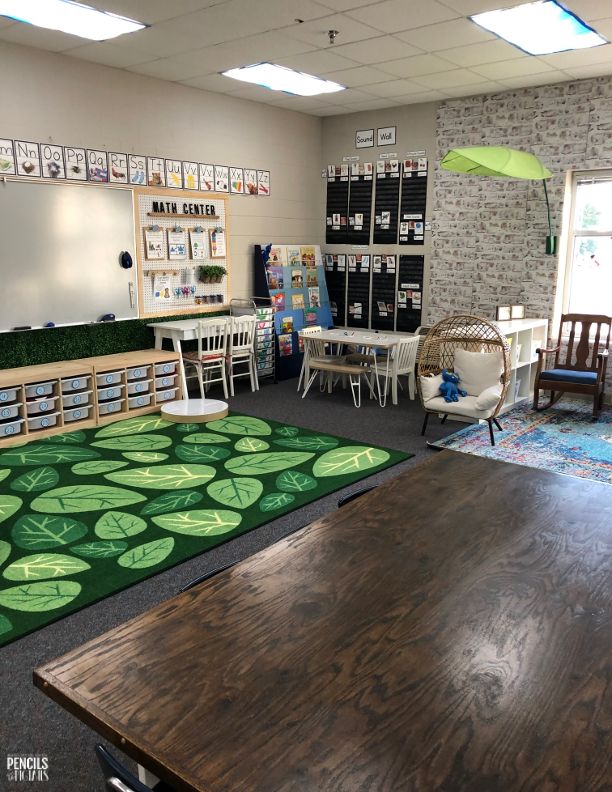
How I Create A Calm, Zen Classroom

Introduction:

A Calm, Zen classroom is essential for enhancing a student’s ability to learn, concentrate and improve overall well-being. A serene atmosphere contributes to improved cognitive function and encourages open-mindedness, empathy and discipline. In this article, I will share the effective strategies and techniques that I have employed to create a peaceful, relaxing and therapeutic environment for my students.

1. Declutter and Organize:

A clutter-free space reduces distractions and promotes focus. Regularly organizing and tidying up the classroom helps in maintaining a sense of order and calmness. This includes ensuring adequate storage solutions for supplies and creating designated areas for specific activities.

2. Incorporate Natural Elements:

Nature has a soothing effect on our minds. Adding plants, natural materials, or nature-inspired art pieces can instill a sense of serenity in the classroom. In addition, encourage natural light as much as possible by opening blinds or curtains, while considering soft lighting options for overcast days.

3. Establish a Peaceful Morning Routine:

Starting the day with a consistent mindfulness practice helps set the tone for a tranquil classroom experience. Implement mindful exercises such as deep breathing, gentle stretching or guided meditation at the beginning of each school day.

4. Create a Safe Emotional Environment:

Encourage emotional intelligence in students by promoting open communication, actively listening to their concerns, and demonstrating empathy. Establish classroom rules that emphasize mutual respect among peers.

5. Use Soft Background Music or Ambient Sounds:

Playing calming background music or nature sounds at an appropriate volume can greatly enhance students’ concentration levels while masking distractions.

6. Introduce Mindfulness Activities Throughout the Day:

Incorporate short mindfulness exercises during transition periods between tasks or classes to help students reset their focus and alleviate stressors.

7. Encourage Self-Regulation Techniques:

Teach students techniques for recognizing their emotions and managing them appropriately through self-regulation strategies, such as taking deep breaths or counting to ten when faced with intense emotions.

8. Use Visual Cues and Positive Affirmations:

Decorate the classroom walls with visual cues and affirmations that promote relaxation, positivity and a growth mindset – such as inspirational quotes, posters promoting kindness and understanding, or calming images related to nature.

9. Foster a Comfortable Seating Arrangement:

Offer students comfortable seating options like beanbags, cushions or yoga balls to encourage relaxation and attentiveness during lessons.

10. Prioritize Students’ Mental Well-Being:

Monitor student stress levels and address any causes of anxiety with appropriate support services, including counseling sessions or mindfulness programs.

Conclusion:

Creating a calm, Zen classroom is an ongoing process that requires dedication, mindfulness and empathy. Implementing these strategies encourages a serene learning environment that promotes mental well-being and maximizes the academic potential of each student.

5 STEM Books and Related Lessons Students Will Love

As technology continues to shape our lives, there has never been a better time to encourage students to explore the world of science, technology, engineering, and math (STEM). One way to pique their interest in STEM subjects is by introducing them to fascinating books that spark curiosity and inspire learning. Here are five STEM-focused books and related lesson ideas that students will absolutely love.

1. The Martian by Andy Weir

In this thrilling novel, astronaut Mark Watney is stranded on Mars after a dust storm separates him from his crew. Using his resourcefulness and knowledge of science, he attempts to survive and eventually communicate with Earth.

Lesson Idea: To complement the book’s theme, have students participate in a Mars survival project. Allow them to work in groups, research the Martian environment, and design innovative solutions for food production, water sourcing, and shelter construction on Mars.

2. Hidden Figures by Margot Lee Shetterly

Hidden Figures chronicles the untold story of African American women mathematicians known as “human computers” who played critical roles in the early days of NASA during the Space Race.

Lesson Idea: Educate students about the challenges these women faced to succeed in a male-dominated field. Then encourage students to research other unsung heroes in STEM fields and present their findings through oral presentations or multimedia projects.

3. The Immortal Life of Henrietta Lacks by Rebecca Skloot

This book tells the story of Henrietta Lacks, whose cancer cells were taken without her knowledge in 1951 and have been used since then for groundbreaking scientific research.

Lesson Idea: Teach students about cell biology by examining the HeLa cells’ extraordinary properties. Conduct a class debate to discuss bioethical issues surrounding consent for medical research using patient samples.

4. The Gene: An Intimate History by Siddhartha Mukherjee

This fascinating read offers an in-depth exploration of the history of genetics, delving into the science that has transformed our understanding of heredity and its impact on human existence.

Lesson Idea: Organize a lesson where students learn about the fundamentals of genetics, from Mendel’s laws to our current understanding of DNA and inheritance. Create a hands-on activity for students to build a DNA model and map genetic traits through various generations within a family.

5. The Boy Who Harnessed the Wind by William Kamkwamba and Bryan Mealer

This inspiring memoir recounts the story of William Kamkwambah, a Malawian teenager who built a windmill from scrap materials to power his family’s home amid an extreme drought.

Lesson Idea: Engage students in evaluating sustainable energy alternatives by studying wind turbine technology. Encourage them to design their own small-scale wind turbines using simple materials, and test their efficiency in generating electricity.

These captivating books are perfect starting points for thought-provoking lessons that will inspire students’ passion for STEM subjects. By connecting literature with real-world applications, educators can help create meaningful learning experiences that empower tomorrow’s innovators and changemakers.

Latest Posts