Pedagogue Blog

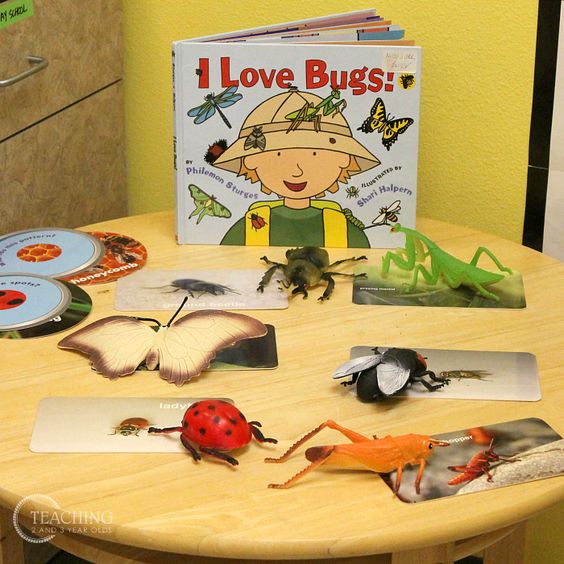
Critters in the Classroom: Bugs, Insects and Other Creepy Crawly Kits

Introduction

For many children, their first encounter with insects and bugs is often characterised by fear or disgust. But, educators are now introducing critters into the classroom as an effective way to pique curiosity among students and use their natural interest to engage in hands-on learning. In this article, we will explore the advantages of using creepy crawly kits in the classroom, and discuss some popular programs that can enhance students’ understanding of these fascinating creatures.

Benefits of Using Critter Kits in the Classroom

1. Boosts Curiosity: Insects and bugs capture students’ attention due to their unique appearances, characteristics, and habitats. This curiosity acts as a driving force for exploring biology, ecology, and environmental studies.

2. Encourages Hands-On Learning: Creepy crawly kits provide the opportunity for students to interact with live specimens, enabling meaningful connections between theory and practical experiences.

3. Develops Empathy: By studying these creatures more closely, students can develop empathy and respect for all living beings regardless of size or appearance.

4. Enhances Problem Solving Skills: Students must learn how to care for and manage these delicate habitats, which enhances critical observation skills as well as problem-solving strategies essential for success in STEM fields.

Popular Creepy Crawly Classroom Programs

1. Butterfly Kits: Students can observe the captivating metamorphosis process from caterpillar to butterfly with these kits. The hands-on experience helps students understand insect growth cycles while creating memorable lessons about life science.

2. Ant Farms: With ant farms, children observe a colony’s social hierarchy, tunnel digging habits, and collaborative community efforts that can lead to discussions about cooperation and teamwork.

3. Earthworm Habitats: These eco-friendly habitats provide a safe environment for earthworms while illustrating decomposition processes that are vital for soil health – a key element in owning a successful garden.

4. Preying Mantis Kits: With these kits, students witness the predatory behavior and adaptive camouflage skills that make mantises a fascinating subject for studying adaptation and natural selection.

5. Ladybug Life Cycle Kits: Students learn about the complete life cycle of ladybugs from larvae to adults. By exploring their role as natural pest controllers, children appreciate the importance of beneficial insects in our ecosystem.

Conclusion

Incorporating bugs, insects, and other creepy crawly kits into classrooms can offer students unparalleled opportunities for direct engagement with the natural world. This exciting approach to teaching science can inspire curiosity, empathy, and respect among the students while simultaneously reinforcing important lessons about life cycles, ecosystems, and biodiversity. After all, our tiniest neighbors on this planet have plenty to teach us – if we’re willing to invite them into our classrooms.

What to Do When a Student Self-Harms – Advice

Introduction:

As educators, we are often the first-line witnesses of our students’ emotional and mental well-being. One challenging issue that may arise in school settings is self-harm. Self-harm refers to a deliberate act of causing physical harm to oneself, usually as a means to cope with emotional distress. In this article, we will discuss the steps educators can take when faced with this difficult situation.

1. Recognize the signs:

The first step in addressing self-harm is recognizing the warning signs. Common indicators may include frequent unexplained injuries, inappropriately dressed for weather (e.g., consistently wearing long sleeves in hot weather), social withdrawal, and sudden changes in behavior or academic performance.

2. Approach with sensitivity:

If you suspect a student is self-harming, approach them in private and express your concern in an empathetic and non-judgmental manner. Use supportive language and avoid blaming or shaming the student. Remember that your role is not to diagnose or treat but rather to offer help.

3. Listen and validate:

When talking with the student, it’s essential to listen attentively and validate their feelings without condoning the self-harming behavior. It can be helpful to reiterate your concern for their well-being and acknowledge their courage in discussing such a personal issue.

4. Encourage professional help:

While it’s essential to provide support as an educator, it’s equally important to direct the student towards professional assistance. Suggest that they speak with a school counselor, mental health professional, or another trusted adult who can help address their distress.

5. Notify relevant parties:

In cases of suspected self-harm, it’s crucial to notify relevant parties such as parents or guardians and school administrators so they can provide additional assistance or resources. Always follow your school’s reporting procedures and maintain confidentiality.

6. Create a safe environment:

Work collaboratively with other school staff members to create an environment that fosters a sense of belonging and safety for all students. Encourage open communication and implement social-emotional learning programs to promote mental well-being and resilience.

7. Monitor progress:

Following your initial intervention, monitor the student’s progress by staying connected and maintaining open lines of communication. Offer continued support as needed and encourage them to engage in positive coping mechanisms.

In conclusion, as an educator, it’s essential to recognize the warning signs of self-harm and take action in a supportive and empathetic manner. By following these steps, you can help students who self-harm find the support they need to overcome their distress, build resilience, and develop healthier coping strategies. Remember that you are not alone in this journey; work closely with other school staff members and mental health professionals on your path to supporting students effectively.

Want To Support Your Teachers’ Mental Health? 7 Mistakes To Avoid

As schools and educational institutions focus on providing quality education, the mental health of teachers often goes unnoticed. With increasing workload and emotional challenges, it’s essential to support and nurture educators’ mental well-being. To achieve this, here are seven mistakes to avoid when addressing teachers’ mental health.

1. Ignoring the importance of teacher mental health

It’s crucial to acknowledge the significance of teachers’ mental health in a thriving educational environment. Failing to do so leads to more stress, burnout, and reduced productivity among educators. This can negatively impact both the students and the overall ambiance of the school or institution.

2. Neglecting work-life balance

Teaching is an incredibly demanding profession that often requires extra hours outside of school for grading, lesson planning, and attending meetings. It’s imperative that school administrators recognize this challenge and help teachers foster a healthy work-life balance by discouraging excessive workload, offering flexible schedules when possible, and encouraging personal time off.

3. Overlooking professional development needs

Just like any other professional, teachers need consistent growth opportunities to stay motivated and engaged in their career. A lack of these opportunities can lead to job dissatisfaction, affecting their overall mental well-being. Providing regular chances for professional development will not only help improve teachers’ mental health but also benefit the students with high-quality teaching methods.

4. Failing to create a supportive community

Teachers face a range of emotions every day – from frustration to joy – which can become overwhelming if they lack a supportive community. Create a safe space where educators can freely discuss their needs, concerns, and achievements without fear of judgment or repercussions.

5. Ignoring signs of stress or burnout

Pay attention to visible changes in a teacher’s behavior that may indicate stress or burnout – such as increased irritability, withdrawal from social activities, or reduced productivity. Early intervention, through mental health resources or open discussions, can help prevent these issues from escalating.

6. Disregarding the importance of counselor availability

School counselors can provide much-needed support to teachers by offering advice on self-care and coping strategies. Ensuring that every school has an accessible counselor helps create a holistic environment for educators to thrive.

7. Insufficient communication channels

Effective communication is vital in addressing the needs and concerns of educators. Open lines of communication within the school allow teachers to voice their concerns and receive needed support from administrators, further promoting a healthy workplace.

In conclusion, it’s essential to recognize that a supported and mentally healthy teaching staff plays a vital role in creating and maintaining a high-quality education environment. By avoiding these seven mistakes, schools can better nurture the mental well-being of their educators – ultimately benefiting the entire school community.

Our Favorites from J. Crew, Plus a Teacher Discount!

Introduction:

J. Crew has long been a go-to brand for timeless and stylish clothing, offering a range of classic pieces and modern twists on wardrobe staples. In this article, we will explore some of our favorite finds from J. Crew, along with an exciting bonus for teachers who are looking to update their wardrobe – a generous discount!

Our Top Picks from J. Crew:

1. The Everyday Cashmere Sweater: This soft cashmere sweater is a perfect addition to your wardrobe. Available in various colors and styles – including crewneck, V-neck, and turtleneck options – it is as versatile as it is comfortable.

2. The Ludlow Suit: A well-fitting suit is essential for every wardrobe, and the Ludlow suit fits the bill. With its slim cut and quality materials, this suit offers a polished look for any formal event or business meeting.

3. The Regent Blazer: A classic blazer never goes out of style, and the Regent blazer embodies timeless sophistication. Its tailored fit and high-quality fabric make it a must-have piece for both work and special occasions.

4. The Vintage Straight Jean: Bored of skinny jeans? Try J. Crew’s Vintage Straight Jean, which offers a comfortable yet flattering fit in various washes that cater to everyone’s taste.

5. The Striped Boatneck T-Shirt: A staple in any wardrobe, this classic striped boatneck tee never fails to impress with its simple elegance and versatility.

Teacher Discount:

As an added perk for teachers who want to update their wardrobe with these stylish choices, J. Crew offers a 15% discount on purchases made both in-store and online! To take advantage of this fantastic deal, simply present a valid school ID at the checkout counter or verify your credentials through the J. Crew website when shopping online.

Conclusion:

J. Crew offers an array of fashion-forward pieces that are perfect for updating any wardrobe, and their teacher discount makes it even easier to invest in these timeless styles. Don’t miss the opportunity to explore our favorites from J. Crew and elevate your wardrobe with these must-have items!

26 Books About Activism & Speaking Up for Young Readers

As the saying goes, children are our future, and inspiring them to stand up for what they believe in is crucial. Our world is full of injustice, inequality, and issues that affect us all. By teaching young readers about activism and speaking up, they can begin to understand how their voices can be used to make change. Here are 26 must-read books about activism and speaking up for young readers:

1. “The Youngest Marcher” by Cynthia Levinson

2. “We Rise, We Resist, We Raise Our Voices” edited by Wade Hudson and Cheryl Willis Hudson

3. “Rad American Women A-Z” by Kate Schatz

4. “Little Leaders: Bold Women in Black History” by Vashti Harrison

5. “Sometimes People March” by Tessa Allen

6. “Greta and the Giants” by Zoë Tucker

7. “Malala’s Magic Pencil” by Malala Yousafzai

8. “I Am Rosa Parks” by Brad Meltzer

9. “The Pink Umbrella” by Jonas Sickler

10. “Be Kind” by Pat Zietlow Miller

11. “Wangari’s Trees of Peace: A True Story from Africa” by Jeanette Winter

12. “The Power of One: Every Act of Kindness Counts” by Trudy Ludwig

13. “Come with Me” by Holly M. McGhee

14. “Say Something!” by Peter H. Reynolds

15. “No Voice Too Small: Fourteen Young Americans Making History” edited by Lindsay H. Metcalf, Keila V Dawson, and Jeanette Bradley

16. “She Persisted: 13 American Women Who Changed the World” by Chelsea Clinton

17. “One Love” adapted by Cedella Marley

18. “I Dissent: Ruth Bader Ginsburg Makes Her Mark” by Debbie Levy

19. “The World Needs More Purple People” by Kristen Bell and Benjamin Hart

20. “Giovanni’s Room” by James Baldwin

21. “My Best Friend, Abe Lincoln” by Robert L. Bloch

22. “A is for Activist” by Innosanto Nagara

23. “Rosa” by Nikki Giovanni

24. “All Are Welcome” by Alexandra Penfold and Suzanne Kaufman

25. “What Can a Citizen Do?” by Dave Eggers

26. “Counting on Community” by Innosanto Nagara

These 26 books not only educate young readers about important historical events and figures in activism, but they also help to empower them, showing that anyone can make a difference, no matter their age or background. With themes that touch on kindness, community, resilience, and self-belief, these books inspire a new generation of activists to stand up for what’s right and use their voices to promote positive change in the world.

Help! My Own Students Threatened Me: A Disturbing Reality for Educators

Introduction

Education is a vital aspect of any flourishing society, and teachers play a prominent role in shaping the minds and lives of future generations. However, an alarming issue has emerged within the educational sphere: students threatening their own teachers. In this article, we delve into the reasons behind this issue, its impact on teachers, and possible solutions to address this problem.

Causes of Student Threats

1. Improper upbringing: Some students may have been raised in an environment that lacks respect for authority figures. This upbringing could translate into challenging or threatening behavior directed toward teachers.

2. Mental health issues: Students struggling with mental health problems, such as anxiety or depression, may feel overwhelmed by academic demands and lash out at educators as a result.

3. Peer influence: Students may engage in threatening behavior due to peer pressure or the desire to fit in with a particular social group.

4. Media influence: The depiction of violence in movies, television shows, and video games might desensitize students to aggressive behavior and contribute to them adopting a similar attitude towards their teachers.

Impact on Teachers

1. Psychological stress: Threats from students can cause immense psychological stress for educators, leading to anxiety, depression, burnout, and even post-traumatic stress disorder (PTSD).

2. Fear for personal safety: Teachers may become fearful of their students, leading to difficulties in establishing a trusting and nurturing educational environment.

3. Declining career satisfaction: The constant threat of violence can result in diminished job satisfaction and potentially drive capable educators out of the teaching profession altogether.

Solutions

1. Mental health support: Providing accessible mental health services for both students and teachers can help address underlying issues and foster better emotional well-being.

2. Parental involvement: Encouraging parents to take an active role in promoting positive values and respect for authority can lead to a healthier school environment.

3. Conflict resolution training: Teaching students effective conflict resolution techniques can help avoid the escalation of tense situations and reduce the likelihood of threats being made.

4. Enhanced security measures: Investing in improved security measures, such as security cameras and increased staff presence, can help deter aggressive behavior and ensure that teachers feel safe in their workplace.

Conclusion

The issue of students threatening their teachers is a pressing concern that requires immediate attention. By understanding the root causes, recognizing the impact it has on educators, and implementing solutions to address this disturbing reality, we can work together to create a safe and nurturing environment for both teachers and students.

Our Kids Are Spending Less and Less Time Outside—Why That Matters

Introduction:

In today’s age of technology and rushed schedules, it seems that children are spending less time experiencing the great outdoors than ever before. This decline in outdoor play has far-reaching implications for children’s physical, social, emotional, and cognitive development. In this article, we will explore the reasons behind this trend and discuss why it’s crucial for kids to spend more time outside.

The Decline of Outdoor Play:

There are a number of factors contributing to the decline in children spending time outdoors. A few of these factors include:

1. The rise of technology: With countless gadgets and devices at their disposal, children often opt for screen time over playing outside.

2. Fear of stranger danger: Parents have become increasingly concerned about the safety of their kids while playing unsupervised in public spaces.

3. Over-scheduled lives: Many families have hectic routines, leaving little room for free play and exploration outdoors.

The Benefits of Outdoor Play:

It’s important to recognize the crucial role outdoor play has in a child’s overall development. Some benefits include:

1. Physical health: Playing outside helps promote gross motor skills, builds stronger bodies, and decreases the risk of obesity.

2. Social skills: As kids interact with peers, they learn how to communicate, share, take turns, and resolve conflicts effectively.

3. Emotional well-being: Spending time in nature has been shown to reduce stress levels, lower anxiety, and boost self-esteem.

4. Cognitive development: Unstructured play helps kids think critically, fosters creativity, and improves problem-solving abilities.

Encouraging Outdoor Playtime:

As parents and caregivers, there are a few steps we can take to encourage our kids to spend more time outdoors:

1. Create a safe outdoor space: Ensure that your yard or nearby parks provide a secure environment where kids can explore without fear.

2. Limit screen time: Set boundaries for the amount of time your child spends on electronic devices, and promote alternative activities.

3. Encourage participation in outdoor activities: Enroll your child in sports or join local clubs that regularly partake in nature-based activities.

4. Be a role model: Show enthusiasm for spending time outside and participate in outdoor activities with your child.

Conclusion:

It is essential that as a society, we encourage our kids to take off their virtual goggles and step into the real world of trees, grass, sun, and dirt. By understanding the importance of outdoor play and taking steps to promote it, we can help raise healthier, happier, and more well-rounded children who are more likely to become stewards of our planet.

20 Comfy Loungewear Pieces That Work in the Classroom, Too

In recent years, the line between loungewear and everyday clothing has become increasingly blurred. With comfort at the forefront of fashion trends, it’s no surprise that many people are seeking out versatile loungewear pieces that can transition effortlessly from home to the classroom or office. Here, we’ve rounded up 20 comfy loungewear items that you can confidently wear in the classroom, so you don’t have to compromise on comfort or style.

1. Joggers: A stylish pair of joggers with a tapered fit can add a touch of sophistication while maintaining ultimate comfort.

2. Oversized Sweaters: A loose-fitting knit sweater is cozy and stylish, perfect for pairing with leggings or jeans.

3. Leggings: High-quality leggings with the right balance between comfort and support can make an excellent addition to your school attire.

4. Hoodies: Opt for a fitted hoodie in a solid color to maintain a polished look while staying warm and comfortable.

5. Cardigans: A long, open-front cardigan is a versatile layering piece that adds style and sophistication to any outfit.

6. Sweatshirts: Choose sweatshirts with unique details like decorative stitching or patterns to elevate your casual ensemble.

7. Henley Shirts: A classic henley shirt can be dressed up or down, making it an excellent choice for both classwork and lounging.

8. Jumpsuits: Opt for a comfortable jumpsuit in a flowy fabric that you can dress up with minimal accessories.

9. Palazzo Pants: With their wide-leg fit, palazzo pants offer freedom of movement while still looking chic and polished.

10. Drop Shoulder Tops: A loose-fitting top with dropped shoulders adds laid-back style to your classroom wardrobe without sacrificing comfort.

11. Wrap Dresses: A soft wrap dress provides a put-together appearance while feeling like you’re wearing your coziest bathrobe.

12. Tunics: Worn with leggings or slim-fit jeans, a tunic is an effortlessly stylish option for both work and relaxation.

13. Harem Pants: Relaxed and stylish, harem pants give you the comfort of loungewear with a more fashionable edge.

14. Kimonos: Lightweight kimonos add visual interest to your outfit while providing an extra layer of warmth on chilly days.

15. Athleisure Skirts: A stretchy, athleisure-inspired skirt offers functional style and practicality both in and out of the classroom.

16. Shirtdresses: The ultimate marriage of comfort and professionalism, a shirtdress is a must-have for any teacher’s wardrobe.

17. Ponte Pants: With the appearance of dress pants but the comfort of leggings, ponte pants are perfect for the classroom environment.

18. Fleece-lined Tights: For colder weather, fleece-lined tights add extra warmth and comfort when paired with dresses or skirts.

19. Ballet Flats: Consider swapping your standard shoes for cushioned ballet flats to maintain all-day comfort while upholding a professional look.

20. Denim Jackets: A classic denim jacket adds a casual touch to your outfit while still keeping you warm throughout the school day.

When it comes to staying comfortable in the classroom, the key is finding pieces that balance style and function. By incorporating these 20 comfy loungewear choices into your wardrobe, you’ll enjoy the feeling of wearing your coziest home clothes without compromising your professional appearance.

The Two Questions Principals Need to Ask to Keep Great Teachers

Great teachers play a vital role in shaping the future of our children. They are the foundation for cultivating the passion for learning and motivating students towards academic success. As a principal, it’s crucial to retain talented and dedicated professionals within your school ecosystem. But how can principals ensure that their best educators remain in the team?

Here are two essential questions that principals need to ask themselves to keep their outstanding faculty members on board and continuing to make a positive impact on their school community.

1. Are We Providing Adequate Support for Our Teachers?

The first question that principals must ask themselves is whether they are offering sufficient support for their exceptional educators. Teachers face multiple challenges daily, such as managing a diverse classroom, dealing with the ever-changing curriculum, and meeting professional standards. They need adequate resources, opportunities for collaboration, and a supportive environment where they can grow professionally.

To provide this support, principals must:

– Offer ongoing professional development: Facilitate opportunities for teachers to enhance their skills, deepen their subject knowledge, and learn new pedagogical practices.

– Encourage collaboration: Foster a culture where teachers openly share ideas and techniques to elevate classroom experiences.

– Provide resources: Ensure that teachers have access to relevant materials to assist them in developing engaging lesson plans and navigating changes in educational policies.

– Listen to teachers’ concerns: Develop open lines of communication so that teachers can raise issues they face in daily teaching experiences.

2. Do We Recognize and Reward Outstanding Performance?

The second key question that principals should reflect on is whether they value exceptional teachers by acknowledging their accomplishments and rewarding their hard work. Providing recognition and rewards can be both intrinsic (appreciation) and extrinsic (incentives).

To recognize and reward great teachers effectively, principals can take the following steps:

– Offer regular feedback: Make it a priority to observe classrooms and provide constructive feedback that acknowledges teachers’ strengths and areas for improvement.

– Celebrate successes: Create opportunities to showcase exceptional work, highlight accomplishments in staff meetings, or exhibit innovation in the classroom.

– Provide monetary incentives: Offer competitive salaries, bonuses, and opportunities for career advancement for teachers who consistently perform at a high level and demonstrate commitment to their profession.

– Cultivate a culture of appreciation: Express gratitude through words of affirmation and other tokens of appreciation that show teachers they are valued members of the team.

In conclusion, retaining talented educators is crucial for a successful school. By asking themselves these two questions, principals can address the needs of great teachers and foster a supportive and appreciative environment where they will thrive. Ultimately, this will benefit not only the school community but also contribute to fostering lifelong learners among students.

What Is Coopetition, and Why Does It Belong in the Classroom?

Introduction:

Coopetition is a relatively new term coined from combining the words ‘cooperation’ and ‘competition.’ In today’s fast-paced world, where collaborative efforts and competitive spirit drive success, coopetition has emerged as an essential strategy. This article will discuss the concept of coopetition, its benefits, and why it is crucial to incorporate it into the classroom.

Defining Coopetition:

Coopetition is a unique and innovative strategy based on the simultaneous principles of cooperation and competition. The idea behind this model is to encourage individuals and organizations to work together while maintaining a sense of healthy competition among them. This approach fosters creativity, innovation, and resource optimization.

Benefits of Coopetition:

There are numerous benefits to employing coopetition in various settings, including classrooms. Some of these benefits include:

1. Enhanced learning outcomes: Cooperation and collaboration allow students to share knowledge, skills, and resources, ultimately leading to improved learning outcomes.

2. Balanced competition: Coopetition maintains a sense of healthy competition in group activities while avoiding excessive rivalry or negative behaviors that can be detrimental to learning.

3. Improved problem-solving skills: By working together and combining diverse perspectives, students develop better problem-solving skills.

4. Innovation and creativity: Coopetition provides an environment where students are encouraged to think creatively and explore new ideas within their team.

5. Development of interpersonal skills: Students learn how to communicate effectively, negotiate, compromise, and resolve conflicts within their cooperative groups.

Integrating Coopetition into the Classroom:

To successfully implement coopetition in the classroom setting, educators must consider the following steps and strategies:

1. Create cooperative projects: Design group activities where students work together while competing with other teams on academic tasks or extracurricular activities.

2. Establish clear roles and responsibilities: Assign specific roles to students within their teams, ensuring that every member is engaged and contributes to the group’s success.

3. Encourage communication and collaboration: Regularly provide opportunities for students to discuss their team’s progress, share ideas, and solve problems together.

4. Set goals and track progress: Establish clear objectives for each group activity, and regularly assess students’ performance to gauge their progress and provide feedback.

5. Celebrate successes and learn from failures: Acknowledge the accomplishments of each team and analyze any setbacks or strategies that didn’t work, helping students learn from them.

6. Promote sportsmanship and respect: Instill in students the importance of respecting their opponents, being gracious in victory or defeat, and maintaining a positive attitude throughout the whole learning process.

Conclusion:

Incorporating coopetition into classroom settings is an effective way to create a learning environment that fosters creativity, collaboration, innovation, and healthy competition. By carefully designing cooperative projects, setting goals, encouraging communication, and promoting sportsmanship, educators can help students develop essential skills for success both inside and outside the classroom.

Why Inclusive Sex Ed Is So Important

Introduction

In today’s world, we are witnessing rapid changes in society’s understanding and acceptance of various sexual orientations, gender identities, and relationships. While strides have been made in recent years, many educational systems have been slow to keep up with these developments. Inclusive sex education is crucial because it helps ensure that all young people feel seen, supported, and knowledgeable about their bodies and their choices. This article will discuss the importance of inclusive sex education and explore its benefits for individuals and society as a whole.

Creating Safe Spaces for Dialogue

A key aspect of inclusive sex education is the creation of safe spaces where all students feel comfortable expressing their thoughts, feelings, and concerns. Traditional sex education often focuses on heterosexual relationships and cisgender bodies, which can alienate those who do not fit within these restrictive categories. By widening the conversation to include diverse voices, educators can foster a more open and nuanced understanding of human sexuality. This approach ultimately creates a more supportive environment where students can trust one another and seek guidance as they navigate through adolescence and young adulthood.

Breaking Down Stereotypes

Inclusive sex ed helps dispel misconceptions surrounding different sexual orientations and gender identities. Many people have limited exposure to LGBTQ+ individuals or relationships outside of media portrayals that often perpetuate harmful stereotypes. By incorporating diverse perspectives into the curriculum, educators can help to demystify LGBTQ+ experiences and encourage empathy among students.

Addressing Consent & Boundaries

Traditional sex education often emphasizes abstinence or contraception without delving into the complexities of consent or healthy relationship dynamics. Inclusive sex ed prioritizes discussions around boundaries, consent, communication skills, and the importance of mutual respect within relationships. This holistic approach better prepares students for navigating complex interpersonal situations in their lives, regardless of their gender or sexual orientation.

Promoting Mental Health

Inclusive sex education has significant mental health benefits for all students. For instance, it helps to mitigate feelings of shame and guilt that many young people experience regarding their sexuality. By creating an environment where students feel empowered to ask questions and explore diverse identities, inclusive sex ed can contribute to a reduction in anxiety, depression, and self-harming behaviors.

Reducing Discrimination

Understanding the importance of inclusivity in sexual education is also essential for reducing instances of bullying and discrimination within schools. By educating students about different gender identities and sexual orientations, we encourage a more accepting atmosphere and help prevent marginalization. This approach can ultimately lead to a reduction in hate incidents and create a safer learning environment for all students.

Conclusion

Inclusive sex education is vital for fostering understanding, empathy, and support among young people. By addressing the unique needs and experiences of individuals from diverse backgrounds, we can promote psychological well-being, build a more empathetic society, and work towards an ultimate goal of reducing discrimination and violence for everyone. It is crucial that educators recognize the value of inclusive sex education and strive to incorporate it into their curriculums.

School Air Quality

Introduction:

As an educator, you probably spend most of your day inside the four walls of a school building. But have you ever stopped to think about the air quality inside your facility? Poor air quality can have a significant impact on both teachers and students alike, causing various health issues and impacting overall academic performance. Here are eight signs that you may be teaching in a “sick building” with poor air quality:

1. Unexplained Allergies or Respiratory Issues

If students or staff experience unexplained allergies, sinus infections, or respiratory problems such as asthma, this could be an indication that the air within the building is contaminated with pollutants or mold spores.

2. Frequent Headaches and Fatigue

Consistent headaches, dizziness, or fatigue among students and teachers can be attributed to poor air quality. Increased levels of carbon dioxide and volatile organic compounds (VOCs) in classrooms may lead to these symptoms.

3. Musty or Unpleasant Odors

A strong musty smell or other unpleasant odors could signal a moisture problem, which often results in mold growth. This can significantly impact indoor air quality and should be addressed immediately.

4. Humidity Issues

High humidity can foster bacteria, dust mites, and mold growth – all of which contribute to poor indoor air quality. If you notice condensation on windows or other surfaces due to humidity imbalances, it’s time to address this issue in the school building.

5. Persistent Coughing

Respiratory irritation due to dust particles, irritants from cleaning chemicals, and mold spores may cause students or fellow staff members to develop persistent coughs that last for weeks.

6. Spikes in Absenteeism

When the air quality is unhealthy within the school environment, there may be an increased number of absences due to illness. Be sure to monitor these trends and assess possible links to the building’s air quality.

7. Peeling Paint or Water Damage

Peeling paint and water-damaged areas are potential signs of moisture problems within the building. These issues can lead to mold growth, which significantly affects indoor air quality.

8. Ventilation Issues

If there is inadequate ventilation in your school building, this can aggravate existing air quality issues by not providing sufficient fresh airflow into the rooms. Inspect for blocked vents, dusty filters, or inadequate circulation to address this problem effectively.

Conclusion:

Ensuring healthy indoor air quality is crucial for the well-being of both students and educators. If you notice any of these signs, it’s essential to notify the school administration and work together to implement appropriate measures that improve air quality and create a healthier learning environment for everyone involved.

Latest Posts