Pedagogue Blog

Crazy Things People Say to Teachers (And How to Respond)

Introduction:

Teaching is an incredibly rewarding profession, but it can also come with its fair share of challenges, including the occasional strange or inappropriate comment from people who may not fully understand the importance of their role. In this article, we will explore some of the craziest things people say to teachers and the best ways to handle these potentially awkward situations.

1. “Those who can’t do, teach.”

Response: The saying “Those who can’t do, teach” implies that teachers are not capable of excelling in their field. However, many teachers have a deep understanding and mastery of their subject area. A polite response can be: “Actually, teaching requires a strong grasp of the subject matter and the ability to break down complex concepts for students to understand. It’s an important skill that I am proud to have.”

2. “You’re just a glorified babysitter.”

Response: This statement undermines the significance of a teacher’s role in shaping children’s lives. Respond with: “Teachers don’t just monitor students; we guide them on their educational journey by providing them with valuable knowledge and life skills that will help them succeed outside the classroom.”

3. “You must love having summers off!”

Response: While teachers do get a summer break, they often spend time preparing for the next school year or participating in professional development. You can reply with: “While it’s true that we get some time off during the summer, many teachers use that time for professional growth or planning for the next academic year.”

4. “My taxes pay your salary; you work for me!”

Response: Instead of getting defensive, acknowledge their point but provide perspective on your role as a public servant by saying: “I appreciate that your taxes contribute toward my salary; as a teacher, my priority is providing the best possible education for all students entrusted to my care.”

5. “You must be so happy to have such an easy job!”

Response: Teaching is a demanding and challenging profession that requires significant amounts of planning, professional development, and passion. Respond with something like: “Teaching is rewarding, but it can also be quite challenging. The hours spent planning lessons and providing individual support to students can be taxing, but seeing our students grow makes it all worth it.”

Conclusion:

While the phrase “sticks and stones may break my bones, but words will never hurt me” may hold some truth, the reality is that poorly chosen words can sting – especially when they come from a place of ignorance or misunderstanding. By responding with grace and professionalism, teachers can help to educate others about the immense value their profession holds and hopefully prevent further inappropriate comments in the future.

45 8th Grade Engineering Projects To Prepare For High School

As students approach the transition from middle school to high school, it’s important to expose them to engineering projects that will spark their curiosity and set the foundation for future success. This list features 45 engineering projects suitable for 8th-graders, which will cultivate critical thinking and problem-solving skills. These projects are aimed at helping students delve deeper into various fields of engineering and further develop interests in high school courses.

1. Building a Mini Catapult

2. Creating a Simple Electric Motor

3. Designing a Wind Turbine Model

4. Crafting an Egg Drop Protection Device

5. Building a Solar Oven

6. Designing an Earthquake-Resistant Building

7. Creating a Water Filtration System

8. Constructing Paper Bridges

9. Programming an Arduino-Based Robot

10. Developing a Model Hovercraft

11. Designing a CO2-Powered Car

12. Constructing a Mini Greenhouse

13. Launching Water Rockets

14. Crafting Bristlebots

15. Building Cardboard Marble Mazes

16. Designing Homemade Musical Instruments

17. Creating LED Flashlights

18. Constructing Hand-Crank Generators

19. Miniature Biogas Plant Project

20. Penny Boat Challenge

21. Exploring Parachute Designs

22. Investigating the Archimedes Screw Pump

23. Creating and Testing Insulated Drink Containers

24. Modeling Holograms with Smartphone-Projected Images

25. Building Popsicle Stick Bridges

26. Conducting Solar Water Purification Experiments

27. Verifying the Bernoulli Equation with DIY Open Channel Flow Experiments

28. Interlocking Eco Bricks for Waste Management Solutions

29. Rube Goldberg Machine Challenge

30. Sustainable Wildlife Habitat Design Project

31. Eco-Friendly Lawn Sprinkler System Design

32. Exploring Hydropower with Waterwheel Construction

33. Designing Wave Energy Generators

34. PDMS-Based Soft Robotic Gripper Challenge

35. Edible Car Design Contest

36. Magnetic Levitation Train Model

37. Wearable Technology Fashion Show

38. Chemically-Driven Radiators with Thermoelectric Cooling Experiments

39. Geodesic Dome Construction

40. Design and Build a Foosball Table

41. Rainwater Collection System Design Project

42. Automated Plant Watering System with Arduino

43. Design of Gravity-Powered Machines

44. Assembling DIY Battery Storage Systems

45. Thermal Insulation Material Challenge

These 45 engineering projects encompass a wide range of disciplines, such as mechanical, electrical, civil, environmental, and materials engineering. They emphasize real-world applications and encourage students to explore new concepts. Encouraging young learners to participate in these exciting, hands-on engineering projects will better prepare them for what awaits in high school and beyond.

20 Cool Climate Change Activities to Get Your Students Engaged

Introduction:

As educators, it’s essential to engage students in discussions and activities around critical issues affecting our planet. Climate change is one such challenge that students must understand and explore, given its impact on our environment, health, and future generations. In this article, we’ve compiled a list of 20 cool climate change activities that will not only educate students but also inspire them to take action!

1. Carbon footprint calculator: Introduce your students to the concept of their personal carbon footprint and help them calculate it using online tools.

2. Plant a school garden: Teach students about sustainable agriculture by planting a shared garden with climate-resilient plants.

3. Recyclethon: Organize a recycling competition between classes to see which group can collect the most recyclable materials in a given time.

4. Green energy research: Assign individual or group projects on renewable energy sources and their potential benefits.

5. Community clean-up drive: Coordinate a clean-up activity in your local community, emphasizing the importance of minimizing pollution.

6. Documentary screenings: Show engaging documentaries or short films on climate change-related topics.

7. Inviting guest speakers: Invite environmental experts or activists to share their knowledge and experiences with your students.

8. Energy-conservation posters: Ask students to create posters promoting energy conservation practices they can implement at home and school.

9. Supporting climate-friendly businesses: Encourage students to research local companies that promote sustainable practices or offer eco-friendly products.

10. Hosting debates: Arrange regular discussions and debates around various topics related to climate change, allowing students to develop critical thinking skills while exploring different perspectives.

11. Weather tracking charts: Have students collaborate on tracking daily weather data, identifying trends over time, and discussing their implications for climate change.

12. Climate change infographics: Encourage creative visual representation of climate change data by having students make infographics using digital tools or traditional arts materials.

13. Sustainable cook-off: Organize a sustainable meal competition for students to practice cooking with locally sourced and low-carbon ingredients.

14. Food waste audit: Teach students about the environmental impact of food waste by conducting a waste audit and identifying strategies to reduce waste in the cafeteria.

15. Upcycling crafts: Conduct workshops on creating art and functional items using recyclable materials, promoting resource conservation.

16. Green careers exploration: Ask your school career counselor to integrate green career options into regular career guidance programming or organize a panel of professionals working in sustainable industries.

17. Climate story sharing: Create opportunities for students to share personal stories, experiences, or opinions related to climate change, fostering empathy and solidarity among classmates.

18. Developing eco-friendly school policies: Encourage students to propose changes in school policies that promote sustainability, such as reducing plastic use or incorporating green energy sources.

19. Letters to legislators: Help your students write letters urging local, national, and global leaders to act on climate change mitigation and adaptation efforts.

20. Climate walk: Arrange a nature walk that culminates in students discussing the impact of climate change on local ecosystems and identifying actions needed to preserve them.

Conclusion:

By incorporating these engaging activities into your curriculum, you can foster an understanding of climate change topics while encouraging students to participate in different efforts towards combating this global issue. Through curiosity-driven education, they will gain the knowledge and motivation necessary to make a positive impact on our planet’s future.

Supporting Seniors Through The College Application Crunch Time

As high school seniors around the nation prepare for the college application process, stress and anxiety levels are at an all-time high. This is a crucial time not only for students, but also for parents and educators who play essential roles in providing support during this challenging period. With so many elements to take into consideration, from choosing the right major to preparing resumes and essays, it’s crucial to help seniors navigate this complex stage of their lives.

One of the most significant ways to support seniors through the college application crunch time is to ensure they have well-rounded advice. Communicate with them frequently, ask about their concerns, and encourage them to reach out to teachers or counselors should they need any help within academic matters.

Start by establishing a timeline with deadline reminders. A solid plan that outlines each milestone will provide direction and prevent any sense of being overwhelmed from final exams to extracurricular activities. Guide students in developing personalized application timelines which highlight all important deadlines such as early decisions and regular applications.

Additionally, provide tips and strategies on managing stress during the college application process. From maintaining a healthy work-life balance to taking self-care breaks; remind them that their mental wellbeing is just as important as submitting excellent applications.

Another way to extend helping hands for seniors is by setting up practice sessions for standardized tests like the SAT or ACT. Offering resources or tutoring can directly impact their performance in these exams, which often serve as key factors in securing admissions into desired colleges.

Organizing informational workshops about financial aid and scholarships can also be a huge help. Many prospective college students are unsure about how to manage their finances or access funds that could significantly alleviate the cost of education. Providing guidance on filling out forms like FAFSA or pointing towards scholarship opportunities can be life-changing resources.

Lastly, support high school seniors by offering assistance in polishing essays and resumes. Offer constructive feedback on personal essays that resonate profoundly with their authentic voices, and help them prepare resumes that underscore accomplishments, skills, and experiences.

Remember that the college application process entails more than just academic performance – it also highlights personal growth, maturity, and readiness to embark on a new chapter. Support seniors through this demanding time by facilitating open communication, guidance, and empathy. This valuable assistance will not only transform their college application experiences but also propel them into a future filled with limitless potential.

Do You Know an ELL Teacher Who Could Use Some Recognition?

Every day, English Language Learner (ELL) teachers dedicate themselves to supporting students who are mastering the English language as they navigate through the educational system. These educators work diligently to provide the necessary tools, resources, and encouragement to ensure that their ELL students succeed in the classroom and beyond. With so much on their plate, it is important for us to recognize, appreciate, and support their invaluable contributions to the education of our future generations.

Each ELL teacher faces unique challenges as they tailor their approach to the diverse needs of their students. Whether teaching in an urban setting or a rural community, these educators exhibit exceptional adaptability, cultural sensitivity, and patience. Amid rapid changes in immigration policies and school demographics, ELL teachers remain steadfast advocates for their students.

Do you know an ELL teacher who goes above and beyond – displaying creativity in lesson plans and curriculum development, demonstrating unwavering support for their students, or collaborating effectively with other educators to build inclusive learning environments? It’s time that these unsung heroes receive the recognition they deserve!

There are several ways we can acknowledge outstanding ELL educators:

1. Nominate them for teaching awards: Local and national awards exist specifically for recognizing exceptional ELL instructors. Research award programs within your school district or at a broader level like the TESOL International Association’s Excellence Awards program.

2. Tell their story on social media: Give a shoutout to your favorite ELL teacher by posting about them on Facebook, Twitter, LinkedIn or Instagram. Include pictures or videos that demonstrate their teaching style and how they’ve impacted students’ lives; remember to ask permission beforehand.

3. Share stories with local news outlets: Contact local newspapers or television stations to share stories of extraordinary teachers making a significant difference in education. Provide them with compelling anecdotes that showcase how these devoted teachers have enriched student learning experiences.

4. Write a letter of appreciation: A heartfelt letter expressing gratitude for their hard work and dedication can make a lasting impact on an ELL teacher. Share stories of their influence and describe how they have made a difference in their student’s lives.

5. Organize an appreciation event for your school: Coordinate with other members of your school community to celebrate ELL teachers by hosting a special event. It could be a simple breakfast, luncheon, or after-school gathering that thanks them for their efforts.

Let’s come together to shine a light on the exceptional ELL teachers who make it their mission to help students overcome language barriers and thrive academically. Celebrate their accomplishments, showcase their stories, and ensure they know how much they are valued!

8 Best laminator for Teachers

Introduction:

A laminator is an essential tool for teachers, helping them keep their classroom materials in excellent condition. With a wide variety of laminators available, finding the right one can be a challenge. Here, we have compiled a list of the top 8 laminators that are perfect for teachers.

1. Scotch(TM) Thermal Laminator TL-901X

The Scotch TL-901X is a compact and lightweight laminator with two heat settings, making it suitable for various laminating tasks. It is ideal for teachers as it features quick warm-up time, ready indicator light, and handles items up to 9 inches wide.

2. Fellowes Laminator Jupiter™2 125

The Fellowes Jupiter 2 125 is a high-performance laminator with advanced controls and features. It offers rapid warm-up time and automatic shut-off after 30 minutes of inactivity. This allows you to laminate quickly and efficiently, saving time and energy.

3. GBC® Fusion™ 3000L 12″ Laminator

This GBC model is designed to provide high-quality lamination in a classroom setting. With its slim design, it fits comfortably into limited spaces while offering fast warm-up time and easy-to-use controls.

4. Blusmart BLS005 Laminator

Blusmart’s BLS005 laminator is an affordable yet highly effective option for teachers. Its compact design makes it easy to transport, and it’s capable of handling various materials up to A4 size (8.27” x 11.69”).

5. AmazonBasics Thermal Laminator Machine

AmazonBasics offers an efficient and budget-friendly laminator perfect for use by teachers. It has both hot and cold lamination settings, making it versatile enough to handle different projects with ease.

6. Swingline® Inspire™ Plus 9″ Laminator

For those looking for a lightweight and portable laminator, the Swingline Inspire Plus is an excellent option. It features a 4-minute warm-up time, can accommodate materials up to 9 inches wide, and comes with a cold lamination setting.

7. Crenova A4 Laminator

The Crenova A4 Laminator is an ideal choice for teachers who need a versatile and efficient machine. With its two-roller system, ABS button to fix jams, and fast warm-up time, this laminator offers reliability and performance.

8. Royal Sovereign® RSL-2701S Tabletop 27 Inch School Laminator

For teachers in need of a professional-grade laminator that can handle larger projects, the Royal Sovereign RSL-2701S is a perfect choice. It has adjustable temperature settings and accepts films up to 27 inches wide, providing outstanding lamination quality for classroom materials.

Conclusion:

Investing in a quality laminator can make life easier for teachers and extend the life of valuable classroom materials. When choosing the best laminator for your needs, consider factors such as warm-up time, ease of use, and price point. With this list of top 8 options as your guide, find the perfect laminator to suit your teaching needs today!

Where to Invest Your School Literacy Budget (And Where Not To)

Investing in the literacy of your students is crucial to their academic success. As a school administrator or educator, it can be challenging to decide how to allocate your school’s literacy budget effectively. In this article, we will explore where you should invest and where not to invest your school’s precious resources to help students become proficient readers and writers.

Where to Invest

1. Professional Development: Provide training for teachers on the best practices in reading and writing instruction. This will help them adapt their teaching methods according to the needs of their students and stay abreast of current educational research.

2. High-quality reading materials: Invest in a diverse range of engaging and culturally relevant books and texts for your students. Having access to a variety of materials will pique student interest and cater to different learning levels and interests.

3. Targeted interventions: Allocate funds for specific literacy interventions aimed at struggling readers, such as guided reading groups or one-on-one tutoring sessions. These focused efforts can lead to significant improvements in student outcomes.

4. Family engagement: Encourage parent involvement in their children’s learning by providing resources, workshops, and events that focus on supporting literacy at home. Strengthening the connection between home and school is critical for student growth.

5. Technology integration: Provide access to digital tools that support reading and writing skills development, such as e-books, audiobooks, speech-to-text software, online writing platforms, or personalized learning programs.

Where Not To Invest

1. One-size-fits-all programs: Avoid spending on pre-packaged curricula that don’t allow for customization based on your students’ unique needs or give teachers the freedom to adapt instructional practices.

2. Outdated resources: Don’t waste money on outdated textbooks or materials that are not aligned with current best practices or standards for effective literacy instruction.

3. Overemphasis on standardized testing: While assessment is necessary, don’t invest too heavily in test prep materials or resources that only focus on mastering test-taking skills. This approach can limit authentic learning experiences and hinder the development of lifelong reading habits.

4. Unnecessary teacher resources: Avoid spending on costly teacher resource books or materials that don’t align with your school’s instructional goals or philosophy. Instead, invest in resources with a clear vision and approach to literacy instruction.

5. Fads and trends: Be cautious of investing in the latest gimmicks, educational buzzwords, or short-lived trends that may not have a significant impact on student achievement. Stick to tried-and-true approaches backed by research for long-lasting success.

In conclusion, making purposeful and strategic decisions about where to invest your school literacy budget can lead to improved student outcomes and a greater love of reading and writing for all learners. By focusing on professional development, high-quality materials, targeted interventions, family engagement, and technology integration while avoiding pitfalls like one-size-fits-all programs or fads, your school will be well-positioned for literacy success.

10 Principal Rules to Help You Be More Successful

Success doesn’t happen overnight, and it certainly doesn’t come without discipline, hard work, and adherence to certain principles. The following ten principal rules will help guide you on your journey to becoming more successful in all aspects of your life.

1. Set Clear Goals: Determine what you want to achieve and set realistic, actionable goals to help guide your efforts. Break them down into smaller tasks that are easily manageable.

2. Prioritize Your Time: Time is your most valuable resource. Prioritize the tasks or activities that align with your goals and learn to say no to opportunities that might divert you from success.

3. Embrace Continuous Learning: Always look for ways to improve yourself, both personally and professionally. Read books, attend seminars, take courses, and never stop learning from those around you.

4. Develop Emotional Intelligence: Understand how your emotions are impacting your decisions and actions. Practice empathy by considering the feelings of others before acting or speaking, which can lead to strong professional and personal relationships.

5. Maintain a Positive Mindset: Life is full of ups and downs; embracing a positive attitude can help you navigate these challenges with resilience and determination.

6. Be Adaptable: In today’s ever-changing world, the ability to adapt is crucial for long-term success. Identify obstacles in your way and develop strategies for overcoming them.

7. Network Effectively: Build strong relationships with mentors, colleagues, friends, and acquaintances who can provide support, insight, or collaboration opportunities throughout your journey.

8. Develop Discipline: Achieving success requires consistent action towards your goals. Cultivate the discipline necessary by creating routines that keep you focused on what’s important.

9. Embrace Failure as a Learning Opportunity: Failure is inevitable but can also be an invaluable teacher if viewed as a learning opportunity instead of a setback. Learn from your mistakes, adjust your approach, and move forward.

10. Stay Persistent: The journey to success is a marathon, not a sprint. Stay committed to your goals, maintain a persevering attitude, and continue taking meaningful actions towards success.

Following these ten principal rules will put you on the road to a successful and fulfilling life. Remember, it’s not just about the destination, but also the journey. Enjoy the process, learn from every experience, and celebrate your achievements along the way.

Know a Middle Grade Reader Who Needs a Great New Book?

Introduction:

Middle grade readers, typically aged 8 to 12, are in a unique stage of their reading journey where they have outgrown children’s books but are not yet ready for young adult novels. It can be challenging to find engaging and age-appropriate books that capture their attention and imagination. Fear not, as we have compiled a list of fantastic new books perfect for middle grade readers!

1. The Last Cuentista by Donna Barba Higuera

This gripping novel blends science fiction with Mexican folklore, following the story of 12-year-old Petra Peña. As the last storyteller entrusted with humanity’s tales from Earth, she embarks on a quest to preserve humanity’s stories and culture while fighting against an oppressive regime.

2. The Dragon’s Path by Shveta Thakrar

In this enchanting fantasy novel, 12-year-old Ari has always felt like an outsider due to her unusual abilities. When she sets off on a journey to find her parents, she discovers her hidden ancestry and her place within a world of magic and mystical creatures.

3. The List of Unspeakable Fears by J. Kasper Kramer

Perfect for fans of historical fiction and supernatural mysteries, this book follows Essie O’Neill as she moves to an isolated asylum with her new family. Uncovering secrets from the past, Essie must confront her own fears to solve the mysteries surrounding her family and neighbors.

4. The Sea-ringed World: Sacred Stories of the Americas by María García Esperón

A beautifully written anthology that retells sacred myths from Indigenous cultures across North and South America. The Sea-ringed World transports middle grade readers on a rich journey through ancient cultures and invites them to explore the timeless power of storytelling.

5. Jaxon and the Goblin King: Moon Tree Chronicles by Lilliam Rivera

A fun, fast-paced adventure introducing the magical Moon Tree realm. Jaxon encounters mythical creatures, goblin kings and newfound allies as he seeks to protect his younger sister and their mystical world from dark forces.

Conclusion:

The world of middle grade literature has so much to offer, from thrilling science fiction to captivating folklore and magical adventures. Give your middle grade reader a gift they’ll cherish by introducing them to these fantastic new books. Happy reading!

Testing in Schools: Biggest Teacher Complaints and How to Fix Them

Introduction:

In recent years, standardized testing has become a core component of the education system. However, the increased focus on testing has led many teachers to express their discontent with how it impacts both their teaching experience and the overall classroom environment. This article delves into some of the primary concerns surrounding testing in schools and provides suggestions on how to address these issues.

1. Overemphasis on test scores:

Complaint: Many teachers argue that subject matters are becoming more focused on meeting testing benchmarks rather than fostering a well-rounded education. As a result, the curriculum ends up being tailored towards test preparation, which often stifles creativity and critical thinking.

Solution: To rectify this issue, schools should focus more on developing students’ abilities in various areas such as problem solving, teamwork, and creative thinking. Reducing the weightage of standardized testing in the assessment process would allow teachers to design lessons that cater to diverse learning styles and promote a more holistic approach to education.

2. Teacher evaluations based on student performance:

Complaint: Teachers’ job security and compensation are often linked to their students’ test scores, which places immense pressure on educators to focus only on test-related content. This can lead to classroom environments that prioritize achieving high scores over nurturing student growth and development.

Solution: To address this concern, school administrators should consider alternative means of assessing teacher effectiveness. Such methods could include peer reviews, classroom observations, and self-evaluations, which would provide a more comprehensive picture of an educator’s performance without solely relying on student test results.

3. “Teaching to the test”:

Complaint: Teachers feel compelled to teach specifically with tests in mind rather than using dynamic and engaging methods that foster meaningful learning experiences for students.

Solution: By reducing the frequency of standardized tests and implementing multiple assessment formats like project-based assignments or portfolios, educators can be encouraged to use diverse teaching strategies that stimulate student interest and help them connect learning to real-world contexts.

4. Reduced instructional time:

Complaint: Standardized testing often dictates the schedule and consumes a significant amount of time during the school year. Teachers complain that time spent on test administration and preparation reduces valuable instructional time, which affects their ability to cover essential topics thoroughly.

Solution: By streamlining the testing schedule and incorporating less intrusive assessments like formative assessments or adaptive testing, schools can minimize disruptions and maximize instructional time for learning-related activities.

5. Negative impact on student motivation and self-esteem:

Complaint: High-stakes testing can contribute to heightened stress levels, reduced self-esteem, and lowered intrinsic motivation among students.

Solution: Encourage a growth mindset and focus on improvement, rather than solely ranking students based on test scores. Additionally, set realistic expectations for performance improvement so that students understand that setbacks are natural and should be viewed as opportunities to learn and grow.

Conclusion:

Addressing teacher complaints about testing in schools requires a multifaceted approach that involves reevaluating assessment methods, reassessing teacher evaluation procedures, embracing diverse teaching strategies, streamlining testing schedules, and fostering a supportive environment for student growth. As educators and policymakers work together to create a balanced approach to assessment, students will be better equipped to reach their full potential in the classroom and beyond.

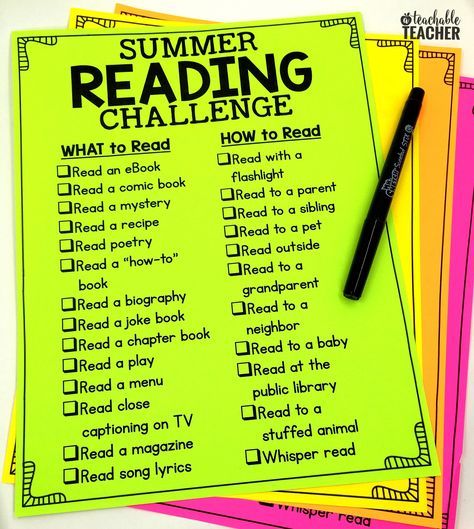
26 Ways to Go Beyond the Reading List for Summer Learning

1. Start a Book Club: Gather a group of friends or family members and choose books to read and discuss together.

2. Attend Literary Events: Look for local book fairs, author talks, or poetry readings to expand your literary horizons.

3. Join a Writing Workshop: Improve your own writing skills by attending a workshop or class.

4. Explore Different Genres: Go beyond your usual reading preferences and discover new genres like science fiction, graphic novels, or biographies.

5. Find Themed Reads: Pick a theme for the summer and read books that revolve around that topic, such as travel, history, or a specific author.

6. Listen to Audiobooks: Experience stories in a new way by listening to audiobooks during your daily commute or workout.

7. Read Banned Books: Challenge yourself by reading controversial books that have been banned in certain places.

8. Discover New Authors: Check out works from lesser-known or debut authors and you might find your new favorite writer.

9. Use Online Resources: Utilize websites like Goodreads, Project Gutenberg, or Librivox for suggestions and free reads.

10. Join Reading Challenges: Sign up for reading challenges online where you can track your progress and connect with other book lovers.

11. Visit an Independent Bookstore: Support local businesses by browsing unique selections at independent bookstores.

12. Swap Books with Friends: Trade books with friends to introduce each other to new titles and authors.

13. Write Reviews: After finishing a book, write a review to share your thoughts and opinions with others.

14. Follow Bookish Social Media Accounts: Engage with fellow bibliophiles on Instagram, Twitter, or Tumblr by following accounts dedicated to books and reading culture.

15. Create Art Inspired by Books: Channel your inner creativity by painting, drawing, or crafting something inspired by your favorite reads.

16. Watch Book-to-Movie Adaptations: Compare and contrast the written and cinematic versions of books you’ve read.

17. Participate in Library Programs: Local libraries often offer free programs, workshops, or activities centered around reading and literacy.

18. Volunteer: Give back to the community by volunteering for a literacy program, reading to children or helping at your local library.

19. Read Biographies and Memoirs: Gain insights into the lives of interesting personalities by reading their biographies or memoirs.

20. Read Books from Around the World: Choose books from different countries to learn about diverse cultures, histories, and traditions.

21. Try Speed Reading Techniques: Experiment with speed reading techniques to see if they help you better absorb information more quickly.

22. Learn a New Language Through Books: Start learning a new language by reading simple books in that language and gradually progress to more complex texts.

23. Read Aloud: Improve your speaking skills and listening comprehension by reading aloud, either solo or with a group.

24. Read Poetry: Dive into the world of poetry and discover classic poems as well as contemporary works.

25. Analyze Artistic Covers: Explore how book cover design connects with the content inside and try creating your own artistic renditions of them.

26. Reread Your Childhood Favorites: Take a nostalgic trip down memory lane by revisiting some of your favorite books from your childhood.

The Enduring Impact of Seymour Papert

Seymour Papert, one of the most influential educational reformers and thinkers in modern history, left an indelible mark on the field of educational technology. His work has continually shaped our understanding of the significant role that computers and technology play in the process of learning. This article delves into the enduring impact of Seymour Papert and his contributions to education.

Born in South Africa in 1928, Seymour Papert went on to study at prestigious institutions such as the University of Cambridge and MIT. It was at MIT where he would spend much of his academic career, eventually co-founding the MIT Media Lab. An early pioneer in artificial intelligence, Papert was known for his far-reaching visions and determination to change the landscape of education for future generations.

One of Papert’s most significant contributions was the development of Logo, a programming language designed specifically for children. Logo played an instrumental role in bringing programming into classrooms and teaching young students critical thinking, problem-solving, and creativity skills. The philosophy behind Logo is rooted in Papert’s belief that children learn best through exploration and creation.

Seymour Papert also contributed to modern-day learning theories by developing constructionism, a new approach grounded in constructivist principles. Constructionism posits that individuals learn best when they are actively engaged in designing and creating tangible objects or experiences that hold personal relevance. Consequently, this approach emphasizes hands-on learning experiences as a vital facilitator of knowledge acquisition.

Papert also identified what he called “the computer as mudpie” – an analogy that he used to emphasize how computers could act as powerful tools for learning through messy experimentation, much like how children often enjoy playing with mudpies. This idea underscores a fundamental shift from passive consumption toward active discovery – an approach that is now widely embraced within educational technology spaces.

Outside the classroom, Seymour Papert’s insights have had profound consequences on broader educational practices and notions around learning. He was a staunch advocate for the democratization of information and stressed the importance of developing technology that would enable anyone to access knowledge without gatekeepers.

Today, Papert’s influence can be seen in numerous ways, from the rise of educational games, coding apps for kids, and robotics competitions to the broader recognition that technology can positively impact learning outcomes. This is especially evident in the adoption of technologies such as virtual reality, augmented reality, and maker spaces in education.

In summary, Seymour Papert’s work has left an enduring impact on how we view using computers and technology for learning. His ideas on constructionism, hands-on learning experiences, and the democratization of information have changed how education is approached globally. The continued integration of technology into education is a testament to Papert’s visionary foresight and enduring legacy.

Latest Posts