
Pedagogue Blog

5 Science-Backed Ways School Leaders Can Avoid the Afternoon Slump

Introduction:

The afternoon slump is a common phenomenon that affects many people, including school leaders. This slump can result in decreased productivity, difficulty concentrating, and drowsiness. In this article, we will explore five science-backed strategies to help school leaders avoid the infamous afternoon slump.

1. Balanced and Timely Meals:

Eating balanced meals throughout the day is crucial for maintaining energy levels and avoiding an afternoon energy crash. It’s essential to incorporate proteins, healthy fats, and complex carbohydrates into your meals to sustain your energy levels. Additionally, avoid overeating at lunchtime as this can lead to sluggishness in the afternoon.

2. Stay Active:

Incorporating physical activity into your daily routine can significantly reduce the effects of the afternoon slump. Research shows that brief bouts of exercise during the workday can improve focus, mood, and overall cognitive function. Consider taking short breaks to walk around the building or do light stretches throughout the day to keep your energy levels up.

3. Proper Hydration:

Dehydration is a common cause of fatigue and decreased productivity. Staying well-hydrated throughout the day is essential for maintaining optimal brain function and preventing drowsiness in the afternoon. Aim for at least eight 8-ounce glasses of water per day and incorporate other hydrating beverages like herbal teas or electrolyte-enriched drinks during particularly demanding days.

4. Smart Caffeine Use:

While caffeine can provide a temporary boost of energy, over-reliance on it can contribute to the afternoon slump when its effects wear off later in the day. Limit your caffeine intake to moderate amounts and opt for slow-release caffeine sources like green tea instead of sugary coffee drinks or energy drinks that might lead to a crash.

5. Regular Restorative Breaks:

Taking brief mental breaks throughout the day can significantly reduce mental fatigue and help maintain focus and productivity. Carve out time for brief, restorative breaks that offer you an opportunity to disengage from work-related tasks for a few minutes. These breaks can include deep breathing exercises, spending time outside, or engaging in a non-work-related activity that you enjoy.

Conclusion:

By implementing these science-backed strategies, school leaders can maintain their energy levels, focus, and productivity throughout the day, effectively avoiding the dreaded afternoon slump. Incorporate these methods into your daily routine and notice the positive impact on both your personal well-being and professional performance.

This Teacher Had an Epic Summer PD Experience: Here’s What Happened

Every summer, teachers worldwide participate in professional development (PD) programs to improve their skills, learn new teaching methods, and stay updated on the latest educational trends. This year, one remarkable teacher had an epic summer PD experience that transformed both her perspective and classroom environment. Let’s dive into her fantastic journey and uncover the secrets of her transformational experience.

Meet Sara Johnson, a dedicated middle school science teacher with over a decade of experience in the field. Despite her extensive background, she felt overwhelmed by the rapid advancements in technology and pedagogy. She knew she needed to make a change to keep up with today’s dynamic educational landscape.

Fueled by her passion for teaching and commitment to her students, Sara enrolled in a unique summer PD program offering an immersive blend of learning opportunities called “Innovate and Inspire.” Joining teachers from all over the country, she set off on this adventure with an open mind and a thirst for knowledge.

The Innovate and Inspire program took place over two weeks with various workshops, team projects, and experiential learning opportunities. It covered cutting-edge teaching methods, technological applications for education, fostering creativity in students, collaboration techniques, classroom management strategies, and inclusive practices for diverse learners.

Sara was amazed to discover a number of new approaches for engaging students in project-based learning using technology. She observed other educators utilizing virtual reality (VR) systems to create captivating lessons in subjects like history and geography. She also explored innovative approaches like flipped classrooms that encourage students to work at their own pace while engaging them in interactive discussions.

In addition to acquiring valuable tools for enhancing her lessons, Sara came across passionate educators who had devised ingenious ways of making abstract scientific concepts tangible experiences for their students. One such method involved utilizing gamification through Escape Room-style activities where students collaborate to solve science-related puzzles applying real-world problem-solving skills.

The program facilitated collaboration among its participants, enabling educators like Sara to work together on projects, share resources, and bounce ideas off each other. For Sara, networking with fellow participants was a particularly impactful aspect of the program. She formed deep connections with likeminded individuals and expanded her support network, a crucial component in driving her newfound enthusiasm and motivation.

Sara returned to her classroom with a renewed sense of purpose and excitement. She immediately began incorporating the techniques she learned in her lessons and watched as her students embraced this fresh approach. They became more engaged, motivated, and eager to learn.

Sara’s summer PD experience at Innovate and Inspire became an unforgettable journey that transformed not only her teaching style but also reignited her love for education. It serves as a reminder that investing in professional development can change the course of our careers, inspire us to seek further growth, and ultimately improve the lives of the students we teach.

In this ever-evolving world of education, let us take a leaf out of Sara’s book and commit to taking risks, embracing challenges, and striving for continuous learning. For when we prioritize our professional growth, we become better educators and influencers for the generations that follow.

“Anything but a Backpack” Is a Theme Day We Can Get Behind

In today’s world, diversity and uniqueness are celebrated, and people are encouraged to express themselves in creative ways. One such unique way is the “Anything but a Backpack” theme day, which has quickly gained popularity in various communities. The concept of this theme day is simple yet exciting: ditch the traditional backpack and opt for something different to carry your belongings for the day.

Initially introduced in schools as a fun-spirited event, “Anything but a Backpack” day has since spread to workplaces, social groups, and recently even made an appearance at some festivals. This day not only adds an element of excitement to an otherwise regular routine but also fosters creativity and promotes eco-friendly choices.

Often, people get tired of using the same backpack every day. However, with “Anything but a Backpack” day, individuals have the opportunity to experiment with new carrying options. Some popular alternatives include tote bags, rolling suitcases, and even repurposed grocery bags. Others take things to another level by picking uniquely designed fanny packs or customized messenger bags.

Environmentally conscious individuals also use this theme day as an opportunity to promote sustainable practices. A lot of participants turn to eco-friendly alternatives like upcycled or reusable bags as their carrying choice for the day – contributing their bit towards environmental protection.

Moreover, this special day brings out the artistic side in many. Some participants design their own bags or use unusual items like milk crates or pillowcases as alternatives. As people interact with others throughout the day, they get appreciated for their creativity which often leads to conversations surrounding sustainable choices.

Apart from being an engaging event, “Anything but a Backpack” also raises awareness about various societal issues such as fast fashion – urging consumers to think twice before buying cheaply made items that ultimately contribute to environmental damage and pollution.

In conclusion, “Anything but a Backpack” is more than just a fun theme day. It helps individuals break free from convention, inspires creativity, and encourages eco-friendly practices. A simple yet impactful event, the “Anything but a Backpack” theme day holds the potential to create positive change on multiple levels and is definitely an initiative we can all get behind.

9 Essential Tips for Teachers to Save on Grocery Shopping

Introduction:

Being a teacher is an essential and rewarding profession, but it often comes with limited income. As a result, many educators look for ways to stretch their budget and save on household expenses. One area where cost-cutting can translate into substantial savings is grocery shopping. This article explores 9 crucial tips for teachers looking to reduce their grocery bills without compromising on their family’s nutrition needs.

1. Plan your meals in advance:

Before shopping, create a weekly meal plan outlining breakfasts, lunches, dinners, and snacks. A detailed meal plan not only helps you avoid impulse buying but also ensures that you have just enough ingredients for each meal and prevent wastage.

2. Create a grocery list and stick to it:

Based on your meal plan, prepare a shopping list before heading to the store. This list will serve as your guide and help you stay focused on purchasing only what you need, reducing the temptation for spontaneous or unplanned purchases.

3. Compare prices and shop at multiple stores:

Different stores will have varying prices on certain products due to promotions or their affordability models. To maximize your savings, check out multiple stores in your area for the best prices on specific items and shop accordingly.

4. Buy store-brand products:

For most products, there’s generally no real difference in taste or quality between name-brand items and store-brand alternatives. By going with store-brand products (also known as generic), you can drastically cut your budget without sacrificing the quality of your groceries.

5. Use coupons and discount codes:

Clip coupons from newspapers, magazines, or mobile apps to lower your grocery expenses further. Combine coupons with store sales or promotions to maximize your savings even more.

6. Buy in bulk when it makes sense:

Purchasing items like rice, pasta, beans, or canned goods in bulk quantities can save you money over time as long as you’ll use what you buy within a reasonable timeframe. However, avoid buying perishable goods in bulk if you can’t consume them within their shelf life.

7. Make the best of seasonal produce:

Seasonal fruits and vegetables are more affordable and taste better than out-of-season produce, which is often imported from other countries. Plan your meals to include more seasonal ingredients for a cost-effective method to maintain a balanced diet.

8. Embrace the art of freezing:

Invest in a good freezer and learn how to store and freeze food items efficiently. This technique allows you to take advantage of sales on perishables and store leftovers, ultimately reducing waste and saving money.

9. Cook at home:

Last but not least, make a habit of cooking more meals at home. Preparing your food not only saves money compared to dining out but also allows you to control your ingredients and portions better

Conclusion:

These 9 essential tips for teachers will help you save on grocery shopping without having to compromise on healthy and nutritious meals. A combination of careful planning, smart purchasing decisions, and efficient food storage can significantly reduce your grocery expenses. With these strategies in place, you’ll have more money left over for other important aspects of your life or even just a little extra self-care treat now and then!

20 Super Simple DIY Fidgets for the Classroom

Introduction:

Fidgets are a fantastic tool for helping students concentrate and stay focused in the classroom. These DIY fidgets are not only affordable but also allow teachers to customize them according to their students’ needs. Here are 20 super simple DIY fidgets that you can make for your classroom.

1. Stress Balls – Fill a small balloon with flour, rice, or any sensory filler you like. Tie it off, and you have an instant stress-relieving fidget toy!

2. Pencil Grip – Wrap pipe cleaners around a pencil, securing the ends under your grip, to create a fun and colorful fidget.

3. Spinner Rings – Attach a small ball-bearing spinner onto an adjustable ring to create an easy-to-use wearable fidget.

4. Velcro Strips – Simply attach two strips of Velcro together, one fuzzy side up and one prickly side down, and you have a quiet but satisfying fidget activity.

5. Paper Clips – Bend paperclips into fun shapes that snap back into place when stretched or squeezed.

6. Bubble Wrap Bracelet – Tape a strip of bubble wrap around your wrist, and enjoy popping the bubbles during downtime in class.

7. Sensory Bottles – Fill small travel-sized shampoo bottles with colored water, glitter, beads, or other items for kids to shake and watch as they settle.

8. Putty – Combine glue, liquid starch, and food coloring to make your own colorful, moldable putty for students to manipulate during class.

9. Tangle-Free Coil Toy – Wind several different colored pipe cleaners together in random patterns for a quiet and tangle-free manipulative toy.

10. Cardboard Rubik’s Cube – Cut out small cardboard squares and glue them onto a larger cube template to mimic the classic puzzle toy’s design.

11. Beaded Necklace – String beads on an elastic cord to make an easily accessible fidget tool that can be safely worn around the neck.

12. Finger Labyrinths – Draw or print a small labyrinth design onto a piece of cardstock, then trace with glue and sprinkle sand or glitter on top to create a textured finger maze.

13. Fabric Scraps – A simple assortment of various fabric scraps can provide interesting textures for students to explore with their hands.

14. Straw Beads – Cut drinking straws into small segments and thread them onto string or elastic for an easy-to-make, lightweight fidget toy.

15. DIY Fidget Spinner – Use wooden dowels, beads, and a small ball bearing to create your own simple, customizable fidget spinner.

16. Rubber Band Ball – Loop several rubber bands together, wrapping them around each other until you have a satisfyingly squishy ball of rubber bands for kids to squeeze and stretch.

17. Lego Keychain – Attach a small piece of Lego to a keychain ring for a highly portable and customizable fidget toy that can be built upon during breaks.

18. Playdough – Make your own playdough using flour, salt, water, and food coloring for an inexpensive and versatile fidget option.

19. Marble Maze Folders – Glue felt or foam sheets inside a plastic folder with a marble inside the felt layers, creating pathways for the marble to travel through as students manipulate it during class.

20. Zipper Bracelet – Sew zippers onto fabric strips to make bracelets that students can repetitively zip and unzip as a calming sensory activity.

Conclusion:

With these 20 super simple DIY fidget ideas, you can easily create affordable and enjoyable tools to help your students stay focused in the classroom.

4 Ways to Build School Equity in America

Introduction:

Equity in education is a pressing issue for America’s schools. All students, regardless of their background, should have equal access to quality educational opportunities. Unfortunately, disparities in resources and funding continue to exacerbate the achievement gap between students from different socio-economic backgrounds. This article outlines four ways that educators and policymakers can work towards creating equitable learning environments for all students in America.

1. Equitable Funding:

One of the most significant challenges to achieving equitable education is the uneven distribution of funding among school districts. Often, schools in lower-income communities receive less financial support than those in wealthier areas, leading to disparities in available resources for students and teachers. Policymakers should reevaluate funding models for public schools to ensure that all schools receive sufficient financial support based on their unique needs and student populations.

2. Accessible Curriculum and Teaching Resources:

For students to thrive academically, they must have access to high-quality curriculums and teaching resources. Schools should prioritize developing culturally responsive curricula that reflect the diverse backgrounds and experiences of their student population. Additionally, educators must have access to materials and strategies that cater to the individual needs of their student body, including those with learning differences or language barriers.

3. Diverse and Supported Faculty:

A diverse faculty enables students of all backgrounds to see themselves reflected in their teachers and feel a sense of belonging within the school community. Schools should prioritize hiring educators from various racial, ethnic, and socio-economic backgrounds to create an inclusive environment where all students can thrive. Additionally, educators should receive ongoing professional development focused on building cultural competency and understanding different students’ unique needs.

4. Strong Family-Community-School Partnerships:

Families play a crucial role in supporting student success, both academically and socially-emotionally. Schools must prioritize building strong partnerships with families from different socio-economic backgrounds by providing resources and opportunities for engagement, such as parent workshops or volunteer opportunities. Moreover, schools should collaborate with community organizations to create programs that enrich students’ learning experiences beyond the classroom.

Conclusion:

Equity in America’s schools is an achievable goal if we prioritize addressing funding disparities, provide accessible curriculums and teaching resources, create diverse and supported faculty, and foster strong family-community-school partnerships. By focusing on these four pillars, educators and policymakers can ensure that all students receive the quality education they deserve and work together toward a more just and equitable society.

Why I Let My PreK Students Use Real Hammers, Knives, and Saws

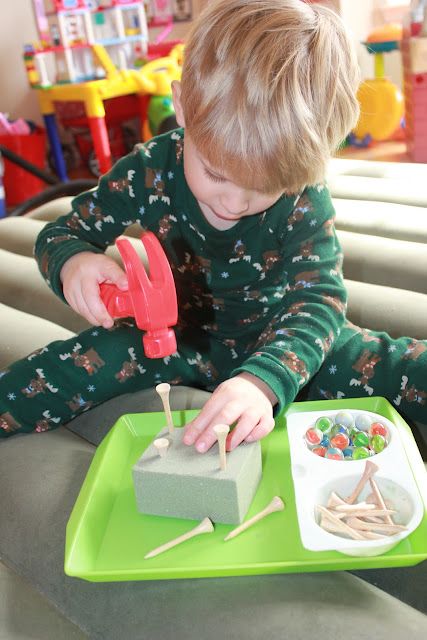
As an educator, I understand the importance of providing a safe and nurturing environment for my PreK students. However, I also believe in the value of teaching them essential life skills early on in their academic journey. That’s why I let my PreK students use real hammers, knives, and saws in the classroom. By giving young children access to these tools, I’m fostering their independence, creativity, and resilience—all while closely supervising them to ensure their safety.

Here are four reasons why embracing this unconventional teaching method has been a game-changer for my students:

1. Encouraging Independence

Providing children with real-life tools promotes a sense of autonomy by giving them the opportunity to learn vital skills like cutting fruit or building wooden structures. When they’re equipped with practical knowledge, they become more self-sufficient individuals able to navigate the challenges of life.

2. Fostering Creativity

These tools open up a world of endless possibilities for creative expression and problem-solving. By allowing my students to use hammers and saws during woodworking projects or knives when preparing food, their imagination can run wild as they explore new avenues in practical artistry.

3. Building Resilience

Teaching PreK students how to safely use tools like hammers, knives, and saws helps build resilience at a young age since some activities might be challenging for them at first. The process of trying something new, facing difficulties head-on and learning from mistakes cultivates a growth mindset – vital for developing perseverance and tenacity over time.

4. Ensuring Safety through Supervision

Safety is always my top priority when incorporating these tools into the classroom environment. Providing clear instructions on how to properly use each tool is equally crucial as constantly monitoring the students during activities to prevent accidents.

By doing so, children also learn the importance of taking responsibility for their actions, being cautious and learning how to handle tools safely—skillsets that will serve them well later in life.

Reaping the Benefits

Introducing real-world tools like hammers, knives, and saws to my PreK students has been a successful and rewarding experience. As educators, we must adapt our methods to cater to the evolving needs of our students. By dismantling traditional boundaries in the classroom and fostering an environment where children can grow into skilled, resilient, and independent individuals, we’re preparing them for success in every component of their future lives.

7 Super Strategies for Addition: Free Poster and Lesson Plans

Introduction

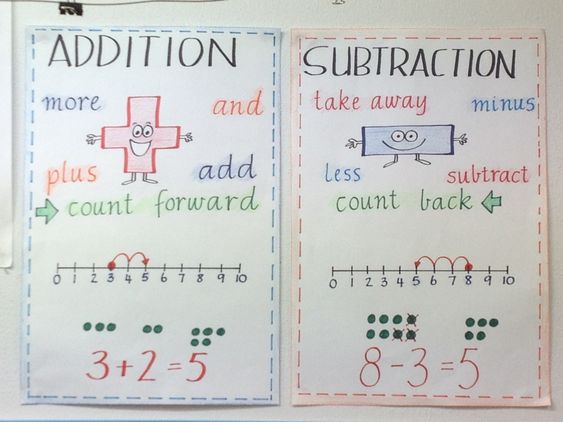
Teaching addition to young learners can sometimes be a challenging task, especially when you want to keep them engaged and excited about the process. To help teachers and educators facilitate the learning of addition in fun and engaging ways, we’ve compiled a list of 7 super strategies for addition, complete with a free poster and lesson plans. These methods are sure to make math enjoyable and help students to develop a strong foundation in addition skills.

1. Finger Counting

A fundamental and tactile way of learning addition, finger counting is perfect for beginners. Teach your students how to associate each number with their fingers by adding two numbers together using their own hands. This method also helps build fine motor skills and is ideal for visual learners.

2. Number Lines

Number lines are a powerful tool to assist students in visualizing the addition process by physically representing numbers on a straight line. Create number lines on paper or using physical materials, such as craft sticks or blocks, then teach your students how to use them to solve addition problems step by step.

3. Counting On Strategy

Counting on is a mental math strategy in which children start with one number and count forward by adding the second number. For instance, when adding 5 + 3, they would start at 5 and count three more numbers: 6, 7, 8. This method helps improve mental calculation skills while reinforcing the concept of addition.

4. Doubles Plus One

Teach students the concept of doubling a number and then adding one more to it to simplify more complex addition problems quickly. For example, when confronted with the problem 6 + 7, have them recognize that it’s just one more than double six (6 + 6) + 1 = 13.

5. Making Tens

Making tens is about teaching children how to break down numbers into two addends that combine to make ten, as a way to solve more complex addition problems. For example, if faced with the problem 7 + 9, students will learn to break down 9 into 3 and 6 to create the equation 7 + 3 = 10, then add the remaining 6 for a total of 16.

6. Using Manipulatives

Using objects such as counters, blocks, or even small toys can help students understand addition in a hands-on and tangible way. By physically moving objects around to model addition problems, students can better visualize number relationships and develop a deeper understanding of the addition process.

7. Addition Games

Incorporate fun activities like addition board games, card games, or smartphone apps into your lesson plans to provide entertaining ways for students to practice their addition skills. Such games can be ideal for independent or group learning and encourage cooperative play.

Conclusion

With these 7 super strategies for teaching addition at your disposal, your young learners will be eager and excited to tackle math problems head-on. Don’t forget to download the free poster and lesson plans accompanying these strategies, which will serve as valuable resources in your classroom. Happy teaching!

20 Engaging Body Systems Activities for Middle School

1. Anatomy Puzzles: Students can piece together life-sized anatomy puzzles, introducing them to various body systems and their functions.

2. Organ Trail Scavenger Hunt: Dive into a competitive scavenger hunt around the school, identifying and labeling different locations as symbolic body organs.

3. Body Systems Matching Game: Set up a matching game with cards featuring images and descriptions of different body systems, challenging students to make correct matches.

4. DIY Digestive System: Get hands-on and create 3D models of the digestive system using everyday materials such as clay or playdough.

5. Make Your Own Blood Model: Mix water, red hots candies, ping pong balls, and marshmallows to create a colorful representation of blood components while teaching about their functions.

6. Create an Edible Cell: Using various food items, students can design edible cells while learning the structure and function of each organelle.

7. Body System Charades: Have students act out different body systems in a thrilling game of charades for their fellow classmates to guess.

8. Respiratory Relay Race: Organize an outdoor relay race that prompts students to focus on breathing patterns while enforcing teamwork skills.

9. Zoom-In on Cells: Experiment with microscopes to examine different types of cells up close and appreciate their diverse structures and roles in the body.

10. Body Systems Crossword Puzzle: Build understanding and vocabulary through engaging crossword puzzles featuring key terms about the body systems.

11. Puppet Show Performance: Allow students’ creativity to flourish by constructing sock or paper puppet shows highlighting the interactions between different body systems.

12. Circulatory System Board Game: Design a custom board game that allows students to navigate through arteries, veins, and capillaries while learning fascinating facts about circulation.

13. Human Body Bingo: Reinforce learning through games like bingo, highlighting different organs or body systems.

14. Design a Superhero: Challenge students to create a superhero and describe how each body system contributes to his or her powers.

15. Debate Club: Organize a debate among students to defend the importance of their assigned body system and explain its role in maintaining life.

16. DIY Nervous System: Visualize nerve action by creating simple circuits that mimic the pathways within the nervous system, using materials such as aluminum foil and batteries.

17. Excretory System Activity: Study the filtration process of the kidneys by creating DIY models using coffee filters, water, and food coloring.

18. Muscular System Art: Use string art techniques, attaching colored strings to different muscle groups on a wooden board to form a visually appealing representation of muscle movement.

19. Exploring Endocrine Glands: Have students illustrate endocrine glands on life-sized drawings or diagrams for an engaging review of hormone-producing structures.

20. Body Systems Gallery Walk: Display posters or models made by students representing each body system and invite the class to explore, compare, and appreciate their hard work.

These 20 engaging activities provide middle schoolers with innovating techniques for learning about body systems while enhancing cognitive abilities, motor skills, social interactions, and problem-solving skills. Combining hands-on experiences with interactive lessons makes learning both enjoyable and memorable for students as they delve into the complex world of human anatomy.

This Free Classroom Goals Calendar Will Help You Set a Positive Tone

Introduction:

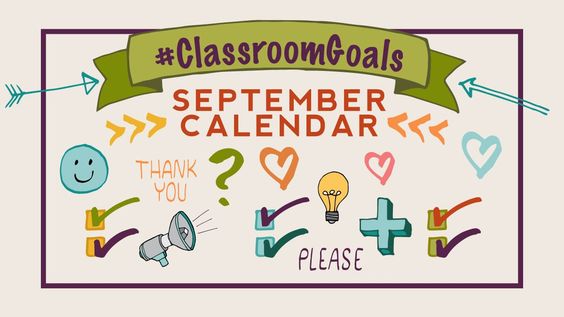
As educators, it is important to foster a positive learning environment and help students stay motivated and organized. One way to accomplish this is by implementing a classroom goals calendar. This free tool can be easily integrated into your daily routine to help set a positive tone in your classroom.

What is a Classroom Goals Calendar?

A classroom goals calendar is a visual representation of daily, weekly, or monthly goals that students and teachers work together to achieve. It helps promote positive behaviors and academic progress in a structured way. By setting clear expectations and celebrating achievements along the way, students feel accomplished and motivated to strive towards their goals.

Benefits of Using a Classroom Goals Calendar:

1. Provides structure: A goals calendar gives students a clear understanding of what is expected of them each day, week, or month, providing a sense of structure in their learning process.

2. Fosters motivation: By setting achievable goals – and celebrating reaching those milestones – students are encouraged to push themselves and achieve even more.

3. Promotes teamwork: The calendar not only includes individual student goals but also group or class-wide objectives that require collaboration among peers.

4. Encourages accountability: Having shared goals within the classroom community fosters accountability among peers, motivating students to stay on track.

5. Enhances communication: By tracking progress on the calendar, parents can easily see how their child is doing in school, leading to improved communication between home and school.

Creating Your Free Classroom Goals Calendar:

Creating your own classroom goals calendar is simple! Here’s how you can set up your free calendar:

1. Choose a format: Decide whether you want a daily, weekly, or monthly calendar. A combination of all three can be used depending on your preferences and needs.

2. Set clear objectives: Establish specific benchmarks for each goal so that the students understand what is expected of them.

3. Involve students in the process: Actively engage your students while setting up the goals, giving them a sense of ownership and responsibility.

4. Allocate space for progress tracking: Leave room on the calendar for students to mark their progress and for teachers to provide feedback.

5. Display the calendar: Place the goals calendar in a visible area of your classroom where all students can easily access and refer to it.

Finding Resources:

Several free resources are available online that can help you create an effective classroom goals calendar tailored to your needs. You may find inspiration from various printable templates, customizable digital versions, or even interactive whiteboard applications.

Conclusion:

Incorporating a free classroom goals calendar into your teaching routine is an easy and cost-effective way to create a positive atmosphere that supports academic growth. Through collaborative goal-setting and progress tracking, you can foster motivation, accountability, teamwork, and enhanced communication with parents. Start utilizing this valuable tool today to help your students thrive in their educational journey!

Sending Kids Back to the Text: Creating Strong TDQs

As educators, we are continuously seeking innovative ways to improve students’ critical thinking and comprehension skills. One highly effective strategy is the development of strong Text-Dependent Questions (TDQs). TDQs require students to dive back into the text to find answers and justify their reasoning, ultimately enhancing their overall reading experience. In this article, we will discuss how to create robust TDQs and foster a deeper understanding of the material in young minds.

1. Understanding Text-Dependent Questions

The first step in creating effective TDQs is to understand what they are and what they aim to achieve. TDQs are specifically designed questions that require students to refer back to the text for evidence-based responses. They encourage students to think critically, analyze the material, and draw inferences from what they read.

2. Choose the Right Text

The basis of any successful TDQ is a high-quality, engaging text that promotes curiosity and critical thinking. When selecting a text, consider the complexity, relevance to your curriculum, and the potential it offers in terms of meaningful, thought-provoking questions.

3. Types of Text-Dependent Questions

There are three general types of TDQs- literal, inferential, and analytical:

a) Literal questions focus on factual information presented within the text.

b) Inferential questions encourage students to go beyond basic facts and identify relationships between ideas or events.

c) Analytical questions drive students to evaluate information, make connections across texts or disciplines, and explore multiple perspectives.

Incorporate a balance of these question types in your lesson plan to ensure that students develop a comprehensive understanding of the material.

4. Scaffold Your Questions

Organize your TDQs into a logical sequence where questions progress from simple recall-based inquiries to more complex analytical tasks. This structure guides students through their analysis journey, building a strong foundation in the text before requiring them to apply more advanced critical thinking skills.

5. Encourage Evidence-Based Answers

TDQs are most effective when students draw upon specific evidence from the text to support their answers. Encourage your pupils to cite page numbers, quotations, or passages when responding to questions, ensuring their reasoning is firmly rooted in the material.

6. The Art of Questioning

Crafting well-formulated TDQs is an essential skill for educators. To create compelling and effective questions, keep these guidelines in mind:

a) Be concise: Keep your questions clear and focused.

b) Use open-ended language: Avoid yes-no questions and instead ask, “how” or “why”.

c) Encourage multiple responses: Design questions that promote diverse interpretations or perspectives.

d) Be objective: Ensure your questions do not reflect personal biases or lead students to predetermined answers.

In today’s rapidly evolving educational landscape, it is crucial to develop strong critical thinking skills in our students. By leveraging text-dependent questions effectively, we can foster a generation of insightful and analytical thinkers ready to tackle any challenge they may face. With careful planning, thoughtful questioning, and consistent practice, educators can successfully send kids back to the text and elevate their learning experience.

This Student Needs Your Help Collecting Holiday Cards for Seniors

In today’s fast-paced world, a simple act of kindness can spread warmth and positivity. We bring to you a heartwarming story about a compassionate student who is on a mission to uplift the spirits of seniors this holiday season through the thoughtful gesture of collecting holiday cards.

Meet Jane Doe, a high school student from Anytown, USA, who has embarked on an altruistic initiative to collect and distribute holiday cards to nursing homes and assisted living facilities. Jane’s goal is to touch the lives of seniors who may be experiencing loneliness or isolation during this festive season and let them know that they are cared for and remembered.

The inspiration behind Jane’s initiative stems from her close relationship with her grandparents who she had lost last year. Understanding the impact that a simple card can have on someone’s emotional well-being, she believes that this act of thoughtfulness can go a long way in bringing happiness to the elderly.

While her endeavor began as a small-scale effort amongst friends and family, it has rapidly gained momentum as word spreads through social media. Jane has been receiving an overwhelming response from schools, community groups, and kind-hearted individuals wanting to contribute their time and creativity in crafting personalized, hand-written cards to be given to seniors.

However, for her mission to succeed in reaching as many seniors as possible, Jane still needs your help! By participating in her holiday card drive, you would not only be supporting a noble cause but also making a significant difference in someone’s life through your words of encouragement, love, and holiday cheer.

How can you help? You can make or purchase a holiday card (or more) and write an uplifting message inside. Once you’ve done that, mail your cards directly to Jane at:

Attn: Holiday Cards for Seniors

123 Main Street

Anytown, USA 12345

Please ensure that your cards are mailed by December 15th to ensure that Jane has enough time to distribute them to the seniors before the holidays.

Jane’s initiative is proof that one person can make a difference in many lives by simply taking that first step. So let’s join together in celebrating the spirit of giving and share the joy of the holidays with those who need it the most. Let us rally behind this benevolent student, making her dream a reality, and offer our love and heartfelt wishes to our elderly friends this holiday season.

Latest Posts