Pedagogue Blog

Behavior Referrals Plummeted While Attendance Skyrocketed in This District. Here’s Why…

In the heart of a thriving suburban district, administrators, teachers, and students alike are all experiencing and appreciating an unforeseen positive shift. Behavior referrals have plummeted dramatically, while attendance has skyrocketed to new heights. What is the secret behind this massive improvement? Read on to explore the causes and how this district changed for the better.

The first element that contributed significantly to this transformation was implementing a comprehensive social-emotional learning (SEL) program. In an effort to address behavioral issues and improve school climate, the district integrated SEL into their curriculum. This approach focuses on fostering essential life skills such as self-awareness, self-management, responsible decision-making, relationship-building, and social awareness. By teaching these skills explicitly in class and incorporating them in day-to-day activities, students learned how to manage their emotions effectively, leading to decreased behavior referrals.

Another factor that played a considerable role in reducing behavioral issues was addressing mental health concerns early on. The district hired additional counselors and psychologists to provide consistent support for students struggling with anxiety, depression or other mental health challenges. With access to appropriate interventions and targeted assistance in managing psychological stressors, these students achieved improved mental well-being which translated into better behavior within classrooms.

Moreover, the district prioritized parental involvement and established strong communication channels with families. Parents were encouraged to participate in various school initiatives and decision-making processes, giving them a better understanding of their children’s educational environment. This stronger relationship between parents and schools served as a crucial platform to address any concerns or challenges that might have impacted student behavior or attendance.

Furthermore, the introduction of an inclusive restorative justice approach as an alternative to traditional disciplinary measures was highly successful. Traditionally punitive measures have often caused alienation and dissolution for involved students; however, restorative practices focus on repairing relationships between affected individuals and building mutual understanding. This new approach encouraged students to take responsibility for their actions while fostering empathy, paving the way for decreased behavior referrals.

Lastly, the district recognized the importance of extracurricular activities and enrichment programs in maintaining high attendance figures. These opportunities offered students the chance to explore and nurture their passions outside the classroom, giving them more reasons to look forward to coming to school. By investing in diverse after-school initiatives, such as clubs, sports teams, art programs, and academic support resources, the district provided an engaging atmosphere that instilled interest in attending school consistently.

In conclusion, this district’s extraordinary success in lowering behavior referrals and increasing attendance rates can be attributed to several factors. A comprehensive SEL program, early intervention for mental health issues, parental involvement, restorative justice practices, and extracurricular opportunities all contributed heavily to this positive transformation. By focusing on promoting emotional intelligence, nurturing a supportive environment, and encouraging engagement beyond the classroom walls – other districts could benefit significantly from following this inspiring example.

Trends in Principal Demographics and Qualifications

Introduction:

Over the past few years, the educational landscape has evolved rapidly, leading to significant changes in the demographic and qualification trends among school principals. The role of a principal is essential in shaping the future of the student community and fostering an inclusive and progressive learning environment. Today, we examine these emerging trends in principal demographics and qualifications.

1. Increasing Gender Diversity:

One noteworthy trend in principal demographics is the push for increased gender diversity. Traditionally, men have occupied a majority of leadership roles in schools, but recent years have seen a rise in the number of female principals. This progress towards gender parity has been crucial for promoting diverse perspectives and approaches within school leadership.

2. Broader Ethnic Representation:

As global awareness regarding diversity and inclusivity continues to grow, it is now more vital than ever to ensure that all ethnic backgrounds are fairly represented among school principals. As such, many schools are now prioritizing diverse recruitment, which aims to fill principal positions by candidates from underrepresented ethnic groups. This initiative is crucial for fostering understanding and cultural harmony within school communities.

3. Advanced Academic Credentials:

The rigorous demands of leading a school have led to a shift towards higher qualifications among principals. More and more schools expect their leaders to hold advanced degrees such as masters or doctorates, particularly in education or administration fields. Moreover, some prefer candidates with additional certifications such as National Board Certification or Teacher Leadership Institute training.

4. Professional Development Opportunities:

In line with the aforementioned focus on academic credentials, professional development programs play an essential role in ensuring that principals stay updated with current best practices in their field. Schools now invest significantly more time and resources into training programs aimed at equipping their principals with advanced skills related to technology integration, team management, data-driven decision-making, and student-centered learning approaches.

5. Growth of Nontraditional Pathways:

The rising demand for competent school leaders has led to an increase in nontraditional pathways such as transition to teaching programs or principals who begin their careers in non-educational sectors. These unconventional candidates can offer varied skills and experiences that contribute to a well-rounded school environment.

Conclusion:

The evolving trends in principal demographics and qualifications have the potential to improve the educational landscape significantly. Encouraging diversity, prioritizing professional development, and opening up nontraditional career pathways paints an optimistic picture for the future of school leadership. Pursuing these trends with vigor is essential in fostering learning environments where both students and faculty can thrive together.

Win The Wall Street Journal Access For Your Entire School & Get Current Events

One of the ways to keep students educated and engaged with real-world events is by providing access to a reputable news source like The Wall Street Journal. This prestigious newspaper serves as an essential resource for informed citizens, enabling them to stay up-to-date with global events and economic advancements. And now, your entire school can win access to this valuable resource!

Why The Wall Street Journal?

The Wall Street Journal is renowned for its unbiased reporting, insightful analysis, and in-depth coverage of business, finance, politics, technology, and more. It serves as an excellent educational tool to help students broaden their understanding of complex topics and develop critical thinking skills.

Getting Wall Street Journal access for your entire school is a game-changing opportunity for teachers and students alike. By incorporating current events into lesson plans and discussions, educators can actively engage students in relevant subject matters. Additionally, it helps them prepare for college and future careers that demand staying well-informed about evolving global happenings.

How to Win Access

Winning Wall Street Journal access for your entire school may seem daunting, but it’s actually quite simple! Follow these steps:

1. Build a Team – Gather your school administrators, teachers, and fellow students who share the same vision of integrating current events into the school’s curriculum.

2. Create a Proposal – Develop a comprehensive plan showcasing how your school will utilize The Wall Street Journal in the classroom. Explain how this partnership will benefit students in various subjects such as economics, political science, history, or other relevant disciplines.

3. Share Your Vision – Spread the word on social media or via emails to garner support from the community. Tag @WSJedu in your posts or use the hashtag #WSJforSchools to catch their attention.

4. Submit Your Proposal – Send your completed proposal to The Wall Street Journal’s education division by following their submission guidelines.

5. Stay Flexible and Persistent – Be ready to adjust your plan if necessary or respond to any additional inquiries from The Wall Street Journal. Stay patient and persistent, demonstrating your school’s dedication to making the most out of this opportunity.

Don’t Miss Out on This Amazing Opportunity

Gaining unlimited access to The Wall Street Journal can have a significant impact on your school’s academic success. By incorporating up-to-date news articles and real-life examples in the classroom, you can help students develop a deeper understanding of current affairs and a stronger global perspective.

Winning access for your entire school can provide an unparalleled educational experience for all students. Don’t let this remarkable opportunity slip away— embark on this journey now and make a difference in the lives of your school community today!

10 Inspiring Educator TED Talks to Spark Your Imagination

Intro:

Calling all educators, students, and life-long learners alike! To celebrate the power of education and its impact on individuals and society, we’ve curated a list of 10 inspiring educator TED Talks that will ignite your imagination, broaden your horizons, and showcase the true potential of learning.

1. Ken Robinson: “How Schools Kill Creativity”

In this thought-provoking talk, Sir Ken Robinson argues that the education system needs an overhaul, shifting from a one-size-fits-all model to one that nurtures creativity and recognizes the uniqueness of individual talents.

2. Rita Pierson: “Every Kid Needs a Champion”

A passionate educator for 40 years, Rita Pierson calls on teachers to believe in their students and form meaningful relationships that not only improve learning outcomes but also deeply impact the lives of both educators and students.

3. Sal Khan: “Let’s Teach for Mastery – Not Test Scores”

Sal Khan, founder of Khan Academy, emphasizes the importance of skill mastery over teaching to achieve high test scores in this insightful talk. He emphasizes real-life examples that show how personalized teaching works wonders for learning outcomes.

4. Linda Cliatt-Wayman: “How to Fix a Broken School?”

In this inspiring talk, Linda Cliatt-Wayman shares her experiences as a principal in underprivileged schools and discusses three guiding principles she employed to transform low-performing schools into safe havens for education.

5. Sugata Mitra: “The Child-Driven Education”

Sugata Mitra discusses his revolutionary ‘Hole in the Wall’ experiment, demonstrating that self-directed learning can be incredibly powerful for children, especially when given access to technology and facilitated by teachers who are supportive but not dominating.

6. Chimamanda Ngozi Adichie: “The Danger of a Single Story”

Acclaimed novelist Chimamanda Ngozi Adichie discusses how limited perspectives can be misleading, especially in education. She focuses on the importance of understanding multiple perspectives to break down stereotypes and empower marginalized voices.

7. Christopher Emdin: “What Hip Hop Can Teach Us About Education”

Exploring the transformative power of hip hop music and culture, Christopher Emdin explains how incorporating students’ interests and backgrounds into teaching can make learning more relatable and effective.

8. Angie Thomas: “The Stories that Spark Change”

After experiencing prejudice firsthand in her Mississippi upbringing, Angie Thomas went on to write a best-selling novel, ‘The Hate U Give.’ In this emotionally stirring talk, she discusses how educators can inspire change through storytelling.

9. Julie Lythcott-Haims: “How to Raise Successful Kids?”

In addressing the struggle for success faced by both parents and students, Julie Lythcott-Haims – a former Dean of Freshmen at Stanford University – shares valuable insight into vital selfhood, essential life skills, and letting children chart their course without excessive interference.

10. Ramsey Musallam: “3 Rules to Spark Learning”

Drawing from his experience in high school classrooms and innovative research, Ramsey Musallam shares three simple yet powerful rules for educators to spark imagination, curiosity, and lifelong learning in their students.

Conclusion:

As education evolves to face new challenges and embrace diverse forms of learning, these 10 inspiring educator TED Talks can reignite your passion for teaching and spark meaningful conversations about the future of education. So take a moment to watch these incredible talks, share them with colleagues, and join these visionaries in shaping a brighter future for our global community!

Change the Way Your School Teaches Science With This Smithsonian Guide

Science education has long been seen as a gateway to innovation, critical thinking, and discovery. Ensuring the next generation of scientists, technologists, engineers, and mathematicians is prepared for the challenges of the future requires an engaging and effective curriculum. The Smithsonian Institution, a renowned leader in science and education, has developed a comprehensive guide to assist schools in revolutionizing the way they teach science. This guide offers exciting new approaches that can make a profound impact on students’ education.

The Smithsonian Science Education Center (SSEC) has created the “Smithsonian Science for the Classroom” (SSftC) curriculum to provide educators with lesson plans and resources designed to inspire students from Kindergarten through 8th grade. The SSftC program takes a multidisciplinary approach to teaching science using real-world applications, hands-on experiments, and engaging activities.

Here are four primary aspects of this groundbreaking guide:

1. Inquiry-Based Learning:

The SSftC curriculum is rooted in inquiry-based learning, where students engage directly with scientific concepts by posing questions, analyzing data, and formulating conclusions. This approach empowers students to become active participants in their education and fosters a sense of wonder about the world around them.

2. Integration with Other Subjects:

Recognizing that science touches upon multiple fields of study, the SSftC curriculum integrates meaningful connections between scientific concepts and other disciplines such as history, art, literature, and social studies. This interdisciplinary approach allows students to develop a more comprehensive understanding of how scientific principles apply to everyday life.

3. Inclusion of Cutting-Edge Technologies:

Encouraging curiosity and innovation is crucial to inspiring young minds. The SSftC program includes cutting-edge technologies as part of its curriculum—including 3D modeling software, virtual field trips, digital microscopes, simulators—to ensure students have access to technology that will challenge them academically and foster their creativity.

4. Cultivation of Lifelong Learning Skills:

The SSftC guide aims to instill in students the ability to think critically, solve problems, communicate effectively, and collaborate with others. These lifelong learning skills are invaluable as students progress through their studies and into their careers.

Changing the way schools teach science is not an easy task, but with the support and guidance of the Smithsonian Science for the Classroom program, schools can transform their science education into an innovative, engaging, and cutting-edge experience for students. By adopting this comprehensive curriculum guide, educators can empower their students to become passionate learners and future leaders in the world of science.

4 Ways to Build School Equity in America

Introduction

In the United States, disparities in educational opportunities and resources are ever-present. These inequalities contribute to an education system where students from varying socio-economic backgrounds receive vastly different educations. Addressing this issue requires a multi-faceted approach that takes into consideration various elements that contribute to school equity. This article will discuss four ways to build school equity in America.

1. Increase Funding and Resource Redistribution

One significant factor contributing to the discrepancy in educational quality among different schools is the unequal distribution of resources. Many low-income districts struggle to provide essential supplies, adequate facilities, and high-quality educators for their students. Increasing overall funding for public education and redistributing resources more equitably can help bridge the gap between struggling schools and their more affluent counterparts.

States can reevaluate their current school funding formulas to ensure that they are allocating funds based on districts’ needs, taking into account factors such as poverty rates and special education enrollment. Federal initiatives can also support increased funding for underprivileged schools, boosting opportunities for students at struggling institutions.

2. Promote Diversity and Inclusion in the Classroom

Diversity and inclusion within a school environment are vital to fostering equity. Creating programs that increase access to affordable early childhood education, recruiting a diverse teacher workforce, and nurturing a culture of inclusivity contributes to a well-rounded educational experience for all children.

Schools should aim to incorporate discussions of race, gender, and socio-economic differences into age-appropriate lessons across various subjects. By exposing students to these topics early on, they learn invaluable empathy skills while also receiving a more comprehensive understanding of their own experiences and those of their peers.

3. Support Comprehensive Services for Students

Children from low-income backgrounds often face additional challenges outside of the classroom—such as food insecurity, homelessness, or lack of access to health care—that can impede their ability to succeed academically. To promote equity within the education system, schools should offer comprehensive services that address all aspects of a student’s well-being.

These services may include school-based health centers, free or reduced-price meal programs, and assistance with transportation. Schools can also partner with community organizations to provide additional services and resources tailored to the needs of their students and their families.

4. Close the Opportunity Gap Through Access to Rigorous Programs

High academic expectations paired with access to challenging and diverse educational opportunities is one way to build equity in our schools. By ensuring that all students have opportunities for enrichment—such as advanced courses, extracurricular activities, and mentorship programs—they can develop vital skills and knowledge necessary for future academic and professional success.

To achieve this, schools should aim to identify and dismantle any barriers that may prevent students from accessing such opportunities. This might involve adding more advanced classes at various grade levels, offering financial assistance for extracurricular activities or eliminating selection biases in program admissions.

Conclusion

Addressing school equity in America is a complex but urgent task. By focusing on equitable funding distribution, promoting diversity and inclusion, supporting comprehensive student services, and broadening access to rigorous educational opportunities, we can work together to create a more just and inclusive education system for all children.

Science Assessment Shows that Hands-On Learning is a Must

In recent years, there has been a significant shift in the educational landscape, with more and more educators recognizing the importance of hands-on learning. Instead of merely sitting in a classroom and passively absorbing information, students are now encouraged to actively participate and engage with the material through hands-on activities. This approach has been backed by research, and a recent science assessment has reaffirmed that hands-on learning is a must in today’s educational environment.

Hands-On Learning Defined

Hands-on learning is an engaging approach to education that involves students directly experiencing and exploring the subject matter through manipulatives, experimentation, and observation. By giving students the opportunity to interact with their environment and materials, they are more likely to understand abstract concepts and retain information.

The Science Assessment Study

The science assessment study in question evaluated the effectiveness of different teaching methods on student performance and understanding of scientific concepts. It compared traditional lecture-based classrooms with classrooms that incorporated hands-on learning opportunities for students.

Overall, the assessment demonstrated that students in hands-on learning environments outperformed their peers who were taught using traditional teaching methods. These results were consistent across all grade levels and for both genders.

Benefits of Hands-On Learning

1. Improved Engagement: When students participate in hands-on activities, they become more engaged with the material. The physical interaction stimulates their curiosity and allows them to form a personal connection to what they are learning.

2. Better Retention: Research has shown that people remember about 10% of what they read but up to 90% of what they do. By engaging in hands-on learning experiences, students can increase their retention of new information.

3. Development of Problem-Solving Skills: Hands-on learning provides an opportunity for students to tackle problems head-on, helping them develop essential problem-solving skills that are applicable throughout their lives.

4. Enhanced Creativity: When given the chance to physically interact and manipulate materials, students are more likely to think creatively and come up with unique solutions.

5. Greater Confidence: Hands-on learning can help students build confidence, as they are given the chance to apply their knowledge and skills in a tangible way.

Conclusion

The results of the science assessment reinforce the idea that hands-on learning is an essential component of effective teaching. Educators must continue to incorporate hands-on activities into their curriculums to ensure that students have the best possible chance at success. By doing so, educators will not only be improving student engagement and understanding but also setting them up for a lifetime of problem-solving, creativity, and confidence.

10 Books to Read When You Feel Stuck in Your Job

Introduction:

Feeling stuck in your job is a common and natural feeling that countless professionals experience at various points in their career journey. When you find yourself searching for inspiration, direction, and strategies to reinvigorate your work life, books can be a fantastic resource. Here are ten incredible books that can help you regain focus, motivation, and fulfilment as you navigate through your career.

1. “Designing Your Life: How to Build a Well-Lived, Joyful Life” by Bill Burnett and Dave Evans

This book encourages readers to think like designers and see their careers as an ongoing process of reinvention. By applying design thinking principles, readers can develop unique solutions to navigate through professional challenges and create a fulfilling work-life balance.

2. “The 7 Habits of Highly Effective People” by Stephen R. Covey

A timeless classic, Stephen Covey’s book introduces seven intellectually rich habits that empower individuals to become proactive change agents within their personal and professional lives.

3. “Mindset: The New Psychology of Success” by Carol S. Dweck

With groundbreaking insights into the power of our mindset, this book illustrates the importance of cultivating a growth mindset to overcome obstacles and achieve success in all aspects of life, including our careers.

4. “The Power of Habit: Why We Do What We Do in Life and Business” by Charles Duhigg

Understanding how habits function enables individuals to break negative patterns that hinder success. This book reveals the science behind habit formation and offers practical strategies for cultivating healthier routines that will contribute to career growth.

5. “Pivot: The Only Move That Matters Is Your Next One” by Jenny Blake

Learning how to effectively pivot in the workplace is crucial for long-term success. In this insightful book, Jenny Blake shares her valuable advice on recognizing opportunities for change, taking calculated risks, and embracing resilience.

6. “Drive: The Surprising Truth About What Motivates Us” by Daniel H. Pink

This book refutes the conventional wisdom on motivation and offers a new, more sustainable model focused on intrinsic factors to boost satisfaction and success in the workplace.

7. “The One Thing: The Surprisingly Simple Truth Behind Extraordinary Results” by Gary Keller and Jay Papasan

Explaining the power of focus and prioritization, this book teaches readers how to select the essential tasks that yield the most significant results in their careers.

8. “The 4-Hour Work Week” by Tim Ferriss

In this iconoclastic book, Tim Ferriss urges readers to think beyond traditional career paths and pursue a lifestyle design that prioritizes personal freedom, creativity, and fulfillment through automation, outsourcing, and negotiation.

9. “Deep Work: Rules for Focused Success in a Distracted World” by Cal Newport

Deep work is essential for professionals looking to advance in their careers. This book offers invaluable strategies for achieving a distraction-free work environment that cultivates deep focus and productivity.

10. “Grit: The Power of Passion and Perseverance” by Angela Duckworth

This groundbreaking book emphasizes the importance of sustained effort and commitment over innate talent. By developing grit, professionals can overcome obstacles, push past plateaus, and achieve fulfillment in their careers.

Conclusion:

No matter how stuck you may feel in your job, remember that you possess the power to rewrite your story. Each of these insightful books offers unique perspectives and practical strategies to help you regain control of your career path, grow personally and professionally, and ultimately find that long-desired sense of satisfaction.

6 Warm & Inviting Principal Offices You’ll Want to Copy

As the principal of a school, having an inviting office sets the tone for visitors, teachers, and students alike. An ideal office offers a welcoming atmosphere while still maintaining professionalism. Here are six warm and inviting principal offices that you’ll want to copy, and make your own.

1. Rustic Elegance

Incorporate a rustic yet elegant feel into your principal’s office by utilizing reclaimed wood for furniture and shelves. Pair this with cozy textile elements such as fluffy throw pillows, a soft area rug, and floor-to-ceiling drapes. Add warm lighting like table lamps or chandeliers to complete this look, creating an environment perfect for staff meetings or student consults.

2. Chic Minimalism

If you prefer a modern approach, a chic minimalistic design will showcase the perfect balance between organization and comfort. Use neutral shades like white and gray as your primary color palette with pops of color such as green plants or brightly colored art pieces. Opt for sleek furniture with clean lines and individual compartments to ensure tidiness and structured appearance.

3. Library Hideaway

Transform your principal office into a literary retreat by centering the design around bookshelves filled with novels, reference materials, and educational texts. Comfortable seating areas featuring armchairs and nooks surrounded by books will create an inviting atmosphere for independent reading or discussions between staff members. Don’t forget to include good lighting throughout.

4. Vintage Schoolhouse

Draw inspiration from classic schoolhouse designs by incorporating vintage-inspired furnishings like old-style wooden desks, chalkboards, or metal storage lockers. Then blend modern elements like ergonomic seating or convenient charge ports to provide practicality alongside nostalgia. This fusion of old and new will charm both students and staff alike.

5. Zen Retreat

Turn your principal office into a calming sanctuary by integrating elements of zen-inspired interior design. Soft neutral tones that evoke an earthy feel should be used alongside natural materials such as bamboo, stones, or plants. Incorporate comfortable seating arrangements and minimal clutter to promote a sense of tranquility and focus.

6. Creative Lounge

Showcase your creative side and foster collaboration in a principal’s office that doubles as an innovative lounge. Make use of colorful furniture, bold art pieces, and diverse textures to add character to the room. Create distinct zones with different seating styles for brainstorming sessions, group work, or one-on-one meetings.

In conclusion, having a warm and inviting principal office can set the tone for how students and staff perceive your leadership style. By drawing inspiration from these six styles, you can create a space that reflects your own unique personality while also helping to foster a positive and supportive environment at your school.

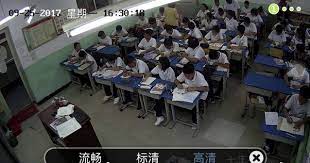
Help! My Principal Installed a Camera in My Classroom So She Can Watch Me All The Time

Introduction:

It’s become more and more commonplace to see surveillance cameras in public spaces, but what happens when one is installed in your classroom, without consultation? While some argue that such cameras may improve safety and accountability, others worry about the impact on privacy and trust within the school community.

Reasons for installing a camera:

The principal may have installed a camera for various reasons. Here are some possible explanations:

1. Security: Ensuring the safety of students and staff is of utmost importance. The camera may act as a deterrent for inappropriate behavior or provide evidence should an incident occur.

2. Accountability: Cameras can offer a resource for evaluating teaching techniques, assessing classroom management skills, and addressing any concerns about teacher performance.

3. Monitoring during video calls: With the COVID-19 pandemic necessitating remote learning in many cases, cameras can allow principals to monitor the classroom during live video calls or playbacks.

Concerns regarding privacy:

Despite potential benefits, installing cameras in classrooms raises concerns about privacy rights for both students and teachers.

1. Invasion of privacy: The constant monitoring of teachers’ methods and students’ responses can feel invasive, leading to increased stress and discomfort in the learning environment.

2. Erosion of trust: Constant surveillance can undermine trust between educators and their administrators by suggesting that they’re not trusted to do their jobs without constant oversight.

3. Misinterpretation of footage: Without context, footage can be misinterpreted or manipulated, resulting in unfair judgments on teachers’ abilities or students’ behavior.

Legal implications:

As an educator encountering this issue, it’s essential to understand your rights and any potential legal implications surrounding surveillance cameras in the classroom.

1. Research local regulations regarding surveillance in schools to determine if such recording is legally permitted.

2. Consult with your union representative or legal advisor if you believe your rights have been breached.

3. Develop thorough policies regarding the use of surveillance within your school that outline your rights, expectations for use, and governance of collected footage.

Steps to address the situation:

If you’re uncomfortable with a camera in your classroom, consider taking these steps to address the issue:

1. Communicate your concerns: Discuss your concerns with the principal calmly, and understand their reasons for installing the camera. Offer alternative solutions for addressing any security or accountability issues.

2. Involve colleagues: Engage colleagues in discussions and gather their thoughts on the matter. A united front might cause administration to reconsider.

3. Seek parent support: Many parents may also have concerns about surveillance cameras in classrooms; garner their support to add weight to your argument.

Conclusion:

While surveillance cameras can serve vital security and accountability purposes, they must be implemented through careful consideration of privacy rights and without eroding trust within the school community. Adequate communication and understanding between administrators, teachers, parents, and students are necessary to establish a supportive learning environment that values safety without compromising trust.

This is the Time Teachers Catch Up on Normal Life

Introduction:

As summer vacation arrives, students look forward to their much-anticipated break, but teachers also relish this precious time. After spending months confined within the four walls of a classroom, they have earned the opportunity to catch up on all the normal life activities that were pushed aside during the bustling school year. This period offers a chance for educators to reset, rejuvenate, and rediscover the balance in their lives.

Reconnecting with Family and Friends:

One of the most significant aspects of a teacher’s summer break is reconnecting with family and friends. The demanding schedule of lesson planning, grading, and after-school meetings often leaves little time for socializing during the school year. Summer breaks allow teachers to rebuild relationships and focus on quality time with loved ones.

Focusing on Health and Wellness:

Teaching is both physically and emotionally taxing. With ample time now available, teachers can prioritize their physical health, catching up on medical checkups, setting and maintaining fitness goals, or adopting healthier habits. Mental well-being is equally important; practices like meditation or yoga help combat stress accumulated throughout the school year.

Personal Growth and Development:

Professional development is essential for every teacher’s growth. Workshops, continuing education courses or webinars enable teachers to stay current with educational trends or learn new methodologies that will enhance their instruction in the next academic session. Furthermore, summer breaks are valuable for pursuing personal hobbies outside of teaching; this could include reading books, learning a new language or instrument or creating art.

Summer Employment Opportunities:

For some educators, financial constraints require them to pursue summer employment opportunities such as part-time jobs or seasonal work in various industries. Teachers may use their skills by offering tutoring services or conducting summer camps for children interested in particular subjects like robotics or art.

Travel and Adventure:

Going on vacations connects teachers to different cultures and landscapes that can later be incorporated in class discussions, adding a personal and enriching touch to their lessons. Summer trips can expand one’s worldview, foster a greater sense of empathy, and reignite a passion for teaching.

Replenishing Energy for the New School Year:

As the summer winds down, teachers spend time preparing for the upcoming school year by decorating classrooms, organizing resources, and updating lesson plans. The restorative downtime afforded by summer break ensures that teachers return with renewed energy and creativity to inspire their students all over again.

Conclusion:

Summer breaks allow teachers to catch up on normal life activities they have missed during the school year. Reconnecting with loved ones, focusing on health and wellness, pursuing personal growth, exploring employment opportunities or travel adventures all contribute to a happier, healthier, and more balanced lifestyle. With these experiences behind them, teachers are better prepared to continue educating the future generation when school doors reopen.

Help! Our School Receptionist Is Gossipy and Mean

Introduction:

Schools are meant to be safe havens for students to learn and grow. Administrative staff play a crucial role in maintaining this comforting environment. Unfortunately, some staff members, like a gossipy and mean school receptionist, can have an adverse impact on students’ overall experience. This article will discuss the challenges students face with such a receptionist and suggest ways to address the issue.

The Impact of a Gossipy and Mean School Receptionist:

1. Loss of Trust: A gossipy school receptionist creates an atmosphere where sensitive information is not kept confidential, leading to a loss of trust among students, parents, and staff alike.

2. Negative Environment: Mean behavior from a receptionist can contribute to a toxic atmosphere at school, affecting the morale of students and staff.

3. Emotional Distress: A hostile attitude can cause feelings of stress, anxiety, or even depression in sensitive individuals.

4. Disruption in Communication: A gossiping receptionist may spread rumours that can lead to misunderstandings within the school community.

5. Poor School Reputation: Word may spread about the negative environment at the school, potentially impacting enrolment numbers and public opinion.\

How to Address the Issue:

1. Speak Up: If you feel comfortable doing so, voice your concerns directly to the receptionist about their behavior.

2. Report to Higher Authority: Share your experiences with the principal or a trusted staff member. They may not be aware of the situation and require specific examples to take action.

3. Maintain Confidentiality: Avoid sharing personal information with the receptionist if you believe they may gossip about it.

4. Set Boundaries: Politely but firmly notify the receptionist when you do not appreciate their behavior or involvement in your personal matters.

5. Encourage Positive Changes: Support and recognize any positive changes in the behavior of the receptionist to encourage continued improvement.

Conclusion:

Schools should be supportive, nurturing environments where students feel safe and respected. When a school receptionist exhibits gossipy and mean behavior, it is essential to address the issue to ensure a healthy atmosphere for everyone. By taking proactive steps, students, parents, and staff can work together to create a more positive and welcoming school environment.

Latest Posts