Pedagogue Blog

25 Fun and Creative Playdough Learning Activities

1. Color mixing: Teach kids to mix primary colors to create secondary colors by using different colored playdough.

2. Alphabet imprints: Make letter-shaped stampers and let your child press them into the playdough to create alphabetical imprints.

3. Number recognition: Create numbers using playdough and help your child recognize and learn the correct sequence.

4. Shape experiences: Use cookie cutters to create different shapes and teach your child about them.

5. Storytime characters: Model playdough characters from their favorite stories, encouraging imaginative play.

6. Simple addition and subtraction: Use playdough balls to teach basic math concepts of addition and subtraction.

7. Playdough mazes: Create a maze on a flat surface with walls made from playdough for a marble or small toy to navigate through.

8. Texture exploration: Add various objects to the dough for children to explore textures, such as beads, buttons, or seeds.

9. Playdough jewelry: Make beads by rolling small balls of dough and stringing them together for a fun wearable creation.

10. Life cycle models: Teach kids about growth and life cycles by modeling plants or animals in various stages of development.

11. Measurement learning: Roll playdough into snakes of varying lengths for comparing, measuring, and ordering activities.

12. Letter formation practice: Encourage proper handwriting by molding playdough into letter shapes or tracing over them with their fingers.

13. Sensory letters: Create textured letters using various materials, let children trace over them for tactile learning experiences.

14. Fossil making: Press small toys or objects into the dough to make imprints simulating fossils – excavate and study them together!

15. Tactile numerals: Form numerals with diverse materials such as pipe cleaners or sticks, then press them into the playdough for a multisensory approach.

16. 3D sculptures: Encourage creativity and fine motor skills by having your child create unique sculptures based on their ideas or prompts.

17. Emotion faces: Make playdough faces expressing various emotions, serving as a conversation starter to discuss feelings.

18. Moon craters: Create a lunar landscape with playdough for children to explore the characteristics of the moon’s surface by pressing small rocks or toys into it.

19. Playdough puzzles: Cut large playdough shapes into smaller pieces for children to reassemble like puzzles, promoting problem-solving skills.

20. Pattern practice: Encourage pattern recognition by using objects to press patterns into the playdough or create patterns with various colors.

21. Playdough volcano: Create a volcano with playdough, add baking soda and vinegar for an explosive chemical reaction and learn about the science behind it!

22. Animal habitats: Use playdough to create environments – ocean, forest, desert – where your child can place animal figures in their natural settings.

23. Weather formations: Model different types of clouds or weather systems, developing knowledge about meteorology.

24. 3D topographic maps: Construct a landscape with elevated features like hills and valleys, teaching elements of geography and mapping.

25. Seasonal exploring: Make seasonal themed decorations or scenes with relevant colors and objects, building awareness of seasonal changes and events in nature.

Infographic: Why Your School Needs Bing in the Classroom

Introduction:

With the rapid evolution of technology, integrating digital resources into the educational landscape has become increasingly important. One such resource that often goes unnoticed is Bing – a powerful search engine that can greatly enhance the learning experience for your students. In this article, we’ll explore the reasons behind incorporating Bing in the Classroom through an infographic that highlights its benefits.

1. Safeguarding Students from Inappropriate Content:

Bing in the Classroom provides a safe and secure browsing experience. By using advanced filtering options that strictly limit access to inappropriate content, Bing ensures that your students remain focused on their academic goals while surfing the web.

2. Comprehensive Search Features:

Unlike other search engines, Bing offers unique features tailored to meet the needs of educators and students alike. For example, Bing’s visual search allows users to explore concepts using interactive images, while its advanced filters make it easier to hone in on specific topics or resources.

3. Enhances Critical Thinking Skills:

Bing offers a unique opportunity to cultivate critical thinking skills by encouraging students to explore various angles of a topic and evaluate different sources of information. This approach helps develop analytical capabilities crucial for success in today’s ever-changing world.

4. Supporting Educational Initiatives:

The Bing Rewards Program enables schools to earn valuable points by using Bing as their default search engine. These points can then be redeemed for free Microsoft devices and software, helping to enhance the learning environment with cutting-edge tools and resources.

5. Encouraging Collaboration and Creativity:

Bing promotes interaction among students by offering collaborative tools like Bing Pulse, which enables real-time engagement on various issues or topics. Additionally, the integration of Bing Images and Maps allows students to express their creativity while working on projects.

6. Environmental Sustainability:

Bing’s commitment to environmental causes is evident through its Carbon Offset Program, where they offset their carbon emissions by investing in clean energy projects. By using Bing, your school will be contributing to a greener and more sustainable future.

7. Free Lesson Plans and Resources:

Bing offers a plethora of free lesson plans, educational games, and interactive resources designed specifically for teachers and students. By incorporating these resources into your curriculum, you’re equipping your students with valuable tools that will keep them engaged in the learning process.

Conclusion:

In today’s digital age, it’s crucial to provide students with innovative yet reliable online experiences. Bing in the Classroom offers an array of features that foster a secure browsing environment, enhance critical thinking skills and promote collaborative learning. By incorporating Bing into your school’s curriculum, you’ll not only empower your students but also contribute positively towards a sustainable future.

25 Cute and Easy 2nd Grade Classroom Ideas

1. Reading corner: Create a cozy reading corner with comfortable seating and a collection of age-appropriate books for students to enjoy.

2. Growth mindset wall: Encourage a positive mindset by displaying quotes and inspirational messages on a designated bulletin board.

3. Class garden: Set up a small indoor or outdoor garden where students can work together to grow flowers or vegetables.

4. Interactive word wall: Encourage vocabulary development with an interactive word wall, where students can add new words they’ve learned.

5. Colorful seating options: Replace traditional chairs with colorful bean bags or yoga balls for a more engaging learning environment.

6. Birthday celebrations: Highlight each student’s birthday on a special classroom calendar and celebrate with fun activities.

7. Themed areas: Divide the room into different themed areas, such as animal habitats or historical time periods, and decorate accordingly.

8. Student artwork display: Showcase students’ artwork on a designated wall, updating it regularly to reflect current projects and achievements.

9. Morning meeting space: Designate an area in your classroom for daily morning meetings to build community and promote collaboration.

10. Learning stations: Organize the room into various learning stations for math, reading, writing, and more to encourage independent exploration.

11. Class goals board: Set collective goals as a class and keep track of progress on a visually appealing board.

12. Cultural appreciation corner: Dedicate an area to celebrating different cultures with informative posters, maps, artifacts, and more.

13. DIY whiteboards: Give each student their own individual dry-erase board and markers for quick brainstorming during group discussions.

14. Classroom job chart: Assign students specific jobs within the classroom, fostering responsibility and teamwork among your students.

15. Positive reinforcement jar: Keep small items like stickers or erasers in a jar as rewards for positive behavior throughout the day.

16. Visual timetable: Display a visual timetable to help students anticipate the daily routine and transition to different activities.

17. Compliment wall: Encourage students to write compliments for their classmates on sticky notes and display them on a designated wall.

18. Weather and calendar station: Teach students about weather and days of the week with an interactive weather and calendar station.

19. Chill-out zone: Designate a quiet space in your classroom where students can go to take a break, self-regulate, or calm down.

20. DIY cubbies: Use inexpensive storage solutions like plastic crates or cardboard boxes to create personalized storage spaces for each student.

21. Class pet: Adopt a low-maintenance class pet, such as a fish or small rodent, to teach responsibility and care for living creatures.

22. Puzzle station: Set up a puzzle table in your classroom for those who finish their work early or need extra cognitive challenges during free time.

23. Work display board: Dedicate an area in the room to display completed student work and change it regularly to keep it fresh.

24. Flexible seating arrangement: Arrange desks and tables in various configurations for group work, individual work, or collaborative projects.

25. Nature-inspired décor: Decorate the classroom with elements of nature, like plants or displays of seashells, to create a calm and inviting atmosphere.

Bipartisan Advice for Betsy DeVos

The appointment of Betsy DeVos as Secretary of Education was followed by a flurry of criticism and controversy as she stepped into her new role. Despite the heated debates, there is a chance for DeVos to step up and surprise many by unifying her position with bipartisan support. This article aims to provide some bipartisan advice that could lead DeVos on a path to success in the Department of Education.

1. Emphasize on Public Education: To gain support from both sides of the aisle, DeVos should prioritize public education and focus on its improvement. Ensuring equal access to education for all children, regardless of their socio-economic background, race, or religion, can go a long way in winning over skeptics.

2. Encourage Local Control: One key factor that both Democrats and Republicans agree on is local control over education decisions. DeVos should work towards empowering states and local communities by reducing federal interference in education policy and giving more autonomy to shape their curricula.

3. Collaborate with Teachers’ Unions: Building bridges with teachers’ unions can be essential for any successful education reform strategy. By opening up dialogue and discussing potential policy changes with these groups, DeVos can establish trust and mutual respect necessary for progress.

4. Implement Evidence-Based Policies: Bipartisan support is more likely if policies implemented are backed by solid evidence and research. This means being open to reconsidering positions based on data-driven insights and working actively with various stakeholders to identify the best course of action.

5. Transparency in Charter School Funding: While advocating for charter schools has been a significant part of DeVos’ career, making sure there is transparency in funding allocation will help garner bipartisan support for these programs. Clear reporting mechanisms and organized financial information are crucial to maintaining charter schools’ credibility.

6. Strengthening Career and Technical Education (CTE): Supporting CTE programs can be an essential bipartisan move for DeVos. Focus on skill-based learning and vocational training can help prepare students for the workforce, while also addressing the skills gap seen in the American job market.

7. Addressing Student Debt: Tackling the student debt crisis is crucial for a successful term as education secretary. This would require working with both sides of Congress to come up with practical solutions, including loan forgiveness programs or refinancing options.

8. Ensure Access to Education for Marginalized Communities: Quality education should not be hindered by factors such as race, socioeconomic background, or location. DeVos should actively work towards bridging this gap and ensuring that marginalized communities have equal access to quality education.

9. Digital Learning and Technology Integration: In the age of digital advancements, integrating technology in the classrooms is vital for shaping future generations’ educational experiences. By focusing on this aspect, DeVos can create a learning environment that caters to 21st-century students.

10. Mental Health Services: It’s essential to address mental health issues experienced by students within the K-12 system. Establishing support services and resources that cater to students’ mental wellbeing can be another key area where bipartisanship can prevail.

Betsy DeVos has an opportunity to make meaningful and lasting changes in American education while encouraging dialogue between opposing factions. By focusing on these ten bipartisan issues, she may well achieve success in her tenure as Secretary of Education and affect positive change in the lives of millions of American students.

20 Interactive Social Studies Activities for the Classroom

Introduction:

Engaging students in social studies can be challenging at times. However, with the use of interactive activities, educators can bring history, geography, and culture to life. Here are 20 interactive social studies activities that will captivate and educate your students.

1. Exploring Google Earth:

Have students navigate to different countries or historical landmarks using Google Earth to learn about geographical features and significant locations.

2. Historical Interviews:

Students research a historical figure and prepare questions for a mock interview, then pair up and roleplay as interviewer and historical figure.

3. Time Capsule Creation:

As a class, create a time capsule filled with artifacts, letters, or drawings that represent current events or cultural trends. Plan to open it in a future school year.

4. News Broadcast Reenactment:

Have students reenact a pivotal moment from history as if they were news broadcasters reporting live on the scene.

5. Map-Reading Scavenger Hunt:

Create an in-class scavenger hunt using maps of various scales, where students must identify geographical features or locations to solve clues.

6. Cultural Food Day:

Assign each student a different country and have them research traditional dishes from that nation. Host a food day where everyone brings a dish from their assigned country to share.

7. Political Cartoon Analysis:

Choose recent or historical political cartoons for students to analyze and discuss the message being conveyed by the cartoonist.

8. Current Events Debates:

Select various current events topics and have students participate in organized debates representing different sides of the issue.

9. Virtual Field Trips:

Take advantage of various online resources to arrange virtual field trips to important cultural or historical sites around the world.

10. State Fair Showcase:

Assign each student a US state, and have them create posters with key facts about their assigned state’s history, geography, economy, etc., for display during a class “state fair.”

11. Create a Classroom Museum:

Students bring in artifacts or create replicas of artifacts related to the current social studies topic and host a classroom museum exhibit.

12. Historical Reenactments:

Assign students roles in reenacting important historical events, such as signing the Declaration of Independence or participating in the Boston Tea Party.

13. Create a Civilization:

In groups, students develop their own civilization, complete with a unique government, culture, economy, and geography.

14. Mock Trial:

Have students participate in a mock trial based on a historical event or legal case.

15. Student-Led Podcasts:

Students create and produce podcasts discussing various social studies topics they’ve researched.

16. Analyzing Primary Sources:

Select primary documents (e.g., letters, speeches) for students to analyze and draw conclusions from to deepen their understanding of historical events.

17. Human Timeline:

Line up chairs representing different time periods or historical events, then have students arrange themselves by chronological order based on individual research projects.

18. Cultural Exchange Pen Pals:

Connect with schools in another country and foster cultural exchange through correspondence between students.

19. Election Simulation:

Simulate an upcoming election by having students campaign for various political candidates and participate in a mock vote.

20. Family History Project:

Have students explore their family history and heritage by conducting interviews with family members and creating a family tree or biography presentation.

Conclusion:

The key to engaging students in social studies is making the subject matter come alive through interactive activities that encourage participation and critical thinking. Try introducing these 20 activities into your classroom to enrich your social studies curriculum and create an exciting learning environment for all students.

11 Things That Make Back-to-School Night 100 Times Better

1. Warm Welcome: Greet parents and students with a warm welcome as they enter the school, creating a positive atmosphere right from the start. Display signs or banners that showcase school pride and celebrate the new school year.

2. Classroom Tours: Allow parents and students to visit their new classrooms and meet their teachers. By providing them with a sneak peek into their daily environment, they can familiarize themselves with the room, rules, and expectations ahead of time.

3. Interactive Activities: Plan interesting activities related to the curriculum that parents can engage in alongside their children. This approach allows parents to gain insight into the educational content while also fostering family bonding.

4. Parent-Teacher Conferences: Schedule brief parent-teacher conferences during Back-to-School Night to provide parents an opportunity to discuss any concerns or questions they may have concerning their child’s education.

5. School Clubs Showcase: Set up booths or stations for various school clubs, extracurricular activities, and sports teams to provide information and encourage students to explore their interests outside of the classroom.

6. Refreshments: Offer light refreshments for attendees to enjoy during the event. This simple gesture can create a welcoming environment and give guests a chance to socialize with other families while taking breaks between activities.

7. Student Performances: Showcase the talents of your students through music, drama, or dance performances throughout the evening. Highlighting student achievements helps build community spirit and increases engagement.

8. Volunteer Opportunities: Set up a table where parents can sign up for volunteer opportunities throughout the year. Providing a list of specific needs will help parents identify ways they can contribute their time and skills to support the school community.

9. School Spirit Gear Sale: Offer school merchandise like t-shirts, hats, and car decals for purchase during Back-to-School Night. This initiative encourages school spirit while also possibly raising funds to support school programs and events.

10. Raffle or Prize Giveaway: Organize a raffle or giveaway with fun prizes to engage families and create an added sense of excitement during the evening.

11. Thank You Notes: End the night on a positive note by sending parents and students home with a personalized thank you note, expressing gratitude for their attendance and support as the school year begins.

By implementing these 11 strategies, your Back-to-School Night will be an enjoyable, engaging, and rewarding experience for parents, students, and educators alike.

20 Fun, Family-Themed Activities for Preschool!

Introduction:

Engaging in family-themed activities is a great way to foster strong relationships and create lasting memories with your preschoolers. Here are 20 fun, family-oriented activities perfect for preschoolers that will help encourage learning, bonding, and creativity.

1. Family Tree Craft: Create a simple family tree by tracing leaves and gluing them on a poster board or large sheet of paper. Label each leaf with a family member’s name.

2. Family Memory Game: Make a simple memory game by printing out two copies of family photos and taping them onto playing cards. Mix the cards up and take turns trying to find matching pairs.

3. Family Photo Collage: Gather family pictures, magazines, glue, and scissors to create a unique collage displaying your favorite moments together.

4. DIY Storytime: Encourage your preschoolers to tell stories using their toys or stuffed animals as characters.

5. Family Scavenger Hunt: Create a scavenger hunt that involves tasks like finding items around the house or outside that represent different family members.

6. Outdoor Picnic: Prepare a picnic and head to the park as a family. Enjoy the fresh air, play games, and take some memorable pictures.

7. Family Dance Party: Turn up the music and enjoy dancing with your preschooler, helping them explore movement and expression through dance.

8. Cooking together: Cook simple dishes like sandwiches or cookies together in the kitchen, encouraging teamwork, creativity, and responsibility.

9. Movie Night: Choose a favorite family-oriented movie and enjoy watching it together with popcorn or other treats.

10. Nature Walk: Take a walk outside and observe nature together, discussing what you see from trees to bugs while encouraging curiosity about the world around them.

11. Visit the Library: Discover new books as a family at your local library, taking turns selecting titles for each other to read.

12. Puppet Show: Create and perform a puppet show together using socks or paper bags, or even cutouts from magazines.

13. Family Workout: Engage in a simple workout, going through different exercises and movements that help promote overall health and well-being.

14. Theme Day: Select a theme together, like dinosaurs or pirates, and do activities throughout the day related to the chosen theme.

15. Indoor Camping: Set up a tent indoors, complete with sleeping bags and flashlights, for a fun night of storytelling, games, and bonding.

16. Game Night: Bring out your favorite board games or card games for an evening of friendly competition and family fun.

17. Visit a Museum: Explore your local children’s museum or other age-appropriate exhibitions to encourage learning and curiosity together.

18. Family Poetry Night: Write simple poems together as a family expressing your thoughts, feelings, or experiences. Share them aloud as you celebrate creativity and self-expression.

19. Family Talent Show: Hold a family talent showcase where each member can perform a song, dance, magic trick, or any other talent they’d like to share.

20. Planting Day: Plant flowers or vegetables together in the garden or pots while teaching your preschoolers about nurturing and taking care of living things.

Conclusion:

These 20 fun family-themed activities for preschoolers offer creative opportunities for bonding and learning about the world around them. By incorporating these activities into your family routine, you’ll provide memorable experiences that promote strong relationships and personal growth for your young ones.

5 Ways to Develop the Young Inventors in Your Classroom

In today’s fast-paced world, nurturing creative thinking and problem-solving skills in young children is no longer a luxury; it is a necessity. The process of invention requires a combination of curiosity, critical thinking, and a fearless willingness to fail. In this spirit, educators should strive to foster young inventors in their classrooms and provide engaging learning experiences that nurture their natural creativity. Here are five ways that teachers can develop young inventors in their classroom:

1. Create a Maker Space

A maker space is a dedicated area in the classroom where students have access to various materials, tools, and resources to help them explore their creativity and bring their ideas to life. Allow students to experiment with different materials from building blocks and simple electronics to art supplies and 3D printers. Encourage them to brainstorm ways they can use these materials creatively, while also safely learning how to use each tool.

2. Encourage Inquiry-Based Learning

Inquiry-based learning encourages students to ask questions, explore new concepts, discover new information through experimentation and reflection. Encourage students to dive deep into their interests by giving them opportunities for open-ended exploration and problem-solving activities. This fosters inside-out learning that further shapes their inventive potentials.

3. Conduct Inventor’s Workshops

Host regular “inventor’s workshops” where students are given the opportunity to create prototypes of their invention ideas using available resources like recyclables or other household materials. Offer guidance on how these inventions might function (consider forces or energy transfer) but encourage student-led innovation.

4. Instill a Growth Mindset

Encourage resilience by promoting a growth mindset among students. Nurture the belief that skills such as curiosity, creativity, perseverance, adaptability can be developed through effort and practice. Create an environment in your classroom where it is acceptable – even encouraged – for students to make mistakes and learn from them.

5. Organize Invention Competitions

Engage students in invention-based competitions, either locally or nationally. Examples of such competitions include the FIRST LEGO League, Odyssey of the Mind, and Invention Convention. Competitions not only promote teamwork and collaboration but also give students a chance to experience real-world challenges, inspiring them to think creatively.

In conclusion, instilling an inventive spirit in young learners is crucial for their growth and development as individuals who can effectively contribute to society. By creating maker spaces, promoting inquiry-based learning, conducting workshops, fostering a growth mindset, and participating in competitions, teachers can cultivate a generation of young thinkers and inventors making significant strides in uncovering new solutions for the world we live in.

20 Engaging Doctor-Themed Activities for Preschoolers

Introduction

Introduce your preschoolers to the world of healthcare and medicine with these exciting doctor-themed activities! Encourage imaginative play, build essential skills, and create lasting memories as your child explores their interest in science, anatomy, and medical care. Here are twenty engaging activities that will help spark curiosity and learning in your little ones.

1. Doctor Dress-Up

Provide your child with a lab coat, stethoscope, and facemask to encourage pretend play as a doctor.

2. Medical Kit Exploration

Create a pretend medical kit complete with homemade or toy versions of essential instruments like a thermometer, syringe, and tweezers.

3. Teddy Bear Hospital

Set up a teddy bear hospital where your child can care for their stuffed animals using their newfound knowledge of medical tools.

4. Anatomy Art

Help your child create an anatomical body poster with cut-outs of organs and bones to help them understand basic body processes.

5. Band-Aid Letters

Practice fine motor skills by adhering band-aids to pre-drawn block letters, reinforcing letter recognition.

6. DIY X-Rays

Make faux x-rays by cutting out bone shapes from white paper and gluing them onto black cardstock.

7. Prescription Patterning

Use play pill bottles filled with different manipulatives to teach patterns and counting skills.

8. Healthy Food Chart

Encourage healthy eating habits by creating a food chart where children can place pictures of food they’ve eaten throughout the day.

9. Germ Science Experiment

Do a science experiment using glitter as “germs” to show how easily germs spread between surfaces and people.

10. Dental Hygiene Activity

Teach the importance of dental health by having children practice brushing teeth on egg cartons or model teeth.

11. Make Your Own Stethoscope

Craft a stethoscope using cardboard tubes, plastic funnels, and string so children can listen to their own heartbeat.

12. Injury Role-Play

Encourage empathy by having children practice caring for a friend or family member who has a pretend injury.

13. Healthcare Helpers Cards

Create flashcards to teach children about the various roles and responsibilities of healthcare professionals.

14. DIY Eye Exam

Conduct a simple eye exam using an eye chart or pictures to identify visual acuity.

15. First Aid Kit Scavenger Hunt

Hide items needed for a first aid kit in your space and have preschoolers search for them while learning about their functions.

16. Medical Memory Game

Create a memory game using images of medical tools, allowing children to practice cognitive skills and familiarize themselves with healthcare instruments.

17. ABC Hospital Book

Encourage literacy by creating a hospital-themed alphabet book using words related to doctor visits, health, and medicine.

18. Healthy Choices Bingo

Compose bingo cards featuring pictures of healthy foods and activities, prompting conversations about wellness choices.

19. Doctor-Themed Storytime

Read children’s books that depict doctor visits or healthcare environments, such as Curious George Goes to the Hospital or Doctor Maisy.

20. Calming Techniques

Teach your child deep breathing or grounding techniques, encouraging self-soothing when they experience pain or illness.

Conclusion

These 20 engaging doctor-themed activities can greatly benefit your preschooler’s development while offering a fun way to explore the world of healthcare. So suit up those little lab coats, grab some medical tools, and go play!

How Can I Make School Staff Meetings Worth Attending?

Introduction

School staff meetings are an essential part of effective communication and collaboration among educators. They provide a platform for discussing critical issues, sharing experiences, and creating strategies to enhance the school’s performance. However, many educators dread attending these meetings due to their reputation for being tedious, repetitive, and often unproductive. The challenge then becomes: how can we make school staff meetings worth attending? In this article, we’ll explore various tactics to improve engagement, increase staff satisfaction, and make the most of your staff meetings.

1. Establish clear goals and agendas:

Setting specific goals for each meeting is vital in ensuring they’re productive and worthwhile. To do this, create an agenda beforehand that outlines discussion points and objectives. Distribute this document to all attendees ahead of time so everyone can come prepared with ideas and input on the proposed topics.

2. Encourage active participation:

Encourage team members to engage and actively contribute to discussions by promoting an atmosphere of open expression. Designate a facilitator who ensures all members participate. Encourage those who may not typically speak up by asking them directly for their input or ideas. You can also use collaborative tools like the “round robin” technique where each person takes turns sharing their thoughts on a particular subject.

3. Develop effective time management skills:

Efficient time management during a staff meeting can help maintain momentum and keep participants engaged. Allocate appropriate time slots for each topic or activity on the agenda, and consistently adhere to these times as much as possible. Be mindful of long-winded discussions that distract from the meeting’s purpose; if necessary, suggest continuing those conversations outside of the appointment.

4. Make meetings interactive and dynamic:

To maintain interest during school staff meetings, tap into various modes of interaction rather than relying solely on verbal communication. This could include incorporating multimedia elements like PowerPoint presentations, using brainstorming sessions or small group activities to encourage collaboration, and employing games or icebreakers to boost energy levels.

5. Create an action plan with clear follow-up tasks:

At the end of each meeting, develop an action plan that assigns responsibilities for specific tasks based on meeting outcomes. This provides attendees with a sense of accomplishment and delivers tangible value from the gathering. Set deadlines for these tasks and follow up consistently to ensure progress is being made.

6. Continuous improvement through post-meeting evaluations:

Collect feedback from participants after each meeting to identify areas requiring improvement and implement corresponding changes. Consider using anonymous surveys to foster open and honest feedback without fear of repercussion.

Conclusion:

Making school staff meetings worth attending requires intentional planning, active engagement, and a commitment to continuously improving upon past experiences. By implementing the tactics outlined in this article, you’ll be on the path to creating productive, engaging, and rewarding staff meetings that promote collaboration and academic success within your school community.

This Free Science Video and Lesson Plan Explains How Speakers Work

Introduction

Sound is all around us; it’s an integral part of our everyday lives, and understanding how it’s produced is essential for anyone interested in science or audio technology. One of the primary components responsible for generating sound is the speaker. In this article, we will delve into a free science video and lesson plan that thoroughly explain how speakers work and help students gain an appreciation for the technology behind audio devices.

The Science of Sound

Before diving into the mechanics of a speaker, it’s important to understand the concept of sound itself. Sound refers to vibrations that travel through the air (or other mediums) and can be heard when they reach a person’s ear. These vibrations move in waves at various frequencies, which ultimately determine what we perceive as different pitches.

How Speakers Work

A speaker is designed to convert electrical energy into mechanical energy – specifically, into sound waves. This transformation occurs through three main components:

1. Diaphragm: The diaphragm is a thin but rigid membrane, usually made of various materials such as paper, plastic, or metal. When it vibrates, it drives the air present around it producing sound waves.

2. Voice Coil: The voice coil is a small coil of wire that vibrates when an electric current flows through it. This movement is facilitated through the magnetic field created by the magnets in the speaker structure.

3. Magnet: The magnet provides a constant magnetic field in which the voice coil moves, helping create speaker vibrations based on the direction and intensity of the electrical current.

Free Video and Lesson Plan

The “How Speakers Work” video breaks down this complex process into easy-to-understand animations and explanations suitable for students of all ages. In addition to detailing each component’s role in producing sound, the video demonstrates real-life examples to reinforce understanding and make learning more enjoyable.

To enhance the learning experience, the accompanying lesson plan provides a variety of activities and discussion points that encourage students to think critically and explore their curiosities about sound production. Group exercises, individual activities, and follow-up questions promote knowledge retention and facilitate a deeper understanding of the fundamental principles behind speaker technology.

Conclusion

Understanding the science behind speakers is not only fascinating but also paves the way for a deeper appreciation of audio technology and its applications in our daily lives. This free video and lesson plan offer an engaging, accessible, and interactive approach to exploring how speakers work to bring sound into our lives. Integrating these educational resources into your curriculum will invite students to discover the captivating world of sound production and inspire budding scientists, engineers, and audiophiles alike.

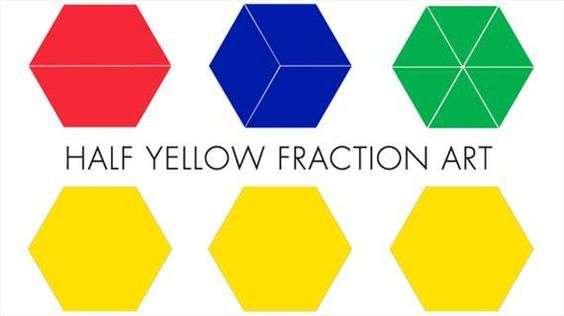
Half Yellow Fraction Art

Across the world, art has taken on innumerable forms, styles, and interpretations, fueled by the indefatigable human spirit. Among these is a fascinating concept named Half Yellow Fraction Art that has captured the attention of enthusiasts and critics alike. The idea finds its roots in the intentional juxtaposition of structure and freedom – combining calculated precision with unbridled self-expression.

What is Half Yellow Fraction Art?

Derived from an artistic movement that blurs the boundaries between abstract patterns and mathematical principles, Half Yellow Fraction Art celebrates individualism and plurality. It uses color palettes featuring half yellow, but not limited to yellow alone, as a jumping-off point to explore geometrical divisions. This process typically involves cutting spaces into fractions and filling them with various colors, techniques, or textures.

The Evolution of Half Yellow Fraction Art

Since its emergence as a distinct style in recent years, Half Yellow Fraction Art has experienced rapid evolution driven by artists’ innate curiosity and their willingness to experiment with different mediums. Digital platforms have also played a significant role in showcasing diverse interpretations of this unique style of art.

By embracing both traditional methods like painting and drawing as well as newer formats including digital illustrations, artists have managed to capture the essence of this discipline in myriad ways.

Techniques Employed

Some recurring themes in Half Yellow Fraction Art include symmetry, geometry, balance, repetition, contrast, and harmony. Key aspects often include:

1. Use of space: Bold usage of empty space creates striking contrast and draws attention to the colored areas.

2. Composition: Compositions are varied – from simple geometrical representations to more intricate designs teeming with elaborate details.

3. Division: The artwork consists of calculated sections filled with distinct colors or patterns that perfectly fit together like pieces of a puzzle.

Uniqueness in Interpretation

What sets Half Yellow Fraction Art apart from other genres is the sheer freedom that artists have in interpreting the concept. The art presents boundless possibilities for exploration, from structured to chaotic aesthetics, spontaneous to symmetrical compositions, and linear to curvilinear forms.

Despite being rooted in mathematical principles, there are no definitive rules. This gives way to a multiplicity of expressions that cater to a diverse audience with varying tastes.

Impact on the Art Community

Half Yellow Fraction Art has formed a niche community of artists and followers who regularly share their work, provide feedback, and encourage innovation. It has inspired art enthusiasts worldwide, resulting in international collaborations and exhibitions.

The Half Yellow Fraction Art movement’s inevitable trajectory towards growth promises an exciting future where traditional sensibilities and avant-garde inspirations coexist in harmony. As more artists embrace this style, it will continue to evolve, taking on new forms and capturing hearts around the globe.

Latest Posts