Art Education

Halloween Craft Activities for Kids: Unleashing Creativity and Fun!

Halloween is not only a time for sweet treats and spooky costumes but also a wonderful opportunity for kids to engage in creative crafts. Teach Starter provides an array of Halloween craft activities designed specifically for children to both celebrate the season and develop their artistic skills.

One of the key highlights of Teach Starter’s Halloween crafts is the variety they offer. Activities range from simple coloring pages suited for the youngest of ghouls to more complex projects that challenge older children to cut, glue, and construct. For example, children can create their own masks or fashion creepy, crawly spiders out of pipe cleaners.

Parents and educators can be relieved to find that most activities don’t require elaborate supplies. Common household items can be transformed into haunting masterpieces. The simplicity ensures that every child, regardless of their skill level or environmental resources, can participate.

Another significant aspect is the educational value hidden within these fun activities. As children measure, cut, and assemble, they’re unknowingly honing their fine motor skills. Moreover, following instructions to complete a craft improves reading comprehension and cognitive abilities. These craft activities act as disguised learning, keeping young minds sharp as they navigate through complex instructions or troubleshoot crafting complications.

Teach Starter also encourages inclusivity through these crafts. Halloween-themed group projects foster teamwork and social interaction among children. By working together on a spooky banner or coordinating a mini haunted house display, kids learn valuable collaborative skills while enjoying the holiday spirit.

Teachers are supported further with thoroughly planned lessons that include these craft activities in their curricula. This integration saves teachers time and ensures that even during festivity, there’s room for development and growth in classroom settings.

As the jack-o’-lanterns flicker and the ghostly decorations sway in the evening breeze, children filled with pride display their homemade crafts — each piece an expression of their personality interwoven with festive fun. Thanks to resources like Teach Starter, families and schools are equipped to celebrate Halloween through engaging, educational crafts that kids adore.

With unique templates and ideas ready to bring smiles and spur imagination, Teach Starter’s Halloween crafts are more than just pastime activities; they’re gateways into worlds of creativity where every child shines in their bewitching best!

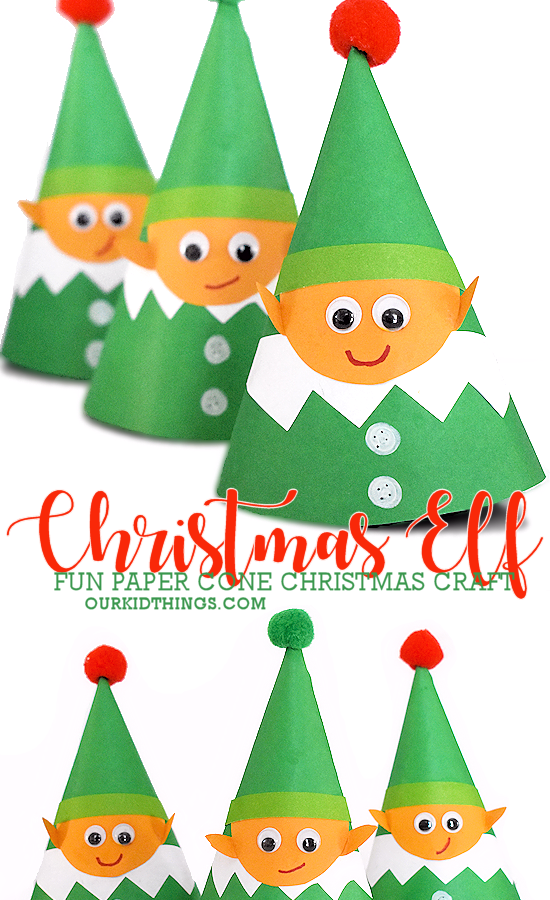
 

7 Easy Elf Crafts for Kids to Make Before Holiday Break

The holiday season is the perfect time to engage in creative activities with kids. Crafting not only sparks their imagination but also helps to keep them occupied during the busy festive season. Here are seven easy elf crafts that kids will love to make before their holiday break!

1. Pine Cone Elves: Collect some pine cones and give them a festive makeover. Use felt cut into elf hats and collars, glue small pom-poms for noses, and draw on a smile to bring your pine cone elf to life.

2. Elf Hats: Fashion tiny elf hats from green paper or felt. Embellish them with glitter, sequins, or jingle bells for that extra sparkle. They can be used as ornaments or even wearable headbands for holiday fun!

3. Elf Ornaments: Cut out elf shapes from construction paper or cardstock. Allow kids to decorate their elves with cotton balls for beards and fabric scraps for clothes. Hang these adorable ornaments on your Christmas tree or around the house.

4. Paper Plate Elves: Make use of paper plates by transforming them into elf faces with cut-out ears, googly eyes, drawn-on features, and yarn for hair. These can make festive wall decorations or door signs.

5. Candy Cane Elves: Dress up candy canes with a small fabric scrap cape and a cute paper face glued on top. These sweet treats double as whimsical keepsakes.

6. Elf Bookmarks: Encourage reading by creating elf bookmarks with craft sticks. Paint the sticks red or green, add a triangle felt hat and draw a friendly elf face.

7. Sock Elves: Have any single socks without pairs? Turn them into charming sock elves by filling them with rice or beans for weight, tying off the top as an elf hat, and adding facial features.

Not only do these crafts provide a joyous lead into the holidays, but they can also add a personal touch to your home’s decorations and potentially start new traditions for years to come!

World Poetry Day Activities2018

World Poetry Day, celebrated on March 21st, is a time when people around the globe honor poets and the art of poetry. In 2018, various activities were organized to celebrate this form of expression that transcends language, culture, and time.

Schools and educational institutions often spearhead World Poetry Day celebrations by organizing workshops where students can learn about different poetic forms and techniques. These workshops may include writing sessions where students are prompted to create their own poems, sometimes with guidance from established poets.

Literary groups and cultural organizations frequently host poetry readings in public spaces such as parks, libraries, and bookstores. The 2018 events featured diverse voices from local and international poets who offered readings in multiple languages to highlight poetry’s universal appeal.

Another popular activity is the social media campaign where organizations and individuals share their favorite poems or lines on platforms like Twitter or Instagram using dedicated hashtags like #WorldPoetryDay. This helps increase awareness about the day and encourages participation from a broader audience.

Many publishers take this opportunity to release poetry anthologies or new collections from emerging and well-known poets. Book signings and launch events are common, providing fans with opportunities to meet their favorite writers and discover new voices in the world of poetry.

In some cities, interactive installations such as “poetry walls” where passersby can write their favorite verses or compose impromptu lines are set up in public spaces. These communal activities encourage everyone to participate and contribute to the living tapestry of words that capture human experience.

Cafes and art centers often blend music with poetry, offering open mic nights that invite performers to share their work in a live setting. The synergy between spoken word poetry and acoustic music creates a rich sensory experience for audiences.

To commemorate this day in 2018, UNESCO – the organization that first declared March 21st as World Poetry Day – highlighted the need to support linguistic diversity through poetic expression. Efforts were made globally to provide a platform for endangered languages to be heard through poetry.

World Poetry Day activities extend far beyond these examples, as individuals and organizations find unique ways to pay homage to the art form. The key message of this day remains clear: poetry is an influential medium that has the power to change perspectives, challenge thinking, and bring people together across the divides of language and culture.

12 Teacher-Approved Earth Day Activities for Kids to Green Your Classroom (Plus Teacher Freebies)

Earth Day is a prime opportunity to instill eco-conscious values in students, and what better way to do it than with fun, engaging activities that not only educate but also inspire? From recycling projects to nature walks, here are twelve teacher-approved Earth Day activities designed to green your classroom and cultivate environmental stewardship.

1. Seed Starting:

Get kids’ hands dirty by starting a classroom garden. Planting seeds and watching them grow teaches children about plant life cycles and the importance of caring for living things.

2. Recycled Art Show:

Encourage creativity by challenging students to create artwork from recycled materials. Host an art show to showcase their masterpieces.

3. Classroom Clean-Up Challenge:

Turn cleaning into a game. Challenge students to find and properly dispose of litter around the school grounds.

4. Upcycling Workshop:

Teach kids how to repurpose old items into useful new ones, preventing waste and promoting resourcefulness.

5. Water Conservation Experiment:

Through simple experiments, demonstrate how much water is wasted daily and discuss ways to conserve it both in school and at home.

6. Eco-Friendly Daily Habit Chart:

Create a chart tracking daily eco-friendly habits like turning off lights or using both sides of paper, reinforcing positive habits.

7. Nature Walk and Scavenger Hunt:

Take learning outside with a nature walk. Incorporate a scavenger hunt for local flora and fauna, promoting observation skills.

8. DIY Bird Feeders:

Using recycled materials, have students make their own bird feeders, connecting them with local wildlife.

9. Green Reading Corner:

Curate a selection of environmentally themed books for a green reading corner where kids can learn about different aspects of ecology.

10. Energy Savings Investigation:

Have students investigate the school’s energy use and brainstorm ways to make it more efficient.

11. ‘Lights Off’ Hour:

Promote energy conservation with a ‘lights off’ hour where all non-essential lights are turned off during class.

12. Environmentally-Friendly Product Research:

Older students can research eco-friendly products and present their findings, examining the impacts of consumer choices on the environment.

Teacher Freebies

To support educators in these initiatives, many educational companies offer free resources for Earth Day:

– Ecological teaching materials (worksheets, lesson plans)

– Posters promoting environmental awareness

– Seeds or starter plants for gardening projects

– Recycling bins for classroom use

– Digital tools/apps that gamify eco-learning

Remember, the key is not just one day of action but fostering an ongoing commitment to protecting our planet!

Classroom Art Projects Inspired by Children’s Books

Art classroom projects inspired by children’s books can transform the way students appreciate literature and visual arts. Integrating the storytelling element into the art curriculum not only enhances literacy skills but also fosters creative expression. Here are some classroom art projects that take a page out of popular children’s books:

1. Where the Wild Things Are – Monster Masks:

After reading Maurice Sendak’s beloved book, “Where the Wild Things Are,” students can create their own wild thing masks using paper plates, paint, feathers, and assorted craft materials. This project allows children to unleash their imagination and embody their unique version of a “wild thing.”

2. The Very Hungry Caterpillar – Tissue Paper Collages:

Eric Carle’s distinctive collage illustrations serve as a perfect inspiration for students to make their own tissue paper collages. Children can follow the story of “The Very Hungry Caterpillar,” creating each food item that the caterpillar eats through vibrantly colored tissue paper.

3. Charlotte’s Web – Word Webs:

E.B. White’s classic, “Charlotte’s Web,” provides an opportunity for a mixed-media project. Students can create spider webs using yarn and chalk on black paper. Within the web, they can write positivewords or adjectives to describe themselves or a classmate, mimicking Charlotte’s web-writing talent.

4. Rainbow Fish – Scale Sparkle:

In “The Rainbow Fish” by Marcus Pfister, sharing is a central theme. After reading this book, kids can decorate fish cut-outs with aluminum foil scales to capture the light-reflecting beauty of Rainbow Fish’s scales and exchange them with classmates to practice sharing.

5. Harold and the Purple Crayon – Imaginative Murals:

Taking inspiration from Crockett Johnson’s “Harold and the Purple Crayon,” students are given a large roll of paper and purple crayons or markers to create their collaborative mural. The idea is for each child to contribute by drawing part of an expansive imaginative landscape.

6. The Snowy Day – Snowflake Symmetry:

Incorporating math into art, students can create snowflakes after reading Ezra Jack Keats’ “The Snowy Day.” Focusing on symmetry and pattern-making, they can cut folded paper into intricate designs that represent snowflakes, combining art with mathematical concepts.

7. Matilda – Themed Bookmarks:

Celebrate Roald Dahl’s love of reading in “Matilda” by having students craft their own bookmarks using card stock, ribbons, and illustrations inspired by scenes or characters from the book.

These art projects bring stories to life while encouraging literary appreciation, artistic skills development, and a multidisciplinary approach to learning. They help students establish a deeper connection with what they’re reading and allow them to express their understanding through creative means.

13 St Patrick’s Day Activities for Lucky Kids to Try in the Classroom

St. Patrick’s Day is a wonderful opportunity to inject a little magic and culture into the classroom with activities that are both educational and fun! Whether you’re teaching about Irish history, folklore, or simply looking for an excuse to have a good time, there’s no shortage of engaging activities for lucky kids to try. Here are 13 ideas to get the celebration started:

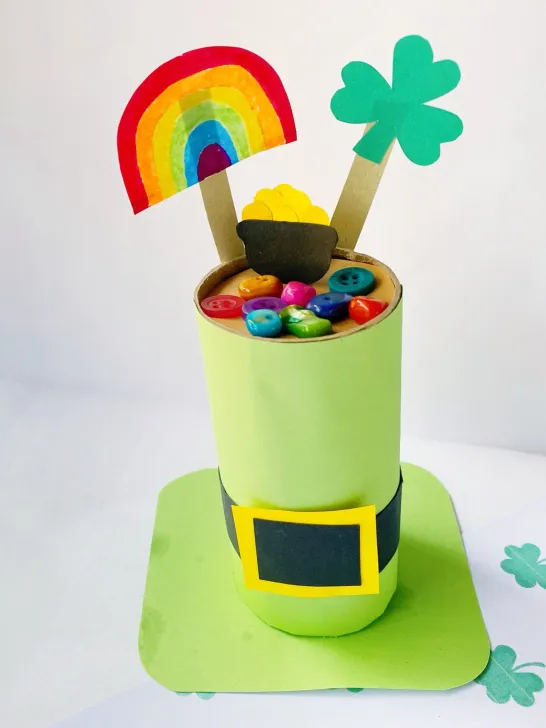
1. Leprechaun Trap Engineering: Challenge students to create their own leprechaun traps using various materials. This STEM activity encourages problem-solving and innovation.

2. Irish Folk Music and Dance: Teach kids a traditional Irish jig and play some folk music in the classroom. It’s a great way for them to learn about the culture while staying active.

3. Shamrock Science: Have students learn about plant biology by studying shamrocks, or use green food coloring in water to teach lessons about capillary action in plants.

4. St. Patrick’s Story Time: Read books about St. Patrick, Irish folklore, and stories about leprechauns to introduce kids to the historical and mythical aspects of the holiday.

5. Pot of Gold Mathematics: Use plastic gold coins for counting exercises or basic math problems to make learning arithmetic more festive.

6. Rainbow Experiments: Let children explore light and color by creating rainbow themed science experiments such as using prisms or making rainbow paper.

7. Green Snack Party: Host a healthy green treat day where kids can only bring in snacks that are naturally or artificially green, teaching them about food choices and colors.

8. Irish History Lesson: Provide a lesson on Ireland, its history, geography, and significant figures—a multifaceted approach to social studies around the day.

9. DIY Shamrock Crafts: Encourage creativity by having students craft shamrocks out of construction paper, glitter, beads, and other materials.

10. Write Limericks: Introduce students to this style of poetry and let their creativity run wild as they come up with silly or whimsical five-line verses.

11. Discover Irish Legends: Discuss famous Irish legends and myths such as the story of the Claddagh ring or the legend of Finn McCool.

12. Leprechaun Gold Hunt: Hide “gold” coins around the classroom or schoolyard for children to find, incorporating physical activity into the St Patrick’s Day fun.

13. Dressing Up Green Day: Have everyone wear green attire or accessories for a day—it’s an easy way for students to participate in St Patrick’s Day festivities.

By incorporating these activities into your curriculum around March 17th, you can turn St. Patrick’s Day into an exciting learning experience full of culture, history, science, art, math, literacy, and physical exercise!

How to Draw a Boy for Kids – Task Card

Drawing can be a fun and creative activity for kids of all ages. It allows them to express themselves and bring their imagination to life on paper. Today, we’re going to learn how to draw a simple boy that’s perfect for young artists. So grab your pencils, and let’s get started!

Step 1: Draw the Head

Begin by drawing a large circle near the top of your paper. This will be the head of your boy. Don’t worry if it’s not perfect; the aim is to have fun!

Step 2: Add Facial Features

Inside the circle, draw two dots for eyes, a curved line for the nose, and a wide U-shape for the mouth. Keep it simple – these features don’t need to be detailed.

Step 3: Draw the Body

Underneath the head, draw a small rectangle for the body. The rectangle doesn’t need to be long; remember that we’re drawing a child.

Step 4: Add Arms and Hands

From each side of the rectangle, extend two lines down for arms. At the end of each arm, add a small oval or circle for the hands.

Step 5: Draw Legs and Feet

Right beneath the body, draw two straight lines down for legs. At the bottom of these lines, add a smaller horizontal line for feet.

Step 6: Detail with Clothes

Now let’s dress him up! Draw a horizontal line across the body rectangle for a belt, add tiny rectangles on the ends of arms for sleeves, and draw lines at the ends of legs as pant legs. You can even add laces or straps on shoes.

Step 7: Add Hair

Back at the head, give our boy some hair. Whether it’s short spikes or long curls, let your child decide what style they like.

Step 8: Final Touches

You can add details like shirt pockets or buttons or give him a hat on top of his head. Encourage kids to personalize their drawing with colors and additional accessories.

Congratulations! Your child has now successfully drawn a simple boy cartoon. This activity is not just about drawing but also about encouraging creativity and fine motor skills development in children. Remember that practice makes perfect and each drawing is unique and special!

Ideas Grandparents Day Crafts

Grandparents Day is a time to celebrate and appreciate the love and wisdom that grandparents bestow upon their families. It’s a wonderful opportunity for grandchildren to show their affection through creative expression and handmade crafts. Here are several ideas for Grandparents Day crafts that can make this day even more special:

1.Personalized Photo Frames: Decorate wooden or cardboard frames with paint, glitter, and small embellishments. Children can add a favorite photo with their grandparents to personalize it further.

2.Handprint Art: Use non-toxic paint to create handprint art on canvases or high-quality paper. This could be as simple as colorful handprints arranged in a heart shape, or more complex like transforming handprints into animals or flowers.

3.Memory Jar: Fill a decorative jar with handwritten notes, recalling fond memories or things the grandchildren love about their grandparents. Decorate the jar with ribbons and stickers for a personal touch.

4.Customized Tote Bags: Purchase plain canvas tote bags and allow the grandchildren to decorate them with fabric paints, markers, or iron-on transfers that relate to their grandparents’ hobbies and interests.

5.Garden Stones: Create beautiful stepping stones for the garden by mixing concrete and having children place stones, glass beads, or tiles in it to create a mosaic effect.

6.Recipe Book: Collect family recipes and have children illustrate them or write them out by hand. Bind them in a simple book as a keepsake.

7.Interview Book: Have the grandchildren interview their grandparents about their lives and compile the stories and photos into a small book.

8.Bookmark Craft: Create bookmarks using cardstock, photographs, stickers, and yarn tassels—perfect for grandparent readers!

9.Knit or Crochet Project: Older children who know how to knit or crochet can make simple scarves, hats, or even pot holders for their grandparents.

10.DIY Ornaments: Whether it’s for Christmas or just as a decorative item, hand-painted wood or ceramic ornaments can become cherished household items.

Each of these crafts provides an interactive way for grandchildren to connect with their grandparents’ past while also making new memories together. Not only do these projects foster creativity but they also serve as heartfelt tokens of love to honor the special bond between grandchildren and grandparents on this meaningful day.

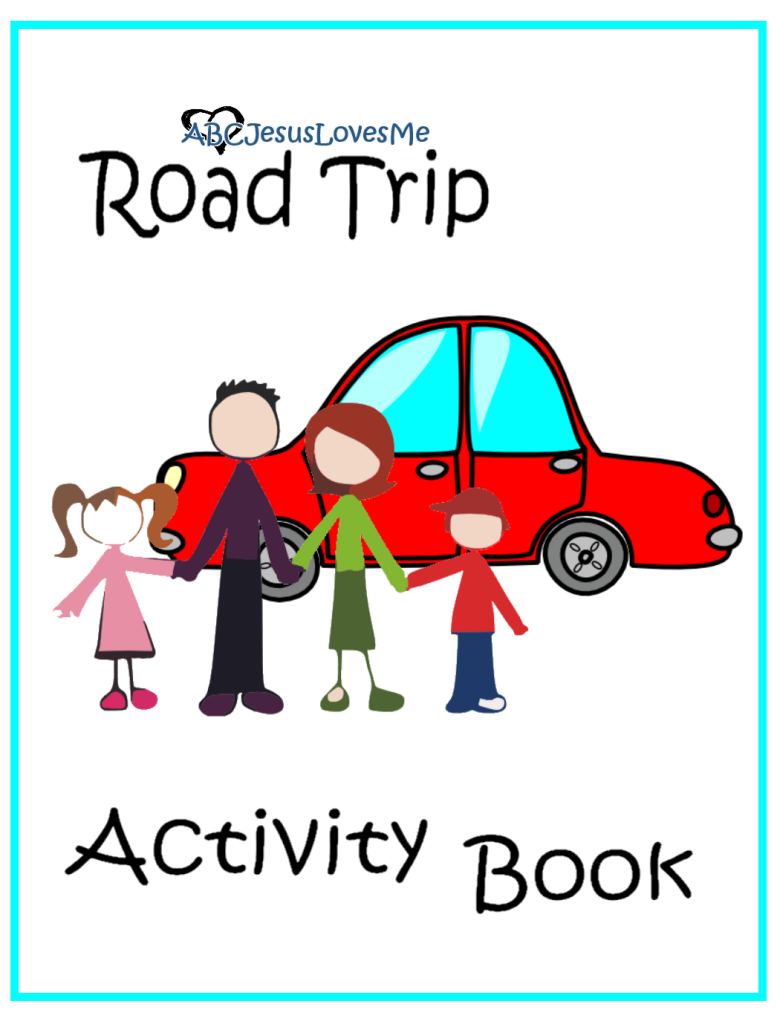
Road Trip Activity Book Cover Page

The open road stretches out before you, speckled with the anticipation of memories waiting to be made. Amid the excitement and adventure, there’s the inevitable question of how to keep everyone entertained during those long stretches of travel. Enter the road trip activity book – a savior for parents and travelers alike. However, before it can take on its pivotal role, this magical booklet needs the perfect cover page that invites both curiosity and excitement.

A well-crafted cover page is more than just a protective sheath; it serves as a prelude to the fun and games hidden within its pages. It must be catchy enough to grab attention, yet representative of the content that lies beneath. Here’s how to design one that will ensure your road trip activity book is picked up again and again.

 Choose a Theme That Resonates

Think about what defines a road trip for you. Is it the national parks, roadside diners, or historical landmarks? Choose a theme that captures the essence of a journey. Such themes could include maps dotted with iconic symbols, cartoonish depictions of family cars filled with luggage and happy faces, or wildlife one might encounter along various routes.

 Employ Bright and Engaging Colors

A road trip is lively and vibrant; your cover page should reflect that. Use bright, engaging colors that stand out but also harmonize well together. Think sunny yellows, sky blues, and adventurous reds—colors that evoke emotion and excitement.

 Integrate Interactive Elements

In keeping with the interactive nature of an activity book, consider including elements on the cover that suggest or allow for interaction. It could be a small maze on one corner of the cover or spots to place stickers that come with the book.

 Use Bold, Readable Typography

The title of your activity book should be readable from a distance—a font that stands out against your colorful backdrop. It must also hint at fun; playful typefaces are usually more suitable than strict, serif fonts for this purpose.

 Add Teasers for Inside Content

Give potential readers a sneak peek into what awaits them inside. This could be through images leaking from within like lines from puzzles or games or through text like “Featuring crosswords, Sudoku, and I-Spy!”

 Show Age Appropriateness

Since activity books are often targeted at children of specific age ranges, your cover must communicate this clearly—using icons representative of ideal age groups helps guardians select appropriate books quickly.

Creating an inviting road trip activity book cover page isn’t just about aesthetics; it’s about communicating what kind of fun lies in wait within its pages. With thoughtful design choices aligning visuals and information harmoniously, you’ll have families eager to flip open the book and dive into interactive entertainment mile after mile.

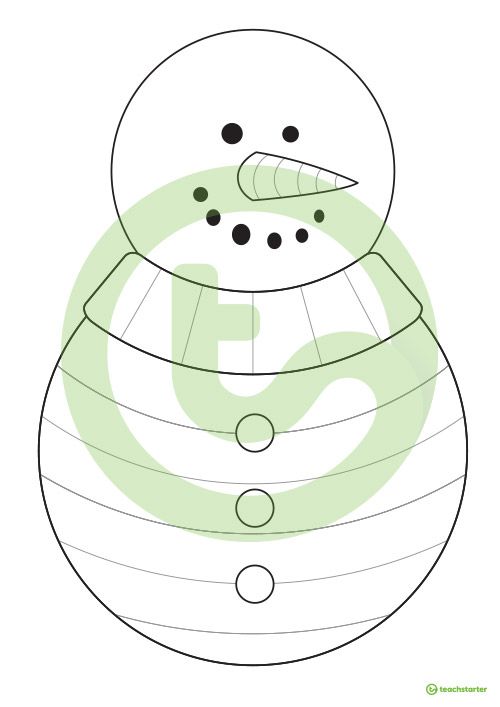
Funky Snowman Craft Template

As winter wraps the world in its chilly embrace, craft enthusiasts and families alike seek fun indoor activities to share the warmth of creativity. Enter the Funky Snowman Craft Template – a delightfully whimsical project to brighten up any frosty afternoon!

Embracing Individuality in Every Snowflake

Our Funky Snowman doesn’t conform to the traditional three spheres stacked upon each other. The template encourages crafters to explore their artistic flair by giving life to snowmen (and snowwomen) with unique twists. Each template offers various accessories and features such as stylish hats, scarves, button patterns, and different shaped noses, allowing for a multitude of designs.

Materials Needed for Your Funky Snowman:

– The Funky Snowman Craft Template

– Heavy white paper or card stock

– Scissors

– Glue or double-sided tape

– Markers, crayons, or paint

– Optional embellishments: glitter, fabric scraps, buttons

The template includes outlines for body parts and accessories that you can color and cut out. Mix and match pieces to create a snowman with a personality as unique as your own!

Time for Crafting Magic

Once you’ve gathered your materials:

1. Color in your snowman components on the heavy paper using markers, crayons, or paint.

2. Embellish with glitter or other items from around the home (old fabric scraps make excellent scarves).

3. Carefully cut out each part of your snowman.

4. Assemble by gluing the pieces together; start with the largest snowball for the base and work your way up.

5. Customize further by drawing on facial expressions that fit your funky snowman’s unique character.

Families can dedicate an afternoon to creating an entire funky snowman family where every member showcases different aspects of their maker’s personality. This is not just about crafting; it’s about storytelling through art.

Preserving Your Creation

To ensure your Funky Snowman withstands the test of time (and doesn’t melt away like its real-world counterpart), consider laminating each piece before assembly. This practice also makes it possible to reuse parts next year, perhaps combining them with fresh elements for a new twist!

The Funky Snowman Craft is perfect for classroom activities, holiday decorations, or just as a creative outlet on a snowy day at home. Share your masterpieces on social media or gift them to loved ones as a joyful reminder that like snowflakes – no two Funky Snowmen are alike.

So grab your glue sticks and let your imagination run wild with this fun-filled Funky Snowman Craft Template!