Art Education

Origami Teaching Resources

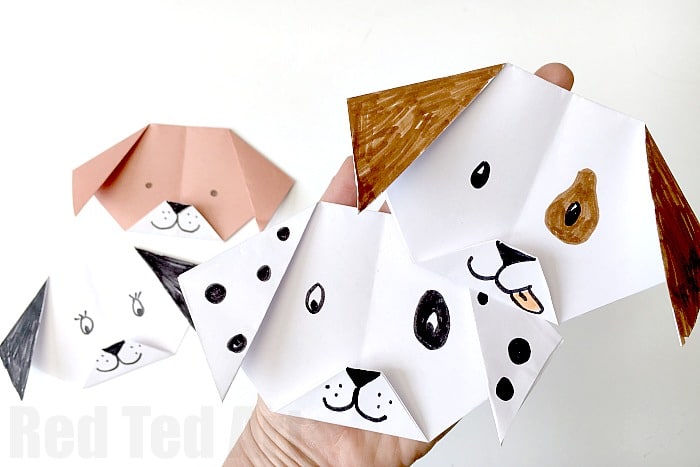
Origami, the art of paper folding, is not just a creative endeavor, but also an educational tool that offers a wealth of benefits to learners of all ages. As it gains popularity in classrooms around the world, educators are seeking out resources to effectively integrate origami into their teaching practices. In this article, we’ll explore some of the top origami teaching resources available for teachers and students alike.

Books are a fundamental resource for learning origami. One seminal work is “Origami Design Secrets” by Robert Lang, which not only provides instructions for creating complex models but also delves into the mathematics behind the art. For younger audiences, books like “Easy Origami” by John Montroll can kickstart a child’s journey into paper folding with simple models.

Online tutorials and video resources have revolutionized how we learn origami. Websites like Origami-Instructions.com and Origami.me provide free diagrams and step-by-step instructions for making a wide array of models. YouTube channels such as Jo Nakashima and Tadashi Mori offer high-quality videos that cater to both beginners and advanced folders, making it easier than ever to master the art from anywhere in the world.

Interactive learning platforms such as Foldscope or Oribot are an excellent way to engage students through technology. These platforms often combine origami with other disciplines like robotics or microscopy, offering a multidisciplinary approach to teaching through origami.

Educational programs such as OrigamiUSA offer workshops and classes for those looking to enhance their skills in a structured environment. They also host events and conferences that provide opportunities for educators to share strategies on incorporating origami into their curriculum.

For classroom support, teachers can utilize lesson plans that incorporate origami into subjects like math, science, and social studies. Websites like The Spruce Crafts have sections dedicated to origami lesson plans linking the craft with mathematics topics like geometry or fractions.

Lastly, communities and forums dedicated to origami such as The Origami Forum serve as platforms where educators can exchange ideas, seek advice, and collaborate on projects. These communities are invaluable for finding support among peers who share a passion for using origami as an educational tool.

The wealth of resources available today makes it possible for educators to integrate origami into their teaching toolkit with ease. Whether through books, online tutorials, interactive technologies, or community support, these resources provide an accessible pathway for enhancing student engagement and learning through the timeless art of paper folding.


Printable Paper Ornament – Angel Tree Topper

As the festive season approaches, the joy of decorating the tree becomes front and center in our holiday preparations. One ornament that holds great significance and beauty is the angel tree topper. These celestial figures have adorned Christmas trees for generations, symbolizing peace, protection, and the heavenly aspect of the holiday narrative.

This year, why not add a personal touch to your tree with a printable paper ornament – an angel tree topper that you can create at home? Not only is this a delightful DIY project that adds a unique charm to your decorations, but it’s also a fun activity that can involve the whole family.

Crafting your own angel tree topper with printable templates offers several advantages:

– It’s cost-effective since you are using paper and your own resources.

– Paper ornaments are lightweight and won’t weigh down the tips of your branches as some heavier toppers do.

– The design can be customized; from choosing different colors and patterns of paper to adding glitter, sequins, or other embellishments.

– Making your own decorations fosters creativity and gives you a sense of accomplishment.

– Printable designs can be found in diverse styles, ensuring there’s something for every taste.

To create your own printable paper angel tree topper, you’ll need:

– A high-quality paper or card stock

– A printer

– Scissors

– Glue or tape

– Optional: Decorative materials such as glitter or sequins.

The process is straightforward:

1. Choose a template design that resonates with you. Many websites offer free printable designs during the holidays.

2. Print out the template on paper or card stock for a sturdier structure.

3. Carefully cut out the template following the provided lines.

4. If your design requires it, fold along designated lines to create depth and shape.

5. Use glue or tape to secure any tabs or edges to form your angel.

6. Finally, add any decorative materials you like.

Once completed, place your handcrafted angel atop your Christmas tree or any other special spot in need of festive cheer.

Creating a printable paper ornament – an angel tree topper – is not just about adding beauty to your Christmas decor; it’s about engaging in an artistic tradition that brings joy and warmth into our homes during this most magical time of year. So gather some supplies, choose a template that speaks to your heart, and allow your creativity to bring these paper angels to life. Let them stand as gentle guardians over your holiday festivities, adding both elegance and personalization to your season’s celebrations.

23 Clever Book Week Costume Ideas for Teachers to Inspire You in 2023

Book Week is an exciting time for teachers and students alike! It’s a chance to celebrate literature, stir up enthusiasm for reading, and of course, get creative with costumes! Whether you’re looking to embody a classic character or bring a modern favorite to life, here are 23 ingenious Book Week costume ideas for teachers that are sure to inspire and delight your students in 2023.

1. The Cat in the Hat – Dr. Seuss’s beloved character is always a hit. Don’t forget your red and white striped hat!

2. Mary Poppins – With a carpet bag and umbrella, you’ll be practically perfect in every way.

3. Willy Wonka – Embrace Roald Dahl’s magical candy creator complete with a top hat and purple jacket.

4. Miss Frizzle – From “The Magic School Bus,” don an outrageous dress with science-themed prints.

5. Sherlock Holmes – A deerstalker hat and pipe will have you solving mysteries through the day.

6. Gandalf the Grey – A long grey robe and wizard’s hat will appeal to “Lord of the Rings” fans.

7. Harry Potter – Round glasses, a lightning scar, and a Gryffindor scarf make this a timeless choice.

8. Katniss Everdeen – Embrace “The Hunger Games” with a mockingjay pin and bow and arrow.

9. Paddington Bear – Don’t forget your blue coat, red hat, and a jar of marmalade!

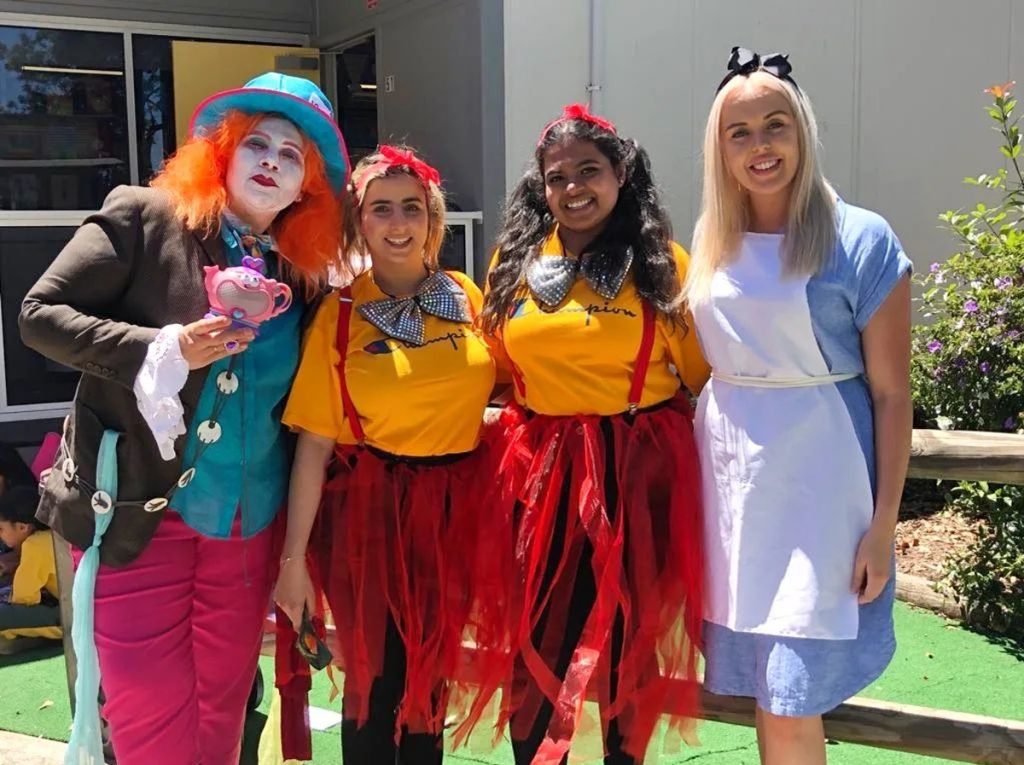
10. Alice in Wonderland – A blue dress paired with a white apron will take you down the rabbit hole.

11. Where’s Waldo? – A red striped shirt and beanie make this an easy yet iconic costume.

12. The Gruffalo – For those willing to go the extra mile with a full costume of horns, tusks, and orange eyes.

13. Matilda Wormwood – Channel Roald Dahl’s brilliant character with books in hand and a red ribbon in your hair.

14. The Snow Queen – A shimmering blue gown and crown will turn heads while evoking Hans Christian Andersen’s tale.

15. Atticus Finch – From “To Kill a Mockingbird,” wear a classic suit and bring along an impressive moral compass.

16. Elizabeth Bennet – Step into Jane Austen’s world with an empire waist dress from the Regency era.

17. Peter Pan – Never grow up with this fun costume complete with green tights and feathered cap.

18. The Lorax –Speak for the trees as this Dr. Seuss character in orange and yellow fur coat plus whiskers.

19. Madeline –A blue capelet over a white collared dress accompanied by a yellow hat symbolize this brave little girl.

20. Curious George & The Man with the Yellow Hat – Ideal for partner teachers looking for matching costumes!

21. Hester Prynne – An iconic figure from “The Scarlet Letter,” recognizable by her emblematic A pinned on her dress.

22. The Very Hungry Caterpillar – This can be an eye-catching costume created using green clothes and colorful shoes for the caterpillar segments!

23. Max from “Where the Wild Things Are” – Crown yourself king of the wild things in white pajamas adorned with furry monster feet and crown ears!

15 Teacher-Favorite Grandparents’ Day Crafts and More Fun Ideas for the Classroom

Grandparents’ Day is a special occasion that allows children to celebrate their grandmothers and grandfathers, and what better way to mark the day than with creative projects and fun activities in the classroom? Here are 15 teacher-favorite crafts and ideas for incorporating Grandparents’ Day into your lesson plans:

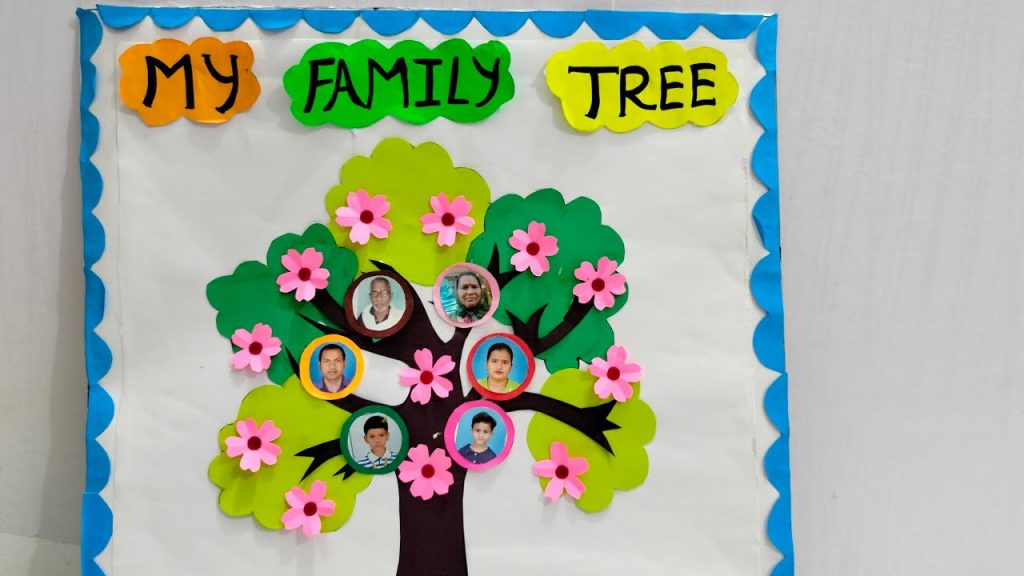
1. Family Tree: Students can create a family tree collage, adding photos and drawings of their grandparents and other family members.

2. Handprint Art: Grandparents will love receiving handprint art from their grandchildren, whether it’s on canvas, paper, or a plant pot.

3. Interview Project: Encourage students to interview their grandparents about their life stories, then present the findings through a poster or digital presentation.

4. Memory Books: Have students craft small memory books filled with writing prompts that grandparents can fill out and return.

5. Recipe Sharing: Students bring in their grandparents’ favorite recipes to share with the class, perhaps compiling a classroom recipe book.

6. Storytime: Invite grandparents to storytime where they can read their favorite childhood books to the class.

7. Rock Painting: Decorating rocks with colorful designs or kind messages makes for a simple yet memorable gift.

8. Knitting Circle: If any grandparents have knitting skills, they can spend an afternoon teaching the class how to knit simple patterns.

9. Time Capsules: Students make time capsules filled with current items and predictions, which they can open with their grandparents on a future Grandparents’ Day.

10. Custom Bookmarks: With some cardstock, markers, and decorative materials, students can create personalized bookmarks for their grandparents who love to read.

11. Historical Timeline: A fantastic educational project would be to have each student create a historical timeline of events that occurred during their grandparents’ youth.

12. Photo Frames: Decorating photo frames is not only fun but also provides grandparents with a special place to keep cherished photos.

13. Quilting Patchwork: A community quilting project where each student contributes a patch designed for their grandparent creates a unique gift filled with school memories.

14. “Then and Now” Comparisons: Have students discuss technology, hobbies, music, etc., from their grandparents’ era compared to now, culminating in an interesting classroom discussion or display.

15. Pen Pal Letters: If distance makes it hard for some students’ grandparents to visit the school, begin a pen pal system where they exchange letters throughout the year.

These crafts and activities not only enhance creativity among students but also help strengthen the precious bond between them and their grandparents while developing an appreciation for family history within your learning environment.

How to Make an Origami Fidget Toy — Origami Video for Kids

Fidget toys have become a popular way for kids and even adults to manage stress, improve concentration, and just have fun. With the rise of DIY culture, making your own origami fidget toy is not only a creative endeavor but also an engaging craft activity for kids. With simple folding techniques, anyone can create a colorful and playful fidget toy. Here’s a step-by-step guide and a suggestion for an origami video that could help kids create their own origami fidget toy.

Materials Needed:

– Square origami paper (15cm x 15cm is a good size)

– Your hands!

– Optional: Stickers or markers for decoration

Instructions:

1. Start with a square piece of origami paper color side down.

2. Fold the paper in half diagonally to make a triangle.

3. Open it and fold it in half diagonally the other way, so you get cross creases on the paper.

4. Turn the paper so the color side is up, and fold it in half to form a rectangle.

5. Open it again and fold it in half to form the other rectangle.

6. With the creases made, use them as guides to collapse the paper into a smaller square base known as the ‘waterbomb base’.

7. Rotate the square base so that one corner points up and one points down.

8. Fold the top layer of both bottom corners to meet at the top point, creating what looks like a kite shape.

9. Flip it over and do the same on the backside – folding both corners up to meet at the top point.

10. Take one of the flaps at the bottom that you just folded up and fold it down so its top edge aligns with where you see color (showing from between where you just folded). Repeat on all 4 flaps (both on front and back).

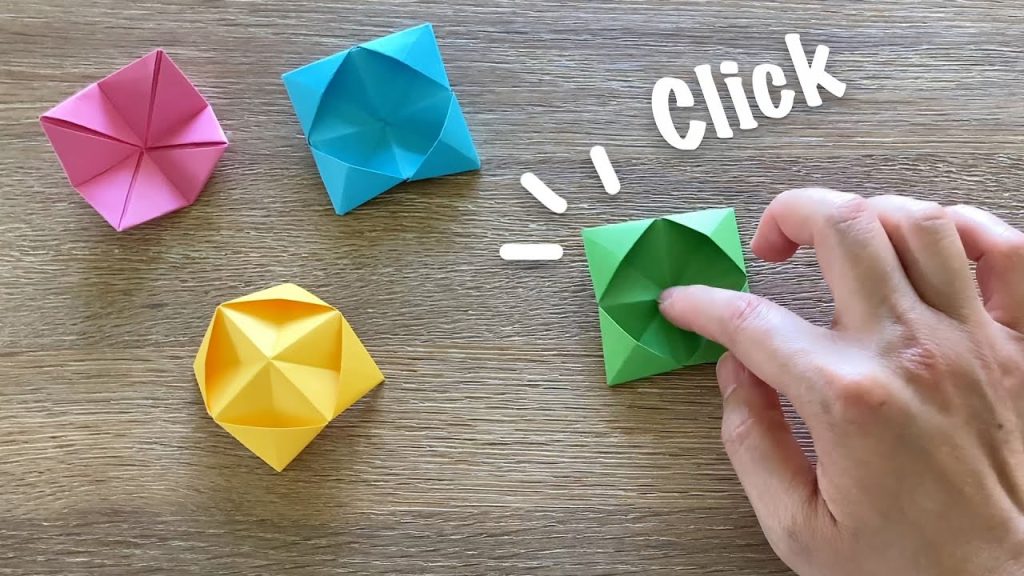
11. Gently pry apart one set of these flaps to inflate your fidget toy.

For a fun visual guide that’s kid-friendly, check out “Easy Origami Fidget Toy Tutorial” by Origami Fun on YouTube. This short instructional video breaks down each step with clear visuals appropriate for kids to follow along with.

With your new origami fidget toy in hand, you can play with it by pushing inwards and letting it pop back out – this motion is both satisfying and perfect for keeping little fingers busy! Plus, personalizing your toy with stickers or drawings makes it uniquely yours.

Not only does this activity promote fine motor skills development, but it also encourages following instructions, patience, and creativity amongst kids (and adults!). Grab some paper and start folding – happy crafting!

Funky Reindeer Craft Template

It’s that time of the year again, when the sweet scent of hot cocoa fills the air, and the world is adorned with sparkling lights. Among the many symbols that represent the joy of the holidays, reindeer stand out as beloved characters. This year, add a funky twist to your holiday decorations with a fun DIY project – our Funky Reindeer Craft Template.

Why settle for ordinary when you can go for extraordinary? Our Funky Reindeer Craft Template is designed to bring a vibrant pop of fun to your home or classroom holiday decor. Kids and adults alike can enjoy creating their own unique reindeer with just a few simple supplies.

What You’ll Need:

– The Funky Reindeer Craft Template (printed on cardstock for durability)

– Colored markers, crayons, or paints

– Scissors

– Glue or tape

– Optional: embellishments like glitter, pompoms, googly eyes, or sequins

Instructions:

1. Print out the Funky Reindeer Craft Template on cardstock.

2. Let your creativity flow! Color in your reindeer using bold and bright colors. Think outside of traditional brown and red – why not try a purple reindeer with lime green antlers?

3. Once you’re happy with your coloring work, carefully cut out the reindeer along the outlines provided.

4. Use glue or tape to attach any embellishments you’d like. A pompom can make a quirky nose, and googly eyes can add an amusing touch of whimsy.

5. Place your completed Funky Reindeer on a wall, door, or refrigerator to contribute to festive cheer.

This craft is not only great for keeping kids entertained during holiday gatherings but also helps stimulate their creativity and motor skills. What’s even more exciting is that each reindeer will be unique – just like snowflakes!

Teachers can use this Funky Reindeer Craft Template in their classrooms for a fun holiday-themed activity that doubles as eye-catching decor for school hallways or bulletin boards.

So don’t stick to the same old holiday repertoire this year. Go funky with our easy-to-use Reindeer Craft Template and watch as these charming creatures bring smiles and lively color to wherever they’re displayed!

7 Character Traits Anchor Chart Ideas That Knock it Out of the Park

Character traits are the attributes, qualities, or features that make up an individual’s personality. Teachers often use anchor charts in the classroom to help students understand and recognize these traits in characters from their readings. Here are seven character traits anchor chart ideas that stand out:

1. The Garden of Traits – Create a colorful garden-themed chart where each flower represents a different character trait. Use bold text for traits like “Honesty,” “Bravery,” and “Compassion.” Beneath each flower, give examples of actions or choices a person with that trait might make.

2. Traits on Trial – Set up a courtroom scene where different character traits are ‘on trial.’ Show evidence for why a trait like “Empathy” might be important for characters by citing examples from well-known stories. This engages students in critical thinking about how character traits affect outcomes in narratives.

3. Traits as Tools – Depict various character traits as tools in a toolbox. Explain how each tool/trait can be ‘used’ to build relationships or solve problems within stories. Traits like “Determination” could be illustrated as a hammer, driving home the importance of persistence.

4. Superhero Traits – Capitalize on the popularity of superheroes by tying character traits to their powers. For example, link “Courage” with Superman or “Innovation” with Iron Man. Include specific instances where these heroes’ traits helped them overcome challenges.

5. Trait Tree – Draw a large tree where the roots represent foundational traits like integrity and the branches show outward actions stemming from those core attributes. This helps visualize how internal characteristics influence external actions.

6. Character Trait Spectrum – Create a spectrum or gradient chart showcasing how certain traits can range from mild to strong, such as “Shy,” “Reserved,” and “Outgoing.” This helps students understand that traits can exist in varying degrees and are not just binary.

7. Traits Across Cultures –Highlight how various character traits are valued differently across cultures. This can help students appreciate diversity and also recognize universal traits like “Respect” or “Kindness” that are common across different communities.

These anchor chart ideas can create a dynamic and engaging learning environment which not only aids in comprehension but also encourages students to draw connections between their own personalities and those they read about in books, enabling deeper self-awareness and empathy for others.

8 Christmas Craft Ideas to Add a Festive Feel to Classroom Activities

Christmas crafts are a fabulous way to get into the festive spirit and can be a great addition to any classroom activity agenda. Engaging in hands-on projects not only fosters creativity but also encourages teamwork and instills a sense of accomplishment in students. Here are eight Christmas craft ideas that will add a festive feel to your classroom activities:

1. Pine Cone Christmas Trees – Collect pine cones and have students paint them green. Once dried, they can decorate them with small pompoms and glitter as ornaments and mount them on top of cut-out cardboard circles for the base.

2. Holiday Wreaths – Using paper plates as a base, students can cut out the center to create wreaths. They can then glue on cut-out leaves from construction paper, add red ribbon for decoration, or attach small red pompoms as holly berries.

3. Paper Snowflakes – One of the classics, creating snowflakes from folded and cut paper is always a hit. Students can explore different patterns and once finished, these can be hung around the classroom or on windows.

4. Festive Bookmarks – Craft bookmarks using red and green paper, adding holiday-themed stickers, or shapes such as trees, stars, or reindeer.

5. Santa Hats – A simple craft where students measure their heads and create a cone-shaped Santa hat using red construction paper. They can then add cotton balls or white paper along the bottom edge and a pom-pom at the tip.

6. Gingerbread House Cards – With cardboard or stiff paper, help students cut out a gingerbread house shape that folds open like a card. Decorate with markers, colored pencils, and maybe even candy stickers for extra sweetness.

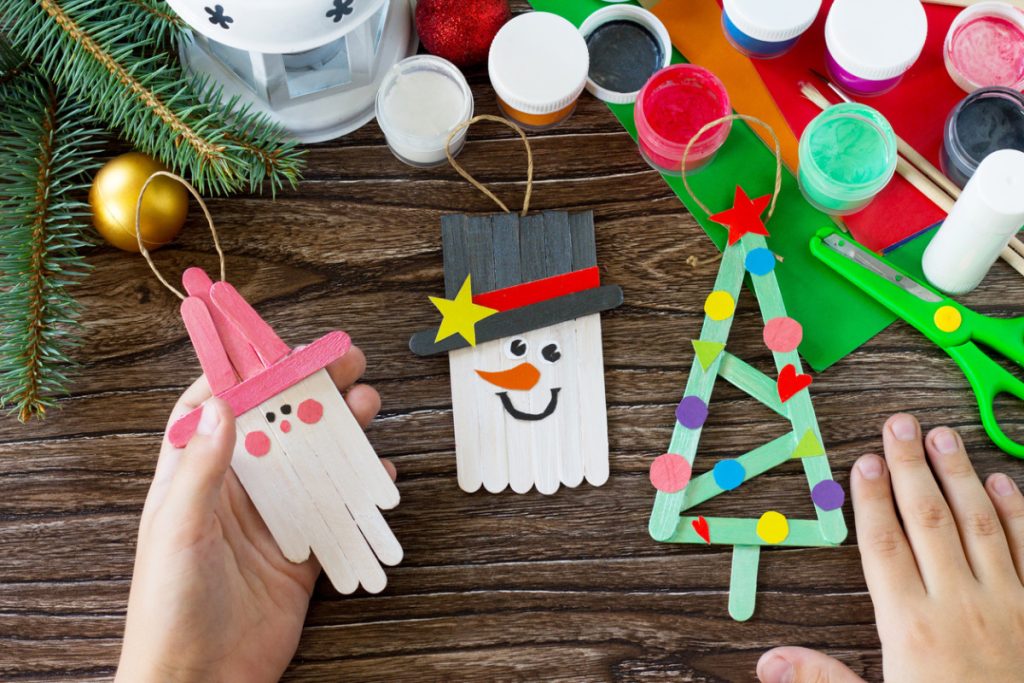
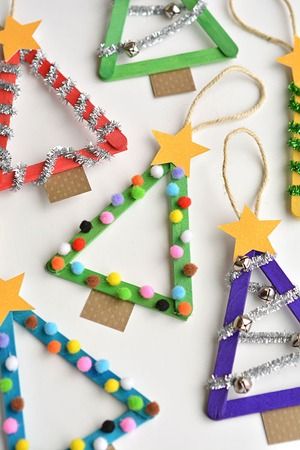
7. DIY Ornaments – Provide different materials such as popsicle sticks, clay, or recycled materials to create unique DIY Christmas ornaments which students can take home for their own tree or decorate the classroom tree if you have one.

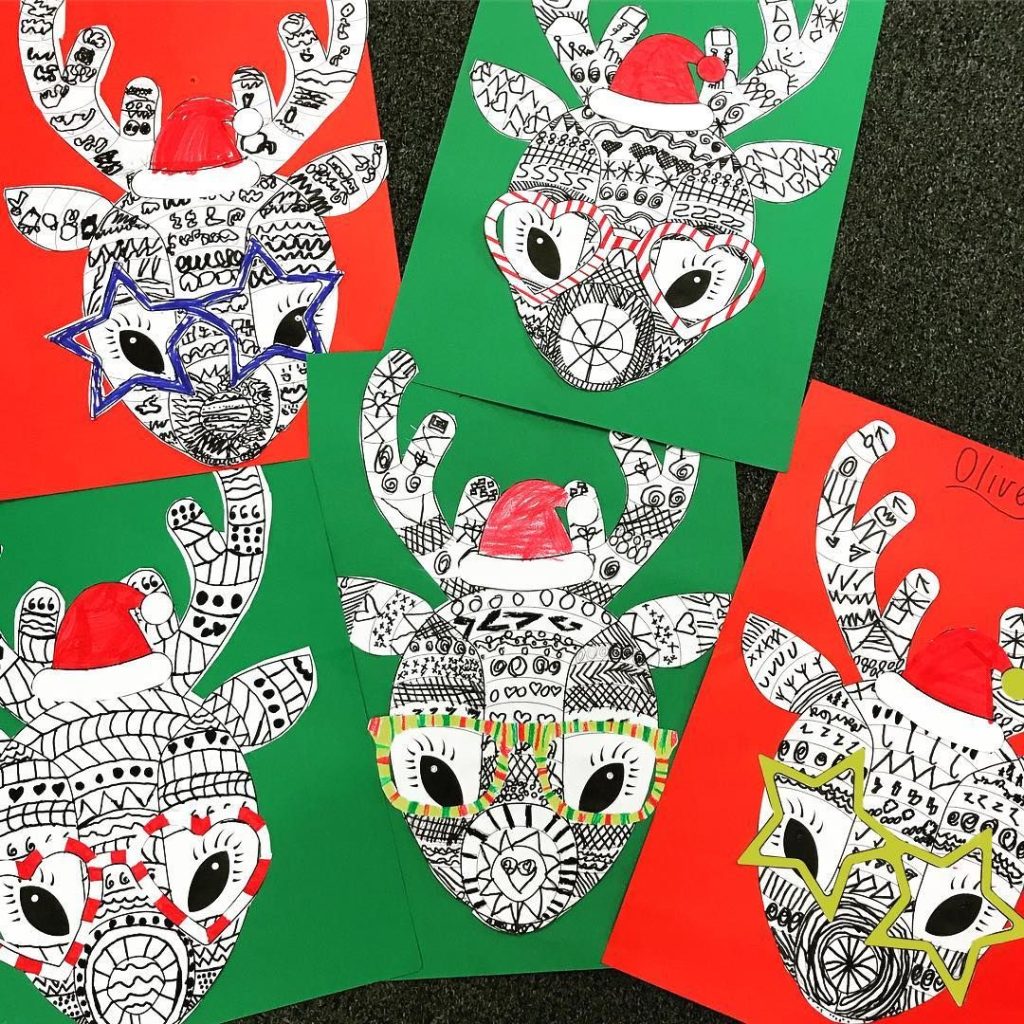
8. Reindeer Portraits –Have students trace their foot on brown paper for the reindeer’s face and their hands on lighter brown paper for the antlers; after cutting these out they can glue them together and add eyes and a red nose to complete their reindeer portrait.

Not only do these crafts offer an entertaining break from traditional learning activities, but they’re also fantastic for adorning the classroom with holiday cheer while developing fine motor skills among young learners. After creation, you might even hold an impromptu gallery walk to allow students to showcase their hard work!

21 DIY Paper Doll Crafts for Every Playtime

Introduction:

Paper dolls have been a favorite of children for centuries. With their simple design and endless possibilities for imaginative play, it’s no wonder they have stood the test of time. In this article, we’ll be discussing 21 unique DIY paper doll crafts that will keep your child entertained for hours.

1. Classic Paper Dolls:

Create classic paper dolls with printable templates. Customize the clothes and accessories to suit your child’s preferences.

2. Fairy Tale Dolls:

Incorporate fairy tales into playtime by designing paper dolls inspired by popular fairy tale characters like Cinderella or Snow White.

3. Comic Book Heroes:

Craft super-powered action figures using comic book-inspired designs and outfits.

4. Cultural Dolls:

Expand your child’s knowledge about different cultures by creating dolls wearing traditional clothing from around the world.

5. Animal Dolls:

Delight animal-loving kids with delightful critters in fun outfits that can also teach about various species.

6. Magnetic Dolls:

Attach small magnets to the back of your dolls and accessories for easy changes during playtime on a magnetic board.

7. Interactive Doll Houses:

Design foldable dollhouses with illustrated rooms for your creations to live in.

8. Mermaid Dolls:

Fashion mermaid dolls complete with colorful tails and accessories to inspire under-the-sea adventures.

9. Seasonal Dolls:

Celebrate different seasons by dressing up your paper doll with themed outfits for summer, autumn, winter, or spring.

10. Occupation Dolls:

Learn about different jobs and professionals by crafting dolls that represent various occupations like doctors, teachers, or firemen.

11. Family Set Dolls:

Create a family set where each family member has their own paper doll complete with personalized clothes and accessories.

12. Puppets on a Stick:

Turn the paper dolls into interactive puppets by attaching them to sticks for a personalized puppet show.

13. Homemade Stickers:

Transform your dolls into stickers with adhesive backing for endless sticking and resticking fun.

14. Shadow Play:

Cut out silhouettes of your dolls and accessories for a unique twist on shadow play.

15. Miniature Dolls:

Develop fine motor skills by creating tiny, intricate paper dolls and accessories that can be stored in a small container.

16. Collage Dolls:

Collaborate with your child to create unique collage-style dolls using various materials such as colored paper, sequins, and fabric scraps.

17. 3D Paper Dolls:

Design foldable 3D paper dolls for an elevated play experience.

18. Photorealistic Dolls:

Incorporate photographs of your child’s favorite people into their paper doll collection by cutting and pasting them onto construction paper bodies.

19. Glow-in-the-Dark Dolls:

Add glow-in-the-dark paint or stickers to your creations for a magical nighttime play session.

20. Fashion Designer Set:

Encourage budding fashion designers to create their own line of clothing and accessories for their paper dolls using color pencils, fabric scraps, and other embellishments.

21. Storage Case:

Keep all the paper doll creations organized in a personalized storage case made from cardstock or decorated shoeboxes.

Conclusion:

Each of these 21 DIY paper doll crafts offers an opportunity to engage your child’s imagination, creativity, and learning interests. We hope these ideas inspire new worlds of playtime adventure in your household!

25 Creative Maze Activities to Spark Your Imagination

Mazes have always been a source of fascination and enjoyment for people of all ages. They can be educational, whimsical, or a combination of the two. Here are 25 creative maze activities to try, that will not only challenge your problem-solving skills but also spark your imagination.

1. Classic Maze: Draw a simple maze using graph paper and a pencil. The objective is to reach the end by moving through the twists and turns.

2. Finger Maze: Create a maze large enough to trace with your fingers on a piece of paper or cardboard.

3. String Maze: Attach string together by tying knots, creating a complex web for participants to navigate.

4. Chalk Maze: Draw a maze outdoors using chalk on concrete or asphalt surfaces.

5. Puzzle Maze: Cut out pieces from a simple picture and arrange them so that they create a labyrinth.

6. Marble Maze: Build a maze with tubes, ramps, and obstacles, then roll marbles through to reach the finish line.

7. Shoebox Maze: Design a maze inside an empty shoebox using popsicle sticks or straws.

8. Laser Maze: Use laser pointers and mirrors to create a “laser” maze participants need to navigate without touching any beams.

9. Escape Room Maze: Set up clues and puzzles within several rooms where the answers help players navigate their way out.

10. Blindfold Maze: Design an obstacle course for blindfolded teammates; use clear verbal instructions as they traverse the course.

11. Multi-Level Maze: Incorporate multiple levels by building a 3D maze structure using boxes or foam blocks.

12. Garden Maze: Plant hedges or deliberately place rocks in your garden to form interconnected paths.

13. Candy Land Maze: Arrange sweets strategically on an edible terrain and eat your way out!

14. Water Balloon Golf Maze: Navigate water balloons through an obstacle course using a golf club.

15. Human Maze: Designate players as maze walls, forming dynamic hallways that shift when a participant successfully navigates it.

16. Storytelling Maze: Write a section of a story at each dead-end, to create a complete tale by reading the segments in order.

17. Math Maze: Solve equations to unlock the correct path forward.

18. Alphabet Maze: Arrange letters throughout the maze, forming words or sentences to guide you out.

19. Lego Maze: Build intricate mazes with Lego bricks and figurines, then navigate through them.

20. Memory Maze: Engage your photographic memory by studying the maze for 30 seconds before traversing it with your eyes closed.

21. Invisible Maze: Set up a maze using clear string or fishing line; the challenge is navigating without seeing the boundaries.

22. Cake Decorating Maze: Design a edible maze atop a large cake using frosting or icing.

23. Video Game Mazes: Develop custom labyrinths within popular video games like Minecraft or Roblox for added variety and entertainment value.

24. Sand Maze: Carve out paths and dead-ends in a sandpit or sandbox for tactile problem-solving exercises.

25. Newspaper Maze: Roll newspapers into long sturdy tubes and arrange them in an intricate labyrinth pattern on your living room floor.

These creative maze activities will not only stimulate your mind but also serve as an engaging pastime for friends, family, and kids alike. The possibilities are endless – adapt these ideas to suit your interests, resources, and imagination!