Pedagogue Blog

Using Interactive Projectors to Increase Student Engagement

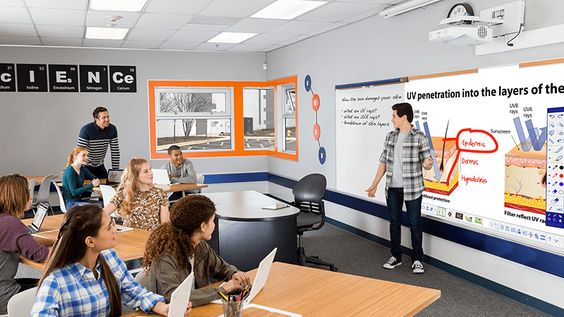
In today’s rapidly evolving education landscape, finding ways to increase student engagement is more important than ever. One innovative solution that is making waves among educators is the use of interactive projectors in the classroom. These advanced devices have transformed the way teachers and students interact with lesson content, resulting in improved learning outcomes and increased classroom participation. This article explores how interactive projectors can boost student engagement and offers tips on implementing this technology effectively.

What are Interactive Projectors?

Interactive projectors are a type of digital display device that combines the functions of traditional projectors with touch-based interactivity. These devices allow users to control and manipulate projected images using a stylus, finger touch, or other pointing device, enabling a higher level of interaction between students and their lessons.

Benefits of Using Interactive Projectors in the Classroom

1. Increased Student Engagement: Interactive projectors allow for a more hands-on learning experience, encouraging students to become active participants in the lesson rather than passive observers. This heightened level of engagement leads to better understanding and retention of the material being taught.

2. Improved Collaboration: Interactive projectors facilitate group work by allowing multiple students to engage with images and content simultaneously. This promotes teamwork, communication, and problem-solving skills among students.

3. Visual Learning Enhancement: The use of interactive projectors often integrates multimedia elements such as images, videos, or animations into traditional lessons. This appeals to visual learners who may struggle with text-heavy or lecture-based teaching methods.

4. Adaptive Learning Experience: Teachers can tailor their lessons according to students’ needs using interactive projectors. By manipulating content on the screen in real-time, teachers can address questions or difficulties as they arise while keeping the lesson dynamic.

5. Increased Technological Literacy: Utilizing interactive projectors exposes students to cutting-edge technology, familiarizing them with digital tools that they’ll likely encounter in their future careers.

Tips for Implementing Interactive Projectors in the Classroom

1. Provide Adequate Training: Ensure that both teachers and students understand how to use the interactive projector effectively. This may involve providing hands-on training and ongoing technical support.

2. Invest in Quality Equipment: A quality interactive projector is key to a successful implementation. Consider factors such as image resolution, brightness, and ease of use when selecting a device.

3. Optimize Classroom Layout: Arrange the classroom in a way that maximizes visibility and accessibility, ensuring that all students have a clear view of the screen and can easily participate.

4. Plan Interactive Lessons: Create lesson plans that encourage students to actively engage with the content displayed on the interactive projector. Incorporate opportunities for group work, problem-solving, and multimedia integration.

5. Encourage Feedback: Request feedback from students regarding their experience using interactive projectors. This can help identify areas for improvement and maximize the technology’s impact on engagement.

In conclusion, integrating interactive projectors into the classroom has the potential to greatly increase student engagement and foster an active learning environment. By carefully considering factors such as training, equipment quality, and lesson planning, educators can successfully harness this technology to enhance their teaching methods and elevate student learning experiences.

12 Scenes from the Movie Elf That Sum Up Teaching Before Break

1. Buddy Discovers the True Meaning of Christmas: This scene is reminiscent of teachers trying to come up with creative ways to keep their students focused and engaged in learning before break. Just like Buddy discovers the true meaning of Christmas, teachers work hard to make sure their students understand the importance of education even during the holiday season.

2. Buddy’s First Day at Work: Much like Buddy getting used to his new job, teachers must adapt and adjust to new routines as the school year progresses. They juggle lesson plans, decorations, and festive activities all while trying to maintain classroom morale before break.

3. The Famous Snowball Fight: Every teacher has experienced that one class where chaos ensues as children get more and more excited about a looming break. This well-known scene from Elf perfectly captures the pandemonium that can ensue when students are cooped up in a classroom too long.

4. Buddy Meets Jovie: With just days left before break, teachers are like Buddy meeting his future partner Jovie – they have already put in so much work but still feel overwhelmed by what still lies ahead.

5. Santa’s Sleigh Engine Problems: As educators rush to prepare final tests, grade papers, and plan activities, they might feel like Santa desperately trying to fix his sleigh engine in time for Christmas Eve. The pressure is on!

6. Back in the North Pole: Reflecting on progress made with tough class situations or student interactions, teachers sometimes wish they could escape back to simpler times – just like Buddy in this heartwarming scene.

7. Buddy Doesn’t Know His Dad Is Angry: Teachers know the struggle of misinterpreting a situation or misunderstanding parental feedback during parent-teacher conferences, much like Buddy not realizing why his dad is upset with him.

8. Snowy Adventures Around New York City: Field trips or school outings before break can create lasting memories and provide educational experiences, much like Buddy’s snowy excursion with Jovie.

9. Reconnecting with Buddy’s Family: Hectic schedules may cause class dynamics to fall apart as the holidays approach. Like Buddy reconnecting with his family, building trust and maintaining relationships are key for teachers.

10. The Elf Interrogation: Teaching students positive behavior before break calls for a sense of authority. This scene is relatable to teachers who have had to lay down the law when disruptions or misbehavior arise right before school is out for the holidays.

11. The Climactic Singalong: Pulling off a successful holiday event – whether it’s a performance or festive classroom activity – often feels like a victory for teachers. In the movie, the singalong scene epitomizes that shared accomplishment feeling.

12. Saving Christmas Together: Teamwork makes the dream work, and seeing students help pull Santa’s sleigh in the film is very reminiscent of how a classroom functions when everyone works together to achieve common goals. Every teacher knows that collaborative effort is needed to power through before vacation.

In conclusion, teaching before break can be a whirlwind of emotions and challenges, full of obstacles that need to be overcome. Through relatable scenes from the movie Elf, we can better understand and appreciate the complexities of being an educator during this time of year.

What Teachers Say vs. What They Actually Mean

Introduction:

Have you ever wondered if there’s a hidden meaning behind your teacher’s words? Teachers have their own unique language and methods of expressing their thoughts, often leaving students scratching their heads in confusion. In this article, we’ll provide some insight into the world of teacher-speak and what they might actually mean when they say certain phrases.

1. “The bell doesn’t dismiss you; I dismiss you.”

What they actually mean: Your teacher wants to maintain control over the class and ensure that all necessary information is covered before students leave. It’s a subtle way of saying, “Pay attention because I’m still giving important information.”

2. “Please see me after class.”

What they actually mean: This could mean anything from needing to discuss a recent assignment or behavior issue to simply wanting to check in on the student’s progress. Whatever the reason, it is not necessarily something to dread, but an opportunity for one-on-one communication with the teacher.

3. “This assignment is not busywork; it’s valuable practice.”

What they actually mean: Teachers are well aware that students don’t enjoy heaps of homework, so they try to emphasize that practicing will benefit them in the long run. It’s their way of saying, “I promise this work is meaningful and will help you improve.”

4. “There are no bad questions!”

What they actually mean: Teachers want to encourage an environment where students feel comfortable asking questions without fear of judgment. They may secretly roll their eyes at a student who asks for clarification on something simple, but their ultimate goal is to help everyone learn and understand the material.

5. “This will be on the test.”

What they actually mean: Pay attention! The teacher is signaling that this piece of information is essential and should be remembered during exams.

6. “I’m disappointed in your effort.”

What they actually mean: This phrase is not meant to be a personal attack. Instead, the teacher likely believes that you are capable of much more and wants you to reach your full potential.

7. “Class participation counts towards your grade.”

What they actually mean: Teachers want their students to engage in discussions and not just passively sit there. By tying participation to grades, they incentivize students to actively contribute.

Conclusion:

Understanding teacher language is crucial for success in school. By decoding their words and phrases, students can better comprehend their expectations and ultimately develop stronger relationships with their educators. So next time your teacher says something ambiguous, keep in mind what they might actually mean, and you’ll have a better idea of how to approach the situation.

Get These Free and Fun Tech Posters for Home & School

Introduction:

Technology has become an integral part of our lives, and it’s vital that we not only stay up-to-date on the latest developments but also make learning about technology fun and engaging. One great way to do this is by using tech-themed posters for your home or classroom. These visual aids can be an excellent resource to spark interest, initiate conversations and share valuable information with others. In this article, we’ve compiled a list of free and fun tech posters that you can easily download, print, and display in your home or school.

1) Computer Science Education Week:

Celebrate Computer Science Education Week with these eye-catching posters from Code.org. They feature various role models from diverse backgrounds who have made significant contributions to the field of computer science. Download them for free at:

https://code.org/educate/resources/inspire

2) Hour of Code Posters:

Hour of Code is a global movement that encourages learners to devote one hour to coding activities. These vibrant posters come in multiple languages and can be a great motivation for students to try their hands on coding. Get them here:

https://hourofcode.com/us/posters

3) Cybersecurity Awareness Posters:

Promote online safety and cybersecurity best practices using these informative posters developed by the National Cyber Security Alliance (NCSA). Get access to these resources at:

https://staysafeonline.org/resources/

4) STEM Posters for the Classroom:

These high-resolution STEM-themed posters are perfect for inspiring students to explore science, technology, engineering, and math. Some subjects covered include robotics, alternative energy sources, and biotechnology. You can find these printable posters at:

https://www.educationworld.com/subjects/science/stem-poster/index.shtml

5) Typographic Tech Quote Posters:

These beautiful typographic posters showcase thought-provoking quotes by prominent tech innovators like Steve Jobs and Elon Musk. They are suitable for both home and school settings, offering motivation and food for thought. Download them at:

https://www.canva.com/design/templates/posters/technology/

6) Women in Tech Posters:

Celebrate the achievements of women in the technology industry with these beautiful posters from Nevertheless, featuring illustrations of trailblazing women who have made significant contributions to the tech world. Download them for free at:

https://www.neverthelesspodcast.com/posters/

7) Scratch Programming Posters:

Designed specifically for young learners, these colorful and engaging posters demonstrate the basics of Scratch programming concepts. Covering topics like loops, events, and sprites, they can be downloaded from the official Scratch website at:

https://scratch.mit.edu/info/cards/

Conclusion:

These free and fun tech posters are perfect for adding a splash of color and excitement to your home or classroom while also being educational. So go ahead – download them, print them out, and start inspiring those around you to learn more about technology and its numerous facets.

Is Every Student a Protagonist in Your Classroom Library?

Creating an Inclusive Learning Environment Through Literature

A classroom library should be much more than just a collection of books. It should be a refuge for students to discover new worlds, connect with diverse characters, and explore stories where they can see themselves as the protagonists. This raises the important question: Does your classroom library include books that represent all of your students?

Representation Matters

When students see themselves represented in the classroom library, they feel valued, seen, and respected. Research has shown that representation significantly impacts students’ self-esteem and sense of belonging. By presenting a wide range of backgrounds, abilities, and experiences, we can help foster empathy, understanding, and inclusivity among our students.

Moreover, when students encounter characters who share their experiences or struggles, it can directly influence their academic success. Students who can relate to the subjects and themes in their reading materials are more likely to become engaged in learning.

Diversifying Your Library

To promote diversity and representation in your classroom library, consider incorporating books that feature:

1. A variety of cultural backgrounds: Seek out titles that showcase various customs, holidays, experiences, and languages from around the world.

2. Characters with disabilities: Look for books that introduce characters who have physical or cognitive disabilities that are portrayed with dignity and respect.

3. Diverse family structures: Include titles that celebrate different family dynamics such as single-parent families, blended families, or LGBTQ+ households.

4. Wide-ranging socioeconomic backgrounds: Make sure your library reflects stories of children from diverse economic situations – from low-income to affluent families.

5. Unique interests and hobbies: Encourage students to pursue their individual passions by offering books about art, music, sports, science, technology and more.

Creating a Safe Space for Discussions

As you diversify your classroom library, it’s crucial to create an environment where open conversations about different perspectives can take place. Encourage students to voice their thoughts on the books they read, validate their experiences, and embrace diverse viewpoints.

A few ways to initiate these conversations include:

– Hosting book clubs or discussion groups centered around diverse stories.

– Identifying themes in literature that resonate with your students and allow them to share their personal connections.

– Inviting guest speakers or authors from various backgrounds to engage with your students and bring different perspectives to light.

Final Thoughts

As educators, we have the responsibility to create inclusive learning environments that celebrate and respect all our students. By curating a diverse classroom library and fostering open discussions, we can instill a sense of belonging in every student. In the end, every student deserves to be the protagonist of their own story – and it starts within your classroom library.

These Birthday Certificates Make It Easy to Celebrate Your Students’ Big Days

Introduction:

Birthdays are a special occasion for everyone, young and old alike. For students in particular, celebrating their birthdays can make them feel extra special in a learning environment, fostering a sense of belonging and joy. Birthday certificates offer an easy, cost-effective, and memorable way to mark your students’ big days. In this article, we will discuss why these certificates are crucial for creating a positive atmosphere within classrooms and how you can effectively use them.

The Importance of Celebrating Birthdays in the Classroom:

  1. Boosts self-esteem – Recognizing a student’s birthday can have a significant impact on their self-confidence. When teachers acknowledge their special day, it sends a message that each student is essential and cared for equally.
  2. Fosters social connections – Arranging little celebrations where classmates can actively participate, such as singing happy birthday or sharing treats, enhances bonding among peers.
  3. Breaks the monotony of school life – Taking some time away from regular lessons to commemorate a classmate’s birthday gives students something to look forward to and lightens the mood in the classroom.
  4. Encourages inclusivity – By celebrating each student’s birthday with enthusiasm, teachers demonstrate that every individual is valued, promoting diversity and inclusiveness within the class.

Birthday Certificates: The Perfect Way to Mark the Celebration:

Birthday certificates are printable awards handed out by teachers to students on their birthdays. Here are some reasons why they make ideal celebratory tokens for students’ big days:

  1. Easy-to-customize – A wide range of templates is available online that can be easily customized with names, dates, graphics, or personalized messages to suit individual preferences.
  2. Cost-effective – Printable birthday certificates save costs compared to other celebratory items like treats or gifts. All you need is access to a printer and good quality paper.
  3. Boosts morale – Receiving a certificate on their special day makes students feel proud, as it serves as tangible proof of being acknowledged by their teachers and peers.
  4. Eco-friendly – Choosing to present a certificate instead of using balloons or disposable items also makes birthdays an eco-friendly affair.
  5. Keepsake – Students and their families can keep the certificates as mementoes, cherishing the memories formed in the classroom over the years.

In conclusion, celebrating birthdays within the classroom environment goes a long way in bolstering students’ self-esteem and enhancing their social connections. While there are numerous ways to make a student’s day memorable, birthday certificates stand out as easy-to-customize, cost-effective, emotionally significant rewards that your students will cherish for years to come.

27 #TeacherTruths Only Classroom Vets Will Understand

Introduction:

A teaching career comes with many ups and downs, but the rewards are immeasurable. As experienced classroom veterans, we’ve learned a thing or two about how to navigate the wonderful world of teaching. Here are 27 #TeacherTruths that only classroom veterans will truly understand and appreciate.

1. . No two days are ever the same, and that’s what keeps it interesting.

2. Your students can impress you with their creativity when you least expect it.

3. The joy of watching a struggling student finally “get it” is indescribable.

4. Classroom management is an art form, honed over many years of experience.

5. The difference between a good teacher and a great teacher is empathy.

6. Don’t sweat the small stuff; focus on the big picture instead.

7. Intuition and experience often trump lesson plans and textbooks.

8. A sense of humor is essential to keeping your sanity intact.

9. Parent-teacher conferences can be trying but also oddly fulfilling.

10. Over time, you become proficient at managing multiple tasks at once.

11. Teaching is far more than just imparting knowledge; it’s nurturing future generations.

12. Sometimes students teach you as much as you teach them.

13. Your favorite part of the day will usually involve little victories in the classroom.

14. Collaboration with other teachers is beneficial for both you and your students.

15. It’s impossible to please everyone, so focus on making a difference for those who appreciate it.

16. No one will ever fully grasp the amount of effort required behind-the-scenes work

17. Balancing work-life plays an important role in preventing burnout

18. Building trust with your students takes work but leads to better learning outcomes

19. The value of professional development should never be underestimated

20. Being flexible and adaptable are essential skills in this profession

21. The impact you have on your students’ lives goes far beyond the classroom walls

22. Grades aren’t the sole indicator of a student’s potential or success

23. Tackling the endless paperwork is a necessary evil – but it comes with the territory

24. A supportive school community makes all the difference for teacher morale

25. Great teaching isn’t about having all the answers; it’s about knowing how to facilitate learning

26. You’ll know you’ve been teaching for a long time when you finally start using – and understanding – technology like your students do.

27. Teaching has its share of difficult moments, but those challenges make the victories even sweeter.

Conclusion:

These 27 #TeacherTruths only scratch the surface of what it takes to be an experienced educator, but they offer insight to those veterans who’ve spent countless hours in the classroom and impacted countless lives. Embrace these truths, and may they inspire you to continue making a difference in the world through teaching.

6 Tips for Running Virtual School Clubs

The COVID-19 pandemic has introduced a new reality that schools need to adapt to, and this includes school clubs. With the shift to remote learning, extracurricular activities are transitioning to online platforms and environments. Running virtual school clubs may be challenging, but it is important not to let it dampen students’ spirits or learning experiences. Here are six tips for successfully running virtual school clubs:

1. Establish Clear Goals and Objectives

To run a successful virtual club, it is essential to define its goals and objectives clearly. This helps both students and advisors better understand the club’s purpose, expectations, and outcomes. Setting clear goals also provides direction and motivation for club members.

2. Choose the Right Digital Platform

Choose a reliable platform that supports seamless communication, collaboration, and accessibility for all club members. Consider factors such as privacy policies, security features, user permissions management, video conferencing capabilities, and adaptability to different devices when selecting a platform.

3. Effective Communication Strategies

Effective communication between club members plays a vital role in the success of virtual school clubs. Create dedicated chat rooms or channels for group discussions and files sharing on your chosen digital platform. Encourage open communication among all members and ensure everyone stays updated with the club’s activities.

4. Plan Collaborative Activities

Engage club members by planning interactive and collaborative activities that can be completed online. Virtual games, trivia nights, brainstorming sessions, or creative projects can help foster team spirit and encourage engagement among students.

5. Implement a Consistent Meeting Schedule

Organize regular meetings that follow a consistent structure to build routine in the virtual club environment. This helps improve accountability among club members while ensuring ongoing participation.

6. Proactively Seek Feedback

Gather feedback from club members regularly regarding their experiences, needs, or suggestions for improvement in the virtual setup. This will help you identify areas that require modification or enhancement for a better virtual club experience for all members.

In conclusion, running a virtual school club in these unprecedented times is undoubtedly challenging, but with the right tools, strategies, and mindset, these clubs can continue to be constructive and engaging platforms for students. Embrace the challenges and work collaboratively to create an impactful virtual experience for all club members.

What Is PBIS? An Overview for Teachers and Schools

Introduction:

Positive Behavioral Interventions and Supports (PBIS) is a proactive, school-wide approach aimed at improving the overall school climate by teaching and reinforcing positive behaviors. By employing evidence-based strategies and focusing on positive reinforcement, this framework aims to create an environment where all students can thrive both academically and socially. This article will provide an overview of PBIS for teachers and schools, discuss the main components of the program, and outline its potential benefits.

What is PBIS?

PBIS is a framework designed to help schools enhance their disciplinary approach and promote a more positive school environment by implementing research-backed practices. It promotes the use of consistent expectations and consequences, data-driven decision making, and ongoing monitoring of student progress. This framework integrates behavioral and academic support systems and spans across three tiers to cater to different levels of student needs.

The 3 Tiers of PBIS:

1. Tier 1 – Universal Interventions: This tier focuses on primary prevention techniques targeting all students within a school. The main goal is to establish clear, consistent behavioral expectations, which are displayed throughout the school campus. Comprehensive lesson plans are provided to teach these expectations, with regular assessments conducted to measure students’ progress.

2. Tier 2 – Targeted Support: The second tier targets students who may need additional support or interventions beyond what is provided in Tier 1. At this level, schools implement group-based interventions such as social skills training or conflict resolution programs tailored to the unique needs of these students.

3. Tier 3 – Intensive Support: This tier addresses the needs of students with more severe or chronic behavioral challenges. It involves individualized support plans through functional behavior assessments, personalized interventions, and progress monitoring.

Benefits of Implementing PBIS:

1. Improved School Climate: Implementing PBIS leads to the development of a safe, positive learning environment where students and staff feel valued, respected, and supported.

2. Reduced Behavior Issues: By focusing on the prevention of problem behaviors and equipping students with essential life skills, schools can reduce the occurrence of disciplinary incidents and improve academic performance.

3. Enhanced Academic Achievement: With a positive school climate and fewer behavior problems to deal with, teachers can dedicate more time to teaching, and students can better focus on learning.

4. Increased Collaboration: The PBIS framework encourages collaboration among school staff, families, and community members, thus promoting shared responsibility for the holistic development of students.

Conclusion:

PBIS is an evidence-based framework that helps schools create a more inclusive and conducive learning environment for all. By implementing the three-tiered support system, schools provide a range of interventions designed to meet diverse student needs. Adopting PBIS paves the way toward improved school climate, reduced behavior issues, enhanced academic achievement, and increased collaboration among stakeholders.

Quiz: Which Holiday Movie Best Represents Your Teaching Style?

Introduction:

Attention teachers! With the holiday season around the corner, it’s the perfect time for some fun and lighthearted reflection. Why not take a break from the classroom preparations and indulge in this festive quiz to determine which holiday movie best represents your teaching style. Let’s embrace the magic of the season and discover if you’re a classic like “It’s a Wonderful Life” or a cheerful comedy like “Elf”!

Question 1: How would you describe your classroom management style?

  1. Firm, but fair
  2. Creative and interactive
  3. Friendly, with an emphasis on group activities
  4. A mix of traditional methods with some innovative approaches

Question 2: If one of your students is struggling with an assignment, how do you help them?

  1. Offer additional support outside of class time
  2. Provide alternative resources or materials to support their learning
  3. Encourage a group discussion where other students can offer insight
  4. Modify the assignment to cater to their individual learning style

Question 3: What is your favorite classroom activity during the holiday season?

  1. Creating handmade holiday-themed crafts
  2. Watching educational holiday movies
  3. Hosting a festive classroom party
  4. Organizing charitable events or volunteering opportunities

Question 4: How do you approach student collaboration in your classroom?

  1. Assigning group projects that encourage teamwork and leadership skills
  2. Organizing creative workshops and problem-solving challenges
  3. Facilitating open communication and peer-to-peer learning opportunities
  4. Integrating technology to provide an engaging collaborative experience

Question 5: What is your preferred teaching method?

  1. Lectures and PowerPoint presentations
  2. Engaging demonstrations and hands-on activities
  3. Using storytelling or role-playing to capture students’ interest
  4. Incorporating multimedia elements to support lessons across various subjects

Results:

– Mostly A’s: “A Christmas Carol”

Your teaching style is reminiscent of the timeless classic “A Christmas Carol”. Like the transformation experienced by Ebenezer Scrooge, you foster personal growth and self-reflection within your students. You prioritize discipline and structure while encouraging them to continuously strive for improvement.

– Mostly B’s: “Elf”

You embody the fun-loving spirit of Buddy the Elf! Your teaching style is full of laughter, creativity, and enthusiasm. You build meaningful connections with your students and find creative ways to engage them in learning. Your classroom is a festive haven where imagination and energy are always encouraged.

– Mostly C’s: “Home Alone”

Just as Kevin McCallister learns the value of teamwork and family, your teaching style emphasizes collaboration and group activities. You create a warm and inclusive classroom environment where students work together to problem-solve and learn valuable lessons from one another.

– Mostly D’s: “The Polar Express”

As a teacher, you take your students on an exciting educational journey, much like the magical train ride in “The Polar Express”. Your teaching style balances both traditional methods with modern techniques to capture your students’ attention. Along the way, you inspire them to believe in the magic of learning.

Conclusion:

No matter which holiday movie best represents your teaching style, remember that each approach offers unique benefits that contribute to shaping well-rounded individuals. As you continue to evolve as an educator, don’t forget to embrace a little holiday cheer along the way! Happy holidays!

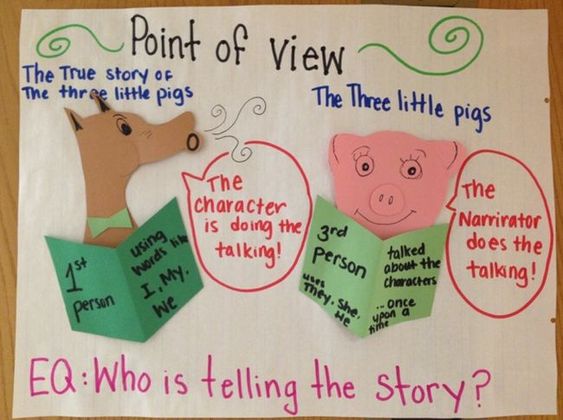
15 Engaging and Helpful Point of View Anchor Charts

Introduction:

Point of view anchor charts are a fundamental teaching tool used by educators in classrooms to improve students’ reading comprehension and writing skills. They help students understand the different perspectives used by authors when narrating stories or presenting arguments. Here are 15 engaging and helpful point of view anchor charts that can enhance your classroom instruction and deepen student understanding.

1. First-Person Point of View

This anchor chart teaches students to identify first-person narration, which uses “I” and “me” pronouns. Provide examples and display the chart while discussing texts that feature this point of view.

2. Second-Person Point of View

Second-person narration is less common but still essential for students to recognize. This chart instructs learners on identifying instances of second-person narration, which uses “you” pronouns.

3. Third-Person Point of View

Third-person narration is divided into several types: limited, objective, and omniscient. This anchor chart demonstrates the differences between these subcategories and guides students in determining third-person point of view examples.

4. Choosing the Right POV

This handy reference chart presents various factors to consider when choosing which point of view is best for a story, such as how much information to reveal, character relationships, and stylistic preferences.

5. Narrator Reliability

A valuable anchor chart for discussing the concept of reliable versus unreliable narrators, helping students to analyze a story’s credibility based on the narrative perspective.

6. Evaluating Perspectives

This interactive anchor chart guides students through evaluating different perspectives within informational texts or arguments, leading to informed opinions or deeper understanding.

7. Comparing Points of View

Students can use this chart as a visual aid to compare multiple points of view in a given text, fostering discussions on differences in storytelling or messaging techniques among authors.

8. Characters’ Points of View

Showcase this chart to teach students about understanding and analyzing characters’ individual perspectives throughout a story, helping identify and empathize with the characters.

9. Tone in Point of View

This anchor chart supports students in recognizing how an author uses tone or mood to shape a narrative and create voice variety within a text.

10. Connecting POV to Theme

An essential resource for understanding the link between point of view and thematic development, this anchor chart encourages students to explore how narrative perspective can reinforce or challenge major themes in reading materials.

11. Analyzing Bias

Anchor charts that teach students how to recognize bias within points of view can encourage critical thinking and empower them to question an author’s intentions.

12. Point of View Shifts

This visual aid highlights the various reasons authors shift points of view within a story, such as offering multiple perspectives or creating suspense, providing helpful examples for students.

13. Charting Points of View

An interactive anchor chart that allows students to track different points of view within a literary work. It helps them understand how authors develop complex characters and narratives through varied perspectives.

14. Visualizing Point of View

This creative anchor chart instructs students on taking abstract ideas from textual elements and creating concrete visual representations that depict various points of view throughout a literary piece.

15. Perspective Writing Prompts

An excellent resource for writing practice, this anchor chart provides engaging prompts related to narrative perspective changes, character analyses, or theme development.

Conclusion:

Utilizing these 15 engaging and helpful point of view anchor charts will lead to deeper student comprehension and more meaningful discussions around reading materials. By supporting learners with these educational tools, educators can foster both analytical and empathetic thinking skills that will serve students well beyond the classroom setting.

6 Diversity and Inclusion Activities for Back-to-School

As students return to school, it’s essential to create an inclusive and diverse classroom environment where everyone feels welcome and valued. Here are six diversity and inclusion activities that can help educators foster a positive and respectful atmosphere for the new school year.

1. Introduce Yourself Activity

Have each student introduce themselves by drawing or writing about their interests, hobbies, family life, cultural background, or other important aspects of their lives. This exercise encourages sharing personal stories and helps develop empathy among students. Teachers can display these introductions in the classroom to celebrate each individual’s uniqueness and create a sense of belonging.

2. Around the World Map

Provide a large world map and have each student mark their ancestral roots or countries that hold significance for them. This activity promotes cultural awareness and gives students an opportunity to learn about different countries and heritages. Teachers can further enhance this activity by encouraging students to discuss and share unique aspects of their cultural background with the class.

3. Mix & Mingle Icebreaker

This icebreaker requires students to interact with classmates they might not know well. Have each student write down a few facts about themselves on slips of paper. Then, encourage everyone to meet new people by swapping slips and trying to find someone who shares similar interests or backgrounds. Afterward, allow discussion time for students to forge connections with one another based on shared experiences or interests.

4. Classroom Agreement

Create a set of guidelines as a collective class agreement promoting respectful behavior, empathy, and inclusivity among all students. This can be done through collaborative brainstorming sessions where teachers prompt discussions about how everyone should be treated in class. Once the agreement is finalized, display it prominently in the classroom as a visual reminder of expected behavior.

5. Multicultural Read-Aloud

Select books that showcase diverse characters, cultures, perspectives, or experiences and make it part of your regular read-aloud sessions. Exposure to a variety of literature can help expand students’ understanding of different cultures and foster open-mindedness. Engage in discussions about the stories to encourage students to reflect upon broader themes and values.

6. Inclusive Challenges or Projects

Design classroom challenges or projects that promote collaboration, communication, and problem-solving among all students. Group work enables students from diverse backgrounds to learn from one another, build trust, and develop a sense of community. Encourage students to work together on tasks that require teamwork, discussion, and critical thinking across different disciplines.

By incorporating these activities into your back-to-school routines, educators can foster a diverse and inclusive classroom environment where all students feel respected, valued, and supported in their learning journey.

Latest Posts