Pedagogue Blog

Coronavirus Has Shown Us the Vital Role Schools Play, But Will America Listen?

Introduction:

The COVID-19 pandemic has had wide-ranging effects across every aspect of society, and one area that has been particularly impacted is our education system. With schools closing their doors and switching to remote learning, the importance of schools in our communities has become apparent. From supporting children’s social-emotional development to providing essential resources, schools play a critical role in society. However, now that the spotlight is on education, will America listen and make necessary changes moving forward?

The Importance of Schools:

Schools play a vital part in children’s lives beyond just academics. They function as safe spaces where kids can learn how to navigate relationships, engage in sports and clubs, and develop their creativity and problem-solving skills. Schools also offer essential resources such as hot lunches for low-income students, access to computers and the internet for digital learning, and counseling services for mental health support.

Parent-Teacher Communication:

The sudden shift to remote learning brought parent-teacher communication challenges to the forefront. Parents now had to take on the role of at-home educators while simultaneously managing their jobs and households. The pandemic emphasized that parent-teacher collaboration is crucial for student success, spotlighting the need for more transparent communication channels between schools and families.

Addressing Inequities:

COVID-19 exposed deep socio-economic inequities within education systems – with low-income students disproportionately affected by school closures. Many of these students faced challenges such as limited access to technology or unstable home environments, making it difficult for them to participate in remote learning. This has reinforced the urgency of addressing these disparities so that all students have an equal opportunity to succeed.

Internet Access for All:

The digital divide became glaringly obvious during the pandemic, as households without reliable internet access found it challenging to stay connected with teachers and engage in online learning. This issue highlights the need for affordable, high-quality broadband for all students to close the digital divide and prevent further educational disparities.

Funding for Education:

The immense challenges faced by the education system during the pandemic have reinforced the importance of increasing federal, state, and local funding for schools. This funding should be used to address resource gaps, hire and retain competent staff, ensure equitable access to education, and maintain safe and functional learning environments.

Conclusion:

The COVID-19 pandemic has showcased the irreplaceable role that schools play in our society. Lessons learned from this experience have the potential to drive transformative change in education if America chooses to listen and take action. With focused efforts on addressing existing inequalities and ensuring adequate resources for educators and students alike, our nation’s education system can emerge stronger from this crisis.

10 Creative Ways To Use Diverse Books To Teach Social Responsibility

Introduction:

In a world where cultural diversity is increasingly prominent, it is essential for educators to make use of diverse books to teach social responsibility. These books can help students understand and appreciate different cultures, values, and perspectives while fostering empathy and compassion. Here are 10 creative ways to incorporate diverse books into lessons about social responsibility:

1. Storytelling Circle: Create a storytelling circle where students take turns reading passages from diverse books aloud, followed by discussions about the characters’ experiences, decisions, and the consequences of their actions.

2. Role-playing: Assign roles based on diverse book characters and have students practice making socially responsible decisions through role-play scenarios.

3. Artwork Creation: Encourage students to create artwork inspired by diverse book themes or characters that promote social responsibility, then discuss how their work reflects these values.

4. Problem-solving Group Work: Assign groups to tackle social issues explored in diverse books, then have them present their solutions to the class.

5. Comparison Analysis: Analyze similarities and differences between two culturally diverse books in terms of each one’s portrayal of social responsibility.

6. Connect local/global issues: Use diverse books as a starting point to discuss local or global social issues that pertain to the community or world as a whole.

7. Virtual World Tours: Have students virtually “visit” places described in diverse books using Google Earth or similar tools, discussing how location influences culture and social responsibility.

8. Collaborative Writing Projects: Pair up students from different cultural backgrounds and ask them to co-write a short story incorporating elements of both their cultures that highlight aspects of social responsibility.

9. Guest Speakers: Invite speakers from various cultural backgrounds to discuss their experiences related to a specific book’s theme on social responsibility.

10. Social Responsibility Action Plan: Encourage students to develop action plans on how they can contribute positively to society after reading diverse books. This can include volunteering, fundraising, or participating in community events that promote social responsibility.

Conclusion:

Incorporating diverse books into lessons on social responsibility is a creative and effective way to promote inclusivity, empathy, and understanding among students. By using these 10 strategies mentioned above, teachers can create meaningful experiences for their students that will help them grow into socially responsible individuals who respect and appreciate the diverse world around them.

25 Teacher-Approved Outdoor Toys to Get Kids Learning & Moving

1. Hula Hoops: These classic toys not only help improve physical coordination, but also encourage outdoor play and burning energy.

2. Jump Ropes: Great for developing coordination, balance, and endurance, jump ropes are a versatile and fun way to get kids moving.

3. Sidewalk Chalk: Encouraging creativity, sidewalk chalk can be used for drawing, hopscotch grids, and more, providing hours of fun.

4. Soccer Balls: Kids can learn teamwork and develop their gross motor skills while playing soccer.

5. Frisbees: Frisbees are perfect for developing hand-eye coordination, making them a great addition to any outdoor games collection.

6. Playground Balls: Perfect for kickball or other ball games, these balls encourage physical activity and team-building skills.

7. Tug-of-War Rope: This simple yet effective game helps build both teamwork and upper body strength.

8. Gardening Tools: Encourage kids to learn about plants and the environment by providing child-sized gardening tools including shovels, rakes, and watering cans.

9. Bubbles: Simple yet mesmerizing, bubbles are an excellent way to keep younger children entertained outside while also helping to develop their fine motor skills.

10. Scooters: Scooters promote balance and coordination while providing endless fun as kids zip around the neighborhood.

11. Trampoline: Teachers love trampolines for building strength, balance and promoting an active lifestyle.

12. Pogo Sticks: These bouncy toys help build gross motor skills as well focus and determination as kids try to hop as many times as possible.

13. Water Table: A fantastic sensory play opportunity that allows kids to explore water properties such as sinking or floating while engaging in a group activity.

14. Obstacle Course Kit: Let the kids set up their own obstacle course, helping them improve their problem-solving skills and motor coordination.

15. Chutes and Ladders: A large outdoor version of this popular board game is perfect for teaching counting and number recognition.

16. Bean Bag Toss: A classic game that helps develop gross motor skills, hand-eye coordination, and patience.

17. Balance Beam: This playground staple improves balance and coordination while also building core strength.

18. Sandboxes: Perfect for sensory play, sandboxes can keep kids entertained for hours while they build their fine motor and creative thinking skills.

19. Velcro Paddleball Set: This simple yet fun game helps develop coordination while providing a great way to engage kids in outdoor play.

20. Croquet Set: Teach kids the basics of this quintessential outdoor game while working on their fine motor skills and strategic thinking abilities.

21. Parachute Games: Perfect for large groups, parachute games help teach cooperation, coordination, and timing skills.

22. Kites: Flying kites is an excellent way to get kids outside, teach them about wind and weather patterns, and work on their coordination skills.

23. Scavenger Hunt Kit: Encourage exploration and discovery with a pre-made scavenger hunt kit or create your own using natural items found outdoors.

24. Bocce Ball Set: Bocce is an easy-to-learn game that promotes strategy, precision, and teamwork among players.

25. Butterfly Nets: Inspire young naturalists by providing butterfly nets for them to explore the wildlife in their backyard or nearby parks.

10 Wonderful Read-Alouds for Building School Culture

Building a strong school culture is a key component of nurturing happy and successful students. One way to foster belongingness and understanding among students is through the use of read-alouds. These shared reading experiences can create an inclusive environment, broaden horizons, and promote empathy. Here are ten wonderful read-alouds that can help build a positive school culture:

1. “The Day You Begin” by Jacqueline Woodson

This picture book encourages students to embrace their unique identities and find the courage to connect with others, despite feeling like an outsider.

2. “Wonder” by R.J. Palacio

This heartwarming novel follows the story of August, a boy with facial differences who teaches his peers about the power of kindness and acceptance.

3. “Each Kindness” by Jacqueline Woodson

A beautifully written and illustrated tale about bullying, regret, and the importance of seizing opportunities to be kind.

4. “El Deafo” by Cece Bell

This funny and inspiring graphic memoir depicts the author’s childhood experience with hearing loss, highlighting the importance of embracing one’s differences.

5. “Last Stop on Market Street” by Matt de la Peña

This award-winning book uses vivid imagery to tell the story of a young boy learning to appreciate diversity and finding beauty in his surroundings.

6. “Esperanza Rising” by Pam Muñoz Ryan

Set in Mexico and the United States during the Great Depression, this historical fiction novel explores themes of social justice, resilience, cultural identity, and hope.

7. “I Am Enough” by Grace Byers

A positive affirmation picture book that encourages students to love themselves just as they are while appreciating the uniqueness of others.

8. “Out of My Mind” by Sharon M. Draper

A powerful story about a girl with cerebral palsy who proves that those who are differently-abled have the same dreams, feelings, and desires as everyone else.

9. “The Invisible Boy” by Trudy Ludwig

This heartwarming picture book teaches children the importance of inclusion and how even small acts of kindness can make a significant impact on others.

10. “The Name Jar” by Yangsook Choi

A charming story about a Korean girl who moves to the United States, navigates cultural differences, and learns to take pride in her name and heritage.

These ten wonderful read-alouds can help spark meaningful conversations and foster an inclusive environment in your school community. Sharing these stories with your students can promote empathy, understanding, and unity – crucial elements for building a strong school culture.

14 Classroom Management Strategies We Can Learn from Mary Poppins

1. Create a Magical Atmosphere:

Mary Poppins had truly magical qualities, and while we may not possess those literal powers, we can focus on creating an engaging and inviting atmosphere in our classrooms to help students feel excited about learning.

2. Develop Clear Expectations:

Just like Mary Poppins outlined her expectations for the children, it’s essential that teachers establish clear guidelines for behavior and academic expectations early in the school year.

3. Use Positive Reinforcement:

Notice the good in your students, just like Mary Poppins did! Offer praise and rewards when they display positive behavior or achieve success in their academics.

4. Maintain Consistency:

Mary Poppins was consistent with her principles and rules. Maintaining stability and consistency within your classroom management will create a structured environment that benefits both you and your students.

5. Stay Organized:

Mary Poppins’ famous catchphrase “A place for everything and everything in its place” is a valuable lesson for classroom organization. By keeping things tidy, you’ll create a more efficient learning environment.

6. Encourage Collaboration:

The song “Supercalifragilisticexpialidocious” showed that working together is fun and productive! Promote group work in your class to strengthen student collaboration skills.

7. Utilize Music and Movement:

Songs like “A Spoonful of Sugar” conveyed different lessons throughout the movie. Integrate music and movement into your teaching strategies to keep students engaged and boost their retention rate.

8. Foster a Growth Mindset:

Mary Poppins believed that “anything can happen if you let it.” Encourage this growth mindset by celebrating student progress, resilience, and perseverance.

9. Create Meaningful Relationships:

Mary Poppins built strong bonds with the children she cared for. Prioritize building connections with your students so they feel valued, understood, and supported.

10. Model Appropriate Behavior:

Just as Mary Poppins embodied kindness, patience, and respect – teachers should be role models for students in demonstrating proper behavior.

11. Provide a Balance of Fun and Discipline:

While fun experiences and adventures are important, Mary Poppins also knew when to implement discipline. Strive to create a balanced classroom environment.

12. Address Challenges Head-On:

Mary Poppins never backed down from challenges. Tackle issues that arise in the classroom effectively with a solution-oriented approach.

13. Use Visual Aids:

Mary Poppins’ chalk-drawing adventure reminded us that visuals can captivate students’ attention and boost their learning experience. Enhance lessons with visual aids for better engagement.

14. Teach Respect and Empathy:

The value of treating others with respect and understanding was an essential theme in Mary Poppins’ teachings. Weave these principles into your daily lessons to nurture a kinder and more compassionate classroom community.

What Is a Museum School and What Is It Like to Teach at One?

Introduction

Museum schools have been gaining popularity in the field of education as alternative learning environments. These unique institutions offer students and educators alike a hands-on approach to learning and teaching. In this article, we will discuss what a museum school is and provide insights into what it’s like to teach at one.

What is a Museum School?

A museum school is an educational institution that partners with or is based within a museum, allowing students to engage directly with exhibits and artifacts as part of their learning experience. The aim is to create a rich, interactive learning environment beyond the traditional classroom setting. Museum schools can be found at various grade levels, from elementary to high school. Many of these schools also incorporate other learning techniques, such as project-based learning or integrative arts approaches.

Museum schools often focus on subjects related to the content of the partnering museum, which enables students to delve more deeply into specialized topics such as history, art, science, or technology. Moreover, museum schools emphasize experiential learning by giving students access to real-world resources, experts, and immersive experiences that enhance their understanding.

Teaching at a Museum School

Teaching at a museum school provides educators with opportunities for enrichment and professional growth while allowing them to foster students’ passion for discovery and knowledge. Teachers can expect to encounter some unique aspects when working in this non-traditional educational setting:

1. Collaboration: Teachers engage in active collaboration with museum staff members such as curators or experts in their field. This fosters interdisciplinary connections and opens up new teaching perspectives.

2. Innovative curriculum development: Educators have the opportunity to work with museum staff to design innovative curricula that leverage the vast resources available within the museum itself. This also includes incorporating field trips and hands-on experiences into lesson plans.

3. Student-centered learning: Teachers play a pivotal role in encouraging students to think critically and independently, using the museum as their primary tool for exploration. They facilitate discovery, helping students to make connections and apply their knowledge to real-world scenarios.

4. Smaller class sizes: Many museum schools have smaller student populations, which allows teachers to foster closer relationships with their students and invest in personalized learning experiences.

5. Professional development opportunities: Teachers at museum schools often have access to unique professional development opportunities. This can include attending special exhibits, trainings provided by museum professionals, or working with renowned experts in their respective fields.

Conclusion

Museum schools offer a unique learning environment that challenges traditional educational models by providing tangible experiences and fostering critical thinking skills. Teaching at a museum school grants educators the opportunity to collaborate with industry professionals, develop innovative curriculum, and empower students. Teachers who are passionate about experiential learning and eager to explore new avenues in education may find that a museum school is an inspiring and rewarding place to work.

11 Teacher Heroes Who Are 100% Inspiring Us Right Now

In a world full of challenges, it’s the heroes among us who truly make a difference. These 11 teacher heroes are going above and beyond, inspiring us with their dedication, creativity, and passion for education. Let’s take a moment to celebrate these amazing educators.

1. Ms. Johnson: Bringing Technology to the Classroom

This trailblazing teacher introduced her students to virtual reality experiences and coding lessons, instilling a love for technology and encouraging her students to explore new opportunities in the digital age.

2. Mr. Williams: Turning Math Into Music

A math teacher who taps into his musical background, Mr. Williams uses catchy tunes and rhythms to explain complex mathematical concepts, making learning fun and engaging for his students.

3. Mrs. Smith: Fostering a Love for Reading

Through her innovative book club, Mrs. Smith nurtures her students’ love for literature, promoting reading as both an educational tool and a lifelong passion.

4. Coach Davis: Empowering Through Fitness

As a physical education teacher and coach, Davis encourages his students to prioritize physical health while also teaching important life skills like teamwork, determination, and perseverance.

5. Madam Rodriguez: Celebrating Multiculturalism

This language teacher uses creative lessons to immerse her students in different cultures so that they can better understand and appreciate the diverse world around them.

6. Dr. Chen: Preparing Students for Higher Education

By creating hands-on science experiments relevant to college-level courses, Dr. Chen helps her students excel academically while paving the way for successful futures in higher education.

7. Mr. Turner: Supporting Students with Special Needs

Mr. Turner goes the extra mile to ensure his special needs students receive the resources necessary to reach their potential while feeling welcomed and valued in the classroom.

8. Ms. Brown: Creating a Safe Space for LGBTQ+ Students

As an LGBTQ+ ally, Ms. Brown uses her classroom as a safe space for all students to express themselves and gain support, building a sense of unity and understanding among the student body.

9. Mr. Johnson: Embracing Environmental Education

An advocate for environmental conservation, Mr. Johnson leads field trips to local parks and wildlife reserves, teaching students the importance of preserving our planet for future generations.

10. Mrs. Cooper: Fostering Creativity Through Art

By infusing her classroom with artistic experiences, Mrs. Cooper nurtures her students’ creativity and encourages them to view the world through a unique lens.

11. Ms. Davis: Promoting Mental Health Awareness

Recognizing the importance of mental health, Ms. Davis dedicates time each week to discuss mental wellness with her students and offers resources for self-care and emotional wellbeing.

These 11 teachers serve as shining examples of how educators can inspire us to be better individuals and create positive, lasting impact in the lives of their students. Their commitment to fostering growth, creativity, and understanding truly sets them apart as heroes in our eyes.

Give Students Free Choice Essay Topics Without Giving Away Sanity

Introduction: The Power of Free Choice

In recent years, educators have been seeking innovative ways to foster creativity and independence in their students. Offering free choice essay topics has become one such widely-utilized method, as it empowers learners to choose subjects and themes they are passionate about. While this concept seems appealing, some teachers may find the idea of offering free choice essay topics daunting. However, by establishing a well-organized framework, educators can encourage creativity without compromising their own sanity.

Step 1: Set Clear Guidelines and Expectations

To avoid a chaotic classroom environment, it’s essential for teachers to define clear guidelines and expectations for their students. This might include predetermined parameters such as word count, formatting requirements, or incorporating certain key concepts. Providing these guidelines allows students to understand the scope of their freedom and helps maintain a structured learning environment.

Step 2: Encourage Thoughtful Topic Selection

Help your students choose topics wisely by providing them with brainstorming strategies or suggesting categories that relate to the course material. By doing so, you can nudge them towards selecting meaningful subjects that will ultimately facilitate more engaging essays.

Step 3: Integrate Peer-Reviews and Group Discussions

Incorporate peer-reviews into the writing process to nurture an interactive learning environment. Encourage students to share their ideas, provide feedback on each other’s work, and engage in debates surrounding the chosen topics. This collaboration will not only foster creative thinking but also cultivate a sense of responsibility among group members.

Step 4: Create a System for Monitoring Progress

Establish checkpoints throughout the essay-writing process to ensure students stay on track. Create a timeline for submitting outlines, drafts, and revisions, allowing ample opportunity for guidance and feedback from both peers and instructors.

Step 5: Offer Personalized Feedback while Grading Essays

Grading essays can be cumbersome when topics vary widely; however, providing personalized feedback to students should remain an important aspect of the evaluation process. Encourage growth and nurture originality by recognizing the effort and creativity displayed in each essay.

Conclusion: Embrace the Benefits of Free Choice

Providing students with free choice essay topics allows them to explore their interests and develop a heightened sense of responsibility for their own learning. By creating a structured yet flexible environment that offers guidance and support, teachers can encourage creative thinking without losing sight of academic goals, all the while preserving their sanity.

Easy STEM Centers that Build Creativity in Students

Introduction:

STEM (Science, Technology, Engineering, and Mathematics) education is vital for nurturing creativity in students and preparing them for the future. STEM centers provide hands-on learning opportunities that foster critical thinking and problem-solving skills. In this article, we will discuss easy STEM centers that can be set up to build creativity in students.

1. LEGO Engineering Center:

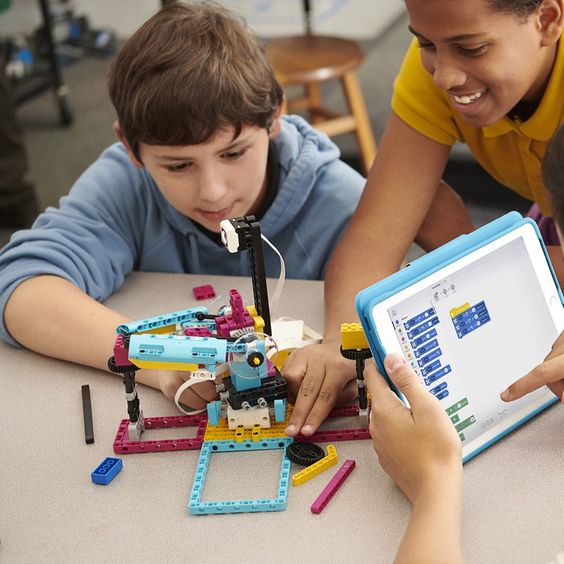
The LEGO engineering center is a simple and engaging way to inspire creativity in students. This center can be set up with various LEGO bricks, gears, wheels, and other building materials. Students can work individually or collaboratively to create their own unique structures or machines. This allows them to experiment with different engineering concepts while also sparking their imagination.

2. Circuit Exploration Center:

A circuit exploration center encourages students to learn about electricity and circuitry by providing them with various components like batteries, wires, switches, bulbs, and motors. They can create simple circuits and learn about series and parallel connections by experimenting with these components. This center challenges students to think critically while also stimulating their creativity.

3. Origami Geometry Center:

Integrating origami into geometry lessons can pique students’ interest in math while encouraging creativity. Create a center with various origami papers, sketch pens, rulers, scissors, and instructional booklets. With the help of these resources, students will become familiar with different geometric shapes and patterns by folding the paper into various three-dimensional figures.

4. Coding and Programming Center:

Coding is an important skill in today’s tech-driven world. A coding center can be established using laptops equipped with Scratch or similar kid-friendly programming software. Encourage students to create their own video games or animated stories using their coding skills. This allows them to create something entirely personal while improving their logical thinking ability.

5. Magnetic Field Discovery Center:

Magnetic field discovery centers captivate students’ attention with their interactive nature. This center can be equipped with various magnets, iron filings, compasses, and other magnetic materials. Students can explore the properties of magnets and the concept of the magnetic field by engaging in hands-on experiments. As they witness their creative ideas come to life, they’re encouraged to delve further into STEM fields.

6. Recycled Material Creation Center:

A recycled material creation center is an eco-friendly way to spark students’ creativity. This center combines scientific knowledge and environmental awareness, allowing students to transform discarded items into innovative creations. Provide materials such as plastic bottles, cans, cardboard boxes, and old newspapers for students to work with.

Conclusion:

By incorporating these easy STEM centers into your classroom or home learning environment, you can stimulate students’ curiosity and encourage creative problem-solving skills. As they engage in thought-provoking activities across various disciplines, they gain a deeper understanding of STEM concepts while discovering new passions and interests in science, technology, engineering, and math.

In Utah, Recess Now Counts as Instructional Time

A groundbreaking change has recently taken place in the state of Utah, where recess has now been deemed as instructional time for students. This change represents a progressive leap in education and is set to have a massive impact on children’s learning experiences.

The concept of recess has always been seen as a break from the classroom, a time for students to stretch their legs, engage in physical activities, and socialize with their peers. However, the educational benefits of recess are often overlooked. With this new policy in place, Utah has acknowledged the importance of incorporating playtime into a student’s day-to-day activities.

Various studies have shown that recess provides multiple benefits for students’ mental and physical well-being. It has been linked to improved cognitive performance, better attention spans, and increased creativity. Moreover, it offers opportunities for social interaction and helps students develop vital skills such as negotiation and teamwork.

One primary concern educators have had about recess is the lack of structured activities that ensure children can make the most out of their free time at school. By allowing recess to count as instructional time, schools can create a more comprehensive approach to combining physical activity and academics within the curriculum. This can help address gaps in educational achievement, especially for children struggling with traditional methods of instruction.

By counting recess as instructional time, Utah not only highlights the need for physical activity and healthy living but also endorses a shift towards more holistic approaches to education. It is important to recognize that learning does not solely occur in classrooms or through textbooks. Children learn through interactive experiences; therefore, embracing playtime as part of learning is crucial.

Utah’s decision comes at an opportune time when schools across the country are rethinking their approaches to education following the challenges posed by COVID-19. With increasingly sedentary lifestyles due to remote learning and stringent classroom measures, introducing structured recess time is one way to counteract this harmful effect on students’ mental and physical well-being.

In conclusion, Utah’s move to consider recess as instructional time is a progressive step in the right direction. It highlights the importance of embracing holistic methods of learning, now more than ever. By offering students opportunities for physical activity and social interaction during recess, schools can foster a diverse learning environment that supports children’s cognitive, emotional, and social development.

This Math Teacher Brings His Students Together Through Yoga

In today’s fast-paced, technology-driven world, students are constantly bombarded with stimuli, often leading to stress and decreased focus in the classroom. However, one innovative math teacher has discovered a unique way to help his students stay focused while connecting with their peers: yoga.

Meet James Thompson, a dedicated math teacher who vowed to improve his students’ well-being and create a more inclusive learning environment. After noticing sluggish attention spans and lack of cohesion within his classroom, James devised an exciting plan: integrating yoga into his math lessons.

By encouraging his students to pause and practice yoga for 10-15 minutes per session, James found that energy levels increased and classroom distractions reduced significantly. The implementation of yoga not only improved overall mood and concentration, but it also fostered teamwork among students who would previously fail to engage with one another.

Moreover, these brief yet highly impactful yoga sessions carved out space for open communication among the class. As they practiced yoga together, students engaged in conversations and developed strong camaraderie, creating a sense of community that translated into actively working together during regular lessons.

The positive impact of yoga on student health has been well-documented. It has been proven to enhance physical strength, flexibility and balance while also alleviating stress and anxiety. When combined with the mental benefits of math education – such as improved problem-solving skills and cognitive function – yoga creates an optimal learning environment for long-lasting academic success.

Furthermore, this unique approach highlights the importance of incorporating physical activity in daily life. By including regular breaks for exercise throughout their day, students learn how good health practices contribute to personal growth and intellectual development.

James Thompson’s marriage of math education with yoga effectively nurtures both the mind and body in an interconnected manner. Often seen as polar opposites – structured logic versus spiritual awareness – these disciplines are shown to complement each other flawlessly through this synergistic pairing.

The success of yoga integration in James’s classroom has garnered interest from educators worldwide. Increased academic performance, healthier students, and cohesive classroom communities are all outcomes that can be attributed to the harmonious collaboration between math and yoga.

James Thompson’s commitment to transforming his students’ learning experience through yoga is a shining example of how education and health can be harmonized to create brighter futures. By thinking outside the box and intertwining the traditions of math and yoga, he has demonstrated the immense potential for growth, unity, and holistic development in today’s modern classrooms.

If You Teach Elementary School, Then You Need Our Massive Writing Template Bundle

Are you an elementary school teacher looking to improve your students’ writing skills and overall quality of work? Look no further! Our Massive Writing Template Bundle is specifically designed for elementary school teachers like you who aim to guide their students towards becoming confident and skilled writers.

Let’s explore why our Massive Writing Template Bundle is essential for every elementary school teacher.

1. Comprehensive Coverage of Writing Styles:

Our bundle covers a wide range of writing styles that are relevant to elementary school students. This includes narrative, descriptive, persuasive, informative, and more. By exposing your students to various writing styles, they can better adapt and understand the composition requirements of different assignments.

2. Serves as an Excellent Guiding Resource:

Each template in the bundle comes with clear instructions and guidelines that help students understand the structure and flow of different writing styles. This makes it an invaluable tool for young writers who may struggle with organizing their thoughts. The templates act as a roadmap for maintaining focus and ensuring all essential elements are included in their written work.

3. Encourages Good Writing Practices:

The templates in the bundle promote good writing habits through consistent formatting, appropriate structure, and clear headings/subheadings. These practices will not only benefit your students during their elementary years but will also lay the foundation for improved writing throughout their educational journey.

4. Time-Saving Tool for Teachers:

No longer will you need to spend countless hours researching templates or creating them from scratch, as our Massive Writing Template Bundle has done the hard work for you. With these ready-made templates at your disposal, you can allocate more time to teaching, providing personalized feedback, and engaging with your students.

5. Easily Customizable:

Our templates are customizable which means you can modify them according to your specific lesson plan requirements or personal teaching style. This ensures that each student’s learning needs can be met adequately while maintaining consistency across the board.

6. Affordable Investment:

Investing in resources that will help improve your students’ writing skills is always worth it. Our Massive Writing Template Bundle is an affordable solution to elevating the quality of your students’ written work, ensuring they make progress throughout their time in elementary school.

In conclusion, incorporating our Massive Writing Template Bundle into your teaching strategy is a game-changer for both you and your students. This comprehensive, customizable, and affordable resource can transform the way your students approach writing assignments and develop their writing capabilities that will benefit them well into the future. Don’t miss out on this opportunity to elevate the writing prowess of your elementary school students – get our Massive Writing Template Bundle today!

Latest Posts