Pedagogue Blog

I Made Health and Wellness Part of My Daily Classroom Routine and It’s Made All the Difference

Introduction:

Health and wellness are vital components of daily life, yet they often take a back seat to other subjects in educational settings. However, by incorporating these important topics into my daily classroom routine, I’ve seen a remarkable difference in both my students’ well-being and overall enthusiasm for learning.

The Need for Health and Wellness in the Classroom:

In today’s fast-paced world, children face countless pressures from their academic, social, and personal lives. These stressors can lead to adverse effects on their mental, emotional, and physical health. By implementing a wellness-focused approach to our day-to-day activities, we can help students navigate through these challenges with greater resilience and positivity.

The Benefits of Incorporating Health and Wellness:

Since incorporating health and wellness into the classroom routine, I have observed numerous positive changes. These benefits include:

1. Improved Focus: With regular mindfulness exercises like deep breathing or meditation, students can develop better concentration and focus in their learning.

2. Enhanced Emotional Regulation: Techniques such as journaling or group discussions about emotions help students process their feelings more effectively.

3. Increased Physical Activity: Introducing short exercise breaks during class time promotes an active lifestyle while also reinforcing the importance of physical fitness.

4. Better Nutrition Awareness: Classroom lessons on nutritious eating encourage healthier food choices both at school and at home.

5. Strengthened Immunity: Promoting habits like regular handwashing reduces illness-related absences, allowing for more consistent learning experiences.

How I Added Health& Wellness Into Routine Tasks:

– Starting each day with a brief mindfulness exercise encourages students to settle into a more attentive state of mind.

– Holding impromptu stretch or dance breaks helps break up long periods of sitting and cultivates a culture of movement.

– Incorporating journaling prompts about personal feelings or reflections on recent events facilitates healthy emotional expression.

– Encouraging students to bring healthy snacks and discussing their nutritional value instills food literacy.

The Impact on Students and Teachers:

Prioritizing health and wellness in the classroom has positively impacted not only my students but also my teaching. Students are more engaged, better equipped to handle stress, and exposed to lifelong healthy habits. As an educator, I’ve gained a renewed sense of purpose in nurturing not only their intellectual growth but also their overall well-being.

Conclusion:

By integrating health and wellness into everyday classroom routines, teachers can foster a more well-rounded learning experience for their students. The benefits are clear, from improved focus and emotional regulation to increased physical activity and better nutrition. Ultimately, making health and wellness a priority in education equips children with the tools they need to thrive both inside and outside the school environment.

Can I Hug My Students? Teachers Weigh In

Introduction:

Navigating the dynamics of physical touch in a classroom setting can be a tricky subject for many teachers. With cultural, emotional, and personal factors all at play, deciding whether to hug students has become a topic worth discussing. Let’s delve into the different perspectives and opinions shared by teachers on this matter.

Balancing Comfort and Boundaries:

Maintaining a balance between comfort and boundaries is crucially important for any teacher. While hugs can create an environment of trust, warmth, and support, they can also blur the lines of professionalism or make some students feel uncomfortable. Teachers need to be aware of students’ individual preferences and cultural backgrounds in order to make informed decisions regarding physical expressions of affection.

Pros of Hugging Students:

1. Builds Trust – Hugs may foster a sense of trust between teachers and students, making it easier for them to approach difficult subjects together.

2. Encourages Emotional Expression – Teachers providing hugs as appropriate means for emotional expression can help students navigate various feelings within the classroom context.

3. Enhances the Learning Environment – A nurturing atmosphere created through acts such as hugging can reduce stress and anxiety levels, potentially resulting in better academic performance.

Cons of Hugging Students:

1. Crosses Boundaries – Hugging can potentially blur professional lines if not approached cautiously, making it difficult for students to view teachers as authority figures.

2. Discomfort – Not all students may feel comfortable with physical touch from their educators; some could even perceive it as invasive or unwanted.

3. Cultural Differences – It’s important for teachers to remain sensitive to cultural norms surrounding personal space which vary among individuals from diverse backgrounds.

Advice from Experienced Teachers:

To provide valuable insight into this topic, we collected advice from experienced educators on how they handle hugs in their classrooms:

1. Prioritize Consent – Always ask permission before engaging in any form of touch. This ensures that both teachers and students are on the same page, fostering a sense of mutual respect.

2. Keep it Professional – Make sure that hugs are always appropriate in nature and given in a public setting to maintain transparency. Saving hugs for special occasions or situations can avoid any unintended awkwardness.

3. Alternative Methods – Teachers can explore different ways to show affection and support without physical touch, such as verbal affirmations or kind gestures.

Conclusion:

Deciding whether hugging students is appropriate will always be subjective to each teacher’s unique teaching style and classroom environment. It’s essential for teachers to take individual preferences, cultural backgrounds, and professional boundaries into account when making this decision. Ultimately, maintaining clear communication and focusing on respecting students’ needs is paramount to foster positive experiences within the educational setting.

15 Memes Capturing The Realities of Needing a Substitute Teacher

In the ever-evolving world of education, substitute teachers often come to the rescue when full-time educators need a break or can’t make it into the classrooms for some reason. For students, the arrival of a substitute teacher can trigger a mixture of excitement, dread, and curiosity. In typical internet fashion, creative minds have crafted hilarious memes expressing the unique and relatable experiences of needing a substitute teacher. Here are 15 of these memorable memes highlighting various aspects of having a substitute in the classroom.

1. The Infamous Roll Call Confusion: This meme features a confused substitute teacher trying to pronounce a long and complicated name during roll call, leading to an awkward silence filled with muffled laughter from students.

2. The Pop Quiz Conundrum: A popular meme showcases a substitute teacher announcing an unexpected pop quiz, leaving students questioning their fate on a day they thought would be easy.

3. The Elusive Lesson Plan: A series of memes underline the struggle that substitutes often face as they desperately search for the elusive lesson plan left by the regular teacher.

4. Movie Day Delight: One familiar meme shows students’ excited faces upon realizing their substitute plans to show a movie instead of teaching new material, offering them a much-needed mental break.

5. Energy Drink Overdose: This meme humorously depicts an overly energetic substitute teacher overloaded on caffeine, attempting to win over their new students with sheer enthusiasm.

6. Innocent Mispronunciation: A brilliant meme shows alternative ways students mess with substitutes by intentionally mispronouncing their names and watching the bewildered reactions.

7. The Disappearing Trick: Several memes feature students claiming their regular teacher has vanished and was never found again, leaving the substitute teacher both bewildered and concerned.

8. The Incognito Teacher Assistant: A hilarious meme captures the moment when the classroom’s resident troublemaker takes the initiative in assisting the substitute teacher, much to the dismay of fellow students.

9. The Importance of Seating Charts: The difficulties faced by substitutes are showcased in a meme focused on navigating a classroom without a proper seating chart and leading to chaos and confusion.

10. When Substitutes Share Their Life Stories: This meme series highlights an enthusiastic substitute teacher sharing their personal life stories, prompting mixed reactions among students who wanted a quiet day.

11. Student vs. Substitute Showdown: A classic meme showcases students attempting various tricks to manipulate the substitute teacher for their benefit, turning the classroom into a battleground of wits.

12. The Unfazed Substitute: Another popular meme features an unfazed substitute teacher exhibiting zen-like calm in the face of chaos, demonstrating resilience and experience in handling unpredictable classroom situations.

13. The Over-Qualified Substitute: Memes also celebrate those over-qualified substitutes who impress students with their extensive knowledge on various subjects, quickly earning their respect and admiration.

14. The Disguised Regular Teacher: A clever meme series captures the ultimate student prank of having their regular teacher pose as a substitute, leaving students shocked and bewildered when they reveal their true identity.

15. The Never-Ending “No Homework” Debate: Finally, memes often highlight the ongoing debate between students and substitute teachers regarding homework assignments, as both parties dance around this delicate topic with varying enthusiasm and commitment levels.

These 15 memes capture the comical yet diverse experiences of needing a substitute teacher in classrooms worldwide. Whether it’s dealing with unexpected quizzes or sharing heartfelt life stories, these moments create lasting impacts on both students and substitutes alike for years to come.

12 Buzzworthy Insect Activities For Grades K-6

Introduction:

Insects are fascinating creatures that can spark curiosity and interest in young minds. Teachers can use this enthusiasm to create engaging, hands-on learning experiences for their students. Here are 12 buzzworthy insect activities for grades K-6 that will get students excited about learning!

1. Butterfly Life Cycle Craft

Have students create a visual representation of the butterfly life cycle using pasta shapes, paper, and glue. This activity helps illustrate the complex process of metamorphosis while allowing students to get creative with their designs.

2. Insect Scavenger Hunt

Organize an insect scavenger hunt where students search for common insects found in your school’s playground or garden. Provide each student with a list of insects to find and encourage them to observe and document their discoveries.

3. Build a Bug Hotel

Design and build a bug hotel using recycled materials like cardboard tubes, wooden pallets, and twigs. This will create habitat for beneficial insects while teaching students about recycling.

4. Create Insect Art

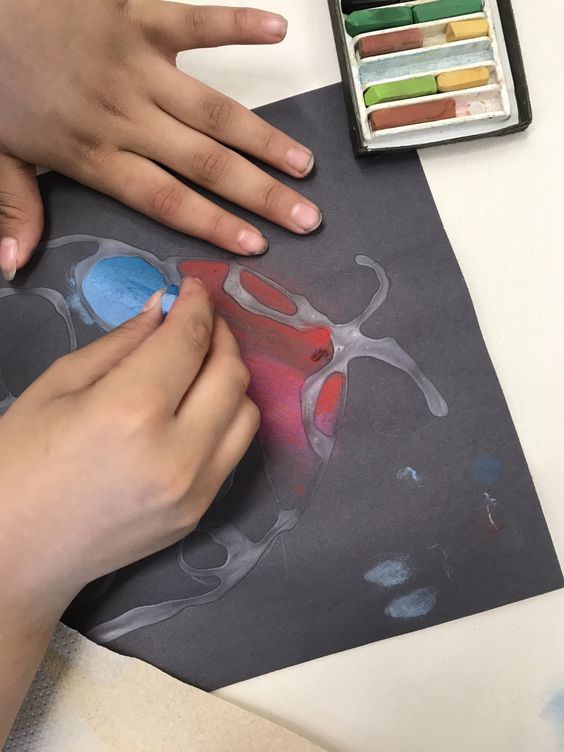
Ask students to create insect-inspired artwork using various materials like paints, colored pencils, or pastels. Display their creations around the classroom as an educational gallery.

5. Insect Spelling Games

Practice spelling words by incorporating insects into your lesson plans. For example, have students spell the names of different insects by hopping like a cricket or crawling like an ant.

6. Insects & Geometry

Explore the geometric shapes found in insect bodies and wings. Have students identify shapes and patterns in images of insects and even design their own geometrical bugs.

7. Observation Journals

Provide students with observation journals where they can record their findings about insects they encounter throughout the school year, both in class and during outdoor activities.

8. Insect A-Z

Create an insect-themed alphabet book with each letter representing a different type of bug, including fun facts about each one. This interactive learning tool can be used in class or taken home to share with family members.

9. Insect Races

Set up an obstacle course and let students race their favorite insect toys. Discuss the different adaptations and abilities that allow insects to move quickly in their environments.

10. Edible Insect Treats

Prepare a treat made with insects, such as cricket flour cookies, to give students a taste of entomophagy (eating insects). Discuss the nutritional benefits of insects, as well as their potential role in addressing global food security.

11. Insect Theatre

Put on an insect-themed play or puppet show, enlisting students to act out the roles of different insects and use props and costumes to bring their characters to life.

12. Bug Bingo

Create a bingo game featuring images of various insects. As you call out the name of each insect, students must identify them on their bingo cards. This is a fun way to teach insect identification while also reinforcing other skills like listening and concentration.

Conclusion:

These 12 buzzworthy insect activities will not only engage your students but also provide valuable learning experiences that can be adapted for different grade levels and diverse classroom needs. Encourage your students to get hands-on with these activities, and they’ll soon develop a thorough understanding of the exciting world of insects!

Casey’s Is Offering Big Grants to Help Schools Like Yours

Introduction:

As schools face unprecedented challenges in today’s rapidly changing times, many are seeking much-needed financial support. In response, Casey’s is stepping up to make a difference by offering significant grants to help schools like yours. This article will detail the exciting opportunity provided by Casey’s and discuss how your school can benefit.

Casey’s Grant Program:

Casey’s, a well-known convenience store chain, believes in the power of education and is committed to giving back to local communities. Through their grant program, they are providing financial assistance to schools in need so that resources can be effectively channeled into vital areas such as technology upgrades, infrastructure improvements, and additional educational programs.

Eligibility Criteria:

To qualify for a grant from Casey’s, schools must meet the following eligibility criteria:

1. Be a public or private K-12 institution.

2. Be located within the geographical radius of a Casey’s store.

3. Demonstrate recognizable need for funding and outline how the grant will positively impact students.

Due to the granting process’s competitive nature, priority will be given to schools that provide creative and innovative ways they would use the funds to achieve lasting change.

Application Process:

If your school meets the eligibility criteria outlined above, you can apply for a grant through these steps:

1. Visit Casey’s official website (www.caseys.com/Grants) and download the grant application form.

2. Carefully fill out the form providing accurate information about your school and details regarding your proposed project.

3. Include testimonials and support letters from community members, local businesses, teachers, or parents who endorse your project.

Submit your completed application along with required supporting documents to Casey’s Grant Committee before the announced grant submission deadline.

Grant Evaluation:

Upon receiving applications, Casey’s Grant Committee will thoroughly review each submission based on merit and alignment with their core values. The committee will consider factors such as feasibility, long-term impact, community involvement, and creative use of funds in making their decision.

Successful Recipients:

Casey’s will notify successful grant recipients via email or phone and also highlight them on their website. In addition, grant winners may be featured in local news stories or Casey’s promotional materials to celebrate their achievements and inspire other schools to apply for future grant opportunities.

Conclusion:

Casey’s grants provide a fantastic opportunity for schools like yours to get much-needed financial assistance. If you believe your school would greatly benefit from this funding, don’t hesitate to apply and showcase your innovative ideas for improving your students’ educational experience.

Teach Non-Standard Weights & Measurement With A DIY Weigh Station

In today’s fast-paced, technology-driven world, it’s essential to arm our children with a multifaceted understanding of weights and measurements. Traditional teaching methods often focus on standard units of measurement like the metric system. However, exposing students to non-standard units can help them develop a more comprehensive and holistic approach to problem-solving. One innovative way of doing this is by creating a DIY weigh station using easily available materials and resources.

A DIY weigh station not only provides a hands-on learning experience but also fosters creativity and encourages students to think outside the box. In this article, we will guide you through the steps for building a DIY weigh station and how to use it effectively for teaching non-standard weights and measurements.

Materials Required:

1. A sturdy ruler or wooden stick

2. Two paper or plastic cups

3. String

4. Scissors

5. A set of objects with varying weights (for example: stones, coins, buttons)

Step 1: Prepare the Scale

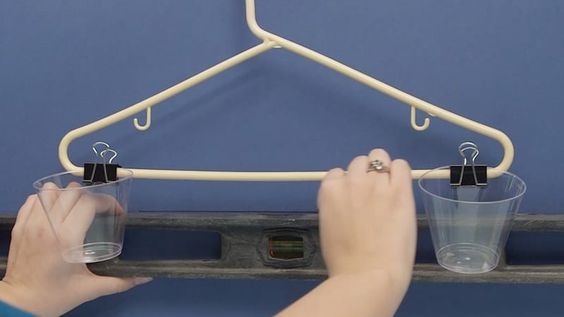
Create your own simple balance scale using the ruler or wooden stick as the central beam. Attach one cup to each end of the beam using string and ensure that both cups hang at equal heights when the middle of the ruler is held from above. This setup allows you to create a basic weighing mechanism using everyday materials.

Step 2: Gather Non-Standard Measuring Units

Introduce non-standard measuring units by collecting objects with varying weights such as small rocks, paper clips, or even household items like teaspoons. Explain that these non-standard units can be used to compare the weights of different objects while demonstrating their practical use.

Step 3: Explore Non-Standard Weights & Measurements

Encourage students to place objects in one cup and use non-standard measuring units to balance it in the other cup. This hands-on activity will enable them to understand concepts like heavy, light, and equal while also teaching them the importance of estimation and approximation.

Step 4: Encourage Comparisons and Critical Thinking

Ask students to compare objects using their self-discerned measuring units and share their observations. This allows them to engage in critical thinking and promote discussions on the advantages and limitations of using non-standard units for weight measurement.

Step 5: Integrate the DIY Weigh Station into Lessons

Make the most out of your DIY weigh station by incorporating it into various classroom activities. For example, use it during science experiments to learn about mass or introduce it in math lessons focusing on addition or subtraction with objects of different weights.

In conclusion, a DIY weigh station provides an engaging platform for teaching non-standard weights and measurements. By encouraging creativity and hands-on experience, students can learn essential estimation skills, enhance their understanding of tangible concepts, and appreciate the diversity of measurement approaches. This powerful educational tool has the potential to transform traditional teaching methods, making it an invaluable addition to your classroom.

10 Writing Center Ideas We Love

Writing centers are an essential resource for students and educators alike, providing a space for brainstorming, writing, editing, and improving writing skills. But how can we make writing centers inviting, engaging, and effective? Here are ten writing center ideas we love to use in our classrooms!

1. Peer-to-Peer Feedback

Encourage students to share their writing with their peers and provide constructive feedback. Not only does this create a supportive writing community, but it also helps students to become better writers by learning from one another.

2. Comfortable Seating

Instead of traditional desks and chairs, consider providing comfortable couches or bean bags where students can unwind and relax while they write. This can help inspire creativity and reduce anxiety around the writing process.

3. Colorful Inspiration

Use colorful visual aids such as posters, postcards, or word walls to motivate your students. Display pictures with quotes from famous authors or inspiring words to help spark ideas and keep them focused on their work.

4. Writing Prompts

Provide a variety of fun and engaging writing prompts for students to choose from to help them get started on their pieces. You can switch up the prompts weekly or monthly so that they always have something new and inspiring to work on.

5. Technology

Incorporate technology into your writing center by providing access to computers or tablets that can be used for research, drafting, or finalizing papers. Make sure each tool is equipped with helpful apps like grammar checkers, thesauruses, or collaborative platforms like Google Docs.

6. Reward System

Create a reward system for students who visit the center regularly or show improvement in their writing skills. This could include certificates of achievement, small prizes, or simply recognition among their peers.

7. Workshops

Organize regular workshops covering different aspects of the writing process; invite expert guest speakers like authors or local journalists who can share valuable insights and tips.

8. Personalized Journals

Provide students with personalized journals to record their ideas, draft stories, or simply jot down their thoughts. This acts as a safe space for them to express themselves without fear of judgment and encourages creativity.

9. Mini Book Clubs

Establish small book clubs within the writing center where students can read and discuss various works of literature. By doing this, they can learn about different writing styles and techniques while bonding with fellow writers.

10. Open Mic Sessions

Organize open mic sessions where students can showcase their work by reading aloud. This not only helps develop public speaking skills but also fosters self-confidence and a sense of accomplishment.

Implementing these ten ideas in your writing center will lead to a more positive, supportive, and creative atmosphere that fosters growth and development in your students’ writing abilities. Happy writing!

From the Classroom to Congress: Educators Taking Charge of Their Future

Over the years, educators have played a crucial role in shaping young minds, imparting knowledge and values that will guide the next generation of citizens. However, more recently, a growing number of educators are stepping up and taking their role to new heights by running for, and winning, public office. From the classroom to Congress, these educators are pushing boundaries all while seeking educational reform.

In 2018, America saw a record-breaking number of educators running for political office during the mid-term elections. Among them were former teachers and administrators who sought to bring their experience and expertise into the realm of politics to effect change on a larger scale. This shift has been dubbed the “educator wave,” and it continues to gather momentum as more teachers enter the political arena.

Frustration with low pay, shrinking funding for public schools, inconsistent policies around standardized testing, and inadequate support for students with special needs have fueled this rising activism among teachers. Instead of sitting idly by as these issues continue to affect both teachers and students alike, they have chosen to step up and take matters into their own hands by running for public office.

One of the most notable cases is that of Jahana Hayes from Connecticut’s Fifth District. A former history teacher who began her career in education in 2003, Hayes was named National Teacher of the Year in 2016. She went on to run for Congress during the 2018 election cycle as a Democratic candidate and won. Hayes credits her experiences as an educator with preparing her well for legislative work: “Teaching has made me strong – strong enough to stand up for what I believe in,” she said.

In addition to Hayes, several other educators were elected during the mid-term elections. These teacher-representatives bring unique perspectives to legislative bodies due to their direct experience within schools; they understand better than anyone just how vital public education is to the nation’s future.

Moreover, by advocating for teachers and students, these elected officials strive to ensure that quality education remains at the forefront of political conversations. They work to secure increased funding, updated classroom resources, competitive salaries for educators, and more support overall for schools.

The rise of educators to political office also signals the importance of civics education, teaching young people about how government works and inspiring those who may feel disillusioned by politics to engage in the system and make a difference. Their journey from classroom to Congress holds invaluable lessons in activism and civic responsibility.

In conclusion, this wave of educators ascending to public office is an exciting development in both politics and education. Their experiences and perspectives are essential for driving much-needed change within American educational systems. As they continue to advocate for their fellow teachers and students, it is certain that their impact will be felt well beyond the walls of their former classrooms.

Three Playlists Every Teacher Needs for ’20-’21

As the 2020-2021 school year continues to be marked by change and uncertainty, teachers are continually adapting to new teaching modalities, tools, and classroom environments. One constant that can bring a sense of comfort and familiarity is music. Not only can music enhance the learning experience within classrooms or virtual lessons, but it can also help create a positive environment in which students feel motivated and engaged. Here are three playlists every teacher needs for the ’20-’21 school year.

1. The Energizing Morning Playlist

Kick off each day with an energizing morning playlist designed to wake up those sleepy brains and spark enthusiasm for the day ahead. This playlist should feature uplifting tracks from various genres that get students excited about learning. Incorporate songs they might recognize from their favorite shows or artists, but don’t be afraid to introduce some timeless classics.

Sample songs:

– “Happy” by Pharrell Williams

– “Can’t Stop The Feeling!” by Justin Timberlake

– “Walking on Sunshine” by Katrina and the Waves

– “I Gotta Feeling” by The Black Eyed Peas

– “Don’t Stop Believin'” by Journey

2. The Concentration Playlist

Create a playlist specifically crafted for focus and concentration during individual or group work periods. This can include instrumental pieces, gentle acoustic tracks, or movie soundtracks that provide an ambiance without distracting lyrics.

Sample songs:

– “River Flows In You” by Yiruma

– “The Ludlows” from Legends of the Fall (James Horner)

– “Marry Me” by Train (instrumental)

– “Orbit” by NAO

– “Wildest Dreams” by Taylor Swift (acoustic)

3. The End-of-Day Reflection Playlist

At the end of each school day, it’s important for students to unwind and reflect on what they’ve accomplished and learned. Create a playlist featuring soothing and inspirational songs that help students re-center and celebrate their achievements.

Sample songs:

– “What a Wonderful World” by Louis Armstrong

– “Count on Me” by Bruno Mars

– “Three Little Birds” by Bob Marley

– “Imagine” by John Lennon

– “Lean on Me” by Bill Withers

In conclusion, music is a powerful tool for teachers to foster an engaging and positive classroom environment. Having these three playlists at your disposal for the ’20-’21 school year will not only brighten your students’ days but could also have lasting positive effects on their educational journey.

5 Steps to Creating Student Documentaries in Middle School

As digital technology becomes increasingly accessible and user-friendly, student documentaries are a fantastic way to engage middle school students in both creative and educational pursuits. Creating documentaries allows students to showcase their research, storytelling, and presentation skills while also gaining valuable insights into the world around them. Here are five steps to help guide your middle school students through the process of creating student documentaries.

1. Choose the Topic

Selecting a topic that resonates with your students will set the stage for their learning process. Encourage them to find subjects they’re genuinely curious about, whether it’s a social issue, historical event, or local community story. The topic should be relevant and substantial enough for a short documentary, but not too broad or difficult to tackle.

2. Conduct Research

Once the topic is chosen, students will need to dive into research. They can start by gathering information from books, articles, websites, and other sources. Encourage your students to explore different perspectives on their subject matter and validate their sources by cross-referencing them with other materials. Primary resources like interviews and personal accounts can offer first-hand insights and greatly enhance the documentary.

3. Plan and Storyboard

Before diving into the actual production process, it’s crucial for students to develop a plan for their documentary. First, have them outline the structure of their film by setting up a narrative arc with an introduction, body with key points or arguments, and conclusion. Then assist them with storyboarding – creating a visual representation of each scene using drawings or photographs. This helps ensure that the end product stays organized and focused on their central message.

4. Gather Footage & Multimedia Content

With the storyboard in hand, it’s time for your students to gather footage – whether they are capturing interviews or shooting landscapes for B-roll content. Encourage them to choose engaging visuals that will complement their narrative effectively. Additionally, they can create or compile other multimedia elements, such as images, graphics, and audio recordings that will enhance their story.

5. Edit and Polish the Documentary

Equipped with various resources and footage, your middle school students are now ready to edit their documentaries. They can use video editing software like Adobe Premiere or Final Cut Pro to sequence and synchronize everything. Encourage them to experiment with various editing techniques, from cutting clips and overlaying sound to utilizing transitions and text. Provide ample feedback during this stage so that they can refine and polish their work before it’s ready for an audience.

By following these five steps, middle school students will have successfully navigated their way through the process of creating a documentary. Not only will they have gained valuable technical skills in research, storytelling, and video production, but they’ll also walk away with increased awareness of their chosen topic and an appreciation for the power of documentary filmmaking in conveying meaningful stories.

13 Easy and Fun Virtual Valentine’s Day Activities for Kids

Introduction:

Valentine’s Day is just around the corner, and while we continue to adapt to social distancing measures, virtual activities are becoming increasingly popular. In this article, we will explore 13 easy and fun virtual Valentine’s Day activities for kids that can be enjoyed from the comfort of your home, keeping everyone safe and entertained.

1. Virtual Valentine’s Day Card Exchange

Organize a virtual card exchange by inviting kids to create digital Valentine’s Day cards using apps like Canva or Adobe Spark. Once complete, they can send their cards to friends via email or even share them on social media.

2. Online Pictionary

Gather the kids in a virtual meetup and engage them in a game of Valentine’s Day-themed Pictionary. Use a drawing app like SketchParty TV or Drawful 2 for seamless gameplay.

3. Virtual Baking Party

Host a virtual baking party and have kids follow along with an online recipe tutorial. They can bake heart-shaped cookies, cupcakes with pink frosting, or any treat that represents love!

4. Craft Session

Engage kids in arts and crafts using simple supplies like construction paper, scissors, glue, and markers to create lovely Valentine’s Day-themed decorations.

5. Virtual Scavenger Hunt

Create a list of Valentine’s-themed items or words that each participant needs to find within their own homes. Whoever finds all the listed items first is declared the winner!

6. Online Storytime

Connect via video chat and read aloud favorite love-themed children’s books like ‘Guess How Much I Love You’, ‘Love Monster’, or ‘The Day It Rained Hearts’.

7. Customized Love Playlists

Encourage kids to make their own love-themed playlists using music streaming services like Spotify or Apple Music and then share these playlists with their friends.

8. Virtual Movie Night

Organize a virtual movie night by streaming a love-themed family movie like ‘Lady and the Tramp’, ‘Beauty and the Beast’, or ‘The Princess Bride’.

9. Online Dance Party

Have an online dance party by sharing a dance tutorial video, or even go live and teach your own Valentine’s Day sequel.

10. Virtual Escape Room

Find a Valentine’s Day-themed online escape room that kids can work together to solve puzzles and escape in time.

11. DIY Gift Exchange

Set up a virtual crafting session for kids to create handmade gifts for one another, such as origami hearts, beaded bracelets, or custom drawings. Once completed, have them exchange gifts via mail.

12. Online Dress-up Party

Encourage kids to dress up in Valentine’s Day-themed costumes and host a virtual costume party where they can show off their unique and creative ensembles.

13. Virtual Valentine’s Day Trivia

Find love-themed trivia questions or create your own to host a virtual Valentine’s Day trivia contest. Kids will have fun while also learning interesting facts about this special day.

Conclusion:

These 13 easy and fun virtual Valentine’s Day activities for kids are adaptable and accommodate all ages, allowing everyone to feel the love this holiday without leaving their homes. With a little creativity and planning, you can ensure that your little ones still have a memorable Valentine’s celebration while staying safe in today’s digital age.

What Should Kids Do This Summer to “Catch Up”? Play.

Introduction:

After a year of remote learning and social isolation, many parents are concerned about their kids “catching up” academically. However, as we welcome this summer, the focus should shift from academics to playtime. While it might seem counterintuitive, integrating play into children’s summer routines can significantly contribute to their overall development and well-being.

The Importance of Play for Development:

1. Social Skills: Through play, children learn how to interact with others, share, negotiate boundaries, and express their feelings constructively. These social skills are crucial in building friendships and navigating various social scenarios throughout their lives.

2. Emotional Well-being: Taking part in engaging activities allows children to express themselves emotionally, contributing to improved mental health. Play encourages creativity and self-expression, which helps instill confidence and resilience in children.

3. Physical Health: Outdoor play promotes physical fitness, coordination, and gross motor skills development. It also exposes children to sunlight, stimulating the body’s production of vitamin D – a vital nutrient for bone growth and immune system support.

4. Cognitive Development: Playing games that involve memory or problem-solving stimulate critical thinking skills in children. Puzzles, riddles, Legos, and board games help teach kids how to strategize and make decisions while having fun.

5. Strengthening Family Bonds: Collaborative play between parents and children establishes a strong connection within the family unit. Parents can engage in outdoor activities with their children or participate in board games during family nights.

Tips for Encouraging Play This Summer:

1. Set a Schedule: While keeping a sense of structure is essential during summertime, make sure to establish flexible hours where children can engage in independent or group play sessions.

2. Create Outdoor Opportunities: Encourage your child to participate in outdoor sports like soccer or basketball or simply enjoy recreational activities like swimming, hiking, or biking.

3. Offer Interesting Play Materials: Provide a variety of age-appropriate toys that engage various senses – such as paints, building blocks, puzzle games, or sand and water stations.

4. Foster Creativity: Create an environment that supports artistic expression by offering materials for sketching, painting, or pottery. Allow kids to explore using different media while learning the importance of freedom in creation and expression.

5. Limit Screen Time: Set boundaries on screen time and promote alternative options for play, like reading, crafts, or interactive games instead.

Conclusion:

As tempting as it might be to emphasize academics this summer to “catch up,” it is essential to recognize the importance of play for children’s overall development. Play encourages creativity, emotional expression, social skills development, and physical health in kids. By fostering a playful environment this summer, parents can contribute significantly to their child’s well-being and growth.

Latest Posts