Pedagogue Blog

I Don’t Want To Teach In A Classroom Without Fart Jokes

Introduction:

Teaching in today’s fast-paced, high-tech world is not without its challenges and rewards. However, one aspect of teaching remains the same: the importance of laughter and humor in the classroom. While some may argue that crude, childish humor like fart jokes have no place in the educational environment, I strongly disagree. In fact, I would go as far as to say that I don’t want to teach in a classroom without a healthy dose of fart jokes.

The Importance Of Laughter And Humor In The Classroom:

Laughter has long been touted as an essential element of learning. It helps establish a relaxed atmosphere, makes learning enjoyable, and makes students more willing to take risks. Humor can help create stronger rapport between teacher and students, making it easier for them to ask questions and engage with the material.

Welcoming All Kinds Of Humor:

It is essential to acknowledge that humor comes in many forms. Students come from diverse backgrounds, each with their personal experiences and unique sense of humor. By embracing all forms of comedy – including the often frowned upon fart jokes – we allow children to express themselves, build confidence, and create meaningful connections with their classmates.

Fart Jokes And Cognitive Development:

One might argue that fart jokes hold no educational value due to their crude nature. However, this simplistic view ignores the potential cognitive development benefits associated with humor and laughter. As children participate in humorous activities such as telling silly jokes or sharing stories with comedic content, they are exercising various skills like language processing, critical thinking, creativity and understanding subtlety.

Fostering Emotional Intelligence:

Embracing a diverse range of humor also contributes to growing emotional intelligence in children. Emotional intelligence involves understanding one’s own emotions and those of others. Although at first glance fart jokes might seem unrelated to emotional intelligence development; they are in fact, tools that can help students explore self-expression, empathy, and social interaction skills.

Breaking Through Barriers:

A well-timed fart joke can be the icebreaker needed to engage a diverse group of students that may have difficulty connecting or collaborating. Humor is universal; a shared laugh can provide common ground for students who have very distinct backgrounds and perspectives.

Conclusion:

Although there are numerous ways to incorporate humor in the classroom, including the use of fart jokes should not be discounted. By welcoming laughter in various forms, we can create warm, inclusive learning spaces to help foster relationships, cognitive growth, and emotional intelligence among students. While fart jokes may not be everyone’s preferred form of humor, they hold a valuable place within the educational setting. In the end, I wouldn’t want to teach in a classroom without them.

8 Ways to Help Your Students Build Resiliency

Introduction:

Resilience is the ability to adapt and bounce back from adversity. It is an essential skill to cultivate in students to help them navigate life’s challenges more effectively. As educators, we can play a pivotal role in fostering resilience among our students. In this article, we will discuss eight ways to help your students build resiliency.

1. Promote a Growth Mindset:

Encourage students to view challenges as opportunities for growth and emphasize the importance of effort and persistence over innate talents. Praise their efforts rather than their abilities, and create a classroom culture that values learning from mistakes.

2. Build Strong Relationships:

Foster supportive relationships with your students by being approachable and showing genuine interest in their well-being. Encourage peer-to-peer bonding through collaborative activities, leading to a socio-emotionally healthy classroom atmosphere.

3. Teach Coping Skills:

Help students develop healthy coping strategies like deep breathing, mindfulness, and stress management techniques. Provide opportunities for them to practice these skills in class and encourage them to use them when faced with difficult situations.

4. Set Realistic Goals:

Assist your students in setting achievable goals that are specific, measurable, attainable, relevant, and time-bound (SMART). Help them break down larger tasks into smaller steps, making it easier for them to cope with challenges and experience success.

5. Foster Problem-Solving Skills:

Instead of providing immediate solutions, guide your students through the process of analyzing issues, considering multiple perspectives, and weighing pros and cons before arriving at a decision. This helps them become more resilient as they learn to manage challenging situations independently.

6. Encourage Emotional Expression:

Create an environment where students feel safe sharing their feelings and emotions without fear of judgment or ridicule. Validate their emotions and teach them how to express themselves constructively.

7. Provide Opportunities for Success:

Design tasks and assignments that offer students the chance to experience success. Be mindful of their individual abilities and strive to provide differentiated instruction, ensuring each student has an opportunity to shine.

8. Model Resilience:

As an educator, demonstrate resilience by acknowledging setbacks, and bouncing back from them with optimism. Share personal experiences with overcoming obstacles and how you have grown as a result. By modeling resilient behavior, you inspire your students to do the same.

Conclusion:

Building resiliency in students is essential for academic, social, and emotional growth. Use these eight strategies to foster resilience in your classroom and help empower your students for success in the face of adversities they may encounter throughout their lives.

These Free SEL Lessons for Grades 2-6 Help Students Learn To Be Kind Online

Introduction:

In today’s world, children are exposed to various digital platforms and get involved in different online activities at a very young age. Although the internet provides numerous opportunities for learning and entertainment, it also has the potential to breed cyberbullying, hate speech, and negative interactions. This is where Social Emotional Learning (SEL) comes in as a powerful tool that can help students learn to be kind online.

Social Emotional Learning (SEL) Lessons:

Free SEL lessons are available for students in grades 2-6 to help them develop essential skills like empathy, emotional regulation, and responsible decision-making. These skills equip children with the ability to be kind, respectful, and considerate while interacting online.

1. Empathy:

Empathy is the ability to understand and share the feelings of others. By teaching students how to empathize with their peers and recognize their emotions, they can be more understanding of one another’s perspectives. Consequently, they will learn how to communicate respectfully on digital platforms.

2. Emotional Regulation:

Emotional regulation involves managing one’s own emotions in an appropriate and healthy manner. Students who know how to handle their feelings effectively can resist reacting impulsively in a negative way online. Instead, they can thoughtfully engage with others by practicing kindness on social media, texting, or any other digital platform.

3. Responsible Decision-Making:

Responsible decision-making skill teaches students how to evaluate the consequences of their actions and make the right choices accordingly. By understanding the impact of their words and actions on others, they will become more aware of proper online etiquette.

Teaching Materials:

Several resources have been developed to facilitate teachers in providing effective SEL lessons for students in grades 2-6:

a) Online Platforms: Websites like Common Sense Media offer free SEL lesson plans focusing on digital citizenship topics that include self-awareness, empathy, and responsible decision-making.

b) Books: Various books, such as “Words Wound” by Justin W. Patchin and Sameer Hinduja, help educators teach students about the consequences of cyberbullying and encouraging kindness in interactions.

c) Online Courses and Modules: Free online courses like edX’s “Digital Wellbeing” address relevant topics on online safety, digital etiquette, and responsible use of technology.

Conclusion:

Incorporating free SEL lessons for students in grades 2-6 is an indispensable step in fostering a positive online environment. By teaching empathy, emotional regulation, and responsible decision-making skills, children will be better equipped for navigating digital spaces with kindness and mutual respect. Let’s invest in shaping the next generation of responsible digital citizens by integrating these essential SEL lessons in our everyday teachings.

Phonics Songs for Kids to Learn Letter Sounds The Fun Way!

Introduction

Phonics is a crucial building block in children’s literacy development, and introducing phonics songs can be an engaging and entertaining way to teach letter sounds. By using phonics songs, children can learn the sounds of letters while having fun, which will help lay the foundation for reading and spelling skills later on. In this article, we will explore some fantastic phonics songs that will make learning letter sounds exciting and enjoyable for kids.

Top Phonics Songs for Kids

1. The Alphabet Song (The ABC Song)

Perhaps the most classic and well-known phonics song, the Alphabet Song is a traditional starting point to help children learn about the 26 different letter sounds. With its catchy tune and simplicity, kids often find it easy to grasp and enjoy singing along.

2. Letter Sounds Song by Have Fun Teaching

This catchy song takes kids through each letter of the alphabet while providing an example of a word that starts with each sound. The accompanying animation helps children visually connect the letter with its sound, which reinforces learning.

3. Phonics Song 2 by KidsTV123

With its infectious melody and charming animation, this song teaches letter sounds through repetition and visual association. Each letter is presented along with objects or animals beginning with that sound, helping children make connections between letters and real-life examples.

4. LeapFrog’s Letter Factory

This engaging video takes young learners through a tour of a “Letter Factory,” where letters are produced with their corresponding sounds by friendly characters. This imaginative approach to teaching phonics keeps kids captivated while instilling essential letter-sound knowledge.

5. Jolly Phonics Songs

Jolly Phonics offers a comprehensive set of songs that cover all 42 English phonemes (letter sounds). These lively tunes and rhymes make it enjoyable for kids to learn both basic and more complex letter combinations as they engage in fun and interactive singing.

6. Alphablocks on CBeebies

Alphablocks is a popular TV series that also features phonics songs and animations for the little ones. Each episode introduces new letter sounds through endearing stories, songs, and colorful blocks that represent each letter, allowing children to learn in an entertaining and appealing setting.

Conclusion

Phonics songs can be an invaluable tool for teaching children letter sounds while making the learning experience enjoyable and engaging. With plenty of kid-friendly tunes available out there, it’s easy to create a playlist that helps children learn phonics through playful repetition. By introducing these entertaining phonics songs early on, parents and educators can help pave the way for success in reading, writing, and overall literacy development.

Getting Started With Classroom Coding May Be Easier Than You Think

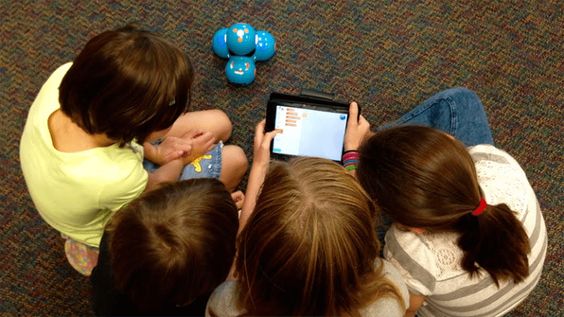
In today’s rapidly evolving world, computer programming has become an essential skill. It is no longer limited to the realm of professional developers but has found its way into classrooms across the globe. Educators have realized the immense potential of incorporating coding into their curriculum, and you might be surprised to learn that getting started with classroom coding is much more manageable than you think.

Understanding the Value of Coding in Education

Coding isn’t just about writing lines of code; it’s a tool that enhances problem-solving, logical thinking, creativity, collaboration, and communication skills. Integrating coding into a curriculum prepares students for an ever-increasing technology-driven world and can spark interest in pursuing a career in computer science or related fields.

Easing Into The Coding World

The good news is that introducing coding into your classroom doesn’t require extensive knowledge in computer programming or massive budgets. There are numerous free or affordable resources available to help simplify your coding journey. Below are some steps you can take to get started:

1. Familiarize Yourself with Coding Concepts: Begin by learning basic programming languages such as Scratch or Python through online tutorials and courses. Many resources are available on YouTube, Codecademy, and Coursera.

2. Attend Workshops and Webinars: Make use of workshops, webinars, and professional development conferences focused on introducing coding for educators. These events provide valuable information and guidance on how to effectively incorporate coding into your lessons.

3. Begin with Simple Projects: Start by integrating simple coding projects into your existing curriculum that don’t require any additional hardware materials. You can incrementally increase the complexity of the projects as you gain more knowledge and experience.

4. Utilize Game-Based Teaching Platforms: Platforms like Minecraft: Education Edition or CodeCombat help students learn coding concepts while having fun through interactive gameplay.

5. Join Educator Communities: Connect with fellow educators who have experience in teaching coding. Share ideas, lesson plans, and get valuable advice on your coding journey.

6. Obtain Grants or Funding: Many organizations offer grants to help teachers implement computer science education in their classrooms. Apply for funding to get the necessary resources for implementing coding lessons.

7. Learn from Your Students: As you introduce coding into your classroom, you’ll inevitably encounter students who are well-versed in programming languages. Encourage them to share their knowledge with the rest of the class, allowing you to learn together.

Collaborative Efforts Unveil Endless Possibilities

Coding in the classroom is a collaborative effort between teachers, students, and administrations alike. Together, you’ll uncover exciting new possibilities for personal and professional growth while equipping students with essential life skills. Remember that getting started with classroom coding may be much easier than you think – all it takes is determination, a little research, and support from fellow educators to unlock the endless potential of learning through code.

We Need to Teach All Students About Artificial Intelligence—Starting Now

Introduction:

In today’s rapidly advancing world, artificial intelligence (AI) is at the forefront of nearly every industry and plays a crucial role in shaping our lives. From shaping medical treatments to streamlining business processes, AI’s impact is transforming how we approach problems and find solutions. As such, it is vital that we start educating students about AI as early as possible, preparing them for a future where they can effectively harness the power of this technology.

The Importance of Teaching AI:

1. Preparing for an AI-driven future: With the influx of jobs and roles demanding AI skills and knowledge, it’s crucial that students are prepared for these opportunities. The job market will continue to evolve as advancements in AI continue to disrupt traditional industries, and our education system must adapt to ensure that students can develop the skills needed for success.

2. Developing critical thinking skills: Teaching students about AI promotes critical thinking skills and fosters their creativity, enabling them to seek innovative ways in which they can use AI technologies in solving real-world problems. These soft skills are just as important as technical knowledge when it comes to using AI effectively.

3. Reducing fear and misconceptions: Educating students about AI can help demystify the technology by providing an understanding of how it works on a basic level. This can prevent fear and misconceptions about its potential impact on society from taking hold.

4. Encouraging ethical considerations: Introducing AI concepts to students can promote discussions around the ethics surrounding data usage, privacy, and fairness. These conversations are vital in ensuring that the next generation of leaders understands the responsibility that comes with wielding this powerful technology.

How We Can Implement AI Education:

1. Incorporate AI into existing curricula: Rather than creating entirely new courses focused solely on artificial intelligence, schools can integrate fundamental principles of AI into existing subjects such as math, science, and computer science courses.

2. Hands-on projects: Giving students the opportunity to engage in practical, hands-on projects related to AI can help solidify their understanding of various principles and deliver a more meaningful learning experience. Students can build and program robots or use machine learning algorithms to identify patterns in data sets.

3. Career development programs: Schools can develop partnerships with local businesses and academic institutions to provide internship opportunities for students interested in AI disciplines. These opportunities will help expose students to real-world applications of AI, further reinforcing classroom learning.

4. Teacher training: Ensuring that educators are adequately trained in AI is crucial for the success of any AI-related education effort. Professional development programs dedicated to equipping teachers with the necessary knowledge and skills should be a priority.

5. Utilizing Massive Open Online Courses (MOOCs): Supplementing traditional classroom learning with online AI courses offered through platforms like Coursera or edX can provide an affordable and accessible way for students to gain exposure to leading-edge practices from experts in the field.

Conclusion:

As the role of artificial intelligence continues to expand, it is essential that our education system adapts, and all students are given the opportunity to learn about this transformative technology. The earlier we introduce these concepts and tools, the better equipped our future workforce will be to harness AI’s potential for the benefit of society as a whole. It’s time for us to prioritize AI education—starting now.

How to Help Kids Cope with Climate Change Anxiety

Introduction:

Climate change anxiety is a growing concern among children as they are exposed to news and discussions about the environmental challenges our world faces. These concerns can manifest in various ways, including stress, worry, or sadness. As parents and caregivers, it is crucial to help kids cope with these feelings and provide them with a sense of understanding and control. Here are some tips for helping your children manage their anxiety about climate change.

1. Encourage Open Dialogue:

Create a safe space for your children to express their thoughts, concerns, and emotions regarding climate change. Encourage open discussions by asking questions, listening attentively, and validating their feelings. Let them know that their concerns are common and understandable.

2. Educate Them:

Help your kids understand the science behind climate change by providing age-appropriate information and resources. Explain the causes and effects of global warming in simple terms to help them grasp the concept better. Acknowledge the reality of the situation, while emphasizing the importance of collective efforts to mitigate climate change.

3. Focus on Solutions:

Offset anxiety by discussing potential solutions and encouraging your kids to participate in eco-friendly activities. Teach them about recycling, conserving energy, reducing waste, and other sustainable practices. Empower them by explaining how each small action can contribute positively to protecting the environment.

4. Develop a Climate Action Plan:

Collaborate with your child to create a family ‘Climate Action Plan,’ outlining steps your family will take to reduce its carbon footprint. This hands-on approach will provide them with a sense of purpose and achievement, helping alleviate some of their anxiety.

5. Connect with Nature:

Organize regular outdoor activities for your children that allow them to connect with nature, foster an appreciation for the environment, and showcase the beauty of our planet. This connection can help strengthen their desire to protect it.

6. Address Media Consumption:

Monitor and regulate your child’s exposure to news about climate change, as frequent and sensationalized media coverage can exacerbate anxiety. Provide balanced information by seeking reliable news sources and discussing the positive developments in climate change efforts.

7. Model a Positive Attitude:

Children take emotional cues from their parents. Model a positive attitude towards climate change by portraying optimism, proactive behavior, and demonstrating gratitude for the beauty and resources offered by our planet.

8. Seek Professional Help if Needed:

If your child’s anxiety becomes overwhelming and affects their daily functioning or well-being, consider seeking professional assistance. A mental health professional can provide guidance and support to help your child navigate their feelings about climate change.

Conclusion:

Helping children cope with climate change anxiety involves open communication, education, solution-focused discussions, and maintaining a balanced perspective. By empowering them with knowledge, tools, and positive reinforcement, you can foster resilient children who are ready to face the challenges of today while working together for a sustainable future.

Recycling in the Classroom

Introduction

It is crucial to instill the importance of recycling and environmental responsibility in the hearts and minds of our youth. One effective way to achieve this is by incorporating recycling practices in educational institutions, creating responsible, eco-friendly citizens for the future. Recycling in the classroom not only benefits the environment but also helps students develop a strong foundation of sustainable habits.

The Importance of Recycling in the Classroom

1. Environmental Impact: By incorporating recycling habits into classrooms, we help reduce waste in landfills, conserve natural resources, and most importantly, reduce greenhouse gas emissions that contribute to climate change.

2. Educational Opportunities: Recycling teaches children important lessons about resource conservation and waste management, while offering them hands-on experience in sustainability practices.

3. Promoting a Culture of Sustainability: By teaching children about the importance of recycling at an early age, they’ll grow up with an understanding of how their individual actions can have a significant impact on preserving our planet for future generations.

Ways to Implement Recycling Initiatives in Classrooms

There are numerous ways to promote recycling within educational institutions:

1. Establish Clear Recycling Guidelines: By setting up simple guidelines that outline which materials can be recycled and how to sort them properly, schools can help ensure students and staff are well-informed about their recycling options.

2. Create a Recycling Station: Designate an area within each classroom or school that offers bins for paper, plastic, glass, and any other relevant recyclable materials to make it clear where students should deposit their waste instead of disposing of everything in general containers.

3. Teach Children Through Activities: Utilize interactive games or projects explaining the importance of recycling and its effects on the environment to engage students actively.

4. Host School-wide Recycling Initiatives: Encourage friendly competition among classrooms by tracking which class recycles the most over a period or collaboratively plan events like Earth Day celebrations and community clean-up initiatives.

5. Include Recycling in the Curriculum: Integrate recycling topics in subjects like Science, Social Studies, and even Arts, where students can learn the value of repurposing materials and discuss environmental issues.

Reaping the Benefits

By implementing recycling initiatives within schools:

1. Students build strong habits of waste reduction that carry on into adulthood.

2. Recycling practices help conserve natural resources – a benefit for both local ecosystems and global climate.

3. In many cases, schools can reduce expenses associated with waste disposal or even earn money through recycling programs.

Conclusion

Recycling in the classroom is instrumental in shaping our future generations to be environmentally responsible adults. By teaching our children about the importance of recycling and empowering them with practical experience, we are creating a strong foundation for a sustainable future that benefits both people and the environment.

15 Fun Zoom Games for School Staff

In today’s world of remote learning and virtual meetings, it’s more important than ever to keep school staff engaged and connected. One way to build camaraderie and have some fun is by incorporating games into Zoom meetings. Here are 15 fun Zoom games that can bring laughter and lighthearted competition to your virtual staff get-togethers.

1. Scavenger Hunt: Create a list of items that participants need to find in their homes. Set a timer for participants to search for the items, and the first person to find all of them wins!

2. Two Truths and a Lie: Each participant shares two true statements and one false statement about themselves. Colleagues then try to guess which statement is false.

3. Emoji Quiz: Create a PowerPoint presentation with images of popular emojis and participants must determine the meaning or phrase represented by each emoji.

4. Pictionary: Use the Zoom whiteboard feature or sketch online platform for teams to play Pictionary.

5. Virtual Bingo: Share an online bingo card with participants, call out numbers, and watch as colleagues try to fill out their cards.

6. Trivia Night: Dedicate a portion of the meeting for trivia questions about your school or education in general.

7. Name That Tune: Play snippets of famous songs and have participants guess the song titles.

8. Charades: Participants act out phrases or titles while their colleagues try to guess what they’re acting out.

9. 20 Questions: Split groups into two teams, one participant thinks of an object/person/place, and the other team has 20 yes-or-no questions to guess what it is.

10. Who’s That Baby?: Before the meeting, collect baby pictures from staff members. Share them during the game revealing each image one by one while others try to match them with their current adult counterparts.

11. Virtual Escape Room: Have a team-building exercise by booking a virtual escape room experience and work collaboratively to solve puzzles.

12. Never Have I Ever: Get to know your colleagues by asking them to share something they’ve never done, raising fingers for each statement that applies.

13. Costume Contest: Host a themed costume contest where everyone dresses up and votes for the best costume.

14. One Word at a Time Storytelling: Create a story one word at a time going clockwise through participants, forming a truly unique and potentially hilarious tale.

15. Would You Rather?: Pose thought-provoking “would you rather” questions to spark interesting conversations and get insight into your colleagues’ preferences and values.

Integrating these games into staff meetings can foster camaraderie, create laughter, and provide much-needed moments of levity in challenging times. By incorporating new games regularly, you can keep the meetings fresh and engaging for all staff members. Happy gaming!

25 Third Grade Brain Breaks To Beat The Slump

Introduction:

In the midst of a busy school day, third graders often experience moments of exhaustion and low energy. To help reenergize them and enhance concentration, it’s crucial to introduce brain breaks – activities that combine fun, physical movement, and cognition. Here are 25 third-grade brain breaks that teachers can use to beat the slump in their classroom.

1. Dance Party

Play an upbeat song and encourage students to dance and release their energy.

2. Yoga Poses

Teach simple yoga poses to relax both body and mind.

3. Simon Says

A classic game of following instructions while promoting listening skills.

4. High-Five Circle

Students form a circle and take turns giving energizing high-fives to their neighbors.

5. Jumping Jacks

Have the students perform jumping jacks to boost blood circulation.

6. Freeze Dance

Play music for students to dance, freezing their motion when the music stops.

7. Alphabet Aerobics

Combine movements with alphabetical learning using physical actions for each letter.

8. Scavenger Hunt

Send students on a quick scavenger hunt with simple items or clues inside the classroom.

9. 10-Second Challenges

Create a series of 10-second challenges, such as balancing on one foot or rapid counting.

10. Paper Airplane Toss

Allow students to make paper airplanes and race them across the room.

11. Indoor Snowball Fight

Let students crumple up scrap paper and engage in a friendly snowball fight.

12. Spelling Relay Race

Split your class into teams for a relay race where spelling words are passed through teammates.

13. Classroom Charades

Take turns acting out objects or actions while peers guess what they represent.

14. Rock-Paper-Scissors Tournament

Organize a quick tournament competing in this classic decision-making game.

15. Animal Impersonations

Act out different animals and have students guess which animal they are.

16. 2-Minute Exercise Break

Encourage some bodyweight exercises, like push-ups, squats, or lunges.

17. Moving Math Problems

Have students act out math problems using fingers, toes, or physical objects.

18. Mirror Me

Select a student to perform a series of movements that classmates mimic.

19. Creative Storytelling

Choose a prompt or setting and let students co-create a story together.

20. Positivity Share

Invite students to share something positive or uplifting that happened recently.

21. Mindfulness Breathing

Guide the class through deep breathing exercises to refocus their attention.

22. Thumbs Up Quiz

Ask yes-or-no questions for students to respond by putting their thumbs up or down.

23. Secret Handshake

Develop a secret handshake to build camaraderie and physical connection among classmates.

24. Hula Hoop Pass

Invite students to join hands and maneuver a hula hoop around the circle without breaking their grip.

25. Fist Bump Cheers

Finish off strong by having students fist bump each other and cheer for collective accomplishment.

Conclusion:

These third-grade brain breaks provide a much-needed mental refresh for young learners, keeping them engaged and performing at their best throughout the school day. By incorporating these activities into your classroom routine, you’ll witness an improvement in energy levels, attention spans, and overall happiness in your students as they navigate their learning journey together.

Building Relationships With Teens All Year Long

In today’s fast-paced world, building and maintaining strong relationships with teenagers can seem like a daunting task. However, fostering these connections is vital to their growth and development. Here are some strategies for establishing and nurturing relationships with teens all year long.

1. Open communication: Encourage open and honest dialogue with teenagers. Be an active listener, giving them space to express their feelings, thoughts, and opinions without judgment. Make sure they know that their voice matters.

2. Show interest in their lives: Take time to learn about teenagers’ hobbies, passions, and challenges. Attend school events or performances that they participate in and discuss their experiences afterward to show your support.

3. Set boundaries and be consistent: Adolescents need clearly defined rules and expectations to feel secure. Establish reasonable limits together, and always follow through on consequences when rules are broken.

4. Offer time for one-on-one interaction: Plan regular quality time together, engaging in activities that interest both parties. This could be anything from watching movies to exploring a new hobby or participating in community activities.

5. Be patient during trying times: Adolescents often experience emotional turmoil as they navigate newfound independence and societal pressures. Offer support without criticism during these difficult moments, reminding them that challenges will pass.

6. Encourage resilience: Teach teenagers the value of perseverance by offering guidance on problem-solving strategies and empathizing with their struggles.

7. Celebrate accomplishments: Recognize teens’ achievements—big or small—and show genuine pride in their success.

8. Encourage self-care: Adolescents often neglect self-care amid busyness, stress, and academic pressure, so remind them of its importance regularly.

9. Maintain a sense of humor: Laughter can ease tension in difficult situations and foster camaraderie among family members who share inside jokes or amusing memories.

10. Serve as a role model: Show kindness, empathy, and respect for others to cultivate these qualities in teenagers, who often mirror the values they see in older role models.

Despite challenges that might arise throughout the year, remember that investing time and effort into relationships with teenagers will foster stronger connections that last a lifetime. Remain committed to providing love, support, and guidance—as well as adjusting to each adolescent’s unique needs—to build healthy relationships that last all year long.

21 Vocabulary Words That Only Teachers Understand

Teaching is a unique profession with its own language, jargon, and terminology. To those outside the education world, this vocabulary can sound like a completely foreign language. Here are 21 vocabulary words that only teachers understand.

1. Bell Ringer – A quick, engaging activity that begins as soon as students enter the classroom and gets them focused on the day’s lesson.

2. Bloom’s Taxonomy – A framework for categorizing educational goals into six levels of complexity, from the simplest to the most advanced.

3. Chunking – Breaking large amounts of information or tasks into smaller, more manageable pieces.

4. Differentiated Instruction – Personalizing lesson plans and activities to cater to individual student needs, learning styles, and abilities.

5. Formative Assessment – An informal assessment used by teachers during instruction to monitor student progress and make necessary adjustments for improvement.

6. Summative Assessment – A formal assessment typically given at the end of a unit or course to evaluate learning outcomes and measure students’ mastery of the subject.

7. IEP (Individualized Education Program) – A legally binding document outlining the unique academic needs and specific accommodations for students with disabilities in public schools.

8. Kinesthetic Learning – A learning style where individuals learn through hands-on experiences and physical activities.

9. Learning Objectives – Specific statements outlining what students should know or be able to do by the end of a lesson or unit.

10. Metacognition – The ability for individuals to be self-aware and think about their own thinking processes while learning new information or skills.

11. Pedagogy – The method, practice, and theory of teaching.1

12. Rubric – A set of criteria used to assess student work, usually providing guidelines for grading or feedback purposes.

13. Scaffolding – The process of providing support structures to help students achieve higher levels of success as they progress in learning new concepts or skills.

14. SEL (Social-Emotional Learning) – A process that helps students develop self-awareness, manage emotions, build relationships, and make responsible decisions.

15. Spiral Curriculum – A teaching strategy that revisits and builds upon previously learned material throughout the course of a student’s education.

16. Stakeholder – Any individual or group who is affected by or has an interest in the education system, such as administrators, teachers, parents, students, and community members.

17. Standardized Test – A test administered and scored consistently for all test takers to compare performance across different schools, districts, or regions.

18. STEAM (Science, Technology, Engineering, Arts, and Math) – An educational approach that emphasizes the importance of interdisciplinary learning through these subjects.

19. UDL (Universal Design for Learning) – An educational framework designed to accommodate the diverse needs of all learners by offering flexible methods of presentation and engagement.

20. 21st Century Skills – A set of global competencies that students need to succeed in today’s work environment such as collaboration, communication, critical thinking, and creativity.

21. Zone of Proximal Development – The difference between what a learner can do without help and what they can do with assistance from a teacher or more knowledgeable peer.

These terms are integral to the day-to-day life of educators and are essential for understanding the complexities of teaching methods and strategies. As education continues to evolve in the 21st century, this vocabulary will only grow richer and more diverse.

Latest Posts