Pedagogue Blog

10 Podcasting Projects Teachers Should Try in the Classroom

Introduction:

In today’s digital age, podcasting has become a popular medium for storytelling, entertainment, and education. Introducing podcasting projects in the classroom can significantly engage students and enhance their communication, technical, and interpersonal skills. Here are ten podcasting projects teachers should try in their classrooms to enrich the learning experience:

1. Personal Narratives:

Encourage students to create short podcasts sharing personal experiences or family stories. This helps students to develop storytelling and self-expression skills.

2. Current Event Discussions:

Have students research a current event and present their viewpoints with evidence through a podcast episode. This project helps students develop critical thinking and communication skills.

3. Interviews:

Students can improve their speaking and listening skills by interviewing classmates, teachers, or local community members on a topic of interest.

4. Book Reviews:

Students can create podcasts reviewing books they’ve read or recommend to others. This not only promotes reading comprehension but also helps students practice giving their opinions eloquently.

5. Historical Events Recaps:

Assign students historical events to explore through research and present using audio storytelling techniques in podcast format, allowing them to foster a deeper understanding of past events.

6. Science Experiment Reports:

Students can record podcasts that document their science experiments – sharing the steps they took, their observations, results, and conclusions.

7. Language Learning Exercises:

Using podcasts as a language learning tool reinforces oral communication in foreign languages by having students create episodes discussing cultural topics or practicing dialogues.

8. Group Debates:

Divide the class into groups to debate various topics in a podcast format. It encourages healthy discussions while enhancing teamwork and persuasive speaking abilities.

9. Fictional Stories:

Unleash your students’ creativity by encouraging them to write fictional stories, with twists inspired by their favorite books, movies, or original ideas. Their narrated stories can be shared as podcasts for others to enjoy.

10. Classroom Newsletters:

Turn class updates, school events, announcements, and other news into podcasts while teaching students journalism basics, such as unbiased reporting, scriptwriting, and interviewing skills.

Conclusion:

Integrating podcasting projects in the classroom offers numerous educational benefits and enables students to learn valuable skills applicable in various aspects of life. Teachers can use these ten podcasting projects to provide engaging and meaningful learning experiences for their students while adapting them to suit varying age groups and lesson plans.

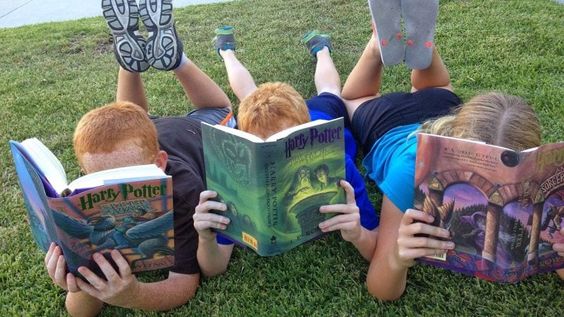
How to Start a Family Book Club (Plus 11 Great Reads to Try)

Introduction:

A family book club is a fun and engaging way to promote reading and bond with your loved ones. Whether you’re an avid reader or just in need of a new activity, starting a family book club can help you discover new stories, learn more about your family members, and create lasting memories. Here’s how to start a family book club and 11 great reads to try.

Step 1: Gather Your Members

First, determine who will participate in your family book club – this can involve immediate family members, extended relatives or even close friends. Explain the idea and gauge their interest to ensure everyone is enthusiastic and committed.

Step 2: Schedule Meetings

Create a regular meeting schedule that works for everyone. You may choose to meet once a month or every other week, depending on the age of the readers and the length of the books. Choose a specific day of the week or weekend that works for all members and stick to it as much as possible.

Step 3: Plan the Format

Decide on whether your meetings will be casual or structured. Will you follow discussion questions or let the conversation flow naturally? Encourage all age groups within your club to participate and share their ideas openly.

Step 4: Select Books

Choose books that appeal to various age groups and interests within your group. You may want to mix fiction with non-fiction, incorporate different genres or rotate through each member’s favorite books.

Great Reads to Try:

1. “A Wrinkle in Time” by Madeleine L’Engle

2. “Wonder” by R.J. Palacio

3. “The Lion, The Witch, And The Wardrobe” by C.S Lewis

4. “Because of Winn-Dixie” by Kate DiCamillo

5. “Number the Stars” by Lois Lowry

6. “Bridge to Terabithia” by Katherine Paterson

7. “The Hobbit” by J.R.R. Tolkien

8. “Holes” by Louis Sachar

9. “Charlotte’s Web” by E.B. White

10. “The Giver” by Lois Lowry

11. “Harry Potter and the Sorcerer’s Stone” by J.K. Rowling

Step 5: Facilitate the Discussions

Appoint a discussion leader for each meeting so that conversations are balanced and constructive. The leader can introduce the book, direct discussion, and ensure everyone gets a chance to share their thoughts.

Step 6: Encourage Creativity

Integrate creative activities into your meetings, such as acting out scenes from the book, creating artwork inspired by the story, or even hosting themed events based on the chosen book.

Conclusion:

Starting a family book club is a rewarding experience that can help foster a passion for reading and build stronger connections within your family. By selecting diverse books, creating an inclusive environment, and adding some creativity to your discussions, you’ll create memories that last a lifetime. Happy reading!

Batter Up! 20 Grand Slam Baseball Activities and Crafts for Kids

Introduction:

Don’t let your love for baseball be limited to the field; bring it home with these 20 grand slam baseball activities and crafts for kids. These creative ideas will not only keep your little ones entertained, but also help them develop their motor skills and creativity. So gather your supplies, pick a few of your favorites from this list, and get ready to hit it out of the park!

1. DIY Baseball Pennants

Create mini baseball pennants using felt and markers to show support for your favorite team.

2. Paper Plate Baseball

Decorate paper plates as baseballs using red markers or paint. Play catch or hang them up as decorations.

3. Handprint Baseballs

Trace your child’s hand on a white paper, cut it out and draw red stitching details to create a personalized baseball keepsake.

4. Popsicle Stick Ballpark

Build a tiny ballpark model using Popsicle sticks, glue, and paint.

5. Baseball Cap Decorating

Provide plain baseball caps, fabric markers, and patches for kids to customize.

6. Baseball Bat Wind Chimes

Craft wind chimes by hanging painted miniature bats with beads on a string inside a hoop.

7. Toilet Paper Roll Players

Transform toilet paper rolls into cute little baseball players with markers or paint and construction paper uniforms.

8. Home Run Derby Game

Set up a mini field in your backyard with bases made from cardboard, and let kids practice their hitting skills in a home run derby contest.

9. Baseball Glove Cookies

Bake cookies in the shape of gloves using a cookie cutter or create glove designs with frosting on regular round cookies.

10. Baseball Keychain Craft

Make fun keychains by attaching mini baseballs to key rings with nylon cord.

11. Clay Ball Players

Sculpt tiny clay figurines of baseball players in various field positions.

12. Sunflower Seed Art

Draw baseball-themed pictures using glue and sunflower seeds as your main material.

13. Baseball Card Swap Party

Invite friends over for a baseball card trading party to encourage kids to build their collections.

14. Baseball Sudoku

Create baseball-themed sudoku puzzles for your young fan to solve.

15. DIY Slider Bracelets

String colorful beads onto a cord, and use baseball charms as centerpieces for custom slider bracelets.

16. Fingerprint Baseballs

Print white cardstock with fingerprints and paint or markers, then transform the prints into mini baseballs by drawing stitches with red markers.

17. Home Plate Hopscotch

Design a hopscotch game using home plates as the stepping stones.

18. Baseball Tic Tac Toe

Use cracker boxes to create a tic tac toe board and play the game with mini bats and balls as markers.

19. Baseball Coloring Pages

Print out pictures of various baseball scenes, players, or logos for kids to color in their favorite team’s hues.

20. Puppet Show Play-by-Play

Invent a puppet show with characters acting out exciting moments from famous baseball games and have your kids provide the play-by-play commentary.

Conclusion:

With these 20 grand slam baseball activities and crafts in your arsenal, you’ll never run out of fun ideas to keep your kids entertained while also celebrating the sport they love. Dive right into these activities and enjoy the creative process as you bond with your children over their favorite pastime. Play ball!

The Best Kindergarten Field Trips (Both Virtual and In-Person!)

Introduction

Field trips form an essential part of the kindergarten experience as they offer engaging, educational, and fun experiences for young children. They provide opportunities for hands-on learning, which can strengthen both social skills and cognitive development. With recent advancements in technology, virtual field trips have also become popular alongside traditional in-person field trips. In this article, we explore the best kindergarten field trips, both virtual and in-person.

In-Person Field Trips

1. Local Zoo: A visit to the local zoo not only allows children to see animals up close but also teaches them about habitats and animal behavior. This interactive experience can spark curiosity and encourage lifelong learning about animals.

2. Children’s Museum: These museums are designed specifically for young audiences, providing a hands-on learning experience while incorporating age-appropriate exhibits and activities that engage their curiosity and imagination.

3. Nature Center: Visiting a nature center or wildlife sanctuary can give children the chance to be immersed in natural environments and learn about plant life, insects, and birdwatching. It’s an excellent opportunity for young kids to develop an appreciation of nature and environmental conservation.

4. Pumpkin Patches and Apple Orchards: Such visits encourage active play through hayrides, pumpkin picking, or apple harvesting activities while teaching students about agriculture and farming practices.

5. Fire Station: A tour of a local fire station is an exciting way for kindergartners to learn about fire safety and prevention, as well as community helpers who keep us safe every day.

Virtual Field Trips

1. San Diego Zoo Kids: This free virtual tour showcases numerous exhibits from the famous San Diego Zoo. Children can learn about animal species while watching live camera feeds of their favorite animals.

2. Discovery Education Virtual Field Trips: Education experts have curated immersive experiences covering various topics like outer space, biodiversity, STEM concepts, literature, and more. These tours have interactive elements that make learning fun and engaging.

3. FarmFood 360: Introduce children to the world of farming by experiencing a virtual tour of Canadian farms. These 360° virtual experiences allow kindergartners to learn about farm life, food origins, and sustainable practices.

4. Google Arts & Culture Virtual Tours: This extensive collection features virtual tours of fascinating museums, cultural sites, and landmarks from around the world. The platform brings together artworks, artifacts, and historic sites—captivating young minds.

5. Yellowstone National Park Virtual Tour: Children can explore the natural wonders of this famous park with interactive guided tours showcasing geysers, hot springs, and exciting geological features.

Conclusion

Field trips are an invaluable educational tool for kindergarteners, helping them develop essential skills while exploring the world around them. Both traditional in-person field trips and virtual experiences offer unique ways for young children to expand their knowledge and make connections through engaging learning experiences. Consider incorporating a mix of these field trip options into your kindergarten curriculum for a well-rounded and enriching education.

23 of Our Favorite Graduation Gifts for Students

Graduation is a momentous occasion, marking the completion of a significant chapter in life. As the graduates get ready to step out into the world, it’s a great idea to honor their achievements with thoughtful gifts. Here are 23 of our favorite graduation gifts to celebrate students and their accomplishments.

1. Personalized Graduation Cap: A customized graduation cap makes the perfect keepsake, allowing students to showcase their unique style during the ceremony.

2. Laptop or Tablet: Upgrading the graduate’s technology will give them an edge in college or the workforce.

3. Inspirational Book: Choose a book that motivates and inspires; this gift can guide students in their next phase of life.

4. Professional Resume Writing Service: Help grads make a strong impression by hiring a professional resume writer to polish their application materials.

5. Travel Experiences: Gift your graduate some plane tickets or a guided tour, allowing them to explore different places and cultures.

6. Customized Jewelry: A piece of jewelry engraved with their initials or graduation year can be cherished for years to come.

7. Subscriptions for Online Learning Platforms: Subscriptions like Masterclass or Coursera can help them continue their education and acquire new skills beyond graduation.

8. Business Card Holder: This practical and elegant gift will remind graduates of your support as they network and build connections in their field.

9. Fitness Membership: Encourage self-care with memberships to gyms, yoga studios, or even virtual workout platforms.

10. Professional Wardrobe Staples: Classic clothing items like blazers and dress shoes are essential for future job interviews and career events.

11. High-Quality Planner: Equip them with a stylish planner to help manage their time effectively after graduation.

12. Customized Graduation T-shirt or Hoodie: Give them something comfortable to wear on lazy days or when they need an extra dose of school pride.

13. Conferences and Networking Event Tickets: Introducing them to industry events can enhance their career growth and broaden their network.

14. Camera or Photography Classes: Investing in a quality camera or photography lessons can help your graduate document memories and foster a potential hobby.

15. Personalized Stationery: Custom stationery is a refined touch that can make grads stand out in personal and professional communications.

16. Coffee Maker: A quality coffee maker will keep young professionals alert and on top of their work schedule.

17. E-reader or Book Subscription: A Kindle, Nook, or book subscription like Audible will allow graduates to stay engaged with literature even when they’re short on time.

18. Subscription Box Service: Monthly boxes tailored to their interests or needs, such as Blue Apron for cooking enthusiasts or Birchbox for beauty buffs, make a thoughtful recurring gift.

19. Cooking Classes: Equip them with essential culinary skills, enabling them to survive and thrive in their new adult lives.

20. Graduation Scrapbook or Photo Album: Provide them with a way to creatively preserve their fondest college memories.

21. Personalized Luggage: The right set of personalized luggage ensures they’ll never lose their belongings while traveling for work or pleasure.

22. Bluetooth Speaker: Quality speakers allow for portable, high-quality audio enjoyment during gatherings or downtime between work hours.

23. Charitable Donation in Their Name : Make a positive impact on the world by choosing a meaningful charity tied to the graduate’s interests and donating in their name as a gift.

In conclusion, finding the perfect gift can go a long way in recognizing the hard work and dedication of the graduates in your life. By selecting thoughtful gifts like those listed above, you’ll be sure to show your appreciation for these incredible milestones.

15 Hands-on Grammar Games That Make Learning Fun

Introduction:

Grammar can often seem like a daunting subject, particularly for students who are just starting to learn the nuances of language. Many traditional teaching methods may not resonate with all students, leaving them disengaged and uninterested. However, incorporating hands-on grammar games into your lesson plans is an effective way to make learning grammar fun and enjoyable. Here are 15 engaging grammar games that will help students grasp language concepts in an interactive and entertaining manner.

1. Grammar Bingo:

Create bingo cards with various grammar concepts (nouns, verbs, adjectives, etc.) written in each square. As you call out examples that fit the criteria, students will mark their squares until someone gets a bingo.

2. Noun/Verb Charades:

Have students act out different nouns or verbs while the rest of the class tries to guess what word they are portraying.

3. Mad Libs:

This classic game can be adapted for grammar learning by having students identify and fill in the blanks with the appropriate parts of speech.

4. Sentence Scramble:

Cut up sentences into individual words and have students race to put them back together in a grammatically correct order.

5. Punctuation Paintball:

On a whiteboard or large sheet of paper, write sentences without punctuation marks. Arm your students with markers (or paintballs if you’re outdoors) and let them add the correct punctuation marks.

6. Preposition Obstacle Course:

Set up an obstacle course and have students navigate through it while using prepositions to describe their actions (e.g., “I’m going under the table” or “I’m going between the cones”).

7. Contraction Concentration:

Create a memory game where students need to match contractions with their full forms (e.g., “it’s” matched with “it is”).

8. Adjective Art:

Have students draw pictures of various adjectives, such as colors or emotions, and share their creations with classmates who must identify the adjective depicted.

9. Synonym and Antonym Match:

Create matching cards of synonyms and antonyms and have students race to connect them correctly.

10. Prefix/Suffix Detective:

Give your students a list of words and let them identify the prefixes and suffixes used, as well as determine their meanings.

11. Possessive Puzzle:

Write possessive noun phrases on puzzle pieces and have students match the correct possessive form with the appropriate noun (e.g., “the dog’s bone” matched with “dog”).

12. Collective Noun Gallery Walk:

Display sentences that contain collective nouns around the classroom. Students walk around, reading the sentences and identifying the collective nouns as they go.

13. The Adverb Acting Challenge:

Have students act out adverbs while their classmates try to guess the specific adverb portrayed.

14. Grammar Jenga:

Label individual Jenga blocks with parts of speech or grammar rules, and have students practice those concepts as they play the traditional game.

15. Verb Tense Timeline:

Using a long strip of paper, create a timeline with past, present, and future markers. Students place provided verbs in their correct tense positions on the timeline.

Conclusion:

Harnessing play, creativity, and competition in these hands-on grammar games can create an enjoyable learning environment for students. Not only will they be more engaged in learning grammar principles, but they will also develop a better understanding of language concepts while having fun.

20 Must Surprising, Best Things About Teaching (As Told by Teachers)

Teaching is not just a job; it’s a calling. Teachers embark on this journey to touch lives, shape minds, and mold the future of society. It’s not always an easy road, but the rewards are plenty and profound. Here are twenty surprising and inspiring things about teaching that teachers themselves have shared:

1. The “aha!” moment: Observing that moment when a student finally understands a new concept is priceless, as it signifies growth and development.

2, Building strong relationships: Over time, teachers forge bonds with students and parents, creating meaningful connections that enrich career experiences.

3. Responsibility: As society’s torchbearers, teachers proudly embrace their role in molding responsible citizens of the future.

4. Diversity: No two classrooms are the same; teachers continually learn to apply different techniques and adjust their approaches to cater to diverse student needs.

5. Creative freedom: With countless opportunities to experiment and develop unique lesson plans, teaching fuels creativity.

6. Good days outnumber bad ones: Despite inevitable challenges, overall, joyous moments spent with students eclipse difficult days.

7. Laughter: The classroom can be a place filled with endless laughter as students discover humor in learning.

8. Growth mindset: As teachers encourage students to adopt a growth mindset, they too embrace personal growth through self-reflection.

9. Everyday heroism: From helping to tackle bullying or supporting students through personal issues – teachers play an essential role in meeting students’ multifaceted needs.

10. Encouragement from colleagues: Like-minded professionals provide guidance, support, and friendship essential for teacher morale.

11. Keeping the passion alive: Staying motivated despite changes in technology or curriculum keeps teachers on their toes and rejuvenates their passion for teaching.

12. Staying current: Continual learning ensures that educators keep up with new ideas and trends shaping education.

13. Enduring impact: Knowing that lessons imparted are valued over the long term and shape future generations is satisfying.

14. Imparting life skills: Teachers not only guide students through the academic journey but also offer valuable life skill training.

15. Unexpected appreciation: Acts of gratitude from students, parents, and colleagues highlight teaching’s positive effects.

16. Constant inspiration: Learning from students, witnessing their unique talents, and sharing in their successes fuels inspiration daily.

17. Time vacation perks: While not every teacher’s experience may be the same, teaching offers various breaks throughout the year to recharge and explore other interests.

18. Getting creative with limited resources: Budget constraints challenge teachers to find resourceful ways to teach effectively. The result? More engaging and rewarding lessons.

19. Sharing joys and sorrows: Serving as a confidante, shoulder to cry on, or listening ear allows teachers an undeniable connection with their students.

20. A sense of purpose: At the core of it all, educators appreciate that they’ve chosen a career that makes a difference in countless lives – making all of the challenges completely worth it.

These twenty insights only scratch the surface of teaching’s rewards—but they offer a glimpse into why many educators couldn’t imagine doing anything else with their lives!

Help! Where Have These Kids’ Social Skills Gone?

In today’s technology-driven age, it might appear as though children are losing their social skills due to their increasing reliance on electronic devices. While there are undoubtedly benefits to incorporating technology into youngsters’ lives, parents and society in general should keep a close eye on how this screens-focused lifestyle is affecting young people’s ability to interact with others.

This article will delve deeper into potential reasons for the decline in kids’ social skills and propose possible solutions to ensure they develop the necessary abilities to succeed in an increasingly inter-connected world.

Factors Contributing to the Decline in Social Skills

1. Overwhelming screen time: With smartphones, tablets, and televisions at their fingertips, children today are spending more time on devices than ever before. This can lead to a decrease in direct interpersonal interactions and hinder the development of essential communication skills.

2. The rise of social media: Although social media can connect individuals and provide entertainment, it may also encourage superficial relationships that detract from substantial face-to-face connections with friends and family members.

3. Busy parents: Parents today seem always to be on-the-go with demanding work schedules. Consequently, they might not be spending as much quality time engaging with their children, leading to a lack of opportunity for kids to develop their social skills.

4. Safety concerns: Parents today are more protective than previous generations due to safety concerns, which could lead them to limit their kids’ opportunities for unstructured outdoor play or activities where they can interact with peers.

Restoring Balance for a Healthier Social Development

1. Encourage face-to-face interactions: Provide opportunities for your child to engage in activities that foster direct interaction with other children, such as playdates, extracurricular clubs or sport teams.

2. Set technology boundaries: Establish rules around screen time that promote balance among different activities. Encourage children and teens to engage in more face-to-face interactions with their peers, either through group settings or one-on-one meetings.

3. Be a role model: As parents, act as a role model by participating in active listening and displaying empathy and understanding when communicating with your child. Engage in everyday conversations with your children to help them practice their communication skills.

4. Encourage teamwork and cooperation: Provide opportunities for your child to participate in group activities or projects where they have to work with others to accomplish a common goal. This will strengthen skills like problem-solving, negotiation, and compromise.

It is essential to recognize the potential decline in young people’s social skills due to the overuse of technology and the lack of opportunities for face-to-face interactions. By taking proactive steps as parents and caregivers, we can help ensure that children develop the necessary social skills to thrive in an increasingly interconnected world.

I’m a Teacher With ADHD and Here’s How I Make It Work

Introduction:

As teachers, we are often expected to juggle various responsibilities and manage diverse tasks throughout the day. For those of us with Attention Deficit Hyperactivity Disorder (ADHD), these challenges can be overwhelming at times. However, having ADHD doesn’t mean you can’t excel in your profession or create a positive learning environment for your students. In this article, I’ll share some tips and strategies that have helped me overcome the obstacles of ADHD and become an effective educator.

1. Establishing routines

Creating a structured daily routine is essential for making the most of your time and staying focused. Start by organizing your day into smaller, manageable segments – for example, separate time for lesson preparation, student interaction, and administrative tasks. This will provide clear expectations for yourself and help reduce distractions throughout the day.

2. Prioritizing tasks

With limited time and energy, it’s important to identify essential tasks that require immediate attention. Use a planner or digital tool to prioritize tasks and set deadlines. Break complex tasks into smaller steps to make them more manageable.

3. Streamline classroom management

Having ADHD can make it difficult to maintain boundaries and discipline students effectively, but setting clear expectations can ease this burden significantly. Create a visual checklist or poster displaying classroom rules to reference as needed.

4. Seek support

Don’t hesitate to reach out to colleagues or administrators for assistance when needed. Maintain open communication with coworkers about your struggles and ask for help in setting up strategies for success.

5. Use technology strategically

Incorporate technology in the classroom wherever possible as both a tool for engagement and an ally in maintaining organization. Digital copies of lesson materials and assignments can help reduce clutter, while lesson planning software can streamline many aspects of organizing your class.

6. Take breaks throughout the day

Given the hyperactive nature of ADHD, it’s crucial to incorporate short, regular breaks in your schedule. Use these breaks to stretch, take a walk, or engage in a brief relaxation activity to re-focus your energy.

7. Adapt strategies for personal needs

What works best for you might not be the same as another teacher with ADHD. Experiment with strategies and modify them to suit your unique traits and learning style.

8. Take care of yourself

Your mental and physical health plays a significant role in your ability to manage ADHD effectively. Ensure you’re getting enough sleep, eating well, staying active, and seeking professional help when needed.

Conclusion:

Teaching with ADHD can be a challenging journey, but by implementing these strategies and embracing your unique strengths, you can overcome obstacles and make a positive impact on your students’ lives. Remember that you’re not alone – there’s a community of educators out there who can relate to your struggles and offer support.

How Do I Teach Online and In Person at the Same Time? Your Questions, Answered

In today’s rapidly evolving educational landscape, many teachers are faced with the challenge of accommodating both online and in-person learners simultaneously. This situation is referred to as hybrid or blended learning. While it might seem daunting initially, there are strategies and tips that can help you successfully master this mode of teaching.

1. Plan your lessons thoughtfully

For a seamless hybrid lesson, plan the content in such a way that it caters to both sets of learners. Consider preparing digital resources that can be utilized in person and shared easily with remote students. Embed interactive activities throughout the lesson so that all students can participate equally.

2. Organize your classroom effectively

Effective communication is crucial for an inclusive learning environment. Arrange your physical classroom to ensure that both the teacher and remote learners are visible to each other. Use video conferencing tools that allow screen sharing and annotation features to engage online students.

3. Set expectations clearly

Make sure that both online and in-person students understand the class expectations with regards to behavior, participation, deadlines, and communication channels. Provide clear instructions at the beginning of each lesson and reinforce them regularly.

4. Encourage collaboration and interaction

In any learning environment, collaboration is key to student engagement. Pair up in-person students with online counterparts for group projects or designated discussion times. Use collaborative digital tools like Google Docs or Padlet as platforms for brainstorming and co-creation.

5. Provide opportunities for student feedback

Offer online surveys, polls, or Q&A sessions to give every student a chance to voice their questions or concerns about the course materials or format. Address feedback regularly by adjusting teaching methods accordingly.

6. Utilize technology effectively

Leverage available technology to enhance student interaction with course content and keep them engaged during lessons. Use presentation software that supports multimedia content like videos, images, and interactive websites. Incorporate real-time poll questions and quizzes to ensure knowledge retention.

7. Assess both groups fairly

In a blended learning environment, it’s crucial to develop assessment methods that accommodate both in-person and online learners. While some traditional practices may still be relevant, consider implementing digital assessment tools or open-book examinations that incorporate problem-solving and critical thinking elements.

8. Adapt to challenges with patience and creativity

The path to seamless hybrid teaching is one of constant learning and adaptation. Both educators and students will face challenges as they navigate this new landscape. Approach these hurdles with patience, creativity, and a willingness to alter your methods.

Overall, the key to a successful hybrid learning environment is flexibility, careful planning, and open communication between instructors and students. By embracing these tips, educators can foster an inclusive space where all learners feel engaged and supported, regardless of their physical location.

Instead of “Why Did You Do That?” Ask This When Students Act Out

Introduction:

Teachers face many challenges in the classroom, and managing student behavior is a crucial aspect of maintaining a positive learning environment. Often, we find ourselves asking, “Why did you do that?” when students act out. This question stems from frustration and confusion over their actions. However, this is not always the most productive approach. Instead, let’s explore an alternative question that can foster understanding and improve communication with our students.

A New Approach:

When students misbehave or act out, it’s instinctive to assume they are making a conscious choice to cause disruption. Instead of focusing on what the student did wrong by asking “Why did you do that?”, change the question to open up more effective communication: “What happened?”

As simple as it seems, this question promotes empathy and understanding between the teacher and their student. By asking “What happened?” we show that we are genuinely curious about what led to their behavior and want to work together to resolve it.

Benefits of Reframing the Question:

1. Encourages Communication: By showing genuine curiosity in the situation leading up to their actions, students are more likely to open up and talk about what caused their behavior. This increased communication allows for problem-solving together and may identify underlying issues in the classroom or at home.

2. Promotes Empathy: Asking what happened demonstrates that the teacher is trying to understand from their perspective rather than perpetuating assumptions about why they acted out. This level of empathetic engagement can make students feel safe and respected in expressing their feelings.

3. Identifying Triggers: By discussing what occurred before their actions, teachers can identify potential triggers for misbehavior – such as bullying, learning difficulties, or outside stressors – that may have been overlooked.

4. Prevents Defensive Reactions: When we ask “Why did you do that?”, it places students on the defensive, increasing their stress level. The question “What happened?” creates a more neutral and collaborative atmosphere, fostering a positive dialogue and a willingness to engage in problem-solving.

Implementing the Shift:

Incorporating the question “What happened?” into your teaching practice isn’t difficult. The next time you encounter a student’s behavioral issue, try using this alternative approach:

1. Pause and remain calm: Take a moment to center yourself before addressing the situation.

2. Ask the question: Approach your student with curiosity by simply asking, “What happened?”

3. Actively listen: Give your student space to share their perspective or feelings without judgment.

4. Reflect and respond: Consider their response and, if possible, work together to find a solution.

Conclusion:

Shifting our perspective from asking “Why did you do that?” toward “What happened?” can have a profound impact on how we manage student behavior. Asking the right questions can make all the difference in fostering productive communication, empathy, and understanding in our classrooms. By doing so, we create an inclusive and supportive learning environment that helps our students grow, both academically and emotionally.

20 Classroom Technology Anchor Charts Every Teacher Needs

Introduction:

In today’s modern educational environment, technology plays a crucial role in enhancing the learning experience for students. As a teacher, it’s important to have a solid understanding of different classroom technology tools and strategies. One of the most effective ways to do this is by creating and using anchor charts. Here are 20 essential classroom technology anchor charts that every teacher needs in their arsenal:

1. Digital Citizenship: This anchor chart outlines the key principles of digital citizenship, such as online etiquette, safety, and privacy.

2 Google Classroom Basics: An anchor chart featuring step-by-step instructions for using Google Classroom, including signing in, creating assignments, and providing feedback.

3. Keyboard Shortcuts: A visual reference for students highlighting the essential keyboard shortcuts that can save time while using various software applications.

4. Coding Concepts: An anchor chart introducing basic coding concepts and terminology to help students understand the foundations of computer programming.

5. Internet Safety Rules: A chart discussing crucial internet safety rules to ensure students navigate the online world responsibly and securely.

6. Research Skills: An anchor chart detailing effective steps to conduct online research, including reliable sources, search strategies, and citation guidelines.

7. Troubleshooting Techniques: This chart helps both teachers and students identify common tech-related issues and learn how to troubleshoot them independently.

8. The SAMR Model: An overview of the Substitution, Augmentation, Modification, and Redefinition (SAMR) model for integrating technology into teaching effectively.

9. Office Applications: A guide for using popular office applications such as Word, PowerPoint, Excel, and Google Drive in an educational context.

10. Digital Storytelling Tools: Introduce students to creative digital storytelling resources such as video editing software, podcast tools, and interactive presentation platforms.

11. EdTech Vocabulary Glossary: Help students familiarize themselves with essential edtech terms and acronyms by creating an anchor chart filled with definitions and examples.

12. Cyberbullying Prevention: Raise awareness about the consequences and prevention of cyberbullying with a chart that offers tips for fostering a positive online environment.

13. Online Collaboration Tools: A guide to using platforms like Microsoft Teams, Zoom, and Google Meet to facilitate learning and collaboration among students.

14. Technology Usage Guidelines: Create a chart outlining the expectations for responsible technology use in the classroom, including device care and appropriate online behavior.

15. Social Media Literacy: A chart breaking down the fundamentals of using social media responsibly and safely for both personal and educational purposes.

16. Assistive Technologies: Introduce students to various assistive technologies available to support diverse learning needs, such as text-to-speech tools and closed captioning services.

17. Blogging in Education: A guide illustrating how teachers can use blogging as a creative means for communication, reflection, and student-centered learning in the classroom.

18. Video Conferencing Etiquette: Charts outlining best practices for participating in virtual meetings to maintain professionalism and enhance collaboration.

19. Flipped Classroom Model: Highlight essential components of flipped learning, including pre-class content, in-class activities, technology integration, and student collaboration.

20. Teaching with Tablets: An anchor chart demonstrating the most effective ways teachers can incorporate tablets into their lesson plans to engage students actively.

Conclusion:

With these 20 technology anchor charts at your disposal, you’ll be better equipped to introduce valuable resources into your lessons and develop tech-savvy students prepared for success in the digital age.

Latest Posts