
Pedagogue Blog

Schools Can’t Be The Only Safety Net

Introduction:

Schools have long been seen as a safety net for children, offering an environment of learning, growth, and support. However, as our society evolves and emerges from the shadows of the COVID-19 pandemic, it has become increasingly clear that schools cannot be the sole safety net for students. This article aims to explore this issue and discuss how a comprehensive approach is needed to address students’ needs holistically.

The Limitations of Schools:

While schools play an enormous role in providing education and socialization for students, they are often unable to fully address the complex needs students face. Issues such as mental health struggles, family instability, and economic hardship extend far beyond classroom walls, complicating the task for educators who are not trained to provide specialized support.

Mental Health Challenges:

The rise in mental health issues among students can no longer be neglected. According to the National Institute of Mental Health, approximately 1 in 5 American children suffer from a diagnosable mental health disorder. Schools are simply not equipped with adequate resources to address these issues on their own – be it trained personnel or support programs.

Parents and Families:

Family dynamics impact student performance greatly but are often overlooked. Parents may be busy with work or struggling with their own issues; they might not have time or knowledge to provide their children with the necessary emotional support. While schools can provide academic support and counseling in some situations, they cannot replace parental involvement in a child’s life.

Economic Hardship:

Many schools are facing budget constraints which limit their ability in providing essential resources or programs required to meet students’ diverse needs. Economic hardship also affects students directly; those from low-income families may face hunger, malnutrition, or stress, making it challenging for them to concentrate and participate effectively in their education.

Expanding The Safety Net:

To meet the varying needs of all students and ensure their overall well-being, a comprehensive approach is necessary. The following strategies can help in expanding the safety net for children:

1. Community Collaboration: Collaborating with community organizations like mental health providers, after-school programs, public libraries, and food banks can help cater to the diverse needs of students.

2. Enhancing Parental Involvement: Schools should adopt measures that encourage parental involvement by offering resources and support to parents in need, as they play a critical role in their child’s overall development.

3. Government Support: Government policies and funding play a crucial role in creating an inclusive education system. By investing in essential resources and facilities, governments can help reduce the burden on schools and provide more effective support.

Conclusion:

The idea that schools alone can be the only safety net for students is becoming increasingly outdated. It is necessary to recognize the complex challenges faced by students today and collectively work toward fostering collaboration among various stakeholders, including schools, community organizations, families, and governments. After all, ensuring our children’s well-being and success requires a collective effort that acknowledges the fact that schools can’t be their sole line of defense.


7 Things Your Students With Autism Wish You Knew About Them

1. They do not lack emotions: Many people believe that individuals with autism are unable to experience or express emotions like others. This is a common misconception, and students with autism do have feelings – they simply convey them differently. Greater awareness and understanding can help you better support your autistic students while they navigate their emotional landscape.

2. Sensory sensitivities should be acknowledged: Autistic students may experience heightened sensory sensitivities that can be challenging in a classroom setting. Background noises, strong odors, or harsh lighting can be overwhelming and lead to anxiety or distress. Accommodations, such as noise-canceling headphones or adjustments to the physical environment, can make a significant difference for these students.

3. Routine and structure are essential: Providing clear routines, rules, and expectations can be beneficial for all students but is especially crucial for students with autism. Predictability and structure help them feel secure and focused, enabling them to engage more effectively in the learning process.

4. Social skills may need extra support: Social interactions are often a challenge for students with autism due to difficulties in interpreting social cues, initiating conversations, or understanding unwritten social norms. Offering explicit instruction, opportunities for practice, and positive reinforcement can go a long way in helping autistic students develop social skills.

5. Special interests should be encouraged: Many individuals with autism have intense special interests that hold great importance to them. These passions can be channeled into educational opportunities by incorporating them into the curriculum or using them as motivational tools during lessons.

6. Communication is key: Some autistic students may struggle with verbal communication, whether they require an alternative means of communication (e.g., visual supports) or additional time to process information and convey their thoughts. As an educator, being patient and open-minded while exploring different communication methods will help empower your student’s personal expression.

7. They deserve your respect: Lastly, students with autism deserve the same level of respect and understanding as any other student. Becoming a supportive ally and promoting an inclusive learning environment can make a significant difference in their experiences at school.

By keeping these points in mind and being open to learning more about autism, educators can forge stronger connections with their students and create truly inclusive classrooms that support all learners’ needs.

Is Anyone Teaching in Schools Actually Happy?

Introduction

Teaching is a noble profession that educates and nurtures the next generation. It takes immense dedication, empathy, and passion to be a truly great educator. However, with the increasing challenges faced by teachers today, one cannot help but wonder – is anyone teaching in schools actually happy? This article aims to explore the happiness levels of educators within the educational system to better understand the reality of teaching.

Work-Life Balance and Burnout

The demanding nature of teaching often means long hours both in and out of the classroom. Lesson planning, grading, and administrative tasks leave little time for personal and family life. The inability to manage a healthy work-life balance can lead to burnout, which adversely affects a teacher’s well-being and happiness.

A Ray of Sunshine: Passionate Educators

Despite these challenges, many teachers remain passionate about their work and derive joy from helping their students grow and succeed. They find happiness in developing strong relationships with their students and seeing them flourish academically and personally. For these educators, witnessing their students’ progress serves as motivation to continue dedicating themselves to their profession.

Professional Satisfaction vs. Financial Reward

Though teaching might not be considered a lucrative career path, satisfaction does not solely depend on monetary rewards. Many educators take pride in making a difference in their students’ lives and the community at large. The joy of knowing you have inspired learners or planted a seed for future success can transcend material gains.

Systemic Challenges: Overcrowded Classrooms & Lack of Support

A significant factor that affects teachers’ happiness is systemic issues within the educational system itself. Overcrowded classrooms make it more difficult for teachers to attend to each student individually, which could curtail both academic achievement and job satisfaction.

Moreover, limited resources and support from school administration may exacerbate feelings of frustration among teachers. Addressing these systemic issues would be crucial to improving teachers’ happiness and cultivating a healthier educational environment.

How Can We Improve Teacher Happiness?

There are several ways in which teacher happiness can be enhanced:

  1. Appreciate and support teachers: Both administrators and parents need to demonstrate their appreciation for the work of educators. Regular acknowledgment of their efforts can contribute to a positive school culture and boost morale.
  2. Encourage professional development: Providing opportunities for continuous learning and growth can foster personal satisfaction in one’s career.
  3. Promote self-care and wellness: Educating teachers on the importance of prioritizing their physical, emotional, and mental well-being can lead to happier educators capable of better serving their students.

Conclusion

In conclusion, while it cannot be generalized that all educators in schools are unhappy, there are various factors that may contribute to varying levels of happiness among teachers. By highlighting these factors and implementing practical steps to address them, it is possible to create a more supportive environment for educators – ultimately leading to happier teachers and more productive classrooms.

The Official Faculty Meeting Bingo Card

Introduction:

Faculty meetings are a staple in the world of academia. They bring together professors, administrators, and other staff members to discuss important school matters, plan for upcoming events, and keep everyone informed about school policies. However, as any faculty member knows, these meetings can sometimes feel a bit tedious and repetitive. Enter the Official Faculty Meeting Bingo Card—a playful way to add some much-needed excitement and entertainment to long, drawn-out meetings.

The Idea Behind the Bingo Card:

The concept of the Official Faculty Meeting Bingo Card is simple: it takes elements of traditional bingo and combines them with elements commonly found in faculty meetings. Instead of numbers and letters on each square, you’ll find phrases, scenarios, or actions that are frequently observed during these gatherings. Participants mark off squares as they encounter these typical occurrences throughout the meeting.

Popular Squares on the Card:

1. “Technology Issues” — It’s rare for a faculty meeting to proceed without some kind of technology problem arising. Whether it’s a malfunctioning projector or poor audio quality during a video conference call, this square is almost always guaranteed to be checked off.

2. “Budget Concerns” — Financial constraints often color discussions at faculty meetings. From hiring new staff members to allocating resources for special projects or programs, money matters usually make an appearance on the agenda.

3., “Jargon Overload” — At any given faculty meeting, there’s a high likelihood of being bombarded with an array of educational buzzwords and jargon that might be confusing or unclear. Some popular contenders include “rubric,” “curriculum mapping,” or “backward design.”

4. “Off-Topic Debate” — Sometimes faculty members can get carried away in conversation and deviate from the main topic at hand. It’s not uncommon for debates about seemingly unrelated subjects to crop up during discussions.

5. “Free Space” — This space encourages participants to mark one square at their discretion, just as in traditional bingo cards. Faculty members can choose a moment that resonates with their personal experiences or represents something unique about their institution.

The Benefits of Faculty Meeting Bingo:

While the Official Faculty Meeting Bingo Card is lighthearted and entertaining, it also serves a valuable purpose. It encourages faculty members to actively listen and engage with their peers during meetings. By nurturing a sense of camaraderie and friendly competition amongst colleagues, the game can help alleviate some of the boredom and frustration associated with lengthy meetings.

Conclusion:

The Official Faculty Meeting Bingo Card adds a touch of fun to the often-monotonous process of sitting through a long meeting. By integrating this playful activity into faculty gatherings, attendees can boost morale, promote active listening, and perhaps even learn something new in the process. Just remember to play responsibly, be respectful to your colleagues, and most importantly—enjoy the game!

6 Fun Ideas with LEGO® MINDSTORMS® Education EV3

Introduction

LEGO® MINDSTORMS® Education EV3 is a versatile robotics platform that combines the excitement of building LEGO structures with the power of programming and problem-solving. Designed for students as young as 10, this educational tool allows learners to engage in real-world challenges, helping them develop the skills needed for the future. In this article, we will explore six fun ideas you and your students can try out with the LEGO MINDSTORMS Education EV3 set.

1. Create a Maze-Solving Robot

One of the most popular ways to use the LEGO MINDSTORMS Education EV3 is to build a robot that can navigate through a maze. Students can create their maze using LEGO bricks or other materials and then program the robot to find its way through using sensors such as the color sensor or ultrasonic sensor. This activity encourages students to think strategically about designing efficient algorithms and helps them learn about concepts like loops, conditional statements, and more.

2. Emulate Real-World Problem Solving with Rubik’s Cube Solver

A great way to demonstrate the power of robotics and coding is by building a LEGO MINDSTORMS robot that can solve a Rubik’s Cube on its own! With online instructions and sample code available, students can build and adapt their robot to detect different Rubik’s cube configurations using a color sensor, identify individual cubie positions, and apply an efficient solving algorithm.

3. Build and Program Your Own Robotic Arm

Introduce engineering and automation concepts by challenging your students to design, build, and program a robotic arm using the LEGO MINDSTORMS Education EV3 set. They can explore various types of movement (up-down, left-right, rotation) while refining their coding skills with sequential steps, condition loops, motor control commands, etc. As a bonus, they can work on attaching different types of tools to the arm end, such as a gripper or a magnet.

4. Create a Music-Making Bot

Unleash your students’ creativity by challenging them to build a music-making robot that can play a particular tune or sequence of notes. The robot could use different mechanisms like plucking strings, striking an object, or using the built-in sound player on the EV3 brick. This innovative activity combines elements of art with robotics and coding, broadening the students’ range of interests and inspirations.

5. Design a BattleBot Competition

A fun way to engage students in collaborative learning is by setting up a BattleBot competition. Students can work in teams to design and program their robots to battle each other in an arena. Each team will have to consider factors like speed, strength, and strategy when designing their robot. Not only will this activity foster teamwork and critical thinking skills, but it’s also a great way for kids to see practical applications of physics and engineering concepts.

6. Explore Space with Mars Rover Simulation

Inspire your students with the wonders of space exploration by having them design and program their very own Mars rover using LEGO MINDSTORMS Education EV3. They can simulate various Mars missions—such as navigating through Martian terrain, drilling for samples, or studying the planet’s geography—while learning about space technology, programming concepts, and engineering solutions.

Conclusion

LEGO MINDSTORMS Education EV3 provides countless opportunities for engaging activities that foster creativity and promote STEM learning for students of all ages. The six fun ideas mentioned in this article are just the beginning; with imagination and resources at hand, there is no limit to what you can achieve with LEGO MINDSTORMS Education EV3!

7 Books About the Brain Every Teacher Should Read

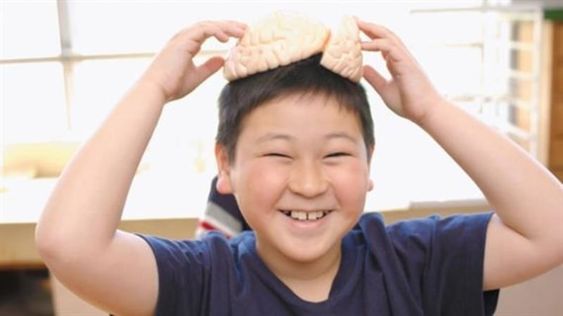
As educators, understanding the workings of the human brain is essential to help students learn effectively. To broaden their knowledge, teachers should delve into books that not only cover the latest in neuroscience research but also provide practical tips on how to apply these discoveries in classroom settings. Here are seven must-read books about the brain for every teacher:

1. “The Whole Brain Child” by Daniel J. Siegel and Tina Payne Bryson

This book provides educators with 12 key strategies to help their students develop emotional intelligence and foster healthy brain development. It is an indispensable resource for teachers looking to integrate brain-based learning techniques into their classrooms while nurturing well-rounded individuals.

2. “Mind, Brain, and Education: Neuroscience Implications for the Classroom” edited by David A. Sousa

This collection of essays compiles insights from leading neuroscientists, cognitive psychologists, and educators who discuss a wide range of topics related to how the brain learns. With research-based guidance on classroom practices and teaching strategies, this book offers an in-depth understanding of how neuroscientific findings can be implemented in education.

3. “How the Brain Learns” by David A. Sousa

In this best-selling book, Sousa integrates recent research findings with practical strategies for teaching various subjects more effectively. He breaks down complex concepts into simple language while providing easy-to-implement tips that can revolutionize your teaching approach.

4. “Brain Rules” by John Medina

This fascinating book offers 12 principles developed from extensive research in neuroscience and psychology that guide optimal learning conditions. Medina presents these principles in a humorous, engaging manner that will help you understand how improving the mental and physical environment for students positively impacts their ability to absorb information.

5. “Teaching with the Brain in Mind” by Eric Jensen

Through this engaging read, Jensen outlines several ways that teachers can develop brain-compatible classrooms while fostering effective learning. Drawing from scientific studies, he presents evidence-based methods that can help students retain more information, improve focus, and develop problem-solving skills.

6. “Making Thinking Visible” by Ron Ritchhart, Mark Church, and Karin Morrison

This book delves into the fascinating topic of making students’ thinking processes explicit to promote their overall understanding of complex concepts. By providing various thinking routines and classroom examples, the authors demonstrate ways to stimulate critical thinking skills in students while offering tools for assessing their understanding.

7. “Why Don’t Students Like School?” by Daniel T. Willingham

Willingham examines the reasons behind students’ lack of engagement in school settings and offers practical solutions based on cognitive psychology research. This book is an invaluable resource for teachers who wish to create stimulating classroom environments that cultivate curiosity and a hunger for knowledge.

In conclusion, enriching your understanding of the human brain’s intricacies can drastically improve your teaching strategies and ultimately help your students succeed academically and emotionally. These seven books provide essential knowledge about neuroscience and how it relates to education, making them must-reads for every teacher.

Best Gifts for STEM-Loving Kids, As Chosen by Teachers

As parents and guardians, we are always on the lookout for unique and educational gifts for our children. When it comes to fostering a love for science, technology, engineering, and mathematics (STEM), the challenge might seem daunting. However, teachers have pooled their collective knowledge to identify some of the best STEM gifts for kids that provide endless fun while nurturing their passion for learning.

Here are the top picks of STEM gifts for kids as chosen by teachers:

1. Snap Circuits: Snap Circuits is an exciting way to engage young minds in the world of electricity and electronics. Perfect for kids ages 8 and up, this building kit offers hands-on learning through modular components that snap together. Children can create their own circuits or follow guided projects in an instruction manual.

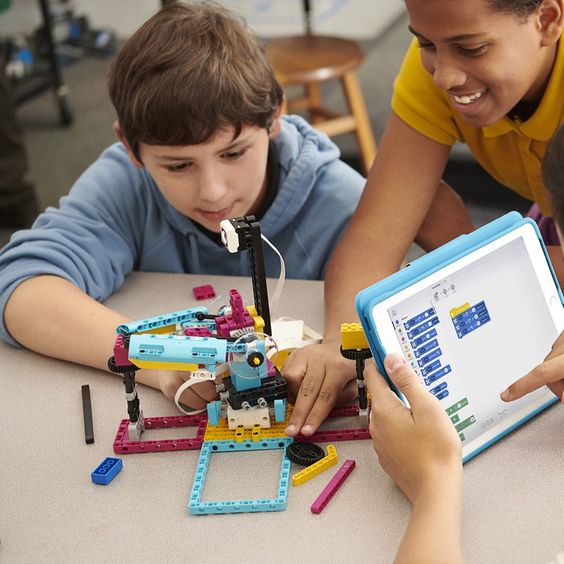
2. LEGO Boost Creative Toolbox: LEGO has always inspired creativity and problem-solving skills in children. The LEGO Boost Creative Toolbox takes it a step further by introducing robotics and programming into the mix. Suitable for ages 7-12, kids can build robots or machinery and then use a tablet app to program their creations.

3. Ozobot Bit Coding Robot: With its tiny size and big potential, Ozobot Bit robot introduces visual coding to kids aged 6 and up. Using color-coded markers or a digital app, children learn fundamental coding skills by creating paths for their robot to follow.

4. Kano Computer Kit: This all-in-one computer kit allows children aged 6 and up to assemble their own computer from scratch. With easy-to-follow instructions and engaging software applications, kids learn about coding, cybersecurity, and digital art as they explore the fascinating world of computing.

5. National Geographic Break Open Geodes Kit: Kids who love Earth science will enjoy this hands-on geode discovering kit suitable for ages 8 and up. While cracking open these natural rock formations, youngsters learn about crystal formations and the geological value of geodes.

6. Tinkering Labs Electric Motors Catalyst: This building kit merges creativity with engineering concepts, aimed at children aged 8 and up. With 50+ real parts such as electric motors, wooden components, and hardware, kids can design and build their own inventions as they learn about mechanical principles.

7. Sphero SPRK+ Robot: A programmable robot that sparks creativity and curiosity, Sphero SPRK+ is a perfect gift for budding coders aged 8 years and above. Kids can use block or text-based coding to program the robot’s movements, lights, sounds, and animations through a provided app.

To help your children dive into STEM education and future-ready skills, consider giving them a gift that combines learning with enjoyment. These recommendations from teachers offer just that – bringing together hands-on experimentation, problem-solving, and critical thinking while fostering a lifelong passion for STEM subjects.

6 Ways Principals Can Support Teachers Right Now

Education today faces unprecedented challenges, which have increased the pressure on teachers and administrators alike. As a school principal, it’s important to focus on supporting your teachers, as their well-being and motivation directly impact students’ success. Here are six ways principals can support teachers right now:

1. Provide clear communication:

Effective communication is key to empowering teachers and ensuring they feel supported. As a principal, make sure to keep them informed about any updates, changes, or developments within the school and district. Encourage open communication lines between you and your teaching staff through regular meetings and briefing sessions.

2. Offer professional development opportunities:

Professional development is essential for teachers to stay informed about the latest educational trends and improve their teaching skills. Encourage your staff to participate in workshops, conferences, or online courses. Offer financial assistance if possible and be flexible with scheduling so that they can take advantage of these opportunities without feeling overwhelmed.

3. Foster collaboration:

Encourage cooperation among your teachers by providing spaces for them to share ideas and work together on projects or lesson plans. Create opportunities for them to attend departmental or grade-level meetings where they can learn from each other’s experiences and knowledge.

4. Recognize their efforts:

Teachers often work tirelessly behind the scenes, dedicating their time to lesson planning, grading papers, or communicating with parents. It is crucial to acknowledge these efforts through words of appreciation or small tokens of gratitude such as handwritten notes or occasional treats like breakfasts or lunches.

5. Address concerns promptly:

Listen to teachers’ feedback and concerns and address them promptly. This could range from managing difficult student behaviors to providing needed resources like updated technological tools or additional classroom materials. By being responsive to their needs, you demonstrate that you value their input and ensure a positive work environment.

6. Create a supportive environment:

Finally, cultivate a safe environment where teachers feel comfortable seeking guidance or expressing their concerns without the fear of judgment. Encourage a culture of trust and open-mindedness, where everyone feels valued and respected.

By implementing these six strategies, principals can make a significant difference in supporting teachers during these trying times. Remember, when teachers are supported, they are in a better position to serve the needs of their students, fostering an overall more successful educational environment.

25 Science Trivia Facts to Spark Student Curiosity

Introduction:

Science is a fascinating subject, filled with many extraordinary discoveries and mind-boggling phenomena. Students often find science intriguing, but sometimes they may need a little nudge to spark their curiosity. Here’s a list of 25 fascinating science trivia facts that are sure to pique the interest of students and encourage them to explore the world around them.

1. Light takes approximately 8 minutes and 20 seconds to travel from the Sun to Earth.

2. The human body is made up of around 60% water.

3. The Earth’s core consists primarily of iron and nickel.

4. While sleeping, one person can produce enough heat to boil a half-gallon of water.

5. The speed of sound is approximately 767 miles per hour (1,235 kilometers per hour).

6. A bolt of lightning can heat the air around it to temperatures five times hotter than the surface of the sun.

7. Approximately 99% of our solar system’s mass is concentrated in the Sun.

8. Polar bear fur is not white; it’s translucent, reflecting light and making it appear white.

9. Some bird species, such as pigeons, can recognize themselves in a mirror.

10. There are more bacteria cells in your body than human cells.

11. Sharks have been around for over 400 million years – they existed before trees!

12. The average adult human has about 100,000 miles (160,934 kilometers) of blood vessels in their body.

13. A cockroach can live for weeks without its head before eventually succumbing to dehydration.

14. The tongue is the strongest muscle in the human body relative to its size.

15. Cows have four stomach compartments to help break down and digest their plant-based diets.

16. The largest organism on earth is the honey mushroom fungus found in Oregon, USA, spanning nearly 2.4 miles (3.8 kilometers) in diameter.

17. Butterflies taste with their feet.

18. Water can freeze and boil at the same time under specific conditions, known as the ‘triple point.’

19. Every year, the Moon moves approximately 1.5 inches (3.8 centimeters) further away from the Earth.

20. The human brain generates enough electricity while awake to power a small light bulb.

21. The deepest known part of Earth’s oceans is the Challenger Deep in the Mariana Trench, at over 36,000 feet (10,972 meters) deep.

22. Venus is the only planet in our solar system that rotates clockwise.

23. It takes around 226 million years for our solar system to complete one full orbit around the Milky Way galaxy.

24. At any given moment, there are approximately 2,000 thunderstorms happening all around the globe.

25. A grain of sand has more atoms than there are stars in the observable universe.

Conclusion:

These 25 science trivia facts showcase the diverse and awe-inspiring nature of our world and beyond. By sharing these lesser-known tidbits with students, teachers can help spark their curiosity and ignite a passion for scientific exploration and discovery that can last a lifetime.

Create Compliment Cards to Encourage Staff and Students

Introduction

In a world where people often focus on criticism and negative feedback, it’s essential to highlight the importance of compliments and encouragement. Compliment cards can be a simple yet powerful way to foster a positive environment for staff and students alike. Read on to learn how creating compliment cards can uplift spirits, foster a nurturing culture, and boost confidence in your school or workplace.

The Power of Compliments

Compliments can have a profound impact on an individual’s emotional well-being. They reinforce positive behavior, boost morale, facilitate cooperation and teamwork, and contribute to overall mental health. Studies have shown that just one compliment could improve someone’s self-esteem, resulting in higher motivation and performance.

Benefits For Staff

1. Recognition: Compliment cards provide staff members with recognition for their hard work, dedication, and achievements.

2. Job Satisfaction: When staff feel appreciated for their contributions, their job satisfaction increases and burnout decreases.

3. Team Building: A culture of encouragement helps build trust among team members as they begin to support and respect one another.

4. Professional Development: Compliment cards can highlight specific skills or traits that the staff member has contributed, which can be beneficial during performance reviews or promotional considerations.

Benefits For Students

1. Emotional Support: Compliments nurture a sense of self-worth in students, particularly when they face academic challenges.

2. Confidence Boost: Positive reinforcement helps students become more confident in their ability to perform well academically.

3. Motivation: By acknowledging a student’s strengths, others encourage them to work harder and achieve more.

4. Social Skills Development: Learning how to give and receive compliments is an essential skill for engaging in healthy relationships later in life.

How To Create Compliment Cards:

1. Design: Select a visually appealing design for the cards that aligns with your school or workplace culture. Consider incorporating specific colors, themes, or graphics that represent your organization.

2. Card Size: Make sure to choose a durable cardstock that is easy to carry and handle – typically, a 3×5-inch card works well.

3. Categories: Organize compliment cards into different categories for easier tracking and personalization. For example, categories like “Teamwork,” “Leadership,” “Creativity,” “Dedication,” and “Kindness” can accommodate various compliments.

4. Personalization: Leave space on the card for personalized messages. A thoughtful, handwritten comment makes the compliment even more meaningful.

5. Distribution: Develop a system for distribution, such as placing a designated box in a common area or assigning someone to hand out the cards regularly.

Encourage Participation

For compliment cards to be effective, it’s crucial to ensure that everyone in the school or workplace understands their purpose and participates in the process. Conduct workshops or training sessions on giving constructive compliments, and provide guidelines on how to use the cards.

Conclusion

Compliment cards are a terrific tool for fostering encouragement and positivity among staff and students in an educational or professional environment. By incorporating this practice in your organization, you can cultivate healthier relationships, improve morale and job satisfaction, promote success, and create a nurturing atmosphere where everyone feels appreciated.

15 Websites and Activities to Teach Kids About The Revolutionary War

Introduction:

The Revolutionary War is an important part of American history that played a crucial role in shaping the nation we have today. Teaching children about this significant event can spark their interest in history and help them better understand the foundations of their country. These 15 websites and activities will engage kids’ interests and make learning about the Revolutionary War both educational and entertaining.

1. Liberty’s Kids (YouTube) – This animated series focuses on events during the American Revolution and delivers history lessons through engaging storytelling.

2. National Park Service (Revolutionary War Parks): Take a virtual tour of various national parks dedicated to preserving the memory of Revolutionary War events and participants.

3. Interactive Revolutionary War Map: An interactive map that helps kids explore battles, forts, and other significant locations from the war.

4. Boston Tea Party Ships & Museum: Participate in a virtual tour of the Boston Tea Party Ships & Museum, where kids can learn about this historic event.

5. George Washington’s Mount Vernon: Children can explore George Washington’s home both virtually or through field trips, learning about his role in the Revolutionary War.

6. Time For Kids: Revolution! – A comprehensive collection of resources covering all aspects of the American Revolution, including articles, videos, photos, and timelines.

7. American Revolution Timeline Activity: Help kids create their timeline to visualize key events leading up to and during the war.

8. Making Wartime Recipes: Encourage children to cook recipes from the era to learn more about daily life during wartime.

9. Colonial Williamsburg Kids Zone – Engage kids in numerous games related to 18th century colonial America.

10. Revolutionary Soldier’s Costume: Provide instructions for kids to create their soldier costume or uniform from the era for dress-up play.

11. Spy Decoder Game – Teach kids code words and secret messages used during the war with this fun, interactive game.

12. Scholastic’s The First American Revolution – A collection of educational resources, including articles, photos, and videos with comprehension questions to engage kids further.

13. Letters from the Revolutionary War – Explore real letters from soldiers during the war and help kids understand the emotions and experiences these people endured.

14. Betsy Ross’s Sew a Star: Children can learn about Betsy Ross and her role in creating the first American flag while learning to sew their star.

15. Revolutionary War Reenactments: Attending a local reenactment event immerses kids in real-life experiences and helps them better understand the challenges faced by individuals during this historical period.

Conclusion:

With these 15 websites and activities, children will not only gain knowledge about the Revolutionary War but also develop a deeper appreciation for the sacrifices made by those who fought for America’s freedom. Introducing them to various aspects of this important event, such as battles, key figures, and daily life during the era, will spark their curiosity and encourage further exploration into history.

Teaching Students Menu Planning: A Real-Life Classroom Application With Life-Changing Implications

Introduction

As educators, it is our responsibility to equip students with the necessary tools and life skills that will serve them well beyond the classroom. One such essential skill is menu planning, which not only fosters healthy eating habits but also encourages organization, critical thinking, and financial planning. By incorporating menu planning lessons into the curriculum, we can help shape students into responsible and health-conscious adults.

Why Teach Menu Planning in Schools?

1. Promotes Healthy Choices: Incorporating menu planning into classroom education teaches students the importance of consuming nutritious meals. They learn how to choose balanced diets that fuel their bodies while maintaining a mindful balance of caloric intake and expenditure.

2. Develops Budgeting Skills: Learning about menu planning helps students understand how to efficiently plan and budget for their meals. This awareness of cost management will serve them well when they have to manage their finances later in life.

3. Encourages Time Management: Planning meals in advance requires organization and time management skills. This process allows students to establish routines, adhere to schedules, and allocate time for grocery shopping, meal preparation, and cooking.

4. Enhances Culinary Skills: Teaching students how to plan menus fosters an interest in home cooking and develops culinary skills, leading them towards a path of self-sufficiency and self-reliance in the kitchen.

5. Supports Sustainability: Menu planning lessons often emphasize sustainable practices – selecting local produce, reducing food waste, recycling packaging materials – which fosters environmental stewardship in young learners.

Incorporating Menu Planning into the Classroom Curriculum

1. Introduce Nutritional Concepts: Begin by educating students on the importance of balanced diets comprising proteins, carbohydrates, fats, vitamins, and minerals. Teach them about the food pyramid or MyPlate guidelines as a starting point for understanding proper nutrition.

2. Set Realistic Goals: Encourage students to set weekly meal plans based on their unique dietary needs, taste preferences, and budgets. Incorporate discussion around food allergies and personal beliefs to create inclusive learning experiences.

3. Apply Math Skills: Leverage menu planning lessons as an opportunity to improve students’ math skills by teaching them how to calculate serving sizes, weigh ingredients, device recipes, and create grocery lists within a specified budget.

4. Organize Field Trips: Arrange visits to local grocery stores or farmer’s markets to familiarize students with ingredient sourcing, seasonal produce, and how to make informed buying decisions.

5. Group Projects and Presentations: Allow students to collaborate in groups and present their menu plans, highlighting the nutritional value, cost-efficiency, and sustainability of their chosen meals.

Conclusion

Teaching menu planning in schools presents a real-life application that has life-changing implications for students. By incorporating this skill into the curriculum, educators are empowering young minds with essential knowledge that will enable them to lead healthier, more financially responsible lives while nurturing future generations who are conscious of sustainable practices in their daily routines.

Latest Posts