Pedagogue Blog

What It’s Like to Teach Second Grade in a Yurt

Introduction:

Teaching second grade in a yurt may seem like an unconventional concept to many, but it is an increasingly popular alternative education setting for both educators and students alike. Transporting the classroom from traditional bricks and mortar buildings to circular, tent-like structures brings with it a plethora of unique experiences and challenges. Let’s dive into the world of teaching second grade students in a yurt and explore the ins and outs of this distinctive learning environment.

The Yurt Classroom:

A yurt is a portable, round tent, typically constructed with a combination of wood, canvas, and insulation. Its origins can be traced back to Central Asia, where it served as a primary dwelling for nomadic peoples. The flexible nature of these structures has made them adaptable for modern uses such as classrooms, providing an eco-friendly alternative to traditional building materials.

Unique Teaching Opportunities:

The yurt offers educational settings that are starkly different from the confines of typical classrooms. Its circular design promotes open communication among pupils while encouraging collaborative learning experiences. Class discussions and group work become more organic in this circular space where everyone faces each other naturally.

Additionally, yurts provide ample opportunities for incorporating nature into lessons. By taking advantage of surrounding outdoor environments, teachers can create dynamic learning experiences that deepen connections between students and nature. Experiences such as nature walks, observing local flora and fauna, or incorporating natural elements like rocks or leaves into art projects can foster curiosity and passion for environmental conservation.

Challenges of Teaching in a Yurt:

Teaching in a yurt also poses unique challenges that educators must adapt to. Temperature control is often more difficult to manage than in conventional school buildings due to their more basic infrastructure. Teachers need to plan accordingly with appropriate heating or cooling solutions based on weather patterns while ensuring students stay comfortable throughout the day.

Space constraints within the yurt may also force educators to get creative with storage and organizational solutions. Compact, multi-functional furniture and resources are often required to properly utilize the limited space available. Furthermore, teachers must be diligent in maintaining a clean and organized environment to minimize disruptions during lesson time.

Building Community Ties:

A yurt village creates an intimate sense of community unlike that found in traditional school settings. Parents and other community members often become more involved in school activities as they share a sense of ownership and pride in the innovative learning environment. Family involvement can range from volunteering in maintenance duties like keeping the yurt grounds clean, to participating in lesson plans or extracurricular activities. This strong bond between students, teachers, and parents produces valuable support networks that benefit the entire community.

Conclusion:

Teaching second-grade students within the distinctive setting of a yurt classroom provides incredible opportunities for innovation and connection with the natural world. While these alternative learning environments may test educators’ adaptability due to unique challenges, the benefits of fostering a tight-knit community with engaged students make it an equally rewarding endeavor for those who embrace it. The yurts offer us an opportunity to celebrate our connection with nature while rethinking traditional educational spaces – ultimately creating unforgettable experiences for educators and students alike.

10 Helpful Science of Reading PD Books For Teachers

The field of reading education is an ever-evolving domain, and staying abreast of the latest advances in the science of reading can be a daunting task for teachers. To help educators stay informed, here’s a list of ten must-read professional development books focused on the science of reading.

1. “Proust and the Squid: The Story and Science of the Reading Brain” by Maryanne Wolf

This fascinating book delves into the neurological and linguistic aspects of reading, examining how different individuals engage with written language and offering insights into reading-related issues like dyslexia.

2. “The Reading Mind: A Cognitive Approach to Understanding How the Mind Reads” by Daniel T. Willingham

Willingham combines cognitive science with practical classroom applications in this comprehensive book on understanding how our brains process written texts, making it an invaluable resource for educators striving to develop effective reading strategies.

3. “Language at the Speed of Sight: How We Read, Why So Many Can’t, and What Can Be Done About It” by Mark Seidenberg

Seidenberg’s thought-provoking book investigates why so many people struggle with reading and suggests instructional changes that could help improve literacy rates.

4. “Essentials of Assessing, Preventing, and Overcoming Reading Difficulties” by David A. Kilpatrick

A must-read for educators working with students who struggle with reading, this book offers an evidence-based approach to assessment and intervention in overcoming reading difficulties.

5. “Speech to Print: Language Essentials for Teachers” by Louisa Cook Moats

In this important text, Moats explores the vital connections between spoken language and the written word, offering guidance for teachers on teaching phonics, vocabulary, comprehension skills, and more.

6. “Unlocking Literacy: Effective Decoding and Spelling Instruction” by Marcia K. Henry

Henry’s book presents critical information on the structure of written English, how our brains learn to read and spell, and specific techniques for teaching decoding and spelling that teachers can apply in the classroom.

7. “Why Our Children Can’t Read and What We Can Do About It: A Scientific Revolution in Reading” by Diane McGuinness

McGuinness takes an in-depth look at the root causes of reading failure and offers research-backed strategies for preventing and remedying these issues, making it an essential read for educators.

8. “Visible Learning for Literacy: Implementing the Practices That Work Best to Accelerate Student Learning” by Douglas Fisher, Nancy Frey, and John Hattie

Drawing on extensive research, this book identifies the most effective instructional practices that promote literacy growth and offers guidance on how teachers can incorporate these best practices into their day-to-day instruction.

9. “The Knowledge Gap: The Hidden Cause of America’s Broken Education System–and How to Fix It” by Natalie Wexler

Wexler’s eye-opening book details how a lack of focus on building knowledge in schools has led to pervasive reading difficulties while offering practical solutions for systemic change.

10. “The Science of Reading: A Handbook” edited by Margaret J. Snowling and Charles Hulme

This comprehensive handbook provides a wealth of up-to-date information on topics related to the science of reading, including linguistics, neuroscience, cognitive psychology, assessment, and instruction.

Keeping up with advances in the science of reading is crucial for educators who strive to provide their students with the best possible literacy education. By diving into these ten professional development books, teachers can better understand how we read and write, ultimately leading to more effective teaching strategies that help students become fluent readers.

Unleash the Engineer in Your Students – Free Classroom Poster

Introduction

A classroom learning experience can vary immensely based on its environment. One way to stimulate the innovative minds of students is by adorning the walls of the learning space with inspirational, educational, and visually appealing materials. This particularly holds true when it comes to nurturing the engineering mindset. Introducing a free classroom poster – “Think Like an Engineer!”. This poster will pull your students into the fascinating world of engineering, and inspire them to think and solve problems like an engineer.

Think Like an Engineer! – The Poster

The free “Think Like an Engineer!” poster is a creative and interactive tool that encourages students to tap into their curiosity, knowledge, and skills. It works as a visual reminder for them to approach each learning opportunity with an engineer’s mindset—giving that extra nudge needed for students to dive into problem-solving and critical thinking exercises.

Featuring colorful graphics and clear, concise language, the poster consists of essential engineering practices that will motivate your students:

  1. Identify and define problems – Engineers begin their work by understanding the challenges they face.
  2. Develop multiple solutions – Creativity thrives on experimentation and trying out different approaches.
  3. Collaborate with others – Engineering projects often require teamwork; sharing ideas leads to better solutions.
  4. Test and iterate your design – Once a solution is devised, engineers test it rigorously; they then make improvements based on their findings.
  5. Reflect on results – Engineers analyze outcomes, draw conclusions, and learn from their experience.

How to Use This Poster

Here are a few suggestions on how you can effectively use this free poster in your classroom:

  1. Display it prominently in your classroom – Hang it where your students can easily see it.
  2. Incorporate it in lesson plans – Use it to guide discussions or activities about problem-solving or collaborative teamwork.
  3. Encourage students to reference it – Allow them to frequently refer to the poster when solving problems and encourage them to discuss their thought process.
  4. Implement classroom challenges – Organize activities in which students can practice applying an engineer’s mindset to solve tasks.

Where to Get the Free Poster

To accelerate your students’ journey towards thinking like engineers, download the free “Think Like an Engineer!” poster [INSERT DOWNLOAD LINK HERE]. Once downloaded, print it out and hang it proudly in your classroom to instill engineering curiosity in your students!

Conclusion

The “Think Like an Engineer!” poster sparks a desire to think critically and embrace creativity by laying out characteristics of successful engineers. Download this free poster today and watch as it effortlessly enriches your teaching environment, leading your students down the path of innovative excellence.

Transform a Cardboard Box into a Recycle Monster

Introduction

Recycling plays a crucial role in preserving our environment. But sometimes, it can become boring and monotonous for both kids and adults. Take your recycling game to the next level by transforming an ordinary cardboard box into a fun and engaging Recycle Monster! This exciting DIY project will not only ignite everyone’s creativity but also encourage family members to make recycling an enjoyable habit. Follow the steps below to create your very own Recycle Monster.

Materials Needed

1. A cardboard box (large size is preferable)

2. Scissors or a utility knife

3. Paint (green or other monster colors)

4. Paintbrushes

5. Gluestick or hot glue gun

6. Construction paper (assorted colors)

7. Googly eyes (various sizes)

8. Marker or pen

9. Trash bags

Step-by-Step guide: Creating Your Recycle Monster

1. Prepare the Cardboard Box:

Choose a large cardboard box that can hold a substantial amount of recyclables. Make sure it’s sturdy and clean for your creative project.

2. Cut Mouth and Eyes:

Use scissors or a utility knife to cut out the mouth of the Recycle Monster in the front of the cardboard box. Ensure that the opening is large enough for easily dropping cans, bottles, and paper items.

Next, cut out two eye holes on the upper part of the box’s front face.

3. Paint Your Monster:

Now, it’s time to bring color to your monster! Using green paint or any other monstrous hue, cover the entire surface of the cardboard box using a paintbrush. Allow it to dry completely.

4. Create Facial Features:

Use construction papers in assorted colors to make eyebrows, teeth, lips, or any other facial features you desire.

First, outline the desired shapes with a marker and then cut them out using scissors. Attach these cut-out shapes to the corresponding areas on the box using a glue stick or hot glue gun.

5. Add Googly Eyes:

Glue googly eyes of various sizes into the eye holes to create funny, monstrous expressions for your Recycle Monster.

6. Label Your Monster:

Don’t forget to add a label that indicates the recycling materials accepted by your Recycle Monster. You can make tongue-shaped signs or banners to stick on the front face of the box, mentioning distinctly about ‘aluminum,’ ‘plastics,’ or ‘paper.’

7. Prepare for Recycling:

Line the inside of your Recycle Monster with a large trash bag, so that it’ll be easy to remove and replace when it’s time to empty out the recyclables.

Conclusion

Congratulations! Your very own DIY Cardboard Recycle Monster is now ready and waiting to devour all those recyclable items. Make sure to place it in a central location where everyone can notice and use it.

This fun and engaging project encourages kids and adults alike to recycle regularly, promoting a greener and cleaner environment. After all, who wouldn’t want to feed a monster with yummy recyclables? Happy recycling!

42 Little Things That Drive Teachers Crazy

Teaching is a rewarding profession, but it also comes with its fair share of frustrations. Every teacher has experienced those little behaviors and disruptions that can make a day in the classroom feel unbearable. While it may seem insignificant, these small annoyances can truly drive teachers crazy. Let’s take a look at 42 little things that drive teachers crazy.

  1. Chewing gum in class
  2. Tapping pencils against desks
  3. Unnecessary conversations during lessons
  4. Pen clicking
  5. Students playing on their phones
  6. Forgetting to bring necessary materials to class
  7. Late arrivals
  8. Changing seats without permission
  9. Not listening or following directions
  10. Incomplete homework assignments
  11. Asking the same questions repeatedly
  12. Whispering in the middle of a lecture
  13. Crumpling paper into balls and throwing them around
  14. Fidgeting with objects during the lesson
  15. Wasting paper by doodling on it
  16. Disrespectful attitudes towards other students or the teacher
  17. Talking back to the teacher
  18. Pushing chairs back loudly when standing up or sitting down
  19. Constant interruptions during class time
  20. Making unnecessary noises during quiet work time
  21. Zoning out and daydreaming during lessons
  22. Constantly needing to use the restroom
  23. Students treating reactions to these behaviors as jokes
  24. Sharing answers without authorization in group activities
  25. Passing notes or gossiping in the middle of class
  26. Giving excuses for late or incomplete assignments
  27. Ignoring fellow students who try to help or give explanations
  28. Rolling eyes or sighing loudly when the teacher is speaking
  29. Asking to leave the room at inappropriate times
  30. Disorganization, such as papers being scattered all over desks
  31. Food wrappers and trash being left around the classroom
  32. Constantly correcting the teacher, typically in a disrespectful manner
  33. Using disrespectful language towards classmates and teacher
  34. Trying to change the subject or derail a lesson
  35. Calling out answers without being called on
  36. Asking unrelated and off-topic questions during a lesson
  37. Refusing to participate in group projects or activities
  38. Not paying attention due to daydreaming
  39. Taking an excessive amount of time to complete tasks that should be quick
  40. Sleeping during class
  41. Arguing over grades and assignments
  42. Turning work in late without a valid reason

These are just some of the countless frustrations that teachers face on a daily basis. Although these little things may seem harmless individually, they can quickly add up and take a toll on even the most patient educator. It is essential for both students and parents to be mindful of these behaviors, as they can significantly impact the learning environment. A little courtesy, respect, and discipline can go a long way in ensuring that everyone has a successful and enjoyable school year.

Teachers Need Each Other Now More Than Ever

In recent times, the challenges and complexities faced by educators have grown significantly. Rapid advances in technology, the increasing diversity of student populations, and ever-changing curriculum standards are just a few of the countless demands placed on today’s teachers. Amidst these hurdles, and now more than ever, teacher collaboration is imperative for effective education.

The early stages of the COVID-19 pandemic quickly transformed face-to-face teaching into remote and online models that necessitated significant adaptations for both teachers and students. These unprecedented changes solidified the need for meaningful communication among teachers who reaped tremendous benefits from supporting one another through mutual encouragement, exchange of ideas, and resource sharing.

There are several vital aspects to teacher collaboration which demonstrate why teachers need each other now more than ever:

1. Sharing Best Practices: Different teachers have different strengths, experiences, and techniques that can be illuminating for their colleagues. By collaborating and sharing ideas, teachers can learn from each other’s successes – leading to better educational outcomes for their students.

2. Addressing Challenges: Schools often face significant individual obstacles. For instance, socio-economic disparities among student populations or inadequate resources to support specific programs or initiatives. Through collaborative efforts, schools may be able to pool resources or share strategies to surmount such barriers efficiently.

3. Professional Growth: Engaging in lively discussions with peers about pedagogy or content can improve a teacher’s understanding of trends in education. This fosters ongoing personal growth as educators continually strive to provide the best possible learning experiences for their students.

4. Emotional Support: Teaching can be a demanding profession with intense workloads and heightened emotional stress. Establishing camaraderie among staff members allows them to feel seen, heard, and valued. Socializing together outside of regular work hours helps build trust and healthy relationships among teams.

5. Feedback Exchange: By observing one another’s classrooms or sharing thoughts on lesson plans, teachers can benefit from constructive feedback that would otherwise be hard to access. This helps uncover blind spots in teaching, fosters growth for both the provider and receiver of feedback.

6. Curriculum Alignment: Collaborating with colleagues ensures that educators are on the same page within a school or district, thus unifying instructional approaches and establishing coherence across grade levels and subject areas.

In conclusion, teacher collaboration is not only an ethical responsibility for the well-being of students but also a necessity for the betterment of the teaching practice. Schools must prioritize fostering an environment where staff collaboration is encouraged and regularly implemented. As our world continues to evolve, teachers must endow each other with the tools and support necessary to remain united and resilient in facing the educational hurdles of today and tomorrow, thereby ensuring a positive impact on their students’ lives.

15 Virtual Teaching Supplies to Make Your Life Easier

Introduction:

In today’s digital age, virtual teaching has become an essential part of education for many teachers and students around the world. With the increasing demand for online learning, it’s crucial for educators to be equipped with the right tools and supplies to make their virtual lessons more effective and engaging. In this article, we will explore 15 virtual teaching supplies that can help make your life as an online teacher easier.

1. High-Quality Webcam

A high-quality webcam is crucial for virtual teaching, allowing you to present yourself clearly and professionally during online classes.

2. Noise-Cancelling Headphones

Investing in a good pair of noise-cancelling headphones can help you focus on your lessons, reducing background noise and providing clear audio quality for your students.

3. Digital Whiteboard

A digital whiteboard allows you to write, draw, and erase just like a physical whiteboard, making explanations and illustrations simpler during your virtual sessions.

4. Interactive Learning Platforms

Utilize interactive learning platforms such as Google Classroom or Blackboard to engage students, create assignments, and track progress.

5. Screen-Share Software

Employ screen-sharing software like Zoom or Microsoft Teams to showcase presentations or demonstrate processes on your computer to students.

6. Virtual Timers & Clocks

Keep your lessons on track and help students manage time effectively with virtual timers and clocks that can be displayed prominently during your sessions.

7. Online Quizzing & Assessment Tools

Make assessments a breeze using online quizzing tools such as Kahoot! or Quizizz that provide engaging ways to test student knowledge while allowing you instant access to results.

8. PDF Annotation Tool

Make use of a PDF annotation tool like Kami or Adobe Acrobat Reader DC so you can easily annotate documents or textbooks during online lessons.

9. Digital Planner

Stay organized with a digital planner app like Trello or Notion to keep track of your lesson plans, assignments, and deadlines.

10. Breakout Room Functionality

Facilitate group work in virtual environments using breakout room features on platforms like Zoom, allowing students to collaborate and discuss in smaller groups.

11. Online Polling Tools

Gather feedback from students in real-time using online polling tools like Mentimeter or Poll Everywhere.

12. Graphic Design Software

Enhance your lessons with visually appealing presentations and materials using graphic design software like Canva or Piktochart.

13. Online File Storage & Sharing

Share documents, images, audio files, and videos efficiently with online storage platforms such as Google Drive or Dropbox.

`14. Virtual Reality (VR) & Augmented Reality (AR) Tools

Integrate immersive learning experiences into your lessons with VR & AR tools like Merge Cube or Google Expeditions.

15. Accessibility Tools

Ensure your online classes are accessible for all learners with accessibility software including text-to-speech applications and closed-captioning services.

Conclusion:

Embracing the right virtual teaching supplies can make your online teaching experience more efficient and enjoyable for both you and your students. By incorporating these 15 essential tools into your virtual classroom, you’re well on your way to providing an engaging and seamless learning environment for everyone involved.

11 Things I Forgot As a Teacher Over Winter Break

1. My Daily Routine: The structured schedule that I had grown accustomed to throughout the fall seemed like a distant memory. With days filled with holiday cheer and relaxation, it was easy to forget the routine of waking up early, attending meetings, and planning lessons.

2. The Importance of Being Prepared: Over the break, I enjoyed having opportunities to be spontaneous and carefree. However, returning to school reminded me of the crucial balance between being flexible and having a well-laid plan for the day.

3. Classroom Management Techniques: Spending time away from my classroom made me realize how important certain management strategies are in maintaining productive learning environments. It was necessary to reintroduce these techniques to ensure smooth sailing in the new term.

4. Grading Assignments: During winter break, the pile of papers waiting to be graded was blissfully out of sight and out of mind. Returning to school brought them back into focus, reminding me that one can only procrastinate for so long!

5. Encouraging Student Engagement: While enjoying time off, it was easy for me to forget that it takes considerable effort on my part to inspire students’ excitement for learning and active participation in class discussions.

6. Logging Attendance: What felt like second nature earlier in the year required extra attention on my first day back as I found myself meticulously checking off attendance rosters.

7. Juggling Parent-Teacher Communication: Gently reestablishing open lines of communication with my students’ parents helped ensure we were aligned in our approach toward their education post-winter break.

8. Balancing Differentiation: After weeks of holiday indulgence, reacquainting myself with differentiating assignment levels and instructional approaches became another essential consideration upon returning to school.

9. Setting Priorities: Winter break allowed time for reflection on what had gone well and offered an opportunity to fine-tune our approach moving forward. Establishing new goals and priorities became crucial in enhancing the overall learning experience for my students.

10. Handling In-class Disruptions: The holidays were a great respite from distractions and interruptions that can arise during the school day. However, getting back to reality required preparing for any in-class disruptions that would inevitably come our way.

11. Making Time for Self-Care: Winter break was a much-needed opportunity to recharge and prioritize personal well-being. It served as a reminder that prioritizing self-care during regular school weeks is equally important to ensure a healthy work-life balance.

In conclusion, although winter break provided an essential opportunity to rest and regroup, it left room for many forgetful moments as a teacher. To avoid being blindsided upon returning to school, it’s important to reflect on these 11 factors and create an action plan for re-acclimating to the classroom setting smoothly.

The Sweetest Student Gift for Less Than $1

Are you in search of an affordable yet thoughtful gift for students? Celebrate their achievements and show your appreciation without breaking the bank. We’ve discovered the perfect gift idea that costs less than $1, and it’s the sweetest surprise a student can receive.

Introducing: The Personalized Candy Gram!

A candy gram is a small gift accompanied by a heartfelt message, typically given to friends, classmates, or family members during special occasions such as holidays. The best part is that it can be customized by you to make each one unique and personal.

How to Create Your Own Candy Gram:

1. Buy a pack of inexpensive candy: Choose something popular among students, like lollipops, chocolates, or gummy bears. Purchase a large bag or several smaller ones to take advantage of bulk discounts.

2. Decorate: Use colorful paper, ribbons, stickers, markers, or even print out your favorite quotes or images to make the candy gram visually appealing.

3. Personalize each message: Take a few moments to write a short note expressing your appreciation or congratulating the student on their success. This is what makes the candy gram truly special; it’s tailored to each individual.

4. Assemble: Now that you have your candy and personalized message ready, attach them together using ribbon or double-sided tape.

5. Share the sweetness: Distribute your completed candy grams during lunch breaks or after class, making sure each recipient knows how much you care.

This simple gift is not only budget-friendly but also meaningful, as it provides motivation and positive reinforcement to students who have been working hard all school year. Teachers and fellow students alike will appreciate the thoughtfulness behind this sweet gesture.

While it may not cost a fortune, this small token of appreciation is worth more than any expensive item when it comes to sentimental value and priceless memories. So, during your next event or graduation party, give the sweetest student gift for less than $1—the personalized candy gram. They will cherish it and remember your thoughtfulness for years to come!

7 Things Principals Want to Hear From Their Teachers

Introduction:

As a teacher, it can be beneficial to understand what your principal wants to hear from you. Knowing their expectations helps foster a positive relationship and can lead to growth opportunities within the school. Here are seven things that principals want to hear from their teachers.

1. An Openness to Collaboration

Principals appreciate teachers who are open to working together with colleagues on projects and initiatives. Emphasize your willingness to collaborate with others and share best practices in order to enhance the overall education experience for your students.

2. Initiative in Professional Development

Demonstrate that you are dedicated to growing as an educator by seeking out professional development opportunities. Principals want teachers who continuously strive for improvement and actively engage in sharpening their skills and knowledge.

3. Positive Student Impact

Share stories of student success and how your teaching has positively impacted their lives. Principals love hearing about teacher-student connections that inspire, motivate, and empower students in their journey towards personal growth and academic achievement.

4. Social-Emotional Well-being Focus

Express your commitment to fostering a supportive classroom environment. Principals want teachers who prioritize students’ social-emotional well-being, ensuring they feel valued, empowered, and connected not just academically, but emotionally as well.

5. Data-Driven Instruction Approaches

Utilize data gathered from assessments, feedback, and observations to inform your teaching strategies. Principals appreciate teachers who rely on evidence-based practices, continually refining their methods in response to what works best for each student’s unique needs.

6. Effective Classroom Management

Effectively handling classroom management demonstrates your ability to create an orderly learning environment where all students can thrive. Share instances of how you successfully maintain structure while still enabling learning opportunities for each individual student.

7. Long-term Vision and School Improvement Ideas

You should articulate ideas about enhancing the school’s long-term vision and suggest opportunities for improvement. Principals value proactive teachers who contribute innovative thoughts and positively impact the culture and direction of the school community.

Conclusion:

By emphasizing these seven areas, you can better align your communication with what principals want to hear, fostering a strong partnership and enabling continued growth in your teaching career. Strive to exceed expectations, leading to a more successful educational experience for both you and your students.

Why I Take My Students to Live Performances

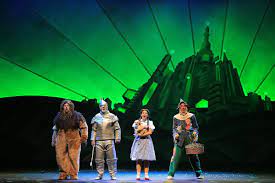
As an educator, I firmly believe in the importance of exposing my students to real-world experiences outside the classroom. These excursions serve as invaluable opportunities for students to learn and grow, both inside and outside their academic lives. One such opportunity is taking them to live performances, be they theatrical plays, concerts, or dance performances. In this article, I will outline the significance of taking my students to live performances and highlight the essential benefits such exposure offers.

1. Cultivating an Appreciation for Art:

When students attend a live performance, they learn more about different forms of art and expression. Teaching them about various forms of artistic pursuits is critical because it helps nurture their overall appreciation for creativity and human expression.

2. Inspiring Creativity:

Live performances can spark creativity in young minds as they observe individuals passionately showcasing their talents on stage. It encourages them to push their own creative boundaries, exploring different mediums and experimenting with various forms of self-expression.

3. Enhancing Emotional Intelligence:

A well-executed live performance will elicit an emotional response from its audience. Through these shared experiences, students can learn to empathize with characters and resonate with art’s profound influence on human emotions.

4. Developing Social Skills:

Attending a live performance allows students to mingle with others who share similar interests – a valuable opportunity that may lead to new connections and friendships.

5. Promoting Critical Thinking Skills:

Live performances often explore complex themes, prompting audience members to think critically about societal norms, personal values, or ethical dilemmas. Such moments can inspire candid discussions among students and trigger deep contemplation about themselves and the world around them.

6. Exposing Students to Different Cultures:

Many occasions feature performances by artists from various cultural backgrounds who may introduce beautiful traditions, languages, music styles, or costumes that were previously unknown.

7. Supporting Community Arts:

By organizing trips for my students, we contribute to sustaining local community theaters and performing arts centers, which often depend on patrons to continuously thrive as cultural hubs.

8. Encouraging Future Involvement:

Young people who attend live performing arts events are more likely to become appreciative adult attendees. As educators, it’s our responsibility to help foster a sense of appreciation and enthusiasm that will last a lifetime.

In conclusion, taking my students to live performances enriches their educational experiences and allows them to witness firsthand the power of art to move, inspire, and communicate on a deeply human level. These outings enable them to develop empathy, appreciate diversity, enhance analytical skills, and embody creativity. Consequently, they evolve into well-rounded individuals better equipped for navigating the complexities of life.

These Teachers Bought Their Custodian a Car—See the Heartwarming Moment

At a small school in a close-knit community, the teachers knew how much their custodian had been struggling. Each day, he would walk miles to work, no matter the weather. After years of watching him persevere, the teachers decided it was time to take action and show their gratitude for his dedication.

Pooling their resources, the group of teachers secretly bought a car for their beloved custodian. With excitement and anticipation, they gathered in the school parking lot to surprise him with his new set of wheels.

As the custodian neared the end of his shift, he was called outside by his coworkers under the guise of an emergency clean-up. Little did he know that they were all eagerly waiting for him with a life-changing gift.

When he stepped into the parking lot, his eyes widened in disbelief as he saw the gleaming car surrounded by cheering colleagues. For a moment, he stood there dumbfounded, unable to comprehend what was happening. Then came the realization that this unexpected gesture was for him.

His eyes welled up with gratitude as he walked over to his new car and ran a hand across its shiny surface. The crowd cheered louder as the teachers presented him with the keys. Profoundly touched by their generous act, he embraced each one of them tightly.

This incredible moment transcended material possessions; it was deeply heartwarming and affirmed the power of genuine human kindness and appreciation. The custodian felt valued knowing that his hard work and dedication did not go unnoticed—these teachers had shown him that they truly cared.

The video capturing this emotional moment went viral as people all over were moved by such a beautiful display of compassion and generosity. This heartwarming story is a testament not only to giving but also to cumulative efforts and support within a community.

In today’s increasingly fast-paced and disconnected world, it is uplifting to see communities and individuals who recognize the impact of kindness and gratitude. The simple act of buying a car not only changed one man’s life but also sent ripples of positivity throughout his entire community.

Latest Posts