Pedagogue Blog

Dear Parent of a Failing Child

It is essential to acknowledge that watching your child struggle with academics can be devastating, but you should know that you are not alone. As parents, it is our primary goal to see our children thrive in all aspects of their lives, and when they face challenges, especially in education, it can be frustrating and worrisome. This article aims to provide guidance and support for you during this trying phase and help you and your child overcome academic struggles together.

1. Emphasize the importance of communication.

Open and consistent communication with your child is essential at this time. As students’ challenges can stem from various roots like lack of understanding, poor motivation, or a learning disability, it is crucial to maintain an open dialogue with your child about their needs, experiences, and emotions.

2. Be supportive without placing blame.

When dealing with a failing child, remember to provide constructive criticism rather than blame. Instead of saying “You’re not trying hard enough,” consider offering specific advice on areas that need improvement like time management strategies or better studying habits. Encourage your child’s talents and strengths, which will help boost their confidence.

3. Recognize the signs of potential learning disabilities.

If your child consistently struggles with specific subjects or tasks despite dedicated effort or appears disinterested and distracted in general, it may be crucial to consider seeking professional advice. Early intervention can make a difference in helping children overcome challenges associated with learning disabilities.

4. Collaborate with teachers.

Communication between parents and educators is critical when addressing academic struggles. Schedule regular meetings or maintain open lines of communication with your child’s teachers for updates on progress and specific areas where they need help. Requesting feedback will enable you to work collaboratively on mapping out plans for academic success.

5. Embrace different learning styles.

Every child learns differently, so explore ways to adapt their learning environment to accommodate their style. Whether your child is a visual, auditory, reading/writing, or kinesthetic learner, tailor study time and resources to optimize their strengths and enhance their comprehension.

6. Encourage peer-to-peer learning and seek external help.

Classmates who excel in specific subjects could provide additional support through peer-assisted learning or tutoring sessions. Moreover, enlisting the aid of academic professionals such as tutors or educational centers can also prove valuable in addressing specific challenges your child may face.

7. Set realistic expectations and goals.

Helping your child set attainable yet challenging goals is essential in fostering motivation and providing a sense of accomplishment when progress is made. Monitor your child’s achievements by celebrating small successes – these milestones will help them believe in their abilities.

In conclusion, the journey of overcoming academic struggles can be a daunting one for parents and children alike. However, understanding that failure can be an opportunity for growth; nurturing open communication with your child, teachers, and educational professionals; being adaptable; and setting achievable goals can pave the way for success. Remember not to lose hope, stay persistent, and aim for positive transformation through mutual support and encouragement.


Teachers Share: The Senior Pranks That Made Us LOL

Introduction:

Every year, as high school comes to a close, seniors engage in a rite of passage: the senior prank. These pranks, often creative and harmless, are intended to leave a lasting memory while bringing laughter and joy to the school community. In this article, we share some of the funniest senior pranks that have left educators chuckling over the years.

1. Post-it note paradise

One group of seniors turned their school into a colorful wonderland by covering every inch of the hallways with multicolored Post-it notes. Teachers arrived in the morning to find a vibrant mosaic that brightened everyone’s day.

2. The great balloon invasion

Imagine walking into your classroom to find it filled from floor to ceiling with balloons! That’s precisely what happened at one school as seniors executed an overnight operation, inflating and stuffing thousands of balloons into classrooms and common areas.

3. Car in the principal’s office

At one daring high school, seniors decided to take automotive education to the next level when they somehow managed to park their principal’s car directly in his office. This audacious prank left everyone in awe of the students’ ingenuity.

4. Hallway beach party

Why wait for summer when you can bring the beach directly to your school? With sand, beach chairs, umbrellas, inflatable pools, and even a volleyball net set up in the hallway, students and teachers couldn’t help but smile and enjoy a mini-vacation during their lunch break.

5. For sale: One school

In a clever twist on a classic prank, seniors decided to ‘sell’ their school by planting real estate signs throughout the campus. Complete with pictures and detailed descriptions of each classroom “for sale,” this amusing prank took advantage of online resources like Zillow and Craigslist to add an extra layer of hilarity.

Conclusion:

Senior pranks often serve as bonding experiences for the graduating class and create lasting memories for everyone involved. These light-hearted and imaginative pranks unite students, faculty, and staff while bringing laughter to the entire school community. As long as the pranks remain safe and respectful, they will continue to be a cherished tradition for generations of high school seniors.

20 Brilliant Gift Ideas For School Support Staff

Introduction:

School support staff, such as teachers’ assistants, custodians, and administrative personnel, play a crucial role in the success of the educational system. To show your appreciation for their hard work and dedication, consider these 20 brilliant gift ideas that they’ll cherish.

1. Personalized stationary: A set of notepads or sticky notes customized with the staff member’s name or initials adds a personal touch to their desk.

2. Professional development book: Help them enhance their skills with a best-selling book on education management and support.

3. A high-quality insulated water bottle: Keeping hydrated is essential, and a stylish insulated water bottle can keep their drinks cold (or hot) for hours.

4. Desk organizer: A functional organizer will help declutter their workspace and encourage productivity.

5. Insulated lunch box or bag: Make their lunchtime special with an attractive insulated container for their home-cooked meals.

6. Monogrammed coffee tumbler: Caffeine helps fuel the busy school day, so give them an elegantly monogrammed tumbler to keep their drinks hot during breaks.

7. Scented candles: Help create a calming atmosphere in their office or break room with some soothing scented candles.

8. Gift card to a popular restaurant: Treat them to a delicious meal they can enjoy during a well-deserved break.

9. Custom nameplate: Personalize their office decor giving them pride in their workspace.

10. Inspirational wall art: Motivating quotes or images can uplift morale and provide an aesthetically pleasing work environment.

11. Massage or spa voucher: Allow them to unwind after long hours on the job with a voucher for a relaxing massage or spa treatment.

12. Potted plant or flowers: Bring life and color to their workspace with some lovely green plants or flowers.

13. DIY hot cocoa mix: A homemade cocoa mix adds a thoughtful and cozy touch to their winter break.

14. Cozy blanket: Give the gift of warmth and comfort with a soft, luxurious throw blanket.

15. Subscription box tailored to their interests: Create a surprise each month with a subscription box focused on their hobbies or lifestyle choices.

16. Digital photo frame: Help capture moments by giving them a digital frame where they can cycle through their favorite memories.

17. Desk toys or stress-relief gadgets: Fun toys or gadgets can help support staff unwind during breaks or reduce stress levels throughout the day.

18. Time-off voucher from the school: Coordinate with administrators to provide an extra day off as an invaluable gift of time.

19. School spirit wear: Show your appreciation and support for your school’s staff by gifting them swag with the school’s logo or mascot.

20. A heartfelt thank you card: Sometimes, the most powerful gift is the simplest one – share your gratitude with words of appreciation, written from the heart, in a handcrafted card.

Conclusion:

Your school support staff deserves recognition for their dedication and hard work. Choose a gift from these 20 brilliant ideas that will not only bring a smile to their faces but also demonstrate your gratitude for all they contribute to the success of your school community.

What Are Kagan Strategies? Exploring Their Impact on Classroom Success

Introduction

In the realm of education, there is a continuous search for effective teaching techniques that can boost student engagement and learning outcomes. Kagan Strategies, developed by Dr. Spencer Kagan, have gained prominence in the world of educational psychology due to their collaborative learning approach designed to maximize student involvement. In this article, we will delve into what Kagan Strategies are, their key components and principles, and how they can be effectively implemented in the classroom.

What Are Kagan Strategies?

Kagan Strategies are a collection of instructional methods based on the principles of cooperative learning. These strategies aim to create an interactive and inclusive classroom environment where students work together in teams to achieve common goals. Kagan’s approach is grounded in the belief that collaboration fosters improved academic performance, self-esteem, and interpersonal skills development.

Key Components and Principles of Kagan Strategies

Kagan Strategies encompass several essential components:

1. Structured Teamwork: Teachers assign students to diverse teams with a mix of abilities, backgrounds, and strengths. Each team member has a specific role and is responsible for contributing to the collective success of the group.

2. Positive Interdependence: Students are encouraged to rely on one another as they jointly tackle challenges. The success of each individual translates into success for the entire group.

3. Individual Accountability: Each team member is held accountable for their own performance and contribution to the group’s efforts.

4. Equal Participation: All students participate actively and equitably in discussions, problem-solving activities, and decision-making processes initiated during group work sessions.

5. Simultaneous Interaction: Ensuring multiple students engage at once maximizes active learning opportunities and enhances student-to-student communication.

Implementing Kagan Strategies in the Classroom

To effectively implement Kagan Strategies in your classroom:

Establish ground rules, roles, and expectations that encourage cooperative behavior within student teams and foster a supportive classroom environment.

Use a mix of Kagan Structures—such as Think-Pair-Share, RallyCoach, or Jigsaw—to facilitate peer interaction, targeted skill development, and diverse opportunities for student engagement.

Monitor team dynamics and provide constructive feedback to students individually and collectively to promote continuous improvement.

Assess the outcomes of Kagan Strategies against set goals in terms of students’ academic performance, social skills development, and overall enjoyment of the learning process.

Conclusion

Kagan Strategies, when implemented effectively, can transform your classroom into an engaging, collaborative space that promotes student learning on multiple levels. By fostering positive interdependence and individual accountability, these strategies lead to greater teamwork abilities, increased self-esteem, and enhanced learning outcomes for all students. With careful planning and thorough execution, Kagan Strategies can become an invaluable tool in your educational repertoire.

6 Celebratory Ways to End the School Year with Students

As the school year comes to an end, it’s essential to find ways to celebrate the hard work and achievements of students. The following six celebratory methods can help educators and students alike enjoy a memorable conclusion to the academic year.

1. Host a virtual awards ceremony

Organizing an awards ceremony is an excellent way for teachers and administrators to acknowledge exceptional accomplishments by students throughout the year. Include categories such as best in academics, sports, or extracurricular activities. Ensure every student is celebrated through inclusive categories like ‘most improved’ or ‘best energy.’ For a more light-hearted touch, add some fun categories like ‘brightest smile’ or ‘biggest bookworm.’

2. Plan a class project presentation event

Give students the opportunity to showcase their best work from the year by hosting a class project presentation event. Students can display their projects in a gallery format or present them to the class, with parents and school staff also in attendance. This event allows students to discuss their work, demonstrate what they’ve learned, and enjoy recognition for their effort and growth during the past year.

3. Create a memory wall or digital collage

Invite students and staff members to contribute pictures, drawings, or messages about their favorite memories from the year. Construct a physical memory wall or create a digital collage that can be shared online. This activity offers students the chance to reflect on what they’ve learned while allowing everyone in the school community to view and appreciate their cherished memories together.

4. Organize a talent show

A talent show provides an opportunity for students and teachers alike to showcase their skills outside of academics and sports. Encourage individuals or groups to perform on stage using various skills like singing, dancing, playing musical instruments, stand-up comedy, or magic tricks. Including audience participation for voting on favorite acts adds a sense of excitement and camaraderie among classmates.

5. Host a class party or picnic

Celebrating the end of the school year can be as simple as hosting a class party or picnic where students can have fun and unwind. Activities like games, music, and dancing promote bonding and create lasting memories. Consider discussing with your students what they’d enjoy the most, providing them with creative control over the planning.

6. Write personal notes for each student

A heartfelt message from their teacher can leave a significant impact on students. Take the time to write individual notes expressing gratitude for each student’s contributions, acknowledging their efforts, and offering encouragement for their future endeavors. These messages can be kept as cherished mementos, reminding students how much they were valued during the school year.

In conclusion, there are many memorable ways to celebrate the end of an educational journey. These six methods can effectively come together to create a fun-filled and unforgettable finale for students and teachers alike. So, gather ideas, engage your students, and seize this opportunity to celebrate a fantastic year of learning, growth, and accomplishments!

Districts Building Affordable Housing to Retain Teachers: Will It Work?

Introduction:

The issue of affordable housing has impacted communities across the nation, including teachers who struggle to find affordable places to live. As a result, school districts are starting to invest in building affordable housing for teachers in an effort to retain and attract top talent. While this unconventional approach has garnered attention, the question remains: will it actually work?

The Problem: Teachers Struggling with Housing Affordability

Many teachers face the challenge of finding affordable housing in the communities where they work. High housing costs can push educators to seek cheaper living options farther away, resulting in long commutes and increased stress. This not only affects their work-life balance but also ultimately impacts student learning and achievement.

The Solution: Districts Investing in Affordable Housing

In an attempt to address this problem, some innovative districts are taking matters into their own hands by building affordable housing for their teachers. By providing below-market-rate apartments or houses, these school districts hope to attract and retain talented educators who can provide high-quality instruction for their students.

Examples of Districts Taking Action

Several districts across the country have adopted this approach:

1. In San Francisco, the Unified School District partnered with city officials and private developers to convert an unused parking lot into a housing complex exclusively for teachers.

2. Miami-Dade County Public Schools District is working with developers on a plan to create a mixed-use project that will include 300 affordable units for teachers.

3. Denver Public Schools has also implemented a program leveraging district-owned land for building affordable housing specifically designed for educators.

Critics Weigh In

Despite the enthusiasm of those involved, critics argue that this solution merely addresses the symptom rather than the root cause – low teacher pay. While affordable housing may provide some relief, teacher salary increases would allow them greater flexibility in choosing where to live without being limited by location or district boundaries.

Future Outlook: Will It Work?

As more districts begin to invest in affordable housing for teachers, the effectiveness of this solution remains uncertain. While it may help attract and retain teachers for some time, there’s a potential issue of scalability as a shortage of available land and resources could prevent widespread implementation. Additionally, the long-term impact on teacher retention and overall school performance can only be assessed over time.

Ultimately, district-built affordable housing may serve as a valuable initial step toward addressing the challenge of attracting and retaining quality educators. However, it’s crucial to continue exploring comprehensive solutions to tackle the core issues of low teacher pay and increasing living costs to ensure a sustainable future for our education system.

Preparing Students For the AP Tests

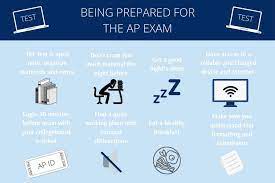
The Advanced Placement (AP) Tests are a critical component of many high school students’ academic careers, offering them the opportunity to earn college credit and potentially save thousands of dollars in tuition fees. Ensuring that students are adequately prepared for the AP Tests can be a daunting task for educators, but with the right strategies in place, both teachers and students can approach these exams with confidence and achieve success.

1. Start Early and Set Clear Goals

Preparation for AP Tests should begin well in advance of the actual exam dates. Teachers should have a clear understanding of the test content and structure, as well as a comprehensive plan for covering all relevant material throughout the course. Setting goals and benchmarks can help keep students on track and ensure that no significant topics are overlooked.

2. Focus on Key Concepts and Skills

Each AP Test has specific content areas that are emphasized in the exam. Educators must be able to identify these key concepts and skills and prioritize their instruction accordingly. Incorporating multiple opportunities for practicing these essential skills can lead to better retention rates and more confident test-taking.

3. Encourage Active Learning Techniques

Active learning strategies such as discussion-based instruction, group work, and hands-on activities encourage deeper understanding of complex concepts. Additionally, students who engage in active learning typically recall information better than those who simply listen to lectures or read from textbooks.

4. Utilize Past Exam Questions

Using real questions from previous AP Exams gives both educators and students an opportunity to familiarize themselves with the test’s format, wording, and difficulty level. Practice tests should be administered at regular intervals throughout the course to assess progress and identify areas needing improvement.

5. Foster Critical Thinking Skills

The AP Tests often require more than simple recall; they seek to measure a student’s ability to analyze, synthesize, and evaluate information from multiple perspectives. By encouraging critical thinking skills in the classroom, educators can equip their students with the tools needed to excel on the AP Tests.

6. Provide Test-Taking Strategies

Alongside content preparation, test-taking strategies should be incorporated into course instruction. Techniques such as time management, outlining essay responses, and shorthand note-taking can significantly improve a student’s performance on the AP Tests.

7. Create a Supportive Learning Environment

Lastly, creating a supportive learning environment is crucial in managing stress and anxiety related to taking high-stakes exams like the AP Tests. Encourage open communication between students and teachers regarding concerns or difficulties, and make sure that resources are available for additional assistance if needed.

By incorporating these strategies into their lesson plans and classrooms, educators can effectively prepare students for success on the AP Tests. Through rigorous preparation and ongoing support, both teachers and students can approach these exams with confidence and achieve outstanding results.

Help! My Student Cheated—Why Am I the One in Trouble?

In today’s highly competitive academic environment, cheating is unfortunately all too common. While educators and institutions have a responsibility to discourage cheating and punish those caught, it’s disheartening when the blame gets shifted onto the teacher instead.

So, why does this happen? And what can teachers do to protect themselves and maintain ethical teaching environments?

The Pressure to Succeed

One factor driving the increase in cheating is the intense pressure students face to succeed academically. They often view good grades as a ticket to acceptance at a top-tier college, a lucrative career, and ultimately a successful life. This pressure can come from peers or families, pushing students to take shortcuts to achieve their goals.

When a student gets caught cheating, some parents may defend their child’s actions and shift the blame onto the teacher claiming that they didn’t properly prepare their student or used ineffective teaching methods. In this scenario, the teacher suddenly finds themselves on trial instead of focusing on the student’s unethical behavior.

 The Role of Educators

Educators have an essential role in preventing cheating. Teachers must create an atmosphere where academic integrity is valued and enforced. This involves setting clear expectations for student behavior, regularly discussing ethical principles and staying vigilant for signs of cheating.

One could argue that managing a classroom effectively will prevent most instances of cheating. Still, when students find ways to break rules despite such efforts, teachers shouldn’t be held responsible for individual choices made by students who blatantly disregard these guidelines.

Protecting Yourself as an Educator

Here are several things you can do if you are an educator accused of being negligent after catching a student cheating:

1. Document Everything: Keep detailed records of each student’s academic performance and behavior throughout the course. In case any allegations arise, you’ll have substantial evidence to back up your version of events.

2. Communicate with Your Administration: Maintain open communication with your administration and make them aware of any suspicious behavior, cheating incidents, and actions you’ve taken to address the issue.

3. Enforce a Strict Academic Integrity Policy: Develop and consistently enforce a clear academic integrity policy in your classroom ensuring all students are aware of the consequences of cheating.

4. Be Proactive in Preventing Cheating: Utilize various assessment methods and tools to detect plagiarism or other forms of cheating.

Conclusion

It’s frustrating when teachers become the scapegoats for their students’ unethical actions. However, educators must rise above these challenges and continue to foster an environment built on learning, critical thinking, and academic integrity.

By implementing effective teaching strategies and enforcing strict academic policies, teachers can protect themselves from unjust accusations while upholding ethical standards within their classrooms. Ultimately, the focus should return to supporting student growth while maintaining an honest educational environment.

How Much Does a Later School Start Time Help—or Hurt?

In recent years, there has been much debate over the impact of later school start times on students’ health, academic performance, and overall well-being. Advocates argue that a delayed start allows for more sleep and reduces stress, while opponents claim it disrupts schedules and can hinder student progress. This article explores the pros and cons of a later school start time and examines whether it truly offers significant benefits or detriments.

Pros of Later School Start Times:

1. Improved Sleep Quality: Research suggests that adolescents require at least 8-10 hours of sleep to maintain optimal physical and mental health. Unfortunately, early school start times often force students to wake up before their natural biological clocks are ready. Delaying the school day may allow for more restorative sleep, reducing fatigue and boosting cognitive function.

2. Enhanced Academic Performance: Numerous studies have linked adequate sleep with better attention spans, memory retention, decision-making skills, and overall cognitive abilities—all key factors in academic success. A later start time may thus lead to improved academic performance and higher test scores.

3. Reduced Stress: Insufficient sleep can contribute to stress and anxiety among students who already face immense pressure to succeed academically. Allowing teenagers to follow their natural sleep patterns may lead to enhanced mood, lower stress levels, and improved mental health.

4. Increased Attendance & Reduced Tardiness: When students are well-rested, they are more likely to attend classes regularly and arrive on time. This reduces absenteeism and tardiness rates—both key factors influencing overall school success.

5. Fewer Accidents: Drowsy driving is a leading cause of accidents among teenage drivers. Later start times can help reduce fatigue-related crashes by granting additional sleep time for adolescents.

Cons of Later School Start Times:

1. Impact on Extracurricular Activities: Delaying the school day may force various extracurricular activities, such as sports and clubs, to take place later in the day, reducing the time for afterschool jobs and family responsibilities.

2. Disruptions to Parent Schedules: Parents may experience difficulties adjusting their work schedules to accommodate later start times, potentially leading to conflicts or loss of income.

3. Transportation Challenges: Later start times may require school districts to reorganize bus routes and schedules, potentially increasing transportation costs.

4. Heterogeneity of Results: While many students clearly benefit from additional sleep, some may experience negligible improvements in academic performance or well-being due to individual differences in sleep needs and habits.

5. Risk of Shifting Sleep Patterns: Delaying school start times might encourage students to stay up later at night, negating potential benefits of a delayed school schedule.

In conclusion, the impact of later school start times on students’ health, academic performance, and well-being is complex and multifaceted. While there are clear advantages to providing more sleep time for adolescents, potential drawbacks must be carefully weighed against these benefits. Ultimately, a community-driven approach that considers the unique needs and resources of each school district could offer the most effective solution for balancing student well-being with practical considerations.

10 Books That Will Help You Build a Positive School Culture

Introduction:

Building a positive school culture is crucial for fostering academic achievement, enhanced mental health, and increased teacher and student satisfaction. An effective way to improve the atmosphere in your educational institution is by gaining insights from experts in the field. Here is a list of ten incredible books that offer transformative strategies to help you create a thriving school environment.

1. “The Power of a Positive Team” by Jon Gordon

In this book, author Jon Gordon explores the intricacies of teamwork and offers practical techniques for creating an environment of positivity, collaboration, and success in the school setting.

2. “Better Than Carrots or Sticks: Restorative Practices for Positive Classroom Management” by Dominique Smith, Douglas Fisher, and Nancy Frey

This book advocates for restorative practices as an alternative to traditional punitive disciplinary measures. The authors provide concrete strategies to help educators develop a culture of accountability, responsibility, and mutual respect within the classroom.

3. “Creating Emotionally Safe Schools: A Guide for Educators and Parents” by Jane Bluestein

This guide emphasizes the importance of emotional safety and its role in creating a positive school culture. Bluestein equips educators with practical tools to cultivate an atmosphere that supports students’ social and emotional growth.

4. “The Culturally Responsive Classroom: Connecting Culture to Student Achievement” by Bonnie M. Davis

Appreciating diversity is essential in building a positive school culture. In this book, Davis provides a framework that aligns teaching methods with the cultural needs of students to enhance their learning experiences and promote academic success.

5. “School Climate Change: How Do I Build a Positive Environment for Learning?” by Peter DeWitt

DeWitt outlines practical steps in transforming the school climate into one that acknowledges individual needs while fostering collaboration between educators, students, and parents.

6. “The New Principal’s Fieldbook: Strategies for Success” by Pamela Robbins and Harvey Alvy

Geared towards both new and experienced school administrators, this book offers insights to improve school culture, boost teacher morale, and focus on continuous growth.

7. “Reclaiming Our Teaching Profession: The Power of Educators to Transform Schools” by Shirley Hord and Edith Rushton

In this inspiring read, Hord and Rushton promote the value of every educator in contributing to positive change within schools, igniting a passion for teaching and improving the overall environment.

8. “The Positive Dog: A Story About the Power of Positivity” by Jon Gordon

Through an engaging story, Gordon teaches readers how adopting a positive mindset can influence all aspects of life – including education. Implementing such an outlook can deeply impact school culture and student outcomes.

9. “Activate: A Leader’s Guide to People, Practices, and Performance” by Deanna Burney

Burney shares her proven approach to transforming underperforming schools into thriving educational institutions. This guide is a valuable resource for educators seeking real-world examples of successful strategies in improving school culture.

10. “Mindset: The New Psychology of Success” by Carol Dweck

Renowned psychologist Carol Dweck introduces the groundbreaking concept of fixed vs. growth mindsets and demonstrates how embracing a growth mindset can lead to success within schools and beyond.

Conclusion:

Investing time in reading these insightful books can help you build a school culture that values every individual, enhances academic performance, fosters emotional security, and promotes lifelong learning. By implementing their recommendations, you can create a positive atmosphere that will benefit not just your students but also faculty, staff, parents, and the community at large.

Brilliant Activities to Celebrate the Great Solar Eclipse

Introduction:

A great solar eclipse is a rare, awe-inspiring phenomenon that has captivated humanity for centuries. As the moon passes between the Earth and the sun, it briefly casts a shadow upon our planet, turning day into night and offering a unique opportunity for memorable experiences. Here are some brilliant activities you can partake in to celebrate the great solar eclipse.

1. Host a Viewing Party:

Gather friends and family for an unforgettable viewing experience! Set up telescopes, binoculars, and solar eclipse glasses to safely view the celestial spectacle. Serve themed snacks and beverages, like “Galaxy Punch” and “Moon Pies,” as everyone marvels at the breathtaking sight.

2. Visit a Planetarium or Observatory:

Many planetariums and observatories host special events during solar eclipses. These locations often provide guided viewing experiences along with expert lectures and activities to deepen your understanding of this extraordinary cosmic occasion.

3. Create Solar Eclipse Artwork:

Capture the magnificence of this celestial event through art! Painting or drawing what you witness during an eclipse can be an enormously gratifying activity for both kids and adults. Make sure to capture the unique crescent sun shapes that occur throughout the progression of the event.

4. Photography:

Solar eclipses offer photographers a thrilling challenge – capturing this fleeting moment in time. Practice taking photos with special solar filters or use pinhole projectors to safely image the sun’s corona during totality.

5. Attend a Special Event:

Many cities organize special gatherings in parks, stadiums, or open spaces for viewing eclipses. Attend these events to meet fellow enthusiasts, enjoy live music, and partake in workshops about astronomy and solar eclipses.

6. Educational Outreach:

Seize this opportunity to teach others about space, astronomy, and solar eclipses by organizing interactive workshops or presentations at schools, libraries, community centers, or even your own home.

7. Shadow Puppet Show:

Use the dramatic effect of the disappearing sun to create a shadow puppet show! Enchant your audience with entertaining stories based on legends and myths that surround solar eclipses throughout history.

8. Yoga or Meditation Session:

Solar eclipses have been thought to hold spiritual significance in various cultures. Honor this unique energy by participating in a yoga or meditation session during the eclipse to foster a deeper connection with yourself and the universe.

9. Create an Eclipse Time Capsule:

Capture the essence of your eclipse experience by creating a time capsule. Include photos, artwork, written memories, and any other mementos that remind you of this special day. Seal it up and choose a date to open it – perhaps during the next solar eclipse!

Conclusion:

The great solar eclipse provides a celestial feast for the senses, allowing us to connect with nature, science, art, and spirituality. Partaking in these activities will not only make this rare event memorable but also inspire lasting appreciation for our incredible universe.

8 Things That Should Totally Count as Summer Professional Development

Summer is the ideal time for educators to recharge, relax, and reflect on their practice. However, the best teachers are always looking for opportunities to grow and learn more. With that in mind, here are eight unconventional activities that can be considered summer professional development.

1. Reading for Fun

Instead of sticking to the usual education-related books, broaden your horizons by reading a book outside your comfort zone or genre this summer. Getting engrossed in a good novel or diving into an interesting biography might help you discover new insights that could enrich your teaching style.

2. Attending Cultural Events

Exploring different cultures at local fairs and festivals can help teachers deepen their understanding of diversity and increase cultural sensitivity in the classroom. Such events often offer opportunities for interaction with people from various backgrounds.

3. Mastering a New Skill or Hobby

Challenge yourself by learning a new skill or picking up a new hobby during the break. Whether it’s playing an instrument, gardening, or painting, mastering a new skill can teach you valuable lessons about patience, perseverance, and creativity – all important aspects of being an effective educator.

4. Engaging in Volunteer Opportunities

Offering your time and skills to help others is not only personally rewarding but also professionally enriching. Volunteering at local non-profit organizations or participating in community projects can provide valuable experience and help develop your empathy and leadership skills.

5. Participating in Online Discussions or Social Media Groups

Join social media groups or online forums where educators worldwide share ideas, resources, and experiences related to education practices. Participate actively by engaging in discussions, asking questions, and sharing knowledge to cultivate an environment conducive to professional growth.

6. Visiting Local Museums and Attractions

Spend some time visiting local museums, historical sites, art galleries, science centers, or even zoos this summer. These attractions can provide a wealth of content and inspiration for lesson planning, as well as opportunities to explore learning from a different perspective.

7. Watching Educational Movies or Documentaries

Enjoy your downtime by watching educational movies or documentaries related to your subject area or the field of education in general. As you watch, think about how you might be able to incorporate elements from the content into your lessons for student engagement and enrichment.

8. Journaling and Reflecting on Teaching Experiences

Take some time to write down and reflect on memorable teaching moments and experiences from the past academic year. Consider what worked well, what didn’t, and how you can improve upon it in the future. This reflective practice helps foster self-awareness and continual growth as an educator.

In conclusion, summer professional development doesn’t have to be limited to attending traditional workshops or conferences. Embracing new experiences, developing skills outside of the classroom, and learning from fellow educators can all contribute to your growth as a teacher and enrich your teaching practice.

Latest Posts