Pedagogue Blog

How Teachers Can Support Students Experiencing Homelessness

Introduction:

Homelessness is an unfortunate reality for many students, creating barriers to their education and overall well-being. As educators, it is crucial to understand the challenges these students face and offer support in any way we can. This article outlines strategies for teachers to provide assistance to students experiencing homelessness.

1. Educate Yourself and Others:

Educate yourself on the topic of homelessness among students and its impact on their educational performance. Utilize credible resources, attend workshops, or partner with local homeless shelters to gain expertise in this area. Then, share this information with fellow faculty members to increase awareness and create a supportive environment.

2. Create a Safe Space:

Ensure that your classroom is a welcoming environment for all students, regardless of their background. Encourage open communication and foster positive relationships with all your students. This can help those experiencing homelessness feel more comfortable in sharing their situation.

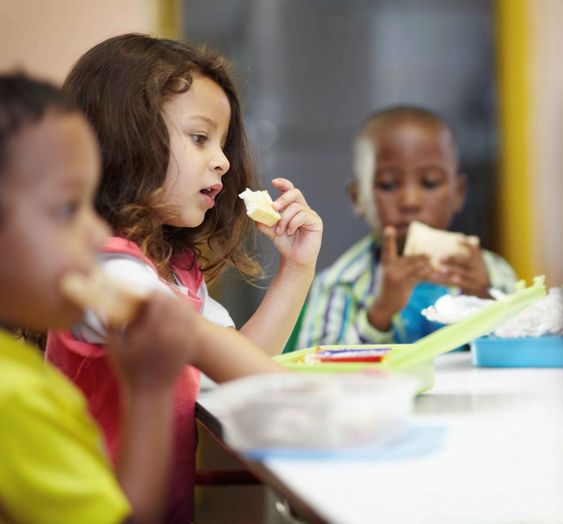
3. Offer Food and Personal Hygiene Supplies:

Students experiencing homelessness may have limited access to food or hygiene supplies. Consider establishing a discreet area in your classroom or school where these items can be readily available. Coordinate with school administrators or other teachers to help stock the supply area.

4. Provide Parental Suport Resources:

Assist parents of homeless students by providing them access to available resources such as informational pamphlets, contacts for local organizations, or onsite support centers at the school.

5. Be Flexible with Deadlines and Attendance:

Recognize that homeless students might experience difficulty in meeting deadlines or maintaining regular attendance due to their unpredictable living conditions. Offer alternative options for submitting assignments or make-up class sessions when necessary.

6. Establish a Stable Connection:

A stable relationship with a caring adult can have a significant impact on a homeless student’s life. Ensure that you remain engaged in their learning process, building trust and offering moral support throughout the academic year.

7. Collaborate with School Counselors:

Work closely with school counselors to provide support for students experiencing homelessness. This collaboration ensures that students receive the necessary assistance for their emotional and academic needs.

8. Offer Tutoring or Academic Support:

Homeless students may fall behind academically due to their unstable living conditions. Offer these students additional tutoring or academic support to help them keep up with their classmates and succeed in their studies.

Conclusion:

Supporting students experiencing homelessness is a vital responsibility for educators. By understanding and addressing the unique challenges these students face, we can create an inclusive learning environment that helps them achieve success despite obstacles they may encounter.

Here’s What You Need to Know About Working for Qkids

Introduction

Teaching English as a foreign language is an exciting and rewarding opportunity, and the rapidly growing company, Qkids, offers you a chance to do so conveniently from the comfort of your home. In this article, we will explore the essential information about working for Qkids, touching on everything from the necessary qualifications to the process of joining their team.

Qualifications

To work for Qkids as an English teacher, there are some mandatory requirements you must fulfill:

1. Native English fluency: You must speak English fluently and have a clear accent.

2. Bachelor’s degree: Regardless of which field you graduated in, holding a bachelor’s degree is mandatory.

3. Teaching experience/certificate: A minimum of six months teaching experience is required. Applicants holding TEFL/TESOL/CELTA certification have an added advantage.

4. Legally eligible to work in the U.S or Canada: Qkids currently only hires applicants from these two countries.

5. Reliable technology: A stable internet connection, a computer with webcam capabilities and screen-sharing software (such as Zoom) are needed.

Application Process

The application process at Qkids is quite straightforward and efficient:

1. Online application: Start by submitting your résumé and a brief introduction video showcasing your teaching skills.

2. Demo 1 interview: If shortlisted, you’ll be asked to participate in a 25-minute demo lesson with an instructor who will test your teaching abilities and familiarity with the Qkids platform.

3. Demo 2 interview: Eligible candidates then proceed to another 25-minute demo class, this time with actual students.

4. Trial classes: Upon reaching this stage, you’ll conduct paid trial classes with real students for further evaluation.

5. Background check and contract signing: If you successfully pass all previous stages, Qkids will perform a background check, after which you’ll be offered a contract to sign.

Payment and Schedule

Qkids offers competitive pay averaging between $16-$20 per hour, depending on your qualifications and performance in trial classes. The classes are 30 minutes long with additional bonuses in case of positive feedback by parents or for attending weekend classes.

Qkids’ main focus is on students in China, so the peak hours are usually early mornings or evenings (Eastern Standard Time). You are required to commit to a minimum of 6 class hours per week, often scheduled in advance. Remember that Qkids maintains strict attendance expectations, so it’s essential to value punctuality.

Teaching Resources

One of the significant advantages of working with Qkids is the availability of high-quality teaching resources. Qkids already has its curriculum, interactive virtual classrooms, and games tailored for different age groups, leaving you free to solely focus on teaching.

Conclusion

Working for Qkids as an online English teacher can be a fulfilling and lucrative opportunity if you meet the requirements and have a passion for teaching children. Featuring flexible scheduling, competitive pay, and ample teaching resources, you can expect immense growth and exciting experiences as a Qkids educator.

Private vs. Public School

The debate between private and public schools has been ongoing for decades, with proponents on both sides advocating the benefits of their preferred educational system. As with any complex issue, there is no right or wrong answer when it comes to determining whether private or public school is the better choice for teachers and students. Each option has its own set of advantages and disadvantages, which will resonate differently based on individual needs and preferences.

Private Schools: Benefits and Drawbacks

Private schools are typically characterized by smaller class sizes, more individualized attention, better resources, and a greater emphasis on fostering a close-knit community. For students, these aspects often translate to higher academic achievement (oratory skills development?), access to advanced curriculums, and an overall heightened sense of belonging within their educational environment.

Teachers in private schools also benefit from smaller class sizes, allowing them to focus more on individual student needs and ensuring that each child receives the appropriate attention required for success. Additionally, private institutions often have more resources at their disposal for teacher development opportunities and competitive salaries.

However, a major disadvantage of private schools is their high cost of attendance, which can exclude many families from enrolling their children. The exclusive nature of these institutions can also result in a lack of diversity compared to public schools.

Public Schools: Benefits and Drawbacks

Public schools offer access to quality education for all students regardless of income or background. They often showcase a broader diversity of student populations, which can provide valuable opportunities for young people to learn about different cultures and perspectives.

Additionally, the sheer size of public school systems may offer some teachers richer professional development possibilities and opportunities for promotion within the district. Moreover, teacher’s unions frequently provide protection for public school educators with regards to job security, salary-related negotiations, and benefits packages unavailable to private school educators.

On the other hand, larger class sizes in public schools can make it challenging for teachers to provide individual attention to each student. The wide-ranging needs within these diverse educational environments may require more creative approaches to teaching, and resources may not always be as readily available compared to those in private institutions.

Conclusion

In the debate between private and public schools, the best choice for teachers and students largely depends on individual preferences, needs, and circumstances. Private schools may be better suited for those seeking smaller class sizes and more personalized instruction, while public schools may appeal to educators and students who value diversity and equal opportunity.

Ultimately, both private and public institutions offer unique benefits that cater to the specific needs of their respective populations. It is essential for parents, students, and educators to carefully consider their priorities and needs when determining the best fit for them in this ongoing debate.

The Best 2nd Grade Poems To Delight Your Students

As a teacher, it’s always a challenge to find materials that are engaging, age-appropriate, and educational. Poetry can be an excellent way to help your 2nd graders develop reading, comprehension, and writing skills. To help you in your search for the perfect poems, we’ve compiled a list of the best 2nd grade poems guaranteed to delight your students.

1. “A Light in the Attic” by Shel Silverstein

Shel Silverstein is beloved by children everywhere for his quirky illustrations and whimsical poetry. “A Light in the Attic” is no exception – it will spark your students’ imaginations as they tackle riddles and daydream about the mysterious light in the attic.

2. “The New Kid on the Block” by Jack Prelutsky

This entertaining poem uses humor and relatable experiences to tell the story of a new kid who moves into town. With simple language and fun rhymes, “The New Kid on the Block” is a great way to introduce your students to poetry.

3. “Stopping by Woods on a Snowy Evening” by Robert Frost

Considered an American classic, this poem paints a beautiful picture of silent snowfall in a wood. Students can easily visualize the scene with Frost’s enchanting imagery; it is sure to elicit lively discussions about nature and the elements that make up our world.

4. “Falling Up” by Shel Silverstein

Another great poem for 2nd graders from Shel Silverstein; this time focusing on defying gravity. Students will giggle as they read about various objects falling up instead of down, encouraging analysis of how things work from different perspectives.

5. “Be Glad Your Nose Is on Your Face” by Jack Prelutsky

A humorous poem filled with entertaining visuals, this poem emphasizes gratitude for our features and the way they are placed on our faces. It highlights the importance of being content with ourselves, sparking discussions on self-acceptance and embracing individuality.

6. “If Not for the Cat” by Jack Prelutsky

This haiku collection featuring various animals is perfect for 2nd graders’ introduction to this form of poetry. The short, descriptive poems are great for helping students recognize syllables, learn new vocabulary, and explore the art of brevity.

7. “Would You Rather Be a Bullfrog?” by Dr. Seuss

Dr. Seuss’s imaginative poem encourages children to unleash their creativity as they ponder what life would be like as different creatures – from bullfrogs to butterflies. With playful illustrations and rhymes, this poem is ideal for teaching students about choices and could spark fun class activities.

These seven gems are sure to engage your students and ignite their passion for poetry while developing essential literacy skills. From the silly rhymes of Shel Silverstein to the natural beauty captured by Robert Frost, these poems provide a wonderful variety that will captivate your 2nd graders and make learning an enjoyable adventure.

23 Outrageous and Funny Things Students Have Said to Teachers

Teaching can be a rewarding and challenging profession. One of the many perks of being a teacher is that there’s never a dull moment, as students often come up with some pretty bizarre and hilarious things to say. Here, we’ve compiled a list of 23 outrageous and funny things that students have said to their teachers.

1. “Is it true that humans and dinosaurs never met because they had different time zones?”

2. During a science lesson: “If an asteroid hit the Earth, would the dinosaurs come back?”

3. On math: “Why do we need math when we have calculators? They’re like tiny math teachers.”

4. A student complaining about homework: “The dog didn’t eat my homework, but the cat did. It was on my laptop, I swear.”

5. In an art class: “I’m not drawing stick figures; I’m creating minimalist art.”

6. When asked where he was during class: “I was in the bathroom, but then I got lost looking at memes.”

7. During history class: “Was Napoleon Dynamite related to Napoleon Bonaparte?”

8. At the beginning of health class: “Can I be excused from today’s lecture? My doctor recommended avoiding anything related to sex education for health reasons.”

9. After receiving a low test score: “You can’t blame me for this grade; your teaching license should be revoked for malpractice!”

10. In an English literature class: “The Great Gatsby? Isn’t that just Gatsby before he started working out?”

11. A student seeking clarification during biology: “So wait…Batman isn’t a real animal species?”

12. When asked how she felt about her teacher: “I think you’re just like my grandma – old but kind of cool.”

13. During algebra class: “If x equals infinity, then why can’t I just divide by zero?”

14. In response to a geography lesson on Earth’s rotation: “If the Earth keeps spinning, why don’t we get dizzy?”

15. In a discussion about current events: “Didn’t Alexander Hamilton just release a new rap album this year?”

16. During a physics lecture: “So, you’re telling me unicorns don’t exist? But what about narwhals? Those things are practically unicorn whales!”

17. Referencing a classic novel in class: “To Kill A Mockingbird? Bro, who did the bird even hurt?”

18. When confronted about not paying attention in class: “My other personality was listening.”

19. While attempting to get out of an assignment: “But can’t we just use Google Sheets as our online source for the essay?”

20. When discussing ancient Rome: “If they spoke Latin, where are all the American people from Latin America now?

21. During a world religions class: “Is Yoda considered a religious icon?”

22. After hanging up posters in class: “Why do people say ‘asbestos’ when they mean ‘as best as’?”

23. In response to a teacher’s gentle reminder about dress code violations: “It’s called fashion; look it up.”

These quotes serve as a hilarious reminder that students possess an abundance of creativity and wit. Teachers may occasionally shake their heads in disbelief at some of their students’ outlandish questions or comments, but it’s also these moments that keep the school day interesting and entertaining!

The Best In-Person and Virtual First Grade Field Trips

In today’s world of technology and creativity, field trips have become an essential part of first-grade education. They provide children with unique learning experiences that are both interactive and engaging. Whether it’s an in-person adventure or a virtual excursion, these field trips help students explore new environments, concepts, and ideas. Here are some of the best in-person and virtual first grade field trips that will captivate young minds.

In-Person Field Trips

1. The Children’s Museum – Children’s museums offer hands-on learning experiences tailored to youngsters. These venues encourage exploration, curiosity, and creativity, making them perfect destinations for first graders.

2. The Zoo – A visit to the zoo enables kids to observe animals up close, fostering a love for nature and wildlife. Zoos often provide guided tours that teach children about animal habitats, diets, and behaviors.

3. Botanical Gardens – A botanical garden showcases the beauty and diversity of plant life. First graders can explore different ecosystems, identify various plant species, and learn about the importance of conservation efforts.

4. The Science Center – Science centers offer interactive exhibits related to physics, chemistry, biology, and other scientific disciplines. They can spark an early interest in science while nurturing logical thinking and problem-solving skills.

5. Planetarium – A trip to a planetarium will give first graders a captivating celestial experience. They can learn about stars, constellations, planets, galaxies, and the wonders of outer space.

Virtual Field Trips

1. Google Earth – Google Earth provides access to satellite imagery from all corners of the globe. This allows students to virtually visit famous landmarks such as the Grand Canyon or the Great Wall of China while remaining in their classroom.

2. The Louvre Museum Virtual Tour – This digital experience allows students to explore numerous artworks from different eras in history without leaving their desks. First graders can admire masterpieces such as the Mona Lisa, the Winged Victory of Samothrace, and the Ancient Egyptian collections.

3. Monterey Bay Aquarium Live Webcams – An up-close look at marine life from home, this virtual field trip offers live webcam feeds from Monterey Bay Aquarium exhibits. Students can observe otters, penguins, sharks, and other aquatic animals in their habitats.

4. The Smithsonian Museum Virtual Tours – Offering a suite of online resources and virtual tours, the Smithsonian Institution helps bring history to life for first graders. From natural history to aerospace exhibits, students can explore a wide range of fascinating subjects.

5. NASA’s Virtual Field Trip to Mars – Using augmented reality technology, NASA offers a “tour” of Mars based on data collected by Mars rovers. This virtual field trip is a great way to teach young students about space exploration and foster an interest in astronomy.

In conclusion, both in-person and virtual first grade field trips provide valuable educational experiences for students. By visiting different venues or using technology to bridge physical distances, these field trips encourage curiosity and broaden perspectives while supplementing traditional classroom learning.

Teachers Are Quitting Last Minute All Over the Country: A Deep Dive

Introduction:

In recent times, education systems worldwide have seen a sudden surge in teachers quitting their jobs. While some attribute this to high levels of stress and burnout, others argue that it is the result of increasingly overwhelming expectations placed upon educators in today’s fast-paced world. This article aims to explore the various reasons behind this alarming trend of teachers resigning at the last minute all over the country, and its possible implications for our society and future generations.

1. The Pandemic Effect:

The COVID-19 pandemic has significantly impacted all aspects of life, and the field of education is no exception. Teachers had to quickly adapt to new teaching methods such as virtual classrooms, which added to their workload and stress levels. Many educators struggled to balance their personal lives with increased professional demands, leading to severe burnout – pushing numerous teachers to quit their jobs without much notice.

2. Insufficient Salaries and Benefits:

A major reason why teachers are quitting their jobs is insufficient remuneration and benefits. Educators feel that they are not paid enough for the hard work they do, despite being responsible for nurturing future generations. Furthermore, constant budget cuts have resulted in many schools facing severe resource limitations, causing additional frustration for teachers.

3. Increasingly Unrealistic Expectations:

Modern-day educators are expected not just to teach but also to take on several other roles such as counselors, coaches, and mentors. Additionally, they need to keep abreast of rapidly evolving curriculums and technologies while tirelessly working to engage students with diverse learning needs. The multitude of responsibilities and expectations placed upon them often proves too taxing, causing many teachers to discard their job at the last minute.

4. Lack of Support from Administrators:

Teachers often feel overburdened due to lack of support from school administrators who may prioritize maximizing enrollment numbers over teacher wellbeing. Insufficient resources for professional growth and development may also push teachers to seek better opportunities elsewhere, even if that means quitting right before the new academic year starts.

5. Personal Circumstances:

In some cases, personal circumstances, such as family commitments or health issues, compel teachers to leave their jobs without ample notice. In a profession where emotional involvement is crucial, teachers might feel the need to prioritize their personal life over work in order to sustain their mental and emotional well-being.

Conclusion:

The sudden increase in teachers quitting last minute all over the country is indeed worrisome. Immediate consequences include disruptions in students’ education, hiring challenges faced by schools, and lasting effects on teacher morale. To sustain quality education and ameliorate this alarming trend, it is imperative for policymakers to address these root causes by providing proper salaries and benefits, more support from school administrations, and reasonable workload expectations. Moreover, creating a safe and inclusive work environment that prioritizes teachers’ mental health will go a long way toward retaining talented educators who play a pivotal role in molding our future generations.

10 Ideas to Encourage Fitness and Healthy Eating in Tweens and Teens

The difficult transition of children growing into teenagers is an essential period for parents to develop their habits and instill values that will last for a lifetime. One of the best ways to ensure a positive lifestyle for young people is to encourage an appreciation for fitness and healthy eating. Here are ten ideas for promoting these important aspects of well-being among tweens and teens:

1. Set a good example: Parents should lead by example in incorporating healthy eating, regular exercise, and other fitness-oriented activities into daily routines.

2. Encourage participation in sports: Signing tweens or teens up for sports teams not only encourages physical activity but can help instill team-building skills and connect with other health-minded peers.

3. Make healthy meals the norm: Creating meal plans that feature nutrient-dense foods ensures there are always healthy choices available at home.

4. Cook together: Involve your children in meal planning, shopping, and cooking, educating them about the importance of fresh ingredients, proper nutrition, and portion sizes.

5. Keep snacks interesting: Swap out junk food options with nutritious alternatives such as nuts, yogurt, or fruit to keep them engaged without sacrificing their health.

6. Limit screen time: Limiting the time spent on electronic devices can help promote engaging in more physical activities like playing outside or joining group sports.

7. Educate them on what their body needs: Teach your children about macronutrients such as protein, carbohydrates, and fats to help them make informed decisions about food consumption.

8. Set achievable goals: Create personal age-appropriate goals that allow your children to track their progress and instill a sense of accomplishment while focusing on fitness and wellness.

9. Schedule family activities that promote exercise: Hiking, biking trips, or participating in group fitness classes together strengthens family bonds while promoting healthy habits.

10. Encourage sleep as part of a healthy lifestyle: Ensure your tweens and teens understand the importance of a regular sleep schedule and its connection to overall wellness, cognitive function, and physical performance.

By embracing these ideas, parents can create a supportive and inspiring environment that encourages their tweens and teens to engage in fitness activities and maintain a healthy diet, ultimately setting them up for long-term success.

5 Tips for Having Students Choose Their Seats

Classroom seating arrangements have a significant impact on a student’s learning experience. Allowing students to choose their seats can empower them, enhance their comfort level, and positively affect their overall engagement. To ensure the success of this approach, here are five tips for having students choose their seats:

1. Set Clear Expectations:

Before allowing students to select their seats, clearly communicate your expectations and guidelines. This may include rules about respecting personal space, staying focused on the task at hand, and choosing a seat that is conducive to effective collaboration. By setting expectations, students will understand their responsibilities, leading to a more successful seating arrangement.

2. Foster a Sense of Ownership:

Encourage each student to take ownership of their seat selection by considering factors such as proximity to the teacher or board, availability of resources, and accessibility for group work. This sense of ownership will stimulate responsibility within the participants and motivate them to make wise choices in order to achieve an optimum learning environment.

3. Use Team-Building Activities:

Team-building exercises can be used as an icebreaker or a chance for students to learn more about one another before selecting seats. Encourage students to choose their seat based on the commonalities they have identified with others during team-building activities to promote collaboration.

4. Implement Trial Periods:

Offering trial periods allows students the opportunity to change their seats if they feel the initial choice isn’t working well for them. You may decide on a specific timeframe (e.g., one week) before discussing potential changes with your students should they feel it necessary. This flexibility can result in increased satisfaction and further ensure student success.

5. Assess and Reflect:

Periodically assess the effectiveness of the chosen seating arrangement by observing student engagement, focus levels, and interaction quality. Encourage feedback from students regarding how they feel about their seat choices and whether they believe any changes could lead to an improved educational experience. Utilize this information to make necessary adjustments and ensure the arrangement’s continued success.

In conclusion, giving students the autonomy to choose their seats can have a positive impact on their learning experience. By setting clear expectations, fostering ownership, using team-building activities, implementing trial periods, and reflecting on seating arrangements’ effectiveness, you can create a dynamic classroom that caters to each student’s individual needs. This strategy will empower learners and contribute to a more engaged and collaborative learning environment.

17 Adorable Teacher Signs to Hang on Your Classroom Walls

Introduction

Classroom decorations can have a significant impact on students’ learning environment. By adding a touch of creativity and personalization, teachers can create an inviting and engaging space for their students. One way to achieve this is by hanging adorable teacher signs on the classroom walls. Here are 17 incredible ideas for teacher signs that will inspire, brighten, and add charm to any classroom.

1. Growth Mindset Sign

Encourage a growth mindset in your students with a sign that says, “In this classroom, we don’t do easy; we make easy happen through hard work and learning.”

2. “This is a Mistake-Making Zone”

Remind students it’s okay to make mistakes with a sign that encourages learning from errors.

3. Inspiring Quote

Choose a quote from a famous author or motivational speaker to inspire your students daily.

4. “You Are Loved” Sign

Hanging a simple “you are loved” sign can work wonders in creating an inclusive atmosphere where each student feels valued.

5. Classroom Rules

Display your classroom rules on an attractive sign for easy reference and consistent enforcement.

6. Birthday Corner

Hang a cute “Happy Birthday!” sign alongside individual birthday banners to celebrate each student’s special day throughout the year.

7. Positive Affirmations

Create a corner with positive affirmations like, “I am capable,” “I am strong,” and “I am confident” for students to read and recite daily.

8. Personalized Name Sign

Make each student feel special by displaying their names on cute name signs, creating a sense of belonging.

9. Literary Corner

Hang signs featuring literary themes or authors paired with their famous quotes or novels.

10. Teacher Appreciation Wall

Place a decorative wall hang dedicated to notes, drawings, or cards given to you by your students as an ongoing symbol of appreciation.

11. “Be Kind” Message

A sign that promotes kindness can significantly impact students’ behavior and treatment of each other.

12. DIY Canvas Art

Help your students create personalized canvases with handprints, drawings, or quotes, then hang them around the classroom for a unique and collaborative touch.

13. “In Here, We Are Family”

Foster a sense of unity in your classroom with a sign that emphasizes inclusivity and togetherness.

14. “What You Say Matters”

This sign will remind students to be mindful of the power of words, promoting thoughtful conversation and interactions.

15. Go Green!

Hang signs that include eco-friendly tips like recycling, water-saving methods, or energy conservation ideas to teach students about sustainability practices.

16. Classroom Jobs Chart

Display a chart or sign with various classroom jobs assigned to different students each week to promote accountability and teamwork.

17. “Ask Three Before Me”

Encourage student independence by hanging this helpful reminder for students to confer with classmates before seeking help from you for common questions.

Conclusion

With these 17 adorable teacher signs, you can transform your classroom walls into an inspiring backdrop that encourages learning, growth, and camaraderie among your students. Creativity in decorating the classroom fosters an engaging atmosphere that often translates into increased motivation and academic success.

5 Tips for Successful Group Work in the Classroom

In today’s evolving educational landscape, group work has become an essential component for successful learning experiences. When students collaborate in groups, they learn valuable interpersonal skills, engage in deep discussions, and develop problem-solving abilities. However, fostering effective group work in the classroom can be challenging for both students and educators. Here are five tips to help ensure successful group work in the classroom:

1. Establish clear goals and expectations:

Before beginning any group project, it is crucial for educators to establish clear goals and expectations. Inform students about the purpose of the activity and how it aligns with their learning objectives. Encourage students to set individual goals and help them understand their roles within the group. Setting these expectations upfront will keep students focused and motivated throughout the project.

2. Strategically form groups:

When forming groups, consider factors like student abilities, personalities, and learning styles to create a balanced team dynamic. Mix students of different strengths and weaknesses so they can complement each other’s skills and learn from one another. Depending on the project, you may want to assign roles (such as a leader, recorder, or presenter) based on individual strengths or allow students to self-select roles.

3. Develop communication and collaboration skills:

Effective communication is critical for successful group work. Promote open dialogue within groups by regularly checking in and providing opportunities for feedback. Teach students essential collaboration skills such as active listening, compromise, negotiation, and conflict resolution by incorporating them into your class activities.

4. Utilize technology:

Technology plays a significant role in modern education. There are various tools available that can enhance group work – from cloud-based file-sharing services like Google Drive to collaborative platforms like Padlet or Trello. Embrace these resources to streamline teamwork, encourage real-time collaboration, and keep everyone engaged.

5. Evaluate both individual and group performance:

When assessing group projects, consider both individual contributions and overall group performance. This reinforces personal accountability and encourages students to actively participate in the group process. Use a mixture of formative and summative assessments, such as peer evaluations, self-assessments, and instructor feedback, to gather insight into each student’s involvement.

In conclusion, effective group work in the classroom is fundamental for nurturing essential skills like teamwork, communication, and critical thinking. By setting clear goals, strategically forming groups, promoting collaboration skills, utilizing technology, and evaluating both individual and group performance, educators can ensure successful and rewarding group work experiences for their students.

This Gym Teacher Uses Unbelievable Trick Shots to Teach Students an Important Lesson

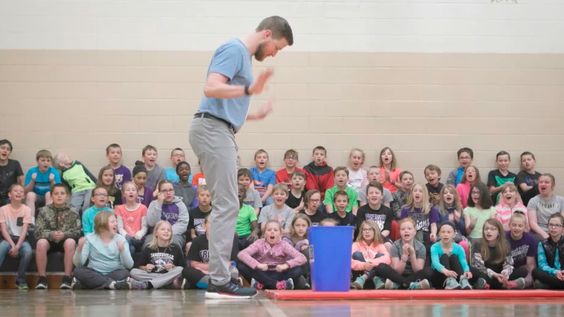
At first glance, Mr. James Thompson may seem like your average gym teacher. But upon closer inspection, it becomes evident that there’s something truly exceptional about his teaching methods. Using a series of unbelievable trick shots, Mr. Thompson has managed to capture the attention and interest of his students while imparting valuable life lessons.

In a world where children are often glued to their screens and more inclined towards video games than physical activity, implementing extraordinary techniques has proven to be an excellent way of getting students excited about physical education.

Mr. Thompson’s trick shots are not only jaw-dropping but also serve as unique teaching tools. One example involves him tossing a basketball towards the hoop while spinning in circles–and miraculously making the shot every single time.

By accomplishing these seemingly impossible feats, Mr. Thompson conveys an essential life lesson to his students: anything is possible with hard work, perseverance, and dedication. By showcasing his incredible skill set, he inspires his students to push their limits and step outside their comfort zones.

Furthermore, Mr. Thompson carefully incorporates these trick shots into various sports activities for his students. Each awe-inspiring maneuver comes with precise instructions that develop motor skills, coordination, and teamwork.

For instance, in a basketball class, students might be tasked with replicating one of Mr. Thompson’s trick shots by working together to improve passing skills and accurate shooting under pressure. In this manner, each trick shot serves as a vehicle for fostering strong bonds between classmates and instilling confidence in each other’s abilities.

Both students and fellow staff members have shared their admiration for Mr. Thompson’s approach to physical education. Many have noticed significant improvements in student participation and overall enthusiasm for the subject matter.

One of Mr. Thompson’s colleagues was quoted as saying “James brings unparalleled energy to our school’s gymnasium. You can’t help but feel motivated when you see his trick shots in action. It reminds us all to dream big and never give up, even when the odds seem insurmountable.”

In conclusion, Mr. James Thompson serves as a shining example of the impact that creativity and dedication can have on education. By incorporating unbelievable trick shots into his lessons, he has managed to teach his students valuable life lessons while reigniting a passion for physical education among today’s youth.

Latest Posts