Pedagogue Blog

How to Revolutionize School Facilities on a Small-Town Budget

Introduction:

A small-town school budget does not necessarily have to be an obstacle to revolutionizing school facilities. With creativity, adaptability, resourcefulness, and the right approach, even schools in smaller communities can successfully reshape their campuses and provide modern, dynamic learning environments for their students. In this article, we’ll discuss several strategies and steps that can help schools produce tangible improvements in their facilities without straining the budget.

1. Collaborate with community partners:

Small towns often possess a strong sense of community and collaboration. Schools can leverage this by partnering with local businesses, non-profit organizations, and government agencies for support in upgrading facilities. These partnerships may result in donations of supplies or materials, volunteer labor, or access to grants and funding opportunities.

2. Utilize existing resources creatively:

Schools should assess their current resources – both physical spaces and financial assets – and brainstorm potential uses or enhancements that can enhance the learning experience. Unused classroom space could be transformed into hands-on labs or maker spaces. Similarly, outdoor areas can be co-opted for community gardens or athletic facilities.

3. Optimize space efficiency:

Creating efficient spaces can enhance the use of current facilities while minimizing costs associated with expansions or new construction projects. Consider reorganizing or reconfiguring classrooms, installing movable walls to create multi-purpose rooms, or using vertical storage options to free up floor space for flexible learning activities.

4. Blend technology with traditional learning spaces:

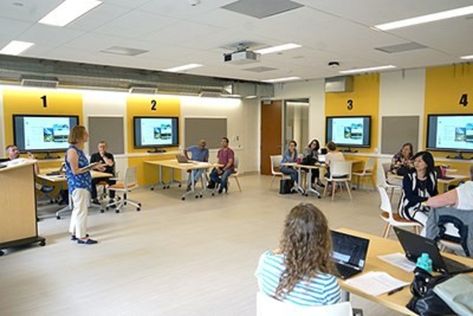
Integrating technology into school facilities can greatly enrich the learning environment while keeping costs under control. By creating technology-supported classrooms with access to online resources and interactive tools alongside traditional teaching methods, schools can offer flexibility in instruction without having to build costly specialty rooms or labs.

5. Engage in effective long-term planning:

Successful facilities improvement projects don’t happen overnight; they require strategic planning and ongoing communication between stakeholders. Allocate time for public engagement sessions, involve teachers, administrators, and maintenance staff in the long-term planning committee, and gather input from parents and students. Effective planning will help ensure that improvements align with the local community’s vision for the school while staying within budget constraints.

6. Pursue cost-effective alternatives:

When selecting materials or working out project details, prioritize cost-efficient alternatives that still provide functional benefits. For instance, repurposing or refurbishing furniture rather than buying new can save money while creating a refreshed atmosphere in classrooms.

7. Plan for energy efficiency:

Improving a school’s energy efficiency through improvements like insulation, lighting upgrades, or solar panels will not only enhance facilities but can also lead to significant long-term cost savings on utility bills. Furthermore, schools may qualify for federal or state incentives related to clean energy or energy efficiency projects.

Conclusion:

Revolutionizing school facilities on a small-town budget is possible with strategic planning, collaboration, creativity, and an eye for cost-effective solutions. By engaging local stakeholders in a collective effort and maximizing existing resources, schools can create dynamic learning spaces that foster student growth and success within budgetary constraints.

What My Students Don’t Understand About Martin Luther King Jr.

Every year, when Martin Luther King Jr. Day approaches, I find myself facing a classroom of students who are eager to learn about this iconic figure in history. But as we delve deeper into the life and legacy of Dr. King, I’ve noticed that there are many misconceptions and misunderstandings about the man, his ideals, and his fight for civil rights.

One of the most common misconceptions is that Dr. King was solely responsible for the Civil Rights Movement. While it’s true that he played a pivotal role in orchestrating several key events, such as the Montgomery Bus Boycott and the March on Washington, Dr. King was part of a much larger movement that involved countless activists who fought valiantly for racial equality.

Another misunderstanding lies in viewing Dr. King as a one-dimensional saint-like character who championed an entirely nonviolent strategy. Though it’s clear that nonviolent resistance was central to his views on social change, many students fail to understand the complexities of his philosophy.

My students often oversimplify Dr. King’s stance on nonviolence by boiling it down to the idea that people should always turn the other cheek and “love their enemies.” While these concepts were indeed part of his message, they weren’t his only tools for pushing back against an oppressive system. He understood that nonviolence could be a strategic means to an end – and sometimes even a way to assert power.

In addition to misunderstanding his philosophy on nonviolence, my students tend to reduce Dr. King’s entire life’s work to his famous “I Have a Dream” speech. While this watershed moment undoubtedly left an indelible mark on history, it’s crucial to highlight other aspects of his work and ideas – such as economic justice and eradication of poverty.

Dr. King was a staunch advocate for dismantling systemic poverty plaguing American society – and that fight has yet to be won. Many students are unaware of his Poor People’s Campaign, which sought to bring about comprehensive economic and social change. By solely focusing on the “I Have a Dream” speech, we run the risk of ignoring his wider vision for justice and equality.

Lastly, my students frequently overlook the fact that Dr. King was passionate about fighting global injustice. He spoke adamantly against the Vietnam War, critiquing America’s role in it, and advocating for peace and diplomacy. In today’s world of impending crises and rising inequalities across the globe, revisiting Dr. King’s approach to international affairs is a necessary exercise.

So, as we prepare to celebrate Martin Luther King Jr. Day once again, let us remember not just the myths we’ve been taught but, more importantly, the deeper truths behind Dr. King’s life and work. Breaking free from these misconceptions enables us to have an honest conversation about racism, poverty, and injustice – ultimately helping us carry on his legacy for generations to come.

Why Your School Needs a Makerspace

In today’s ever-evolving world, education must adapt to the rapid pace of change. One way schools can stay ahead of the curve is by incorporating makerspaces into their curriculum. Makerspaces are collaborative learning environments where students can explore, create, and innovate using a variety of tools and materials. They have gained significant popularity in recent years due to their ability to foster essential skills such as critical thinking, problem-solving, and teamwork. Here are five reasons why your school needs a makerspace:

1. Encourages hands-on learning

One of the main benefits of a makerspace is that it encourages hands-on learning. Students are given the opportunity to experiment with various tools and materials, enabling them to learn through experience rather than just memorization or theoretical knowledge. This type of learning environment instills a deeper understanding of concepts and allows students to gain practical skills that can be applied in their future careers.

2. Promotes creativity and innovation

Makerspaces provide an environment where students can freely express themselves and explore new ideas without the fear of failure. With access to a wealth of resources and tools, students are encouraged to think outside the box, come up with unique solutions to problems, and collaborate with their peers on new projects. This fosters an innovative mindset that is highly sought after in today’s job market.

3. Enhances STEM education

Science, technology, engineering, and mathematics (STEM) education plays a crucial role in preparing students for the future workforce. Makerspaces offer a unique opportunity for students to gain valuable hands-on experience in STEM fields by working on projects using robotics, 3D printing, electronics, programming, and more. By engaging students in these activities early on in their education, they are more likely to develop an interest in pursuing careers in STEM fields.

4. Develops essential life skills

By working together on projects within a makerspace, students can develop essential life skills such as problem-solving, critical thinking, communication, time management, and teamwork. These skills not only contribute to their success in school but will also be valuable throughout their lives and future careers.

5. Fosters a sense of community

In a makerspace, everyone works together to accomplish a common goal. This sense of collaboration helps students build positive relationships with their peers and fosters a supportive learning environment. Furthermore, makerspaces often involve partnerships with local businesses, organizations, and industry experts, which allows for additional learning experiences and helps build a strong connection between the school and the local community.

In conclusion, incorporating a makerspace into your school’s curriculum is an investment in the future success of your students. By providing hands-on learning experiences and fostering creativity, innovation, and essential life skills, you are equipping them with the tools necessary to thrive in an increasingly competitive job market. Don’t miss out on the opportunity to transform your students’ educational experience with a makerspace.

Amazing Ways That Principals Celebrate Teachers

Introduction:

Every year, principals around the world look for unique and creative ways to celebrate and appreciate the teachers in their schools. Teachers play a vital role in shaping the future of the students, and it is essential to recognize their hard work and dedication. Here are some of the amazing ways that principals celebrate teachers.

1. Surprise Breakfast or Lunch

One way that principals love to celebrate their teachers is by organizing a surprise breakfast or lunch for them. This gesture not only allows the staff to have a delicious meal together but also gives them some time to relax and socialize during their busy day.

2. Personalized Notes or Letters

Sometimes, a simple handwritten note from the principal can make a teacher’s day. By writing personalized notes expressing gratitude for their hard work and dedication, principals show that they truly value each and every teacher at their school.

3. Team-Building Activities

Arranging fun team-building activities is another fantastic way for principals to celebrate teachers. These activities can range from scavenger hunts to escape rooms and provide an opportunity for both teachers and administrators to bond outside of the workplace.

4. Spotlighting Successes

Principals can use school assemblies or faculty meetings as an opportunity to spotlight teachers’ achievements and successes throughout the year, whether it be personal or professional milestones or accomplishments within the classroom.

5. Professional Development Support

Offering opportunities for professional development demonstrates that a principal values their teacher’s growth and expertise. By providing support and resources for further education, workshops, or conferences, teachers are continually motivated and appreciated in their roles.

6. Public Recognition

Social media has become a powerful tool to connect communities. Sharing stories of exceptional performance by teachers on these platforms is a great way for principals to acknowledge their hard work publicly.

7. Tokens of Appreciation

Small tokens of appreciation such as gift cards, flowers, or personalized mementos show teachers that the principal recognizes their contributions. These thoughtful gestures often mean more than any tangible gift.

8. Celebrate Teachers’ Day

Principals can help make Teachers’ Day extra special by hosting events like talent shows, inviting guest speakers to honor teachers, or organizing a festive party to celebrate their dedication and commitment to their profession.

Conclusion:

Teachers play a crucial role in the intellectual and emotional development of students. No gesture is too small when it comes to showing gratitude for their tireless efforts and dedication. Principals play a significant part in fostering an environment where teachers feel appreciated and valued. Through these amazing ways, principals can celebrate their teachers, creating thriving school communities that nurture lifelong learners.

Why I Love the Middle School Talent Show

There is a magical time of year at every middle school that brings the entire community together – the talent show. I cannot help but express my absolute adoration for these incredible events. Middle school talent shows are a wonderful rite of passage that both entertain and inspire. From showcasing undiscovered talents to building self-confidence, these events hold indelible memories for students, parents, and teachers alike.

1. Uncovering Hidden Talents

Talent shows provide a platform for students to unveil their secret skills and hidden passions. Whether it’s an aspiring musician, a spectacular dancer, or an ace juggler, there’s no shortage of unique talents blossoming within the walls of middle school. Talent shows serve as opportunities for kids to step outside their comfort zone and be recognized for their special gifts.

2. Fostering Creativity

Middle school talent shows foster creativity as students must think outside the box when deciding on their acts. The event encourages them to flex their imaginative muscles and develop original routines that set them apart from their peers. This increased focus on creativity can translate into improved problem-solving skills in other aspects of students’ lives.

3. Building Self-Confidence

Facing an audience can be quite intimidating, especially for middle schoolers who are still discovering who they are. Nonetheless, participating in a talent show offers them the chance to build self-confidence as they face their fears head-on. Conquering stage fright while earning applause and acceptance from their peers can have a lasting impact on their self-esteem.

4. Encouraging Teamwork

Many acts in middle school talent shows involve working together with fellow students, such as group dance routines or band performances. These collaborations prove valuable as they teach participants how to communicate effectively, appreciate each other’s strengths, and address weaknesses with understanding and support.

5. Reinforcing a Positive School Environment

When faculty members organize talent shows, they encourage students to share their unique talents with the community. This positive reinforcement nurtures a nurturing and inclusive environment in which all students can feel valued and validated. Talent shows bring families and friends together to celebrate the achievements of their loved ones, reinforcing a sense of pride in the school.

6. Providing Lifelong Memories

Through their acts, students create unforgettable moments that will be remembered fondly for years to come. Whether it’s an outstanding performance or a hilarious mishap, the memories created on stage are priceless and irreplaceable.

The middle school talent show is truly a cherished event that brings out the best in everyone involved. It is a celebration of individuality, creativity, and self-expression; where students learn valuable life lessons while making unforgettable memories. As a fan of these performances, I can unequivocally say that middle school talent shows hold a special place in my heart due to the countless benefits they provide to both participants and spectators alike.

Librarian Tip of the Week: It’s Okay to Be Bored Now and Then

Introduction:

In the hustle and bustle of modern life, we’re often encouraged to constantly push ourselves forward, learning new skills and seeking new experiences. However, in this action-packed world, one Librarian Tip of the Week is to embrace boredom every once in a while. Let’s explore how purposeful boredom can be beneficial and how it relates to your library experience.

The Power of Boredom:

Boredom doesn’t always have to be perceived negatively. In some instances, it serves as an opportunity for our minds to reset, allowing creativity, reflection, and growth. When we’re bored, our thoughts aren’t as cluttered or focused on any specific goal. This open-mindedness allows for fresh ideas and perspectives to emerge.

Boredom as A Catalyst for Personal Growth:

Restful and reflective moments are essential for personal growth and self-awareness. Solitude and quiet environments enable people to understand themselves at a deeper level – think back on past experiences, reassess present situations, and contemplate future decisions.

Libraries as Boredom Sanctuaries:

Libraries are excellent places for people seeking peaceful environments away from the distractions of everyday life. They offer an escape from technology’s non-stop notifications and interruptions. This oasis of calm enables you to fully concentrate on tasks or let your mind wander into creative territory.

Finding Inspiration in Library Resources:

While libraries provide respite from the onslaught of activities surrounding us, they’re also packed with resources that can transform boredom into inspiration. Libraries contain countless books covering diverse subjects appealing to any interest or curiosity. An idle moment could lead you down a literary rabbit hole sparking new ideas or leading you toward your next passion.

Mindfulness Activities Inside Libraries:

Most libraries offer spaces perfect for practicing mindfulness exercises such as meditation or reading quietly. These moments of pause cultivate healthy habits that can rejuvenate the mind, improve clarity, and ultimately make us more resilient to dealing with stress and challenges.

Discussion Groups and Workshops:

Libraries often host workshops and discussion groups on various topics that can help you socialize and learn from others while being purposefully bored. In doing so, you engage in meaningful conversations, broaden your horizons, and bring new dimensions to your interests.

Conclusion:

Embrace occasional boredom as part of living a balanced lifestyle. Libraries, as perfect boredom sanctuaries, can tutor us in appreciating moments of quietness and help build habits to enhance creativity, growth, and well-being. So the next time you find yourself feeling bored, consider it a gift rather than a curse, head to your local library, and see where your reflections take you.

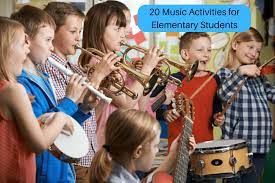
20 Music Activities for Elementary Students

Engaging children in musical activities can be a key aspect of their education. It’s important to keep students interested and excited about music by providing them with captivating and diverse activities. Below, we’ve compiled a list of 20 interactive music activities that elementary school teachers can incorporate into their classrooms.

1. Musical chairs: An all-time classic, musical chairs help students develop listening skills and a sense of rhythm.

2. Icebreaker games: Use music as a backdrop for icebreakers, aiding in socializing and building friendships.

3. Instrument exploration: Let students explore how different instruments produce sound while encouraging creativity.

4. Sing-a-longs: Choose popular or educational songs for the kids to sing together, promoting expression through performance.

5. Rhythm clapping: Teach students different patterns of rhythm, allowing them to practice by clapping along with the beat.

6. Song composition: Divide the class into groups and challenge them to come up with an original song based on a theme or subject matter.

7. Karaoke: Organize a fun-filled karaoke afternoon where students can take turns performing their favorite songs, boosting their confidence.

8. Dance party: Dedicate time for free-form dance sessions, which can serve as opportunities for both physical exercise and creative expression.

9. Name that tune: Boost listening skills by having the kids guess song titles after playing just a short snippet of the melody.

10. Percussion circle: Provide various percussion instruments encouraging community-building through rhythmical teamwork and improvisation.

11. Wind chimes project: Make homemade wind chimes using household materials and teach students about constructing unique musical instruments.

12. Music theory lessons: Teach basic concepts like pitch, tempo, and dynamics through engaging worksheets or interactive games.

13. Explore world music: Diversify the classroom curriculum by exploring various cultural traditions and musical genres from around the world.

14. Nature walk performances: Encourage students to use items found during nature walks to create their own musical composition.

15. Create a class band: Form a class band where students learn and play together, helping them appreciate teamwork in music.

16. Make-your-own instruments: With creative items like empty paper towel rolls, rubber bands, and pots, kids can construct and play their own homemade instruments.

17. Music scavenger hunt: Hide sheet music or lyrics around the classroom to have students search for hidden treasures while reviewing notes or melodies.

18. Sound experiments: Combine science and music by conducting activities such as exploring how different materials change the sound of an instrument or making water glasses sing.

19. Film-score Foley: Discuss how music is used in films, and have students create unique sound effects for short video clips using classroom objects.

20. Music journaling: Have children write about their favorite songs or artists, connecting written language with thoughts on musical expression.

By incorporating these engaging music activities into your elementary classroom, you will foster creativity, enhance listening skills, and build a foundation that enables students to have a life-long appreciation for music.

Making School Lunch a Better and More Relaxing Social Experience

Introduction

School lunches have long been a time for students to connect with friends, take a break from academics, and recharge before the second half of the day. However, in many schools, lunch periods are often chaotic, noisy, and rushed. In order to create more positive social experiences and foster stronger friendships among students, schools need to focus on improving the quality of their lunchtime environments.

1. Prioritize Nutrition and Variety in Meal Options

First and foremost, school lunches should provide balanced, nourishing meals that cater to students’ diverse needs and preferences. By offering a wider variety of meal options – including vegetarian, vegan, gluten-free, and allergen-friendly choices – students will be more likely to enjoy their lunches and engage in conversations about their food.

2. Create a Calm Atmosphere through Physical Environment Design

The physical set-up of the cafeteria plays an essential role in creating a relaxing social experience for students. Introducing dimmable lighting or natural light through skylights can create a calm ambiance. Additionally, incorporating quieter flooring materials like carpet or cork can help reduce noise levels in the venue. It’s also important for cafeteria furniture to be comfortable and organized into smaller seating arrangements that invite conversation among small groups of friends.

3. Allocate Sufficient Time for Lunch Periods

Many students feel hurried during their lunch breaks due to insufficient time allotted for eating. Extending lunch periods by even just a few minutes can vastly improve the overall dining experience by allowing students enough time to sit down, eat properly, converse without interruptions from announcements or bells, and decompress.

4. Offer Alternative Spaces for Eating Lunch

Some students may prefer quieter spaces where they can eat away from the bustling cafeteria environment. Schools should consider designating alternative locations such as library corners or outdoor seating areas where students can choose to enjoy their meals in a more peaceful setting.

5. Provide Opportunities for Socialization and Community-Building

In order to facilitate a more relaxed and engaging social experience, schools can host themed lunches, cultural food celebrations, or holiday events to create opportunities for students to bond over common interests. Collaborating with local food vendors on occasion can introduce new cuisines and broaden students’ culinary horizons.

6. Encourage Positive Adult Interaction and Support

Staff members such as teachers, administrators, and lunchroom supervisors play an integral role in creating a positive environment during lunchtime. By fostering relationships with students, circulating the room to facilitate conversation, and monitoring situations that might lead to stress or bullying, adults contribute to making school lunches more enjoyable and relaxing.

Conclusion

School lunch periods should not be an afterthought for educational institutions. By focusing on nutrition, physical environment design, adequate time allocation, alternative spaces for eating, community-building events, and supportive adult interaction, schools can create a more enjoyable school lunch atmosphere that promotes relaxation and meaningful social interactions among students. These improvements will ultimately benefit individual students’ well-being and foster a stronger sense of community within the school as a whole.

5 Classroom Management Strategies You Can Use As a Principal

Introduction

As a principal, one of your primary responsibilities is to create a positive learning environment for students and teachers alike. A key component of this environment is effective classroom management. In this article, we will explore five classroom management strategies that you, as a principal, can implement to help support your teachers and improve the overall school climate.

1. Set Clear Expectations and Consistent School-wide Policies

One of the most important things you can do as a principal is to establish clear expectations and consistent policies for behavior across the entire school. This includes creating and communicating rules, rewards, and consequences for students and staff alike. By promoting consistency across classrooms, you not only make it easier for teachers to align their own classroom management practices with the school’s policies but also create a predictable learning environment where students understand what is expected of them.

2. Support Teachers through Professional Development

A well-trained and knowledgeable teaching staff plays an indispensable role in effective classroom management. Invest in professional development opportunities for your teachers that focus on best practices for managing classrooms, managing challenging behavior, and using positive reinforcement strategies. Regular training sessions will help your staff feel more confident, competent, and empowered in their ability to maintain control of their classrooms.

3. Foster Strong Communication between School Staff

Open lines of communication between all members of the school community are essential when it comes to maintaining order and organization. Encourage regular meetings among teachers where they can share their successes, challenges, and strategies with one another. Similarly, support easy access to yourself as the principal by making yourself available for questions or concerns from both teachers and staff.

4. Involve Parents in Classroom Management Efforts

Parents play a crucial role in establishing an effective classroom management plan. Establishing strong relationships with parents can help to maintain open lines of communication regarding student behavior both at home and at school. Invite parents to be actively involved in discipline policies through avenues like parent-teacher conferences, behavior agreements, and volunteering opportunities. By fostering these relationships with parents, you strengthen the essential partnership needed to promote positive student behavior.

5. Take a Proactive Approach to Identifying and Addressing Issues

Effective classroom management starts with proactive measures to identify potential problems and address them before they grow into larger concerns. Collect data on behavior patterns, academic performance, and attendance trends to identify areas that may require additional support or intervention. Likewise, establish visible supervision in high-traffic areas by school staff members to maintain order and create a positive school atmosphere.

Conclusion

By adopting these five classroom management strategies as a principal, you’ll take significant strides towards creating a harmonious, positive learning environment in your school. Proper classroom management leads to increased student achievement, improved teacher job satisfaction, and greater community engagement. Invest in your students, teachers, and wider school community by making effective classroom management policies a top priority for your school leadership team.

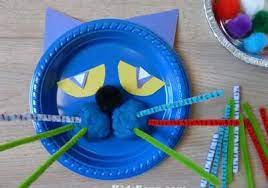
15 Pete The Cat Activities That Will Be A Blast For Your Child

Are you looking for fun and engaging activities inspired by the popular children’s character, Pete the Cat? Look no further! We have compiled a list of 15 exciting activities that will keep your child entertained while learning valuable skills in creativity, problem-solving, and literacy. Get ready to rock out with Pete the Cat!

1. Storytelling Time: Read your favorite Pete the Cat books together as a family. Encourage your child to re-tell the story in their own words.

2. Sing-along Session: Listen to Pete the Cat songs and have a sing-along with your child. You can even create your own dance moves!

3. DIY Red Shoes: Decorate a pair of canvas shoes or sneakers with red paint, glitter glue, or sequins to create your own version of Pete’s groovy shoes.

4. Button Counting Game: Build fine motor skills while having fun counting buttons like Pete in “Pete the Cat and His Four Groovy Buttons”. Provide a variety of colored buttons for your child to count, sort, and categorize.

5. Color Mixing Experiment: Teach color theory and practice color mixing using finger paints or watercolors like Pete does in “Pete The Cat: I Love My White Shoes.”

6. Pete Puppet Show: Create simple sock puppets or paper bag puppets of Pete and his friends for an entertaining puppet show.

7. DIY sensory bin: Assemble a simple sensory bin with cotton balls (for clouds), blue gems (for water), green pom-poms (for grass), and small toys or pictures of Pete’s adventures.

8. PetetheCatbucks Coffee Shop: Set up a pretend coffee shop where children can practice their social skills by taking orders, serving food, and engaging in imaginative play.

9. Dress-Up Fun: Create Pete-themed dress-up costumes using old clothes, scarves, hats, and sunglasses.

10. Alphabet Scavenger Hunt: Hide small cards with letters printed on them around the house or yard and have your child search for the letters to spell out “”).

11. Sorting and Classifying Rocks: Go on a rock hunt in your backyard or local park and gather rocks to sort by size, color, or type – just like Pete does!

12. Fingerpaint Adventure: Using finger paints or sidewalk chalk, encourage your child to recreate scenes from their favorite Pete the Cat books.

13. Music Jam Session: Provide simple musical instruments like tambourines, maracas, or drums for a Pete-inspired music jam session.

14. Create a Pete the Cat Collage: Cut out images from old magazines or print images from the internet to create a collage inspired by Pete and his adventures.

15. Cool Cat Yoga: Teach your child some basic yoga poses and incorporate them into a fun Pete-themed story that will get kids moving, stretching, and laughing together.

With these 15 awesome activities, your child will be fully immersed in the grooviness of Pete the Cat while also improving their creativity and fine motor skills. Don’t forget to join in the fun! After all, it doesn’t get much cooler than spending quality time with your little one exploring the world of Pete the Cat.

28 Fun and Engaging After-School Activities for Elementary School

Introduction:

Keeping young children engaged and entertained after school can often seem daunting, especially when trying to balance the importance of learning and having fun. However, there are numerous after-school activities that cater to both the educational and recreational needs of elementary school-aged children. These activities not only provide opportunities for kids to have fun, but also help them make new friends, build self-esteem, and develop essential skills.

1. Art Club: Drawing, painting, and crafting activities can bring out a child’s creative side while offering a stress-relieving outlet.

2. Science Club: Conducting experiments and learning about nature foster curiosity in young learners.

3. Robotics Club: Building robots introduces children to the concepts of design, engineering, programming, and teamwork.

4. Drama Club: Acting can improve a child’s confidence and public speaking skills.

5. Gardening Club: Planting vegetables or flowers teaches responsibility and helps kids connect with nature.

6. Book Club: Reading together encourages literacy and comprehension while forming friendships.

7. Chess Club: Mastering chess enhances problem-solving abilities and strategic thought.

8. Yoga Classes: Yoga promotes flexibility, relaxation, concentration, and a healthy lifestyle.

9. Dance Classes: Kids can explore different dance styles while exercising and expressing themselves creatively.

10. Music Lessons: Learning an instrument nurtures discipline, patience, creativity, and listening skills.

11. Photography Club: Kids develop artistic expression and technical skill through photography practice.

12. Sports Teams: Soccer, basketball, swimming, or gymnastics foster teamwork, perseverance, physical health, and sportsmanship.

13. Creative Writing Workshop: Encouraging children to put pen to paper cultivates their imagination and storytelling abilities.

14. LEGO Club: Building with LEGO bricks ignites creativity while honing fine motor skills.

15. Outdoor Exploration Group: Hiking local parks or exploring the great outdoors nurtures a love for nature and promotes physical activity.

16. Origami Club: Origami reinforces geometry and spatial reasoning in an engaging way.

17. Cooking Classes: Preparing simple recipes empowers children with essential life skills and fosters healthy eating habits.

18. Sign Language Club: Learning sign language enhances communication skills and promotes inclusivity.

19. Film Club: Watching and discussing movies cultivates critical thinking, empathy, and cultural appreciation.

20. Volunteer Opportunities: Engaging in community service projects instills responsibility and social awareness.

21. Knitting or Crochet Circle: Fiber arts teach patience while developing fine motor skills and creativity.

22. Board Game Club: Strategizing in board games promotes critical thinking, problem-solving, and collaborative skills.

23. Martial Arts Classes: Practical self-defense techniques also boost self-discipline, focus, respect, and mental resilience.

24. Nature Art Workshop: Combining natural elements into artwork nurtures a child’s connection with the environment while inspiring creativity.

25. Puzzle Club: Solving puzzles together fosters logical reasoning, troubleshooting, teamwork, and communication.

26. Buddy Reading Program: Pairing older students with younger ones to read together boosts reading skills and instills a sense of mentorship.

27. Mindfulness Meditation: Teaching mindfulness can help children develop healthy coping strategies for stress by promoting inner calmness and self-awareness.

28. Scavenger Hunts: Planning scavenger hunts promotes problem-solving skills while adding excitement to outdoor adventures.

Conclusion:

Each child is unique in their interests, needs, and strengths; therefore, providing a variety of diverse extracurricular activities empowers them to explore new passions and cultivate lifelong skills. With these 28 fun after-school activities available to elementary school kids, parents and educators can ensure that learning continues beyond the classroom walls.

Creative Teaching with Adobe

Introduction

In the ever-changing landscape of modern education, creative teaching methods are becoming more and more significant. To foster innovation and flexibility in educational approaches, teachers are continually seeking new tools and strategies to better engage students and inspire a love for learning. Among the many available resources, Adobe offers a suite of software that can revolutionize the classroom and empower both teachers and students. This article highlights how creative teaching with Adobe products can enhance the educational experience and produce successful results.

Harnessing Adobe’s Creative Tools

Various Adobe products like Photoshop, Illustrator, InDesign, Premiere Pro, and Spark offer an array of opportunities for educators to engage their students in creative problem-solving. Teachers can incorporate these tools into their lessons for a wide range of subjects to nurture innovative thinking among their pupils.

1. Visual Storytelling with Photoshop & Illustrator

Adobe Photoshop and Illustrator provide powerful platforms for creating visual stories that evoke emotion and facilitate understanding among students. With these tools, educators can help students hone their artistic skills in digital illustration or photo manipulation while weaving together stories that contextualize complex concepts or historical events.

2. Creating Engaging Presentations with InDesign & Spark

InDesign and Spark help create engaging presentations that go beyond traditional PowerPoint slides. Both platforms enable teachers to design appealing layouts and visual aids that can keep students captivated during lessons. Moreover, these tools allow students to express their ideas creatively by crafting their own impressive presentations tailored to various subject areas.

3. Video Editing Mastery with Premiere Pro

Premiere Pro offers video editing capabilities crucial for creating visually stunning videos that can easily convey complex ideas or bring subjects to life. Teachers can use Premiere Pro to craft compelling video content for lessons, while students benefit from acquiring valuable video editing skills useful in various academic projects or even future careers.

Integrating Adobe Products into Classroom Activities

Aside from standalone exercises using Adobe software, teachers can leverage these tools to enrich existing classroom activities. Here are some examples of how Adobe products can enhance the learning experience:

1. Group Projects: Students can collaborate on designing graphics, creating videos, or crafting visual presentations using Adobe tools. This fosters teamwork and enhances project quality by sharing each other’s creative strengths.

2. Interactive Exercises: Using Adobe products like Illustrator and Photoshop, educators can design interactive elements such as clickable images that reveal explanations or quizzes to add an exciting dimension to lessons.

3. e-Portfolio Development: Encourage students to create personal e-portfolios showcasing their work developed with Adobe tools, thereby building their digital skills and demonstrating competence in various subject areas.

Conclusion

Creative teaching with Adobe products empowers educators to adopt innovative approaches that resonate with students’ interests and needs in the digital age. By incorporating these tools into the curriculum, teachers have the opportunity to unleash new levels of creativity, engagement, and success in their classrooms. Embrace the power of imagination offered by Adobe software and inspire a new generation of lifelong learners dedicated to exploring innovative solutions to real-world challenges.

Latest Posts