Pedagogue Blog

How to Get Started With Zentangle Patterns in the Classroom

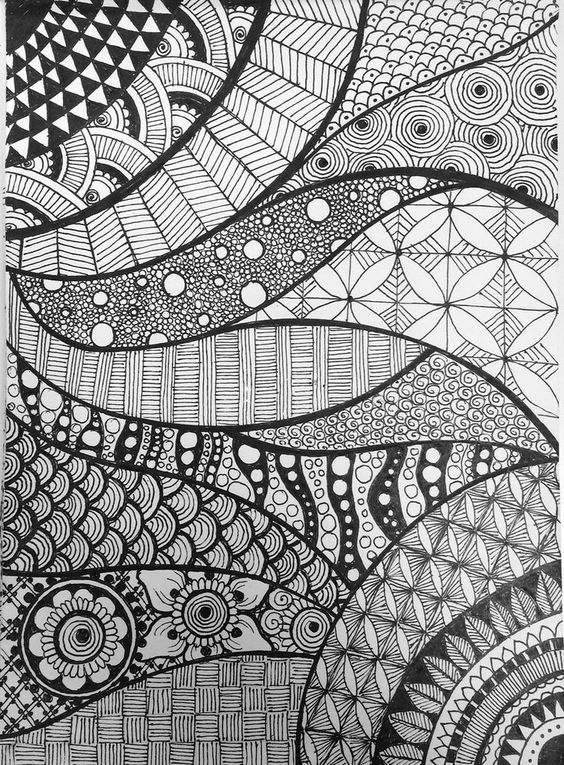
The world of art has many facets, and one unique method that has gained popularity in recent years is Zentangle. This meditative drawing technique uses simple patterns to create intricate, eye-catching designs. In the classroom, introducing Zentangle patterns can benefit students by encouraging their creativity, improving focus, and providing a means of relaxation. This article will guide you through the process of getting started with Zentangle patterns in the classroom.

1. Gather Materials

Zentangle requires only a few basic items:

– High-quality paper or card stock

– Fine tip pens or pencils

– A small straight edge or ruler

2. Introduce the Concept of Zentangle

Begin by explaining what Zentangle is and its benefits. Share examples of different patterns and designs, highlighting how various shapes can come together to form a cohesive piece of art.

3. Teach Basic Techniques

Demonstrate and explain some fundamental techniques used in Zentangle art:

– “Strings” to create sections within the drawing space

– Different patterns using lines, dots, curves, and shading

– The use of repetition and symmetry to build a design

4. Start with Simple Patterns

Have students begin practicing simple patterns by using their drawing tools to create lines, circles, dots, and other shapes. Encourage them to repeat these elements within a designated area on their paper.

5. Model an Example Zentangle

As students become comfortable with basic patterns and techniques, guide them through the process of creating a complete Zentangle design. You could either demonstrate an example for the class or provide step-by-step instructions on how to build a specific pattern.

6. Allow for Individual Exploration

Once they grasp fundamental concepts and techniques, encourage your students to experiment with their own designs and ideas. Provide ample time for practice and individual exploration in class.

7. Showcase Students’ Artwork

Zentangle can lead to impressive finished products that deserve recognition and encouragement. Provide opportunities for students to showcase their artwork on bulletin boards, in the school’s art gallery, or even by creating a classroom Zentangle portfolio.

8. Integrate Zentangle into Other Lessons

Zentangle can enhance lessons in other subject areas with its cross-curricular nature. For example, you can introduce pattern-making in math classes or use Zentangle to illustrate concepts in science or social studies activities.

9. Encourage Continued Practice

Creating a supportive environment for students to explore their artistic talents is essential. Encourage them to continue creating during their free time, and consider offering after-school clubs or workshops for those interested in further developing their Zentangle skills.

In conclusion, incorporating Zentangle patterns into the classroom can provide numerous benefits for students while offering a unique and engaging art activity. By using these tips and suggestions, you can jumpstart your students’ journey into the mesmerizing world of Zentangle art.

15 TikTok Science Experiments To Show Your Students

Introduction:

TikTok has become a popular platform for sharing fun and educational content. As a teacher, you can use this platform to showcase quick and exciting science experiments for your students. Here are 15 of the best TikTok science experiments that you can demonstrate in class or even assign as homework.

1. Rainbow Skittles:

Line up Skittles on a plate in a circular pattern, pour warm water over them, and watch as the colors move inward and form a rainbow-like pattern.

2. Instant Ice:

Supercool purified water in the freezer but don’t allow it to freeze completely. Then, pour it over ice cubes or a popsicle stick and watch it instantly freeze.

3. Baking Soda Rockets:

Fill an empty film canister with baking soda, add a bit of vinegar, quickly put the lid on, flip it upside-down, and watch the chemical reaction launch it into the air.

4. Elephant Toothpaste:

Combine hydrogen peroxide, dish soap, food coloring, and yeast mixed with warm water in a bottle to create a rapidly growing foam.

5. Lava Lamp Experiment:

Fill a plastic bottle with water, add some liquid food coloring to color the water, and layer vegetable oil on top. Drop an effervescent tablet into the mixture to see bubbles float up and down like in a lava lamp.

6. Magic Milk:

Place drops of different colored food coloring in whole milk and dip a cotton swab in dish soap before touching the milk’s surface – observe the burst of swirling colors.

7. Walking Water:

Place three cups filled with water (colored with food coloring) next to each other, leaving one empty cup in between each full cup. Place paper towel strips connecting the cups and watch as the colored water “walks” through the towels into the empty cups.

8. Egg Drop Challenge:

Encourage your students to create a protective structure or container that prevents an egg from breaking when dropped from a significant height.

9. Gummy Bear Osmosis:

Have students soak gummy bears in various solutions (water, salt water, and sugar water) to see how osmosis affects their size and shape.

10. Stacking Liquids:

Teach your students about density by layering different liquids (honey, corn syrup, colored water, and vegetable oil) in a clear cup.

11. Disappearing Colors:

Mix equal parts of lemon juice and water in a spray bottle. Spray onto paper with invisible ink (writing made with lemon juice). Watch the invisible ink writing appear as the lemon juice mixture is sprayed over it.

12. Dry Erase Marker Float:

Draw a simple picture on a glass surface using a dry erase marker. Pour a small amount of water onto the drawing and watch as it lifts off the surface and floats on the water.

13. Homemade Tornadoes:

Fill a plastic bottle with water and add some glitter or food coloring. With the cap on, swirl the bottle vigorously to create miniature tornadoes inside.

14. Magnet Magic:

Show your students how magnetic forces work with various objects, including paper clips or even cereal containing iron particles.

15. Exploding Baggies:

Combine vinegar and baking soda inside sealed plastic bags to demonstrate chemical reactions and the resulting pressure build-up.

Conclusion:

TikTok has made it easier than ever to share engaging and educational science experiments with your students. These 15 experiments are both fun and informative, providing valuable learning opportunities outside of traditional classroom settings.

Our Favorite Thank You Quotes for Teachers

Introduction:

Teachers hold a special place in our hearts – they’re the ones who help shape and mold us into curious, creative, and thoughtful individuals. As such, it’s important to say thank you and show our appreciation for the incredible work they do every day. In this article, we’ll share some of our favorite thank you quotes for teachers that can be used to express gratitude towards these extraordinary individuals.

  1. “It takes a big heart to help shape little minds. Thank you for being so committed to your students.”

This quote acknowledges the immense love and dedication a teacher needs to guide young students, making it a heartfelt way to say thank you for their hard work and passion.

  1. “The best teachers are those who show you where to look, but don’t tell you what to see.” – Alexandra K.Trenfor

Trenfor’s quote highlights the importance of teachers fostering independent thinking in their students. Thank your teachers by appreciating their guidance in helping you learn how to think critically and creatively.

  1. “A good teacher is like a candle – it consumes itself to light the way for others.” – Mustafa Kemal Atatürk

Express your appreciation for your teacher’s selflessness and tireless dedication with this beautiful quote by Mustafa Kemal Atatürk.

  1. “Thank you for being a guide, a mentor, and most importantly, a friend.”

Some teachers go beyond their professional role and impact us on a deeper level. Recognize these relationships with this heartfelt expression of thanks.

  1. “The mediocre teacher tells. The good teacher explains. The superior teacher demonstrates. The great teacher inspires.” – William Arthur Ward

Thank your inspiring teachers for not only teaching lessons, but also igniting a fire within you to learn more and strive for greatness.

  1. “To the world, you may be just a teacher, but to your students, you are a hero.”

This quote serves as a reminder that the work of a teacher does not go unnoticed, and they truly make a difference in the lives of their students.

  1. “Teaching is the one profession that creates all other professions. Thank you for helping me build my future.”

Recognize your teacher’s impact on shaping your path and future endeavors with this sincere and humbling statement.

  1. “Good teachers know how to bring out the best in students.” – Charles Kuralt

Show your gratitude to those educators who have helped you see and reach your potential with this thoughtful quote.

Conclusion:

Teachers play a monumental role in our lives, nurturing us academically, emotionally, and intellectually. It can be challenging to find the right words to express our thankfulness for their guidance and influence. These quotes provide a touching way to say thank you for the invaluable lessons and inspiration they have given us – be it in cards, emails, or face-to-face conversations. As we continue through life’s journey, let’s always remember to be grateful for the teachers who have left an indelible mark on our souls.

Why You Can Never Trust a Teacher Shopping at Target

Introduction:

We’ve all had our moments where we see familiar faces in different surroundings and wonder what they could possibly be up to. One such instance occurs when you spot one of your teachers shopping at Target. While this might seem like a harmless coincidence, could there be an underlying reason not to trust them in this setting?

Subtle Manipulation of Minds:

Teachers spend the majority of their time with students in the classroom, shaping their young minds. With their expertise in education and psychology, they might know the best way to influence people subtly. So when you see a teacher shopping at Target, they may deploy some subtle manipulation tactics to make people buy more items or give discounts.

Misguiding Fellow Shoppers:

As educators, they have privileged access to information concerning academic matters and learning techniques. A teacher shopping at Target might use this knowledge to misguide fellow shoppers on topics such as education, parenting strategies, or even financial advice – leaving shoppers vulnerable and exploited.

Undercover Detective Work:

Think about it – teachers are used to maintaining order and discipline among dozens of children daily. Their eagle-eyed attention to detail makes them uniquely qualified for undercover detective work. When spotted at Target, teachers might be on a secret mission related to their school activities or trying to unravel mysteries surrounding students or colleagues.

Hidden Talents:

Teaching is not the only skill teachers possess – some may pursue hobbies or part-time work involving arts and crafts, music, or even writing. Spotting a teacher shopping at Target could mean that they are purchasing items required for executing their hidden talents – something you would never have known by simply observing them within the confines of the classroom.

Escape From Routine:

Everyone needs a reprieve from routine, including hardworking teachers. Sometimes, it’s challenging to differentiate between one’s professional role and personal life – seeing a teacher shopping at Target could signify that your perception of them is wholly limited to their profession. Thus, you may need to reconsider any assumptions you’ve made about their true intentions for shopping at Target.

Conclusion:

From playing mind games to being undercover detectives, teachers shopping at Target might not be as innocent as it seems. Keep an open mind when you see your favorite educator wandering the aisles of your local store, as they too have lives outside the classroom. On a serious note, remember that teachers are just ordinary people trying to live their lives, and perhaps we should not judge them based on a single encounter outside the academic environment.

Quiz: Discover Your Classroom Organization Style

Introduction:

Do you ever wonder what your classroom organization style reveals about your teaching approach? Take our insightful quiz to find out whether you’re a minimalist or a maximalist, an organized planner, or a creative genius. Better understanding your organization style can help you improve your overall teaching experience and effectiveness in the classroom.

Instructions:

Please read through the scenarios and options, then select the answer that resonates most with you. Tally up your score at the end to reveal your classroom organization style. Ready? Let’s begin!

1. When entering your classroom, what’s the first thing people notice?

A) Neatly arranged desks and clutter-free surfaces.

B) Colorful displays and an array of resources.

C) A system that organizes materials.

2. How do you plan for upcoming lessons?

A) Detailed weekly or monthly lesson plans with specific objectives.

B) A general outline of topics, adapting on-the-fly depending on student engagement.

C) A mixture of structured plans and creative brainstorming.

3. During class time, what do students find on their desks?

A) Nothing but what’s absolutely necessary for the lesson.

B) A variety of materials to cater to different learning styles.

C) Everything they need, organized in a specified order.

4. What’s the overall atmosphere in your classroom?

A) Orderly and focused.

B) Dynamic and bustling with exploration opportunities.

C) Well-structured but open to improvisation.

5. When it comes to organizing resources, which method best describes yours?

A) Clear containers or drawers labeled by subject or task.

B) Creatively using displays, shelves, or spaces for easy access and inspiration.

C) A combination of labeled storage solutions and unique organizing techniques.

Results:

Tally up your scores: Give yourself 1 point for each A answer; 2 points for each B answer; and 3 points for each C answer.

5-9 points: The Minimalist – Your classroom is organized, neat, and free of distractions, providing a focused environment for your students. Keep refining those decluttering skills to maintain a serene space for learning.

10-14 points: The Creative Genius – Your dynamic classroom fosters exploration, creativity, and inspiration. Balancing practicality with an imaginative approach, you bring your lessons to life.

15-21 points: The Organized Coordinator – Your organization style strikes the perfect balance between structure and flexibility. Continue honing your organizational skills to encourage a harmonious learning atmosphere.

Conclusion:

Now that you’ve discovered your classroom organization style, embrace it and use this knowledge to make adjustments as needed. Creating a space that reflects your teaching approach will benefit both you and your students’ educational experiences.

So, which style best defines you? Get ready to take charge and work towards the ideal classroom setup that caters to your unique teaching preferences!

Earth Day Poems for Kids of All Ages and Grade Levels

Introduction

Earth Day is an annual event celebrated around the world on April 22nd, spreading awareness about the importance of protecting our environment and raising consciousness about sustainable living. One great way to teach children about the significance of Earth Day is through poetry. Poems can inspire creativity, spark imagination, and engage young minds in understanding the beauty of nature and our responsibility towards it. Here are some Earth Day poems suitable for kids of all ages and grade levels

Elementary School Poems (Grades K-2)

1. “Our Earth, Our Home”

Our Earth, our home, so big and round,

Touched by sky and sea abound,

Trees whisper hushed secrets wide,

And rivers sing as they glide.

Let’s care for Earth, this precious place,

As its wonders we embrace,

For Earth to keep us safe and sound,

Let love and kindness always be found.

2. “Tiny Actions”

A little seed, small as it seems,

Grows into a tree of dreams.

A small kind act, a gentle word,

Can change the world when it’s heard.

For just like seeds that turn to trees,

Our love for Earth spreads like a breeze.

With tiny actions every day

We’ll make sure Earth is here to stay.

Middle School Poems (Grades 3-5)

1. “The Colours of Earth”

Green with colors rich upon its skin,

A floating sphere on which we live in.

Blue like oceans wide and vast,

Earth’s heart where life began in the past.

Yellow fields under skies so blue,

Red sunsets paint a vibrant hue.

Brown for soil nurturing seeds we sow

Together let’s protect this rainbow.

2. “The Guardians”

Hand in hand we hold so tight

The future guardians shining bright

To keep Earth safe from shadowy bends

We’ll fight as one until the end

For every mountain, forest, and shore,

We raise our voice to protect what’s more,

To leave a world forever clean

For future generations, yet unseen.

High School Poems (Grades 6-8)

1. “A Plea for Preservation”

Nature’s bounty in colors rich and rare

The fragrance of earth on the evening air,

But danger arises as the seasons turn,

For careless hands may let it burn.

The trees shall weep, and rivers sigh,

With smoke that covers the azure sky.

So let us rise with hearts ablaze,

To land we will love through endless days.

2. “Earth’s Symphony”

We are the Earth’s song, high notes and low,

Together in harmony, we help it grow.

Nature’s orchestra plays its captivating tune

In the melodies of every season’s dune.

With love and care, like a gardener with a spade,

What we give to Earth shall not fade.

Creatures great and small, lend your ear,

Sing the Earth’s song; let everyone hear!

Conclusion

These poems provide an opportunity for children from kindergarten through middle school to learn about the beauty of our planet, understand its vulnerability, and realize their role in preserving it for future generations. Engaging in poetry on Earth Day allows young minds to develop a deep appreciation for nature while motivating them toward sustainable living practices. It is an excellent way to introduce environmental conservation concepts while promoting creativity and imagination in children.

Pumping at School

Introduction:

Being a new mom is incredibly rewarding, but it can also be challenging, especially when balancing work with the demands of motherhood. One important aspect for nursing mothers returning to their teaching careers is pumping breast milk during the workday. This article aims to provide new moms with essential tips and information to help make pumping at school easier, smoother, and more effective.

1. Know Your Rights

Before returning to work as a teacher, familiarize yourself with your legal rights when it comes to breastfeeding and pumping in the workplace. The Affordable Care Act amended the Fair Labor Standards Act (FLSA) to protect nursing mothers’ rights to have reasonable break times for pumping throughout the day and provide places other than restrooms for expressing breast milk.

2. Plan Your Schedule

Plan and communicate your schedule with school administrators and colleagues. Find optimal times during your day when you can pump (e.g., planning periods, lunch breaks, or other free times). Establishing a routine will make it easier for both you and your coworkers.

3. Find a Pumping Space

Work with your supervisor or administrators to identify a private space for pumping. A dedicated lactation room is ideal; however, if one is not available, look for an empty classroom or office with a lock and privacy features such as window coverings.

4. Prepare Necessary Supplies

Prepare a “pumping kit” that includes all necessary supplies such as a high-quality breast pump, extra pump parts, bottles or milk storage bags, insulated cooler or bag with ice packs, hand sanitizer, wipes for cleaning surfaces, nursing pads, and possibly a battery pack in case of electrical outlet issues.

5. Develop a Storage Plan

Plan for safely storing expressed milk by researching your school’s refrigerator access or investing in an insulated cooler or bag with ice packs capable of keeping the milk at a safe temperature until you can bring it home.

6. Be Ready for Unexpected Situations

Emergencies or unexpected situations may arise, so being adaptable is crucial. Consider having a back-up manual pump in case of power outages or pump malfunctions and extra batteries for your electric pump.

7. Advocate for Yourself

Don’t be afraid to advocate for yourself and your needs as a breastfeeding mother. If you face challenges from coworkers or administrators, calmly and assertively communicate your rights and responsibilities.

8. Maintain Open Communication

Maintaining open communication with your principal, colleagues, and support staff is vital. Let them know your pumping schedule; this will allow for more understanding and support during this period.

9. Build a Support Network

Connect with other teachers who have experienced pumping at school or nursing mothers in general to share tips, tricks, and experiences. Connecting with others in the same situation can help provide a sense of camaraderie.

10. Be Patient with Yourself

Lastly, be patient with yourself during this transition back to work; it’s challenging by nature. Give yourself some grace as you adapt to balancing the demands of teaching with the demands of motherhood.

Conclusion:

Pumping at school may seem intimidating at first, but by knowing your rights, preparing appropriately, planning your schedule, and finding a supportive community, new moms can successfully navigate this important aspect of returning to work. Remember that you’re not alone on this journey, so don’t hesitate to reach out for support when needed.

16 Perfect Quotes to Make You Fall in Love With Seuss All Over Again

Introduction:

Dr. Seuss, the beloved author of numerous children’s books, has inspired generations of readers with his whimsical stories, memorable characters, and vivid illustrations. Amidst the colorful pages of his books, one can find countless life lessons and words of wisdom that continue to resonate in our hearts. Here are 16 perfect quotes from Dr. Seuss that will make you fall in love with his work all over again.

1. “Don’t cry because it’s over, smile because it happened.” – Dr. Seuss

2. “Today you are You, that is truer than true. There is no one alive who is Youer than You.” – Dr. Seuss

3. “You have brains in your head. You have feet in your shoes. You can steer yourself any direction you choose.” – Dr. Seuss

4. “The more that you read, the more things you will know. The more that you learn, the more places you’ll go.” – Dr. Seuss

5. “Why fit in when you were born to stand out?” – Dr. Seuss

6. “You’ll miss the best things if you keep your eyes shut.” – Dr. Seuss

7. “A person’s a person, no matter how small.” – Dr. Seuss

8. “Sometimes the questions are complicated and the answers are simple.” – Dr. Seuss

9. “Unless someone like you cares a whole awful lot, nothing is going to get better. It’s not.” – Dr. Seuss

10. “Be who you are and say what you feel because those who mind don’t matter and those who matter don’t mind.” – Dr.Seuss

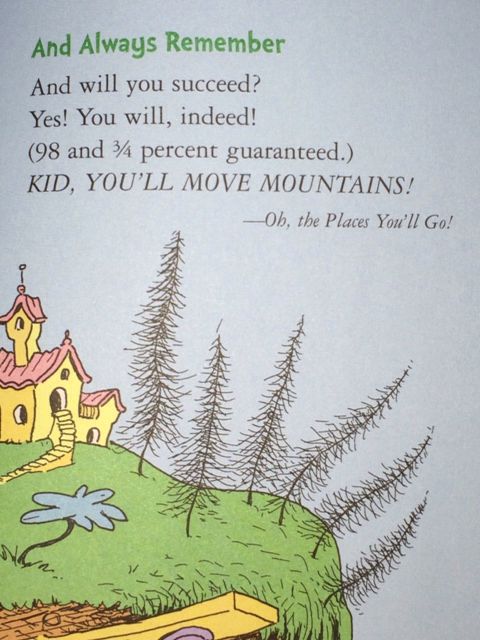
11. “You’re off to great places! Today is your day! Your mountain is waiting, so… get on your way!” – Dr. Seuss

12. “Everything stinks till it’s finished.” – Dr. Seuss

13. “Think left and think right and think low and think high. Oh, the thinks you can think up if only you try!” – Dr.Seuss

14. “To the world you may be one person; but to one person, you may be the world.” – Dr. Seuss

15. “How did it get so late so soon? It’s night before it’s afternoon. December is here before it’s June. My goodness how the time has flewn. How did it get so late so soon?” – Dr. Seuss

16. “I know it is wet and the sun is not sunny, but we can have lots of good fun that is funny.” – Dr.Seuss

Conclusion:

Dr. Seuss’ timeless tales not only nurture our imagination but also instill invaluable life lessons that remain with us throughout our lives. Let these quotes fill your heart with nostalgia and remind you of the simple joys that come from reading a delightful book by the one and only, Dr.Seuss!

10 Fun & Easy Fire Prevention Week Activities for Grades PreK-2

Fire Prevention Week is an annual event dedicated to raising awareness about fire safety and prevention. It’s an excellent time to teach young children about the importance of fire safety and engage them in fun, educational activities to help solidify these life-saving lessons. Here are 10 fun and easy Fire Prevention Week activities suitable for grades PreK-2.

1. Firefighter Dress-Up

Encourage kids to role-play as firefighters and practice putting on pretend fire safety gear such as helmets, jackets, gloves, boots, and masks. This activity helps familiarize them with the roles that firefighters play in keeping communities safe.

2. Stop, Drop, and Roll Relay

Teach children the iconic stop, drop, and roll technique for extinguishing clothing fires. Organize a relay race where they must stop, drop to the ground, roll around to “put out the fire,” and then pass the baton to the next participant.

3. Visit a Fire Station

Arrange a field trip to a local fire station where students can meet real firefighters and see fire trucks up close. This experience allows them to ask questions about fire safety while observing essential firefighting equipment firsthand.

4. Make a Home Fire Escape Plan

Have students draw their home layout and work with family members to create an escape plan in case of a fire emergency. Encourage them to share their plans with their classmates for discussion and learning.

5. Smoke Detector Testing

Teach kids about the purpose of smoke detectors and help them practice testing their detectors at home by pressing the test button. Explain the importance of changing batteries regularly as part of maintaining smoke detectors’ functionality.

6. Interactive Storytime

Read a picture book about fire safety or firefighters such as “Fire! Fire!” by Gail Gibbons or “A Day in the Life of a Firefighter” by Heather Adamson to provide kids with a narrative that they can relate to and learn from.

7. 911 Emergency Role-Playing

Help children understand when and how to dial 911 in case of a fire emergency. Use role-playing scenarios to practice calling, answering the dispatcher’s questions calmly, and providing accurate information.

8. Fire Safety Crafts

Create arts and crafts with a fire safety theme, such as firefighter puppets, paper fire trucks, or flame-shaped collages made of red, orange, and yellow tissue paper. Display these creations in the classroom or at home to reinforce fire safety lessons.

9. Fire Prevention Poster Contest

Encourage children to design their own fire safety posters that emphasize key prevention messages like “Don’t play with matches” or “Check your smoke detectors.” Organize a friendly contest and display the winners in the classroom or school hallways.

10. Fire Safety Songs

Sing catchy tunes about fire safety that kids can easily remember, like “Get Low and Go” (to the tune of “Row, Row, Row Your Boat”) or create your own fun jingles about essential fire prevention tips.

By incorporating these engaging activities into your Fire Prevention Week lessons, you can provide PreK-2 students with an enjoyable learning experience while teaching them critical fire safety skills that will last a lifetime.

15 Anchor Charts for Teaching Theme

Introduction

Anchor charts are an essential tool for educators, assisting students in their learning journey by providing a visual representation of complex ideas. One of the most significant aspects of literature that students need to understand is the theme. Teaching theme can be challenging, but using anchor charts can make the process more manageable and engaging.

In this article, we will explore 15 creative anchor charts for teaching theme, helping students gain a deeper understanding of this essential literary element.

1. Definition of Theme:

Begin with a simple anchor chart that defines ‘theme’. Provide examples of common themes in literature, such as love, friendship, and overcoming adversity.

2. Theme vs. Main Idea:

Create a chart that distinguishes between theme and main idea. By defining these terms and giving examples, students will better understand their differences.

3. Finding Theme in Literature:

An anchor chart explaining how to identify themes in literature can serve as a valuable reference for students as they read and analyze texts. Include tips on examining character actions, conflicts, and resolution.

4. Theme Statements:

Guide your students in creating strong theme statements with an anchor chart that provides examples and tips for constructing their own statements about the texts they read.

5. Common Themes in Literature:

Create an anchor chart listing universal themes found in various types of literature, such as courage, mortality, or the power of nature.

6. Symbolism and Theme:

Explore the connection between symbols and themes with an anchor chart focusing on how authors use symbols to represent larger concepts or ideas within their work.

7. Themes Across Genres:

Design a chart that showcases common themes found within different genres of literature (e.g., science fiction, mystery). This helps students recognize overarching themes in diverse texts.

8. Themes Across Cultures:

Demonstrate that themes transcend cultural barriers by creating an anchor chart featuring common themes found in literature from different countries and cultural backgrounds.

9. Visualizing Themes:

Encourage students to create visual representations of themes in literature using drawings, diagrams, or mind maps on an anchor chart. This fosters a deeper understanding and allows for creative expression.

10. Supporting Evidence for Themes:

Teach students to find evidence in the text that supports their interpretation of the theme with specific examples. Create a chart illustrating how to use quotes and other textual evidence effectively.

11. Changing Themes over Time:

Discuss how themes in literature have evolved over time using an anchor chart that examines themes in different historical eras or literary periods.

12. Comparing and Contrasting Themes:

Help students understand the similarities and differences between the themes of two texts with a Venn diagram or T-chart anchor chart.

13. Theme Analysis Graphic Organizer:

Design an anchor chart including a graphic organizer for theme analysis that guides students in organizing their thoughts and connections while reading.

14. Themes in Poetry:

Explore themes within poetry by crafting an anchor chart that demonstrates how poets communicate themes through various devices such as imagery, metaphor, and form.

15. Tracking Themes in a Novel:

Provide ongoing support for teaching theme by creating an anchor chart where students can track the themes they encounter throughout a novel or unit of study.

Conclusion

Effective teaching of theme is crucial in helping students develop their comprehension, analysis, and appreciation of literature at all levels. By using engaging anchor charts tailored to different concepts and approaches to teaching theme, teachers can help learners grasp this fundamental literary concept more easily. Happy teaching!

65 Engaging Personal Narrative Ideas for Kids and Teens

An engaging personal narrative can capture the imagination of young minds, helping kids and teens explore their feelings, express themselves, and gain a better understanding of the world around them. Here are 65 personal narrative ideas to help inspire creativity, empathy, and self-reflection among kids and teens.

1. Describe a time when you overcame a fear or phobia.

2. Write about your favorite vacation memory.

3. Share your experience with making a new friend.

4. Explain the first time you tried a new hobby or interest.

5. Write about an everyday activity that brings you joy.

6. Discuss your favorite childhood memory.

7. Delve into a time when your family moved or welcomed a new member.

8. Explore your first day of school experience.

9. Describe a challenge you faced and how you dealt with it.

10. Write about learning to ride a bike or another meaningful milestone.

11. Discuss how you resolved an argument with a friend or sibling.

12. Share your thoughts on participating in a school project or event.

13. Detail an adventure you had while camping, hiking, or exploring outdoors.

14. Write about discovering an old family photo album and what it revealed about your ancestry.

15. Describe meeting someone famous or attending an exciting event.

16. Explain a time when you gave or received help when it was least expected but most needed.

17. Share the first time you had to make a tough decision on your own.

18. Discuss overcoming stage fright during a performance or presentation at school.

19. Describe an event that shaped your character and values.

20. Write about experiencing different cultures through food or travel.

21-40: Encourage creative exploration with these ideas:

21. Describe walking through your neighborhood’s history in the 1800s

22. Detail how technology would change a day in The Giving Tree

23. Discuss what would happen if you were president for a day

24. Explore life as an astronaut

25. Write about living in a world of toys for a week

26. Describe swapping lives with your pet

27. Share your experience attending a Talent & Abilities School for extraordinary kids and teens

41-60: These topics focus on self-reflection, finding meaning, and personal growth:

41. Share the impact of losing a loved one

42. Write about coping with stress or anxiety

43. Discuss experiencing a change in personal beliefs or values

44. Detail maintaining cultural traditions while embracing modern society

45. Explore how creativity has influenced your life

46. Describe confronting and accepting yourself during self-discovery journey

61-65: Lastly, let’s explore five more ideas for engaging personal narratives:

61. Share an encounter with nature that left you awestruck

62. Discuss overcoming a seemingly insurmountable obstacle or challenge

63. Explore the impact of connecting with an animal companion or therapy animal

64. Write about the role social media has played in shaping your identity or relationships

65. Share a heartfelt letter to your younger self, detailing what you’ve learned over the years

These personal narrative ideas provide rich material for kids and teens to delve into their feelings and experiences. By exploring these topics, they can develop essential writing skills, learn to express themselves creatively and gain confidence in their ability to navigate life’s challenges.

21 Ways to Get Your Students Moving During Learning Center Time

Introduction:

Learning center time is a crucial part of any classroom environment. It’s a time when students can engage in independent or group learning activities that support their academic growth and development. To make the most of this time, teachers must find creative ways to keep students actively involved and moving. Here are 21 ways to get your students moving during learning center time.

1. Incorporate movement breaks: Schedule short movement breaks between activities where students can stretch, jump, or perform simple exercises.

2. Use standing desks: Offer standing or adjustable height desks as an alternative to sitting for extended periods.

3. Create centers with different physical activities: Design centers that require various levels of physical engagement, like a reading corner, a dance station, or a gross motor skills area.

4. Yoga stations: Set up yoga mats and charts with simple poses as a calming and physical activity during center time.

5. “Brain Gym” exercises: Use Brain Gym techniques to create activities that help improve students’ coordination, focus, and memory.

6. Relay races: Organize fun and educational relay races using flashcards or other learning materials to reinforce classroom concepts.

7. Scavenger hunts: Design scavenger hunts around the room using clues related to the subject being studied.

8. Dancing lessons: Incorporate dances from different cultures into learning centers to encourage physical activity while learning about diversity.

9. Fitness challenges: Set up physical fitness challenges for students to complete individually or in teams during center time.

10. Balance boards or cushions: Use balance boards or cushions as seating options to encourage core strength development and engagement.

11. Interactive technology integration: Utilize interactive educational tools like smart boards and tablets where students can move while engaging in learning activities.

12. Ball chairs: Replace some traditional chairs with exercise ball chairs for improved balance and posture.

13. Mini trampoline station: Set up a mini trampoline for jumping activities that help students improve coordination and strengthen their muscles.

14. Create obstacle courses: Design simple obstacle courses using classroom furniture and gym equipment for a fun physical challenge.

15. Use movement cues during transitions: Assign specific movements for students to perform while transitioning from one center to another.

16. Enact scenes from books or history: Encourage students to use their imagination and act out scenes or historical events as part of their learning experience.

17. Hold a gallery walk: Set up art displays or project stations around the room and have students walk around to view and discuss them.

18. Actively explore math concepts: Create interactive math activities that involve movement, like hopscotch on a number line or bean bag toss addition.

19. Use team games to build cooperation: Organize cooperative games like parachute activities or human knots that require teamwork and physical movement.

20. Roleplay: Assign roles for students to act out during social studies or English lessons, incorporating dance, miming, or interpretive movement.

21. Encourage a healthy competition: Get students moving by creating academic competitions where physical activity is combined with quizzes, races, or problem-solving activities.

Conclusion:

Incorporating movement during learning center time not only promotes a healthy lifestyle but also helps improve focus, concentration, and academic performance. By utilizing a variety of these 21 strategies, you can create an engaging classroom environment where students are more active and motivated in their learning experiences.

Latest Posts